ResQRinse is the nasal irrigation squeeze bottle that eliminates head-tilting and awkward neck positions. Using proprietary Nasal Lock™ technology, it delivers a comfortable, gag-free sinus cleanse — no more saline dripping down your throat.

Relief From Fall Sneezes
Now sold on Walmart.com. Free shipping on orders $30+. Try ResQRinse today with your everyday purchases.
Shop at WalmartWhy ResQRinse?
Nasal rinsing helps relieve congestion from colds, allergies, sinusitis, hay fever, and environmental pollutants. ResQRinse makes it comfortable enough to become a daily habit.
Nasal Lock™ Technology
Isolates sinuses from the throat using natural choanal occlusion — like inflating a balloon — so saline stays where it belongs.
Learn more →
Drug-Free Relief
Uses premixed saline packets with distilled water. No medications, no preservatives — just a natural cleanse for your nasal passages.
How to rinse →
For Kids Too
ResQRinse for Kids features a comfort nasal tip right-sized for smaller nostril openings, making rinsing gentle and easy for children.
Shop kids' version →
Breath-Controlled Flow
You control the saline flow with your own breath pressure — high volume, low pressure irrigation that's comfortable and effective.
Watch how-to videos →
Better Compliance
Designed to overcome the gagging and discomfort that cause people to abandon traditional neti pots and nasal rinse systems.
Our story →
Complete Kits Available
From the basic ResQRinse Nasal Rinse System ($19.99) to 90-day complete kits, saline packets, cleaning brushes, and Sinoptim Nasal Mist.
Browse all products →Get Started with ResQRinse
Ready to experience a better nasal rinse? Fill out the form below and we'll help you find the right product — or follow the simple steps to begin rinsing today.
Request More Information
How to Use ResQRinse
Fill the Bottle
Fill the ResQRinse squeeze bottle with distilled or previously boiled water and add one premixed saline packet.
Position the Tip
Place the comfort tip gently against one nostril. No head-tilting or awkward neck angles needed.
Squeeze & Breathe
Squeeze the bottle gently while breathing through your mouth. Nasal Lock™ keeps saline in your nasal passages and out of your throat.
Repeat & Clean
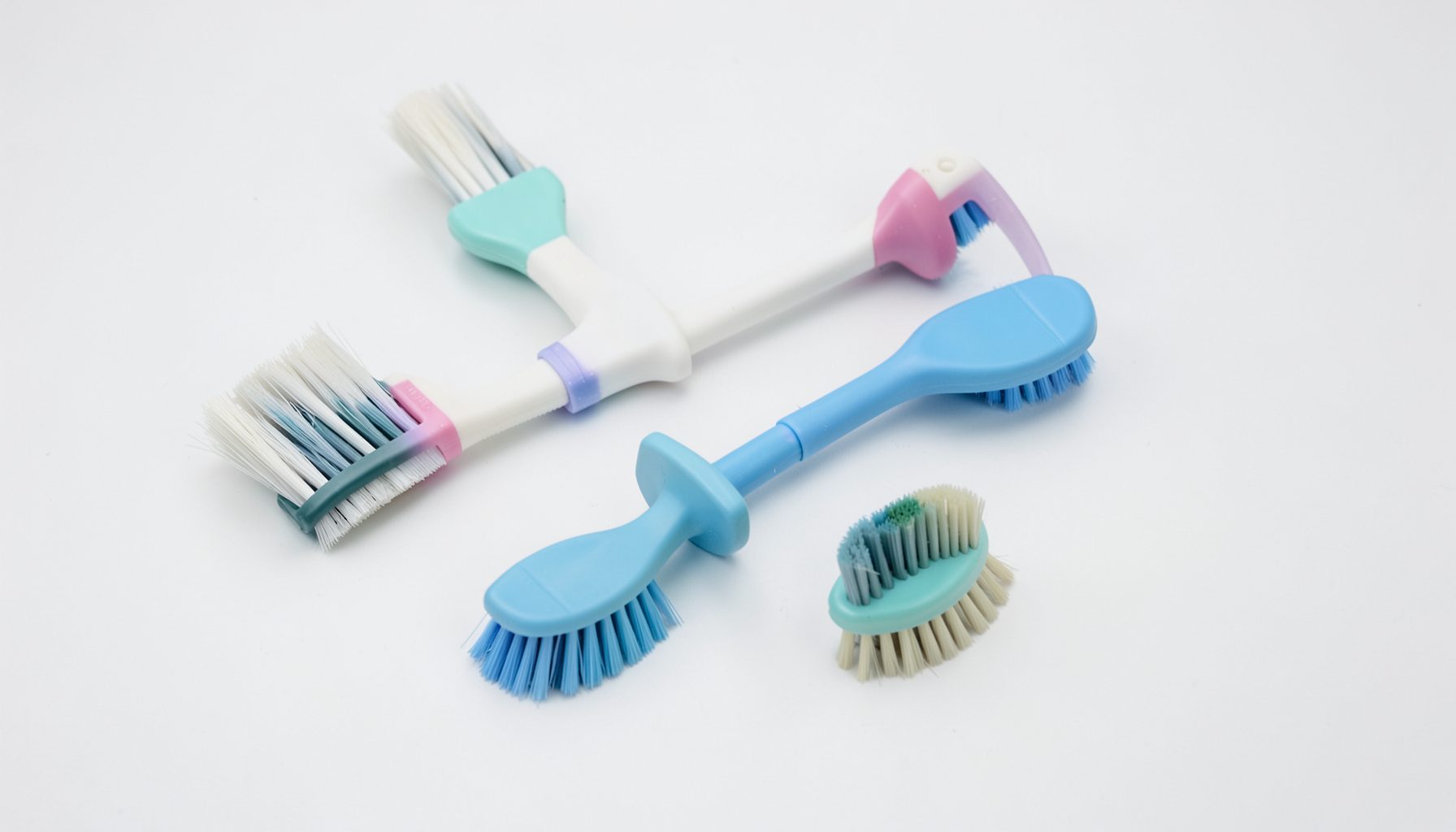
Switch nostrils and repeat. After use, rinse the bottle and let it air dry. Use ResQRinse Premium Cleaning Brushes for thorough cleaning.
Nasal Irrigation for Dust Mite Allergies in the Bedroom
Dust mite allergies can become especially disruptive at night, when hours spent in bed expose you to allergen particles trapped in pillows, mattresses, doonas and carpet. Symptoms may include a blocked or runny nose, sneezing, post-nasal drip, itchy eyes and mouth breathing. For people in Australia, bedroom conditions can vary considerably: humid Brisbane homes may support dust mite activity, while dry winter air in Melbourne or Adelaide can make nasal passages feel irritated and congested.
A saline nasal rinse can help wash away mucus and airborne irritants after time spent in a bedroom. It is a supportive hygiene step rather than a cure for allergy, and it works best alongside dust mite control, sensible cleaning and advice from a healthcare professional when symptoms are persistent. Used correctly, nasal irrigation may make it easier to settle at bedtime and breathe more comfortably overnight.
Why Dust Mites Cause Bedroom Congestion
Dust mites are microscopic organisms that commonly live in bedding, upholstered furniture and carpets. Their waste particles can become airborne when sheets are changed, a bed is made, or a room is vacuumed. Breathing these particles may trigger an immune response in sensitive people, causing swelling inside the nasal passages and increased mucus production.
The bedroom can be a particularly difficult environment because exposure lasts for several continuous hours. A person may feel reasonably well during the day, then develop a blocked nose soon after lying down. Warm bedding, body heat and limited ventilation can add to the problem. In coastal Queensland, naturally humid conditions may make mite management more demanding, while heated rooms during a cold Canberra or Melbourne night can leave the nose dry and uncomfortable.
A saline rinse does not remove mites from a mattress or prevent an allergic reaction from occurring. It can, however, flush mucus and some inhaled particles from the nasal passages. This may reduce the feeling of heaviness and help clear the nose before sleep.
How Saline Irrigation May Help
Nasal irrigation uses a salt-water solution to rinse the inside of the nose. The fluid travels through one nostril and out through the other, carrying loosened mucus, dust and other irritants with it. Isotonic saline is designed to be comfortable for regular use, while the flow can help moisturise tissues that feel dry after heating, air conditioning or repeated nose blowing.
For dust mite allergy symptoms, timing is often useful. A rinse after bedroom cleaning can remove particles stirred up during the task. Another rinse before bed may clear allergens collected during the day and reduce the amount of mucus sitting in the nose overnight. People who experience sinus pressure or congestion may also find a pre-sleep routine useful; this bedtime sinus rinse guide explains how to approach an evening rinse.
Relief varies between individuals. Nasal irrigation may support easier breathing, but it should not replace prescribed allergy treatment, asthma management or medical assessment. Seek professional advice for recurring facial pain, fever, nosebleeds, one-sided blockage or symptoms that continue despite careful self-care.
Use Safe Water And Clean Equipment
Water safety is essential. Use distilled or sterile water, or tap water that has been boiled and allowed to cool according to health guidance. Do not use untreated tap water directly in a nasal irrigation bottle, even if the water looks clean. Prepare the saline solution as directed on the packet, because an overly salty or weak mixture can sting and irritate the nasal lining.
Wash your hands before preparing a rinse and follow the instructions for filling the device. Lean over a basin, breathe through your mouth and use gentle pressure. Forcing the bottle or squeezing too hard can cause discomfort, ear pressure or fluid entering the throat. Stop if you develop sharp pain, significant bleeding or worsening ear symptoms.
After use, empty the bottle, rinse its parts with safe water and allow them to air-dry completely. A cleaning brush can help reach internal areas where residue may collect. Replace components as recommended by the manufacturer. A clean device is especially important when it is used frequently during allergy season or shared within a family; each person should have their own nasal irrigation equipment.
Build A Bedroom Allergy Routine
Nasal irrigation works best as one part of a broader bedroom plan. Wash sheets and pillowcases regularly in hot water when the fabric allows, use dust mite covers on mattresses and pillows, and reduce clutter that collects dust. Vacuum carpets and upholstered surfaces with suitable filtration, and consider damp dusting rather than using a dry cloth that sends particles into the air.
Try to clean the bedroom earlier in the day instead of immediately before sleep. Ventilate when outdoor conditions permit, and pay attention to indoor humidity. A dehumidifier may be useful in a damp room, while excessive heating or air conditioning can dry the nasal passages. In Australia, the best routine may differ between a humid summer in Brisbane, a cool winter in Hobart and a dry inland climate near Perth.
If cleaning triggers sneezing or congestion, wear a well-fitting mask and ask someone else to change bedding where practical. Wash hands and face after handling dusty items. A saline rinse after the task can remove some of the material inhaled during cleaning, though it should be performed with clean equipment and safe water.
Choose A Comfortable System
A squeeze-bottle system gives the user control over the flow and can be easier to use than a traditional neti pot for people who want a more direct rinse. ResQRinse products are designed around Nasal Lock technology, which aims to create a comfortable seal while the solution moves through the nasal passages. The right choice still depends on nasal sensitivity, hand strength, age and personal preference.
Families should take extra care with children. A child may resist the sensation or struggle to coordinate breathing and posture during a first attempt. Explain the process calmly, demonstrate with an adult first and never force a rinse. This guide to calming a toddler offers practical ideas for making an unfamiliar routine feel less intimidating.
Adults who prefer a lighter option during the day may consider a saline mist, while a larger rinse system can be more useful for substantial congestion or post-cleaning symptoms. Children’s versions, saline packets and cleaning accessories can help families keep the routine consistent. Australian customers should check product availability, delivery costs and instructions through the relevant online marketplace, including Amazon or Walmart listings where offered.
Practical Steps For Better Night-Time Relief
Start with a small, manageable routine rather than rinsing repeatedly whenever the nose feels blocked. Use the product exactly as directed and monitor how your body responds. The following habits can support safer and more comfortable use:
- Rinse after dusting, vacuuming or changing bedding if those tasks trigger symptoms.
- Use sterile, distilled or properly boiled and cooled water every time.
- Keep saline packets dry and mix each solution according to the label.
- Air-dry the bottle and inspect it regularly for residue, damage or wear.
- Ask a pharmacist or GP for advice if congestion, sinus pain or nosebleeds persist.
Keep the rinse device in a clean, dry location away from bathroom splash and shared towels. If several family members use nasal irrigation, label equipment clearly and avoid sharing bottles or nozzles. A simple evening sequence—wash, rinse, clean the device and settle into bed—can make allergy care easier to maintain.
Pair Irrigation With Dust Mite Control
No nasal rinse can compensate for a heavily contaminated sleeping environment. Focus on reducing the allergen load in the places where you spend the most time: the mattress, pillow, bedding and bedroom floor. Encase mattresses and pillows, wash bedding as recommended, and follow laundering instructions so that covers remain effective rather than damaged by unsuitable heat or detergents.
Medical advice is worthwhile when bedroom symptoms affect sleep, work, exercise or breathing. A GP or pharmacist can help distinguish dust mite allergy from infection, non-allergic rhinitis, asthma or other causes of congestion. They may recommend antihistamines, a corticosteroid nasal spray, allergy testing or an environmental plan suited to your symptoms.
For product information, saline options and complete nasal rinse kits, visit ResQRinse nasal rinses. Use the system consistently, safely and gently as part of a bedroom routine that addresses both the irritated nose and the allergens around it.