ResQRinse is the nasal irrigation squeeze bottle that eliminates head-tilting and awkward neck positions. Using proprietary Nasal Lock™ technology, it delivers a comfortable, gag-free sinus cleanse — no more saline dripping down your throat.

Relief From Fall Sneezes
Now sold on Walmart.com. Free shipping on orders $30+. Try ResQRinse today with your everyday purchases.
Shop at WalmartWhy ResQRinse?
Nasal rinsing helps relieve congestion from colds, allergies, sinusitis, hay fever, and environmental pollutants. ResQRinse makes it comfortable enough to become a daily habit.
Nasal Lock™ Technology
Isolates sinuses from the throat using natural choanal occlusion — like inflating a balloon — so saline stays where it belongs.
Learn more →
Drug-Free Relief
Uses premixed saline packets with distilled water. No medications, no preservatives — just a natural cleanse for your nasal passages.
How to rinse →
For Kids Too
ResQRinse for Kids features a comfort nasal tip right-sized for smaller nostril openings, making rinsing gentle and easy for children.
Shop kids' version →
Breath-Controlled Flow
You control the saline flow with your own breath pressure — high volume, low pressure irrigation that's comfortable and effective.
Watch how-to videos →
Better Compliance
Designed to overcome the gagging and discomfort that cause people to abandon traditional neti pots and nasal rinse systems.
Our story →
Complete Kits Available
From the basic ResQRinse Nasal Rinse System ($19.99) to 90-day complete kits, saline packets, cleaning brushes, and Sinoptim Nasal Mist.
Browse all products →Get Started with ResQRinse
Ready to experience a better nasal rinse? Fill out the form below and we'll help you find the right product — or follow the simple steps to begin rinsing today.
Request More Information
How to Use ResQRinse
Fill the Bottle
Fill the ResQRinse squeeze bottle with distilled or previously boiled water and add one premixed saline packet.
Position the Tip
Place the comfort tip gently against one nostril. No head-tilting or awkward neck angles needed.
Squeeze & Breathe
Squeeze the bottle gently while breathing through your mouth. Nasal Lock™ keeps saline in your nasal passages and out of your throat.
Repeat & Clean
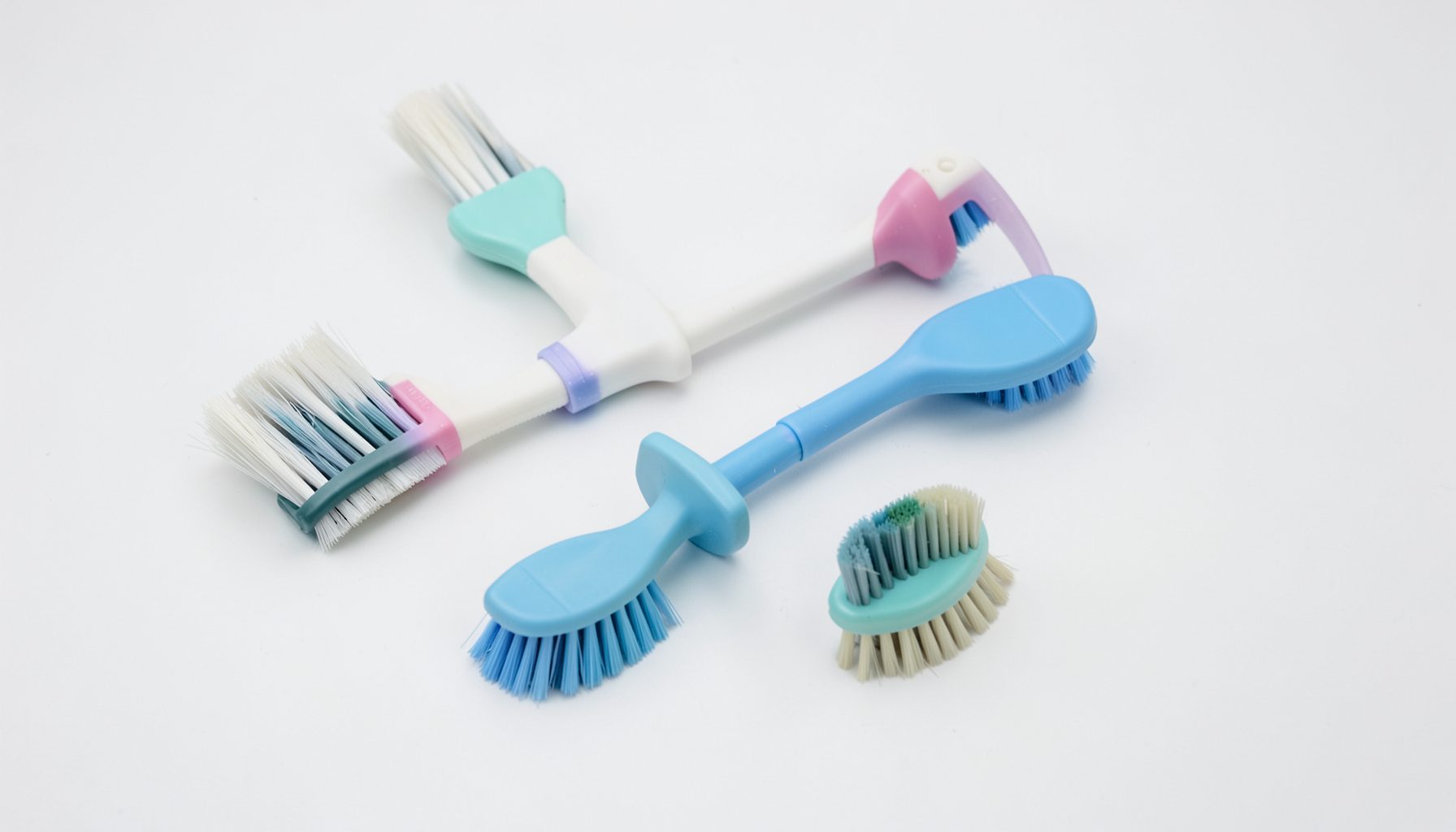
Switch nostrils and repeat. After use, rinse the bottle and let it air dry. Use ResQRinse Premium Cleaning Brushes for thorough cleaning.
Nasal Irrigation for Pet Dander Allergies at Home
Living with a cat or dog can be deeply rewarding, but pet dander may make the home feel like an allergy trigger. Tiny flakes of skin, along with proteins found in saliva and urine, can settle into carpets, bedding, lounges and clothing. When these particles become airborne, they may cause a blocked or runny nose, sneezing, itchy eyes, post-nasal drip and sinus pressure.
A saline nasal rinse can help wash away mucus and some airborne allergens that remain inside the nasal passages. It does not remove dander from the house or cure an animal allergy, but it may provide comfortable support after cleaning, playing with a pet or spending time in a room where the animal rests. Many people use nasal irrigation as part of a wider allergy management routine.
Australian homes can present their own mix of triggers. A dry Adelaide afternoon, a dusty Perth renovation, pollen blowing through a Melbourne spring or smoke drifting across a regional town can irritate the nose alongside pet allergens. A gentle rinse may be useful after exposure, provided it is prepared correctly and used with clean equipment.
How Pet Dander Affects the Nose
Pet dander is light enough to circulate through indoor air and cling to fabric. A dog that sleeps on the bed, a cat that lounges on the sofa or a pet that travels in the car can spread allergen particles well beyond its usual sleeping area. Dander may remain in a home for weeks because it collects in upholstery, curtains, rugs and air-conditioning filters.
When an allergic person breathes in these particles, the immune system can release chemicals that cause swelling and extra mucus. This can make the nasal passages feel narrow and congested. Blowing the nose repeatedly may offer only brief relief, especially when mucus becomes thick or allergens continue to enter the air.
A saline rinse works by gently flushing the nasal passages with a salt-water solution. It can loosen mucus and help clear irritants from the surface of the nose. A squeeze-bottle system such as those available from ResQRinse may offer a controlled flow that feels easier to manage than leaning over a traditional neti pot.
Nasal irrigation is a supportive measure rather than a replacement for medical care. People with asthma, recurring sinus infections, severe nasal blockage or symptoms that affect sleep should discuss their options with a GP, pharmacist or allergy specialist.
Using A Rinse Safely In An Australian Home
Water safety is essential. Use sterile or distilled water, or tap water that has been boiled and allowed to cool according to public health guidance. Do not use untreated tap water directly in a nasal irrigation bottle. The water should feel comfortably lukewarm, never hot, and the saline mixture should follow the instructions supplied with the product.
Wash your hands before preparing the rinse. After use, empty the bottle, rinse it with safe water and allow every part to air-dry fully. A cleaning brush can help reach the inside of a squeeze bottle, while replacing the device or its components at the recommended interval helps maintain good hygiene.
A blocked nose can make irrigation uncomfortable, so use light pressure rather than forcing the solution. Lean over a sink, breathe through your mouth and stop if you experience sharp pain, significant ear pressure, nosebleeding or worsening symptoms. Rinsing once daily during a flare may be enough for some people, while others may use it after a known exposure.
Australian households should also consider local water and weather conditions. During a heatwave, equipment may dry quickly but should still be washed properly. In areas affected by bushfire smoke or heavy dust, a rinse may remove some particles from the nose, but it cannot protect the lungs; follow local smoke advisories and use appropriate indoor air filtration.
Making The Whole Home Less Irritating
Nasal irrigation works best when paired with steps that reduce the amount of dander indoors. Keep pets out of the bedroom if possible, wash their bedding regularly and use washable throws on favourite furniture. Vacuuming with a sealed or HEPA-filtered machine can reduce settled particles, although cleaning may temporarily disturb allergens.
Ask someone without the allergy to brush the pet outdoors, particularly on a dry, windy day. If that is not practical, wear a mask while grooming and change clothes afterwards. Washing hands after touching the animal can limit the transfer of allergens to the face, pillowcase and phone.
In Australian rental properties, permanent changes may not be possible. Portable air cleaners, washable mattress covers and regular laundering can still make a difference. In a smaller flat in Sydney or Brisbane, keeping the pet’s bed away from the main living and sleeping zones may be more realistic than trying to create a completely pet-free room.
Home organisation also matters because dander settles where dust accumulates. Some households find broader home care ideas useful when arranging storage, soft furnishings and cleaning zones. The aim is to make allergen control practical rather than turning everyday life into a constant cleaning project.
A Practical Routine For Allergy Relief
A consistent routine is easier to maintain than occasional deep cleaning. You might rinse after vacuuming, after a long cuddle with a pet or before bed when congestion tends to feel worse. Give the saline time to drain, then gently blow your nose without excessive force.
Keep the bottle in a clean, dry location rather than beside the toilet or in a damp shower area. A child should use a children’s system only with appropriate adult supervision, and no nasal rinse should be shared between family members. If a child resists the sensation, a slower approach and calm explanation may help, but stop if they become distressed.
Useful supplies to keep ready:
- Saline packets made for nasal irrigation
- Sterile, distilled or correctly treated water
- A clean squeeze bottle and drying area
- Tissues and a washable towel
Helpful habits around pets:
- Keep animals away from pillows and the main bed
- Wash pet bedding and soft throws regularly
- Groom pets outdoors or in a well-ventilated area
- Clean air-conditioner and purifier filters as directed
For people recovering from dental treatment, the approach may need extra care. Nasal pressure can be uncomfortable after some procedures, particularly those involving the upper jaw or sinuses, so follow the treating dentist’s instructions. ResQRinse provides guidance on nasal rinsing after dental work, but personalised advice from the clinician who performed the procedure should take priority.
Choosing A Comfortable System
A squeeze-bottle rinse system gives the user control over the speed and pressure of the saline flow. This can be helpful when nasal passages are irritated by pet allergens, pollen or dry indoor air. Some people prefer this design because it is compact, easy to store and less awkward to position than a rigid neti pot.
Look for a complete kit that includes the bottle, suitable saline sachets and clear cleaning instructions. Nasal mist can be convenient for quick moisture during the day, although it generally does not provide the same flushing action as a full rinse. Families may also prefer a child-sized option when introducing nasal care to younger users.
A rinse should feel soothing, not like a test of endurance. If the mixture stings, check that the saline amount and water temperature are correct. Plain water can irritate the nasal lining, while overly concentrated saline may also feel uncomfortable. Follow the product directions rather than improvising the proportions.
Seek medical advice if congestion lasts for several weeks, symptoms include fever or facial swelling, or you notice wheezing, breathing difficulty or repeated sinus infections. An allergist may discuss testing, antihistamines, nasal corticosteroid sprays, immunotherapy or strategies for reducing exposure. A pharmacist in a local chemist can also advise on suitable over-the-counter options, especially if you take other medicines.
A clean nasal rinse can become a useful part of life with a pet, whether you are dealing with seasonal hay fever in Canberra, indoor air-conditioning in Queensland or dust in a country home. Pair correct irrigation with sensible cleaning, pet-free sleep areas and professional advice when symptoms persist. Explore the ResQRinse range through its online retail options, including Amazon or Walmart where available, and choose a comfortable system for regular home use.