ResQRinse is the nasal irrigation squeeze bottle that eliminates head-tilting and awkward neck positions. Using proprietary Nasal Lock™ technology, it delivers a comfortable, gag-free sinus cleanse — no more saline dripping down your throat.

Relief From Fall Sneezes
Now sold on Walmart.com. Free shipping on orders $30+. Try ResQRinse today with your everyday purchases.
Shop at WalmartWhy ResQRinse?
Nasal rinsing helps relieve congestion from colds, allergies, sinusitis, hay fever, and environmental pollutants. ResQRinse makes it comfortable enough to become a daily habit.
Nasal Lock™ Technology
Isolates sinuses from the throat using natural choanal occlusion — like inflating a balloon — so saline stays where it belongs.
Learn more →
Drug-Free Relief
Uses premixed saline packets with distilled water. No medications, no preservatives — just a natural cleanse for your nasal passages.
How to rinse →
For Kids Too
ResQRinse for Kids features a comfort nasal tip right-sized for smaller nostril openings, making rinsing gentle and easy for children.
Shop kids' version →
Breath-Controlled Flow
You control the saline flow with your own breath pressure — high volume, low pressure irrigation that's comfortable and effective.
Watch how-to videos →
Better Compliance
Designed to overcome the gagging and discomfort that cause people to abandon traditional neti pots and nasal rinse systems.
Our story →
Complete Kits Available
From the basic ResQRinse Nasal Rinse System ($19.99) to 90-day complete kits, saline packets, cleaning brushes, and Sinoptim Nasal Mist.
Browse all products →Get Started with ResQRinse
Ready to experience a better nasal rinse? Fill out the form below and we'll help you find the right product — or follow the simple steps to begin rinsing today.
Request More Information
How to Use ResQRinse
Fill the Bottle
Fill the ResQRinse squeeze bottle with distilled or previously boiled water and add one premixed saline packet.
Position the Tip
Place the comfort tip gently against one nostril. No head-tilting or awkward neck angles needed.
Squeeze & Breathe
Squeeze the bottle gently while breathing through your mouth. Nasal Lock™ keeps saline in your nasal passages and out of your throat.
Repeat & Clean
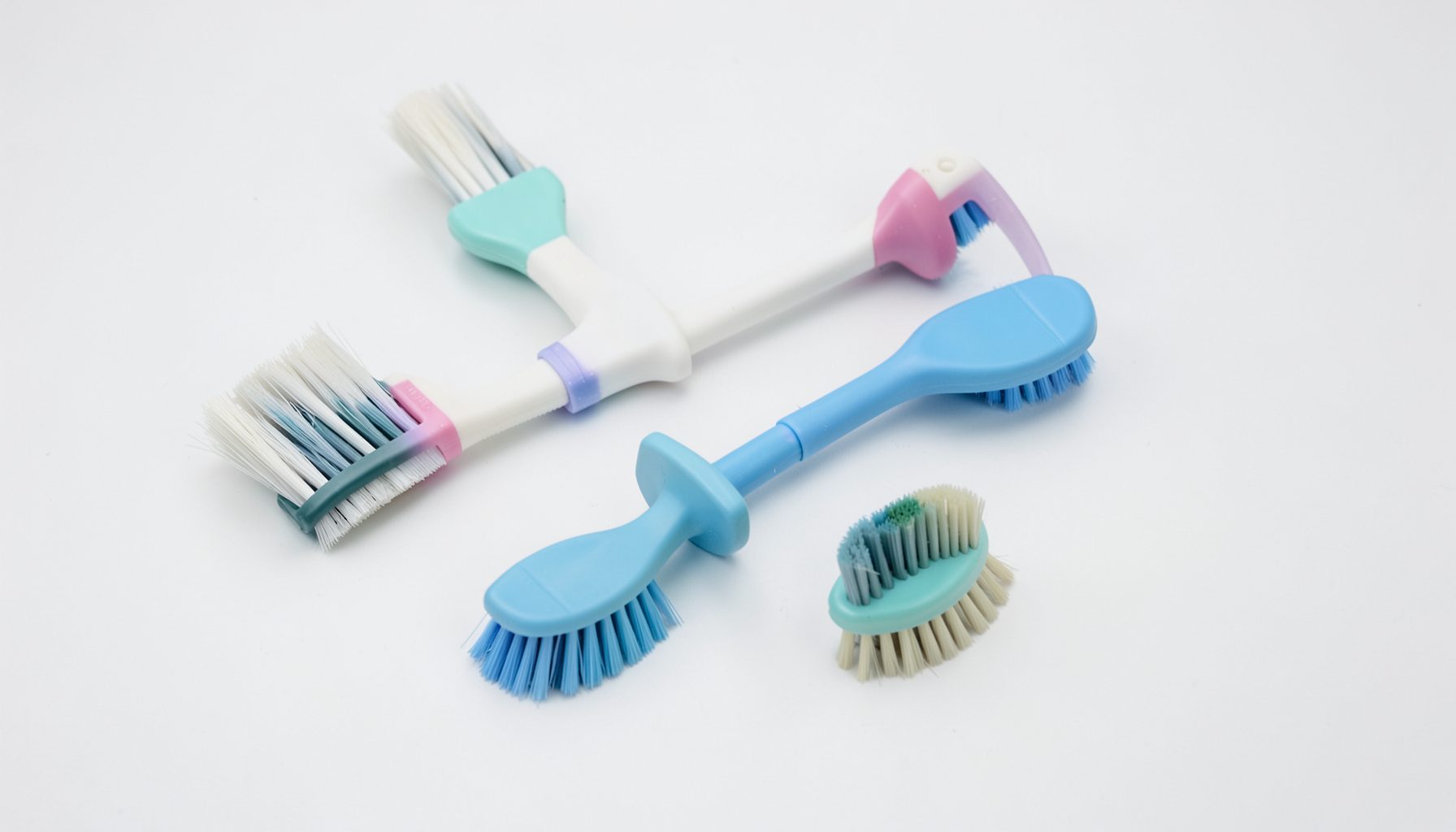
Switch nostrils and repeat. After use, rinse the bottle and let it air dry. Use ResQRinse Premium Cleaning Brushes for thorough cleaning.
Breathe Easier Down There: Nasal Irrigation for Basement Workers
Working in a damp basement is no walk in the park, especially across Australia's older housing stock and commercial buildings. From inner-Sydney terraces with sandstone foundations to subterranean storage spaces in Brisbane warehouses, many workers spend hours breathing air that carries mould spores, dust mite debris, and other airborne particles. Plumbers, archivists, antique restorers, museum curators, and tradies renovating Federation homes often share the same complaint: blocked sinuses, itchy eyes, and that lingering foggy feeling by the end of the arvo.
For folks dealing with chronic exposure to damp environments, nasal irrigation has become a frontline tool for clearing congestion before it settles into something nastier. A simple saline rinse flushes out allergens, pollutants, and inflammatory residue that accumulate throughout a workday. Done right, it can mean the difference between finishing a job with a clear head and dragging yourself home with a splitting sinus headache.
This guide covers the why and how of nasal irrigation for anyone regularly working in damp, poorly ventilated spaces. We'll look at the Australian context, the science behind saline rinsing, the kit that suits tradies and hobbyists alike, and how to build a routine that actually sticks in a busy week.
Australia's Damp Basement Reality
Australia throws up some unique mould challenges thanks to its varied climate zones. The tropical humidity of Darwin and far north Queensland creates persistent moisture problems in lower-level rooms, even in newer buildings. Hobart and Melbourne's older inner suburbs — think Carlton, Fitzroy, and the sandstone terraces of Marrickville — are full of century-old homes with foundations that weep moisture during the cooler months. Even Adelaide's heritage buildings can harbour hidden mould in poorly ventilated cellars.
Tradies who renovate these properties, as well as archivists, librarians, and restorers working with old paper and timber, regularly inhale high concentrations of mould spores. WHS guidelines published by Safe Work Australia identify biological hazards like mould as a priority risk in older buildings, especially during remediation work. Many small operators, however, still rely on basic personal protective equipment rather than properly fitted respiratory gear, leaving the upper airways exposed to allergens like Aspergillus and Penicillium.
For shift workers clocking long hours in these environments — say, a Brisbane brewery worker in a cellar or a heritage plasterer on a Balmain reno — the cumulative exposure adds up. The team at Chemist Warehouse often recommends saline irrigation alongside antihistamines for patients who come in complaining of persistent sinus issues that just won't quit through the cooler half of the year.
How Saline Rinses Protect the Upper Airways
The science behind nasal irrigation is fairly straightforward, which is part of why it has stuck around as a remedy for centuries. An isotonic saline solution passes through the nasal cavity and sinuses, thinning out thickened mucus and physically washing away trapped particles. Research into chronic rhinosinusitis management approaches has consistently shown that regular rinsing lowers the bacterial load in the sinuses and reduces the inflammatory markers that drive congestion.
For workers in damp basements, the benefit comes down to consistent clearance rather than one-off relief. Mould spores, dust mite debris, and volatile compounds released by wet timber and old plaster all settle on the nasal mucosa. Left in place, these irritants trigger local inflammation, and over time that swelling can predispose workers to recurring sinusitis, frequent nosebleeds, and even asthma-like symptoms. A good rinse clears the field, so to speak, before the day's exposure builds into something worse.
There's also a comfort angle. Many Aussies working in cool, damp cellars report a raw, sore feeling inside the nostrils after long shifts, especially during a Hobart winter when the air feels like it's cutting through you. Saline soothes the mucosa, restores moisture to dried-out passages, and leaves workers feeling fresher before they head home on the train or jump on the Pacific Highway for a long drive up the coast.
Choosing the Right Irrigation System for the Job
Not all nasal rinse kits are built the same, and tradies or hobbyists working in tough conditions need something that can handle regular use. Traditional neti pots require awkward head-tilting and can spill easily, which is why most Australians now opt for a squeeze-bottle system. These give controlled pressure, are easier to clean, and pack neatly into a work bag alongside other essentials from a typical Bunnings haul.
For families or shared workplaces, choosing the right kit matters. The ResQRinse product range covers everything from squeeze bottles and kids' versions with softer tips to single-use saline packets for travel days and cleaning brushes that keep the bottle hygienic between uses. The brand's Nasal Lock technology is designed to seal gently against the nostril, which means less leakage when you're rinsing over a laundry tub or a workplace basin that hasn't been cleaned in weeks.
Price-wise, nasal irrigation gear falls comfortably within chemist-pharmacy budgets, with starter kits generally sitting below what you'd pay for a decent pair of work boots. Most Australian suppliers list bundle deals that make sense for small businesses outfitting multiple workers, and online ordering means gear arrives within a few days whether you're based in Perth or Cairns.
Establishing a Daily Rinse Routine
Consistency matters more than technique when it comes to nasal care. Workers who rinse at the same time each day — whether that's first thing in the morning before they chuck on their work boots, or straight after a shift before hopping in the ute — tend to see better results than those who rinse sporadically. The post-shift rinse is particularly effective, flushing out whatever the workday deposited before it has a chance to settle into the sinus tissue.
The mechanics are simple. Mix the saline packet with the right volume of water (boiled and cooled, or filtered, especially if you're working in a building with questionable plumbing), lean over a basin, and squeeze gently through each nostril. Most Aussie tradies pick this up within a few attempts, though some prefer to watch a quick demo the first time. The whole process takes under five minutes, which fits easily into a standard smoko or the time it takes to boil the kettle after knocking off.
A few practical tips from workers in the know: rinse before bed rather than immediately after if you've been wearing a mask for hours, because the mask material can leave fibres near the nostrils. Keep a dedicated rinse bottle at work and another at home so you never forget. And if your workplace has a kettle and microwave, you can warm the water slightly to make the rinse more comfortable in a chilly basement.
Beyond Rinsing: Whole-Workplace Mould Management
Nasal irrigation treats the symptom rather than the cause, so it works best alongside broader mould-management strategies at the worksite itself. Dehumidifiers, proper ventilation, and HEPA filtration all play a role in reducing the load workers breathe each shift. Properly fitted P2/N95 masks should be standard for any worker entering a known mouldy area, whether that's a flooded basement in Lismore or a leaking cellar in a Surry Hills pub renovation.
For workers looking after their broader wellbeing between shifts, diet, sleep, and general resilience matter too. Some Aussies swear by herbal support alongside their saline routine, exploring resources like this black walnut guide as part of their broader wellness practice. It's not a substitute for proper mould remediation, but it's another tool in the kit for those who want to support their body's natural defences.
Workplace culture matters too. Fair dinkum, taking proper breaks rather than pushing through exposure is part of staying healthy in the long run. Some tradies use their downtime to check out roulette cashback offers — a small reward that helps them switch off after a long shift in less-than-ideal conditions. Pairing rest with proper hygiene keeps the whole system running more smoothly.
If you're spending your days in damp, mouldy basements and finding your sinuses paying the price, a proper nasal rinse routine can make a real difference. Browse the full ResQRinse line and start rinsing comfortably. Head to the official ResQRinse website to compare kits, read up on the Nasal Lock technology, and find a stockist that delivers to your area. The brand's squeeze-bottle systems are designed specifically for comfortable, leak-free rinsing, whether you're a heritage renovator in Paddington, a cellar-hand at a Tasmanian distillery, or a librarian dealing with damp archives in a Brisbane sub-basement. Give your nose the same care you give the rest of your gear and you'll keep working comfortably for years to come.