ResQRinse is the nasal irrigation squeeze bottle that eliminates head-tilting and awkward neck positions. Using proprietary Nasal Lock™ technology, it delivers a comfortable, gag-free sinus cleanse — no more saline dripping down your throat.

Relief From Fall Sneezes
Now sold on Walmart.com. Free shipping on orders $30+. Try ResQRinse today with your everyday purchases.
Shop at WalmartWhy ResQRinse?
Nasal rinsing helps relieve congestion from colds, allergies, sinusitis, hay fever, and environmental pollutants. ResQRinse makes it comfortable enough to become a daily habit.
Nasal Lock™ Technology
Isolates sinuses from the throat using natural choanal occlusion — like inflating a balloon — so saline stays where it belongs.
Learn more →
Drug-Free Relief
Uses premixed saline packets with distilled water. No medications, no preservatives — just a natural cleanse for your nasal passages.
How to rinse →
For Kids Too
ResQRinse for Kids features a comfort nasal tip right-sized for smaller nostril openings, making rinsing gentle and easy for children.
Shop kids' version →
Breath-Controlled Flow
You control the saline flow with your own breath pressure — high volume, low pressure irrigation that's comfortable and effective.
Watch how-to videos →
Better Compliance
Designed to overcome the gagging and discomfort that cause people to abandon traditional neti pots and nasal rinse systems.
Our story →
Complete Kits Available
From the basic ResQRinse Nasal Rinse System ($19.99) to 90-day complete kits, saline packets, cleaning brushes, and Sinoptim Nasal Mist.
Browse all products →Get Started with ResQRinse
Ready to experience a better nasal rinse? Fill out the form below and we'll help you find the right product — or follow the simple steps to begin rinsing today.
Request More Information
How to Use ResQRinse
Fill the Bottle
Fill the ResQRinse squeeze bottle with distilled or previously boiled water and add one premixed saline packet.
Position the Tip
Place the comfort tip gently against one nostril. No head-tilting or awkward neck angles needed.
Squeeze & Breathe
Squeeze the bottle gently while breathing through your mouth. Nasal Lock™ keeps saline in your nasal passages and out of your throat.
Repeat & Clean
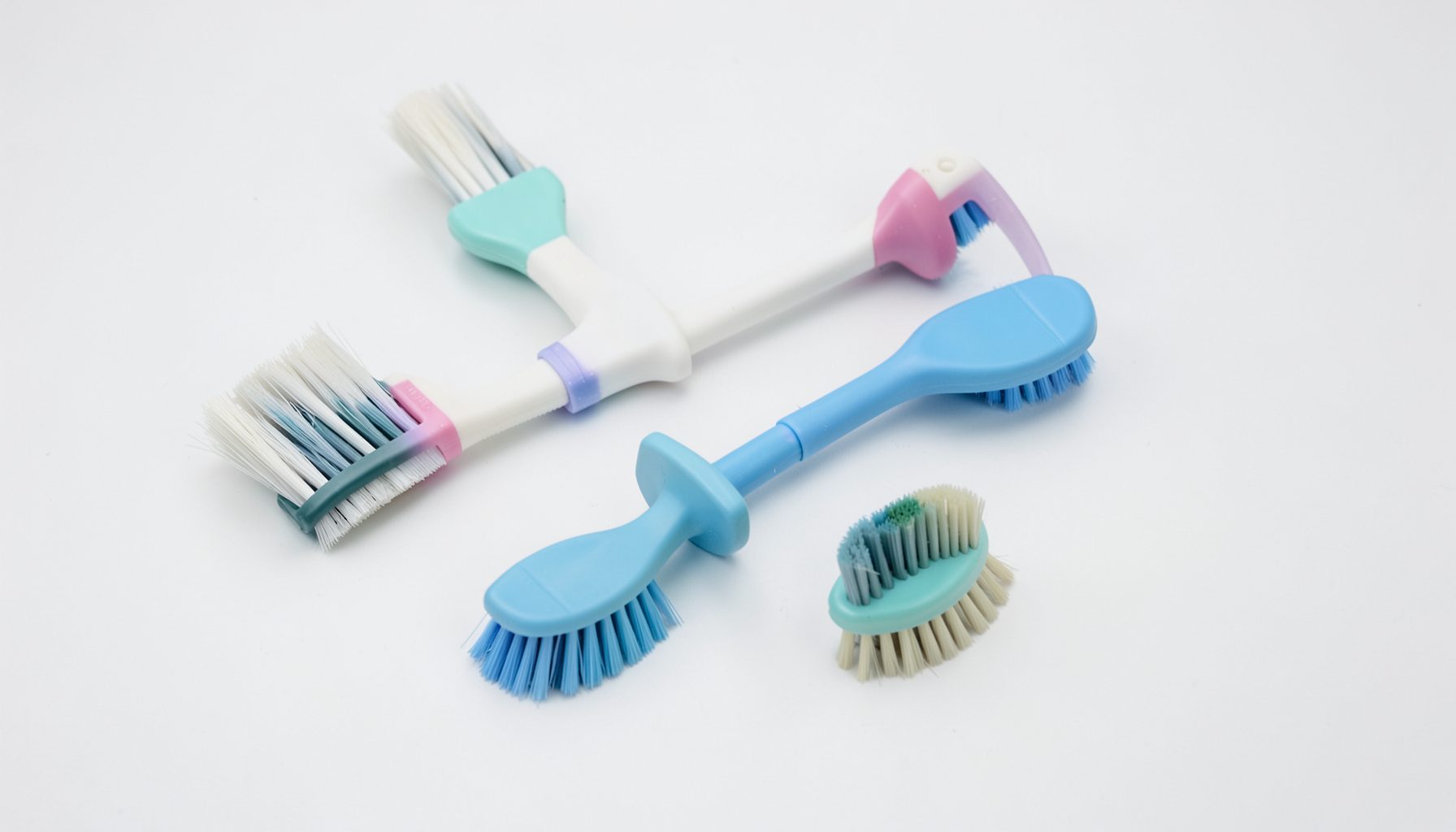
Switch nostrils and repeat. After use, rinse the bottle and let it air dry. Use ResQRinse Premium Cleaning Brushes for thorough cleaning.
A practical guide to nasal irrigation in air-conditioned offices
Spending all day under office air conditioning can leave your nose feeling dry, blocked or irritated. Cold, recirculated air reduces humidity, while dust, cleaning products, pollen and indoor particles may aggravate allergies or sinus symptoms. By the time you head home on a Sydney train or step into a chilly Melbourne evening, congestion can feel like part of the working day.
Nasal irrigation for people who work in air-conditioned offices all day can be a simple way to rinse away mucus and irritants. Used correctly, a saline rinse may help moisturise the nasal passages and support clearer breathing without relying on decongestant sprays every day. It is a practical option for Australians dealing with dry offices, seasonal hay fever or the lingering effects of a cold.
Why office air can bother your nose
Air conditioning cools indoor spaces by removing moisture from the air. In a sealed office, this can create a low-humidity environment that dries the delicate lining inside your nose. Your body may respond by producing thicker mucus, which can contribute to stuffiness, post-nasal drip or a scratchy throat.
Office irritants can add to the problem. Dust from carpet and vents, fragrance from cleaning products, and particles brought in on clothing may trigger symptoms in sensitive people. During a smoky bushfire period, outdoor air can also affect indoor air quality when doors open frequently or filtration is limited. A saline rinse can wash out some of these particles after work, though it cannot replace proper ventilation or medical care.
How saline rinsing may help
A nasal rinse uses a saline solution to flush mucus, allergens and other debris from the nasal passages. Saline is gentler than plain water because it is formulated to match the salt balance your nose tolerates. It can also add moisture when the lining feels tight or dry after hours beside an air-conditioning vent.
A squeeze-bottle system gives you control over the flow and pressure, which many people find easier than a traditional neti pot. ResQRinse products are designed for this type of routine, and you can learn about ResQRinse before choosing between a complete kit, saline sachets, nasal mist or a child-friendly version. Rinsing after work may be more comfortable than trying to manage congestion during a meeting or the afternoon commute.
Choosing a comfortable routine
Timing matters. Many office workers prefer to rinse after arriving home, when they can take a few minutes over the process without rushing. Others use a rinse in the morning before leaving for work, particularly during spring allergy season or when their nose feels blocked after sleeping in a heated or cooled room.
Start with the frequency recommended on the product instructions rather than assuming that more is better. Once daily use may be enough for occasional dryness or mild allergy symptoms, while some people use a rinse more regularly during a cold or high-pollen period. Reduce the frequency if your nose feels sore, and speak with a GP if congestion continues, becomes severe or is accompanied by fever, facial swelling or significant pain.
Getting the water and saline right
Water safety is essential. Use distilled or sterile water, or tap water that has been boiled and allowed to cool according to the product instructions. Do not fill a nasal rinse bottle directly from an Australian tap, even if the water is safe to drink. Drinking-water standards do not make untreated water suitable for nasal irrigation.
Use the correct saline packet or a properly measured solution. Homemade mixtures can contain too much or too little salt, creating burning or discomfort. Keep sachets dry and check their expiry dates before use. The same careful approach applies to other products in your bathroom cabinet; guidance on checking prescription expiry dates is a useful reminder that dated health products should not be treated as permanent.
Using the bottle without overdoing it
Wash your hands, prepare the solution and lean over a sink. Keep your mouth open and breathe through it while gently squeezing the bottle into one nostril, allowing the liquid to flow out through the other nostril or mouth. Do not force the rinse if your nose is completely sealed, and avoid squeezing hard enough to cause ear pressure.
Afterwards, blow your nose gently rather than forcefully. Rinse the bottle and allow all parts to air-dry fully. ResQRinse’s Nasal Lock technology is intended to help create a comfortable seal during use, which can make the process feel more controlled than balancing a neti pot. Even with a well-designed system, comfort should guide the pressure and duration.
Keeping the system hygienic
A damp bottle can become a place for unwanted microbial growth if it is closed while wet. Disassemble the rinse system after each use, wash it as directed and leave the components in a clean, well-ventilated area. A cleaning brush can help reach the inside of the bottle and narrow areas where residue may collect.
Do not share a nasal irrigation device, including with family members. Replace parts when they become cracked, cloudy or difficult to clean. If you keep the kit at work, store it in a clean container rather than leaving it beside the office sink, where it may be exposed to splashes and dust. A small travel pouch can make the routine easier for people who work between a CBD office, a suburban clinic or a regional site.
Supporting your nose during the workday
A rinse works best as part of a broader comfort routine. Drink water throughout the day, keep tissues available and avoid sitting directly beneath a strong vent if you can move desks. A small desktop humidifier may be suitable in some spaces, but check workplace policies and clean it carefully because poorly maintained humidifiers can spread contaminants.
A saline mist can be convenient when you need quick moisture without using a sink. It may suit a long flight, a hot-desk environment or an afternoon spent in a heavily cooled conference room, while a full irrigation rinse is better for clearing thicker mucus. If you are pregnant, ask your midwife, pharmacist or doctor about products and technique; this guidance on using nasal rinses in pregnancy can help you prepare for that conversation.
When congestion needs medical advice
Dryness and mild allergy symptoms often improve with simple measures, but ongoing nasal blockage can have several causes. Hay fever, chronic sinusitis, nasal polyps, a deviated septum, infection and medication side effects may all require different treatment. A rinse may ease symptoms without addressing the underlying issue.
Seek professional advice if you have repeated nosebleeds, intense facial pain, worsening symptoms, one-sided blockage, changes in smell or symptoms that last for weeks. An Australian pharmacist can advise on basic saline products, while a GP can assess persistent sinus problems and recommend a suitable treatment. Be cautious when buying health products online: unclear claims, missing ingredient information and unfamiliar medicine sellers are warning signs, so avoid unverified medicine sites when looking for nasal-care products or prescription guidance.
For many Australians, a clean saline rinse is a sensible addition to the work bag or bathroom shelf. Choose a system that feels easy to use, follow the water and cleaning instructions closely, and make it part of your routine when office air leaves your nose dry or congested. Explore the ResQRinse range, select the format that suits your day and use it carefully for fresher, more comfortable breathing after hours under the air conditioner.