ResQRinse is the nasal irrigation squeeze bottle that eliminates head-tilting and awkward neck positions. Using proprietary Nasal Lock™ technology, it delivers a comfortable, gag-free sinus cleanse — no more saline dripping down your throat.

Relief From Fall Sneezes
Now sold on Walmart.com. Free shipping on orders $30+. Try ResQRinse today with your everyday purchases.
Shop at WalmartWhy ResQRinse?
Nasal rinsing helps relieve congestion from colds, allergies, sinusitis, hay fever, and environmental pollutants. ResQRinse makes it comfortable enough to become a daily habit.
Nasal Lock™ Technology
Isolates sinuses from the throat using natural choanal occlusion — like inflating a balloon — so saline stays where it belongs.
Learn more →
Drug-Free Relief
Uses premixed saline packets with distilled water. No medications, no preservatives — just a natural cleanse for your nasal passages.
How to rinse →
For Kids Too
ResQRinse for Kids features a comfort nasal tip right-sized for smaller nostril openings, making rinsing gentle and easy for children.
Shop kids' version →
Breath-Controlled Flow
You control the saline flow with your own breath pressure — high volume, low pressure irrigation that's comfortable and effective.
Watch how-to videos →
Better Compliance
Designed to overcome the gagging and discomfort that cause people to abandon traditional neti pots and nasal rinse systems.
Our story →
Complete Kits Available
From the basic ResQRinse Nasal Rinse System ($19.99) to 90-day complete kits, saline packets, cleaning brushes, and Sinoptim Nasal Mist.
Browse all products →Get Started with ResQRinse
Ready to experience a better nasal rinse? Fill out the form below and we'll help you find the right product — or follow the simple steps to begin rinsing today.
Request More Information
How to Use ResQRinse
Fill the Bottle
Fill the ResQRinse squeeze bottle with distilled or previously boiled water and add one premixed saline packet.
Position the Tip
Place the comfort tip gently against one nostril. No head-tilting or awkward neck angles needed.
Squeeze & Breathe
Squeeze the bottle gently while breathing through your mouth. Nasal Lock™ keeps saline in your nasal passages and out of your throat.
Repeat & Clean
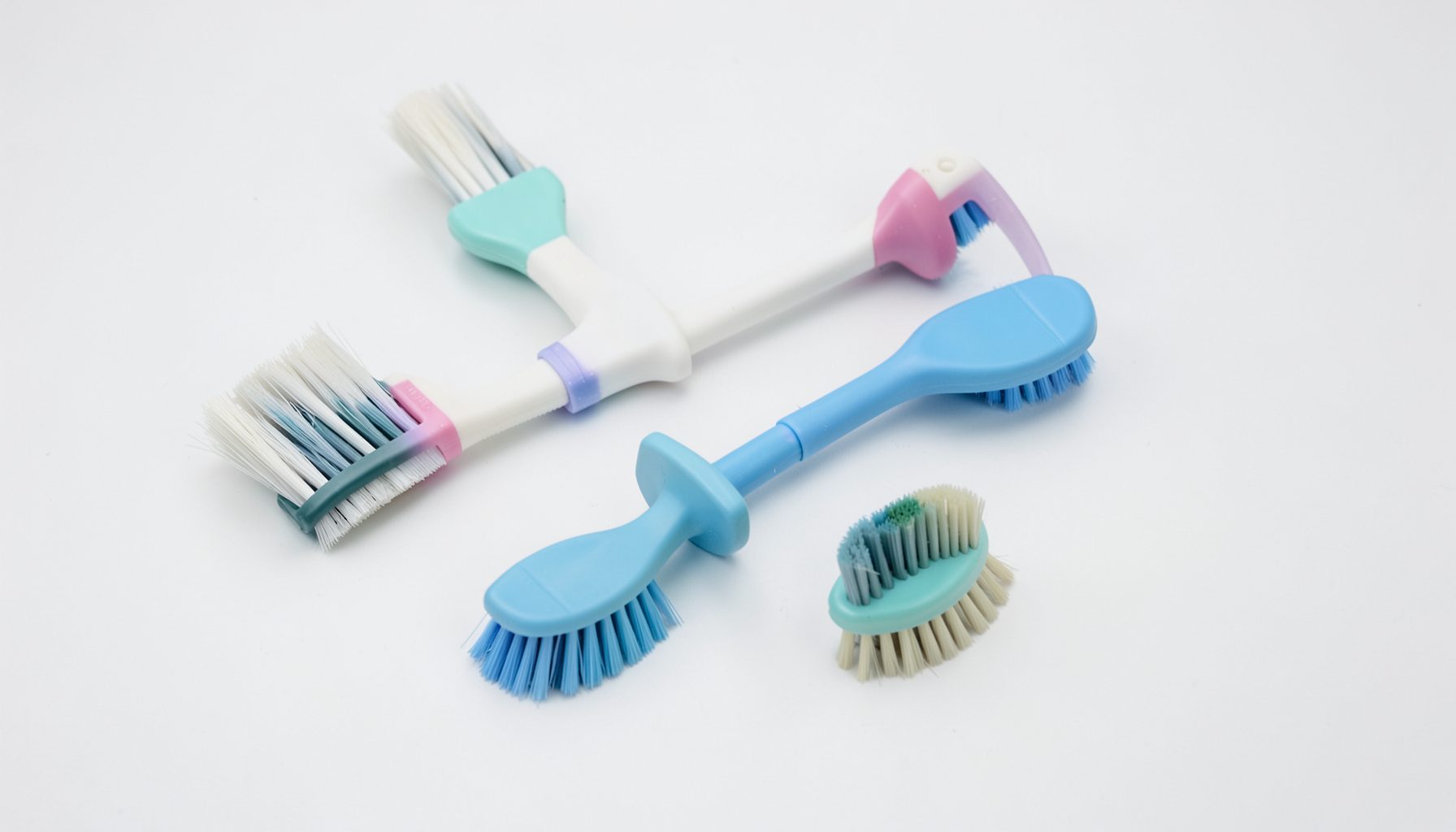
Switch nostrils and repeat. After use, rinse the bottle and let it air dry. Use ResQRinse Premium Cleaning Brushes for thorough cleaning.
Nasal Irrigation for Chronic Cough from Post-Nasal Drip
A persistent cough can begin higher up than the lungs. When mucus drains from the nose and sinuses into the throat, it may trigger frequent throat-clearing, an irritating cough, hoarseness, or the sensation of something stuck at the back of the throat. This is commonly called post-nasal drip, although clinicians may also describe it as upper airway cough syndrome.
Nasal irrigation helps wash away excess mucus, airborne particles and allergens from the nasal passages. By reducing the material that flows towards the throat, a saline rinse may ease one contributor to a chronic cough. It is not a cure for every cough, and ongoing symptoms deserve proper medical assessment.
For people in Australia, triggers can vary with the season and location. Grass pollen around Melbourne, plane tree pollen in Sydney, dust in inland areas, humidity in Brisbane and smoke from bushfires can all aggravate the nose. A rinse may be useful as part of a broader routine that includes trigger avoidance and advice from a GP or pharmacist.
Nasal Irrigation for People Who Have a Chronic Cough from Post-Nasal Drip should be approached gently and consistently. The aim is to moisturise and clear the nose without creating pressure, irritation or an expectation that every cough will disappear immediately.
How Post-Nasal Drip Can Trigger Coughing
The nose produces mucus to trap dust, pollen and other particles. Normally, this mucus moves backwards unnoticed and is swallowed. During a cold, allergic rhinitis, sinus inflammation or exposure to smoke, mucus can become thicker or more abundant. It may then collect in the throat and stimulate coughing.
Some people notice worse symptoms when lying down, waking in the morning or spending time outdoors during a high-pollen day. A blocked nose can also encourage mouth breathing, which dries the throat and may intensify the urge to cough. A saline rinse can help clear the nasal cavity before bed or after exposure to a known irritant.
Post-nasal drip is only one possible explanation for a chronic cough. Asthma, reflux, medication side effects, infection and lung conditions can cause similar symptoms. A cough lasting more than several weeks, or one accompanied by breathlessness, chest pain, coughing blood, fever, unexplained weight loss or marked fatigue, should be assessed promptly by a healthcare professional.
What Saline Irrigation May Do
A saline solution loosens and flushes out mucus while helping to keep the nasal lining moist. This can reduce congestion and the volume of secretions reaching the throat. It may be especially helpful when nasal symptoms are linked to seasonal allergies, a lingering cold or sinus irritation.
Rinsing does not work like a cough suppressant. Its benefit is indirect: it addresses nasal blockage and drainage that may be feeding the cough. Some people feel improvement after one use, while others need regular rinsing for several days during a flare-up. Stop if the process causes significant pain, bleeding, ear pressure or worsening symptoms.
A squeeze-bottle system can provide a controlled flow and may feel easier to manage than a traditional neti pot. ResQRinse explains its Nasal Lock technology, which is designed to support a comfortable seal and help direct saline through the nasal passages rather than over the face.
Preparing a Safe Rinse
Water safety is essential. Use distilled or sterile water, or tap water that has been boiled and allowed to cool according to health guidance. In Australia, this is particularly important when travelling, camping or staying somewhere with uncertain water quality. Do not use untreated water straight from a tap, rainwater tank or creek.
Use the recommended saline packet or a correctly measured mixture rather than plain water. A balanced saline solution is generally more comfortable and less likely to sting. Wash your hands before preparing the rinse, check that the bottle is intact and avoid sharing the device with another person.
Clean the bottle after every use and allow it to dry completely. Residual moisture can support microbial growth. Follow the manufacturer’s directions, and use this cleaning guide for practical advice on washing a nasal rinse squeeze bottle properly.
A Comfortable Technique
Lean over a sink and tilt your head slightly forward and to one side. Keep your mouth open and breathe through it. Place the nozzle gently against the nostril without forcing it, then squeeze steadily. The saline should flow through the nasal passage and out through the other nostril or mouth.
Use light pressure, especially if the nose is very blocked. Strong squeezing can create uncomfortable pressure around the ears or sinuses. If the solution does not pass through, pause rather than forcing it. Blowing the nose gently afterwards can remove remaining fluid and mucus.
The bathroom can be a practical place to rinse before a shower, after outdoor activities or before sleep. For Australians dealing with pollen in spring, smoke haze or dusty conditions, rinsing after returning indoors may help remove irritants before they remain in contact with the nasal lining overnight.
Building It Into Daily Care
Frequency depends on symptoms and personal tolerance. During a short-lived cold or allergy flare, some people use saline irrigation once or twice daily. Others prefer a rinse after gardening, house cleaning or time outdoors. Follow the product directions and seek clinical advice if you need frequent irrigation for a long period.
A rinse works best alongside other measures. Keep bedroom windows closed during severe pollen or smoke conditions, shower after outdoor exposure, wash bedding regularly and consider a suitable air filter. If reflux is suspected, a GP may recommend dietary or positioning changes. People with asthma should continue prescribed preventer or reliever medicines as directed.
A pharmacist in Adelaide, Perth or another Australian community can help distinguish a saline rinse from medicated nasal sprays and explain how they may fit into a treatment plan. Decongestant sprays, for example, should not be used longer than directed because overuse can worsen congestion.
Practical Benefits to Look For
The most useful changes may be gradual rather than dramatic. You might notice less throat-clearing, thinner mucus, easier nasal breathing or fewer coughing episodes after lying down. Keeping a brief symptom record can help show whether the routine is making a meaningful difference.
For households, a complete kit with saline packets and a suitable bottle may be simpler than measuring ingredients each time. Children need an age-appropriate product, calm supervision and instructions suited to their development. Never force a child to continue if they are frightened or uncomfortable.
Potential signs that the routine is helping include:
- Reduced mucus collecting in the throat
- Easier breathing through the nose
- Less coughing when waking or lying down
- Fewer allergy-related nasal symptoms
If the cough remains unchanged after nasal symptoms improve, post-nasal drip may not be the main cause. A GP can listen to the chest, review medicines and consider allergy, asthma, reflux or other explanations.
Choosing a System for Australian Homes
A squeeze bottle is portable and convenient for many adults, while a nasal mist may suit people who want light moisture without a full wash-through. Saline packets make preparation more consistent, particularly when travelling between Australian cities or keeping a kit at work. Cleaning brushes can help maintain the bottle and nozzle between uses.
Look for a system with clear instructions, an appropriately sized nozzle and components that are easy to wash and dry. ResQRinse provides product information covering its nasal irrigation options, usage guidance and related accessories. Products are available for online purchase through Walmart and Amazon, subject to retailer availability and delivery arrangements.
Before buying, consider who will use the system, how often it will be cleaned and whether replacement packets are easy to obtain. A product that is simple to prepare is more likely to become a consistent part of allergy or sinus care.
Safety Checks Before You Rinse
Most people tolerate saline irrigation well when it is prepared and used correctly. Mild temporary fullness or a small amount of fluid in the throat can occur. Persistent ear discomfort, facial pain, nosebleeds or irritation means the routine should be stopped and reviewed.
Do not share a nasal rinse bottle. Replace damaged or difficult-to-clean parts, and do not use an old solution that has been left standing. If you have recently had nasal surgery, severe blockage, recurrent ear problems or a condition affecting immunity, ask your clinician before starting.
Keep these essentials in mind:
- Use sterile, distilled or properly boiled and cooled water
- Prepare fresh saline as directed
- Rinse, clean and fully air-dry the device
- Use gentle pressure and stop if pain develops
A chronic cough should never be dismissed as post-nasal drip without considering other causes. Seek urgent care for breathing difficulty, blue lips, severe chest pain, confusion or coughing blood. For less urgent but persistent symptoms, arrange an appointment with an Australian GP.
Saline irrigation can be a practical way to clear mucus and reduce nasal irritation that contributes to coughing. Choose a comfortable system, follow safe water and cleaning practices, and use it as one part of a complete plan for allergies, sinus symptoms and throat irritation. Explore the suitable ResQRinse options through the available online retailers and speak with a healthcare professional if your cough continues.