ResQRinse is the nasal irrigation squeeze bottle that eliminates head-tilting and awkward neck positions. Using proprietary Nasal Lock™ technology, it delivers a comfortable, gag-free sinus cleanse — no more saline dripping down your throat.

Relief From Fall Sneezes
Now sold on Walmart.com. Free shipping on orders $30+. Try ResQRinse today with your everyday purchases.
Shop at WalmartWhy ResQRinse?
Nasal rinsing helps relieve congestion from colds, allergies, sinusitis, hay fever, and environmental pollutants. ResQRinse makes it comfortable enough to become a daily habit.
Nasal Lock™ Technology
Isolates sinuses from the throat using natural choanal occlusion — like inflating a balloon — so saline stays where it belongs.
Learn more →
Drug-Free Relief
Uses premixed saline packets with distilled water. No medications, no preservatives — just a natural cleanse for your nasal passages.
How to rinse →
For Kids Too
ResQRinse for Kids features a comfort nasal tip right-sized for smaller nostril openings, making rinsing gentle and easy for children.
Shop kids' version →
Breath-Controlled Flow
You control the saline flow with your own breath pressure — high volume, low pressure irrigation that's comfortable and effective.
Watch how-to videos →
Better Compliance
Designed to overcome the gagging and discomfort that cause people to abandon traditional neti pots and nasal rinse systems.
Our story →
Complete Kits Available
From the basic ResQRinse Nasal Rinse System ($19.99) to 90-day complete kits, saline packets, cleaning brushes, and Sinoptim Nasal Mist.
Browse all products →Get Started with ResQRinse
Ready to experience a better nasal rinse? Fill out the form below and we'll help you find the right product — or follow the simple steps to begin rinsing today.
Request More Information
How to Use ResQRinse
Fill the Bottle
Fill the ResQRinse squeeze bottle with distilled or previously boiled water and add one premixed saline packet.
Position the Tip
Place the comfort tip gently against one nostril. No head-tilting or awkward neck angles needed.
Squeeze & Breathe
Squeeze the bottle gently while breathing through your mouth. Nasal Lock™ keeps saline in your nasal passages and out of your throat.
Repeat & Clean
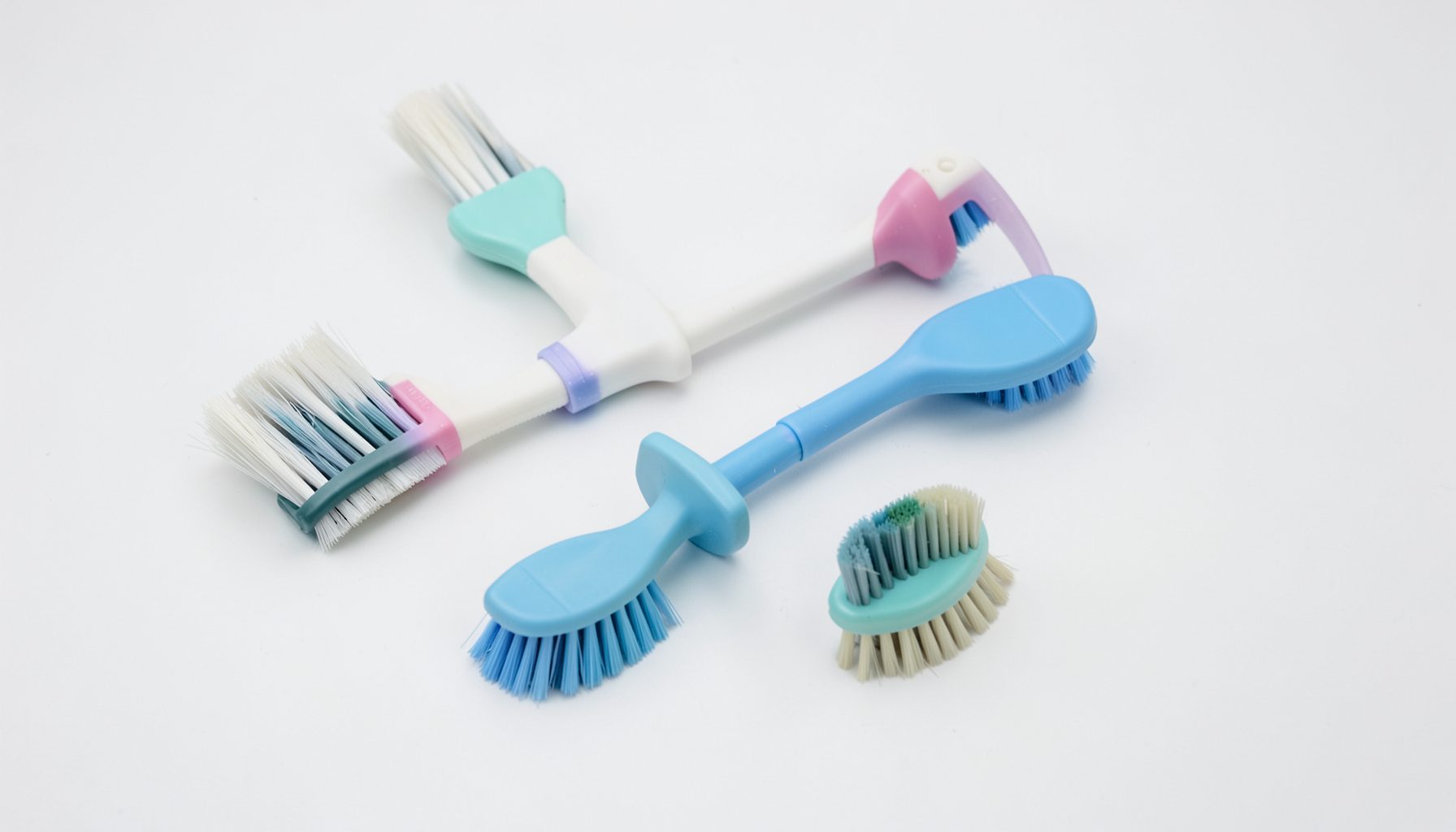
Switch nostrils and repeat. After use, rinse the bottle and let it air dry. Use ResQRinse Premium Cleaning Brushes for thorough cleaning.
Nasal irrigation for outdoor exercisers facing high pollen counts
Running along the Yarra River in spring, cycling through Brisbane's riverside bikeways, or training for a city-to-surf event on Sydney's coast all deliver the same unwelcome souvenir: a stream of pollen grains lodged in the nasal passages. For Australians who build their fitness around the outdoors, the September-to-December grass pollen season turns what should be energising activity into a struggle with congestion, sneezing and itchy eyes. Ryegrass pollen in particular sweeps across Victoria and southern New South Wales on hot, windy afternoons, while subtropical regions deal with year-round exposure to a different mix of grasses and tree pollens. Outdoor enthusiasts who train through these conditions often find that their breathing, sleep and recovery are all quietly compromised.
Standard defences help, but only up to a point. Sunglasses shield the eyes, hats keep pollen off the face, and antihistamines blunt the immune response. What they do not do is remove the pollen itself from where it has already settled. The nasal cavity is lined with a moist membrane that traps airborne particles, and once those particles are stuck, they continue to trigger symptoms every time the nose is touched, sniffed or blown. Washing them out is the logical next step, and a modern nasal irrigation system offers a way to do that comfortably even for people who are pressed for time between a warm-up and a coffee.
ResQRinse has built its range around exactly this kind of practical use. The squeeze-bottle rinse systems, supported by the brand's Nasal Lock technology, are designed to deliver a controlled flow of saline that clears the passages without the head-tilting awkwardness of older methods. For Australians juggling work, training and family sport on weekends, that combination of comfort and efficiency matters more than any clinical claim.
How pollen affects active bodies in Australia
Australia is one of the most pollen-dense countries in the world, partly because the continent's native grasses release enormous volumes of tiny, highly allergenic grains. Ryegrass, which dominates pasture country across Victoria, Tasmania, the ACT and parts of South Australia, peaks between late September and early December. Outdoor exercisers in these regions often describe a "wall of pollen" during late-spring afternoons, and the 2016 Melbourne thunderstorm asthma event laid bare how dangerous that combination of weather and pollen can become for anyone breathing hard outside. Even without a thunderstorm, a routine jog along the Tan track or a ride through the Adelaide Hills can leave the nose coated in grains that are too small to see but impossible to ignore.
When pollen grains settle in the nasal passages, the immune system of a sensitised person releases histamine, which causes swelling, mucus production and itching. During exercise, breathing shifts from the nose to the mouth as intensity rises, but the nose still warms, humidifies and filters the air that is inhaled. If the passages are already inflamed, the body tends to breathe through the mouth earlier and earlier in a session, reducing performance and increasing the sense of breathlessness. Many athletes and weekend warriors recognise the pattern: a strong start, then a tightening chest and a runny nose that forces an early finish.
Removing pollen promptly interrupts this cycle. The evidence supporting nasal saline irrigation for allergic rhinitis is well established, and sporting bodies from soccer clubs in Perth to surf lifesaving squads on the Gold Coast have begun recommending it as part of pre- and post-session routines. Used consistently, rinsing reduces the allergen load, calms the lining of the nose and helps exercisers breathe through their nose again at higher intensities.
Why squeeze-bottle rinsing fits active routines
Time is the most precious commodity for anyone who trains around a working day. Squeeze-bottle systems earn their place in a gym bag or car boot because the entire process takes less than a minute once the saline is mixed. The bottle is filled with the appropriate volume of water, a pre-measured saline packet is added, the cap is closed, and the user leans over a sink to flush each nostril. There is no kettle to boil, no ceramic pot to balance, and no awkward tilt-and-pour motion that risks spilling across a change-room bench.
ResQRinse's Nasal Lock technology addresses the most common complaint people have with older designs: water going down the throat or leaking from the wrong nostril at the wrong pressure. A controlled seal lets the user regulate flow simply by squeezing more or less, which matters when a person is half-focused on a stretching routine or hurrying between a swim squad and a meeting. Many users describe the sensation as similar to a gentle shower rather than the sudden rush that some neti-pot newcomers find off-putting.
For families, the convenience extends to children as well. Parents who run together with kids at weekend parkrun events, or who spend Saturday mornings at junior cricket and soccer, often want a routine that the whole household can share without special equipment for each age. The same bottle and saline recipe can be used by adults and older children, while younger kids benefit from a softer flow and a calmer setup. The brand's complete kits, available with cleaning brushes and storage pouches, are designed to support this kind of multi-user, multi-sport household.
Comparing rinse systems to neti pots
Neti pots have been the cultural reference point for nasal irrigation in Australia since the practice was popularised by yoga and ayurvedic communities. They work, and for many people they remain a perfectly acceptable option. However, they require the user to tip the head sideways at a fairly extreme angle, which is uncomfortable for anyone with a stiff neck, recovering from a gym session, or simply unfamiliar with the technique. The flow also relies entirely on gravity, which means the user has limited control over how much saline passes through at any given moment.
Squeeze-bottle systems invert that relationship. Instead of waiting for gravity to deliver a slow stream, the user provides the pressure, which can be dialled up or down according to comfort. This makes the technique much easier to learn, particularly for people who have tried a neti pot once, found it unpleasant, and never returned. It also tends to be more effective at clearing thicker mucus, which is relevant for exercisers whose nasal passages swell during hard efforts in cool morning air along the Mornington Peninsula or on Hobart's kunanyi trails.
Another practical difference is hygiene. The wide mouth of a neti pot is harder to scrub clean than the narrow neck of a squeeze bottle, and a dedicated cleaning brush is often required to reach into the curves. ResQRinse supplies brushes with its kits precisely because the brand recognises that exercisers who rinse after a run or ride are unlikely to give the equipment a deep clean by hand every time. A quick brush, a rinse and an air-dry on a change-room shelf is usually enough to keep the bottle in good condition.
Timing your rinse around outdoor workouts
The timing of a rinse matters as much as the rinse itself. A short flush 15 to 30 minutes before heading out clears the overnight build-up of dust and indoor allergens, giving the nasal passages a fresh start. After a session in high-pollen conditions, a second rinse washes away the grains that have accumulated during the workout, before they have a chance to trigger a delayed reaction later in the day. Skipping the post-session rinse often means waking up congested and wondering why symptoms seem worse in the morning than during the exercise itself.
For athletes who train twice a day, such as swimmers at outdoor pools in Sydney's northern beaches or rowers on the Yarra, the second rinse becomes even more important. Chlorine and pollen combine to irritate the lining of the nose, and the combination is a common trigger for sinusitis flare-ups during the peak of spring. A simple routine of pre-rinse, training, post-rinse and a light meal tends to keep the passages clear and the season productive rather than miserable.
Travelling athletes should not forget the routine either. Pollen profiles change between cities: someone who trains in Perth's coastal breezes and then flies to Brisbane for a competition will encounter a different mix of grasses and moulds. Keeping a small bottle of saline packets in a training bag means the routine can be maintained in a hotel bathroom or on a borrowed sink without disrupting the rest of the day's preparation.
Teaching kids to rinse before weekend sport
Children who play weekend sport in grassy ovals are exposed to some of the highest pollen concentrations in the country. Little Athletics centres across Melbourne, junior AFL grounds in Adelaide, and suburban soccer pitches throughout Sydney are typically bordered by uncut grass that releases pollen throughout the morning. Coaches and parents have begun to recognise that pre-game congestion is not always nerves or a cold; often it is an allergic response to the very surface the children are running on.
Introducing a rinse to children requires patience. Most kids are curious but cautious, and the idea of water flowing through the nose can feel strange at first. A calm demonstration on a stuffed toy or by a parent on themselves often helps. Letting the child hold the bottle, feel the squeeze, and choose whether to lean over the bathroom sink or the laundry tub gives them a sense of control. Starting with a small volume of lukewarm saline and a very gentle pressure allows them to experience the relief of clearer breathing without overwhelming their senses. Parents who want a step-by-step walkthrough can find the kids' squeeze bottle guide useful as a structured starting point, with safety notes and age-appropriate adjustments built in.
The most important message for any family is that the rinse should never feel painful; if a child is uncomfortable, the pressure is too high or the solution is the wrong temperature. With those details right, rinsing quickly becomes a normal part of the pre-game routine alongside stretching, sunblock and a water bottle.
Choosing a system suited to Australian conditions
Australian conditions place specific demands on nasal irrigation equipment. Summers are hot, water sources vary in quality, and many people keep their kit in cars or sports bags that reach uncomfortable temperatures during a Brisbane or Darwin afternoon. Materials that withstand repeated heating cycles, do not retain odours, and resist the mineral build-up common in hard-water regions like parts of Western Australia are worth prioritising. BPA-free plastics and dishwasher-safe components make the day-to-day maintenance easier for busy households, and saline products that meet Therapeutic Goods Administration standards give users confidence in what they are putting up their nose.
ResQRinse's range has been put together with these realities in mind. The complete kits include the squeeze bottle, saline packets, a cleaning brush and a storage pouch small enough to slip into a runner's belt or a backpack. The children's versions adjust the flow for smaller noses, while the nasal mist offers a portable alternative for situations where a full rinse is impractical, such as a long ride through rural Victoria with no clean water at the turnaround point. People who want to compare the available options or pick up a kit can explore ResQRinse's product range and choose the configuration that best matches their sport, age and budget.
For Australians who refuse to let pollen dictate their training calendar, a nasal irrigation routine is one of the simplest and most reliable habits to build. Combined with sensible outdoor timing, protective clothing and the occasional antihistamine on a forecast bad-pollen day, it keeps the nose clear, the lungs working efficiently and the enjoyment of outdoor exercise firmly intact. Order a ResQRinse kit before the next big pollen spike and make clear breathing a permanent part of every workout.