ResQRinse is the nasal irrigation squeeze bottle that eliminates head-tilting and awkward neck positions. Using proprietary Nasal Lock™ technology, it delivers a comfortable, gag-free sinus cleanse — no more saline dripping down your throat.

Relief From Fall Sneezes
Now sold on Walmart.com. Free shipping on orders $30+. Try ResQRinse today with your everyday purchases.
Shop at WalmartWhy ResQRinse?
Nasal rinsing helps relieve congestion from colds, allergies, sinusitis, hay fever, and environmental pollutants. ResQRinse makes it comfortable enough to become a daily habit.
Nasal Lock™ Technology
Isolates sinuses from the throat using natural choanal occlusion — like inflating a balloon — so saline stays where it belongs.
Learn more →
Drug-Free Relief
Uses premixed saline packets with distilled water. No medications, no preservatives — just a natural cleanse for your nasal passages.
How to rinse →
For Kids Too
ResQRinse for Kids features a comfort nasal tip right-sized for smaller nostril openings, making rinsing gentle and easy for children.
Shop kids' version →
Breath-Controlled Flow
You control the saline flow with your own breath pressure — high volume, low pressure irrigation that's comfortable and effective.
Watch how-to videos →
Better Compliance
Designed to overcome the gagging and discomfort that cause people to abandon traditional neti pots and nasal rinse systems.
Our story →
Complete Kits Available
From the basic ResQRinse Nasal Rinse System ($19.99) to 90-day complete kits, saline packets, cleaning brushes, and Sinoptim Nasal Mist.
Browse all products →Get Started with ResQRinse
Ready to experience a better nasal rinse? Fill out the form below and we'll help you find the right product — or follow the simple steps to begin rinsing today.
Request More Information
How to Use ResQRinse
Fill the Bottle
Fill the ResQRinse squeeze bottle with distilled or previously boiled water and add one premixed saline packet.
Position the Tip
Place the comfort tip gently against one nostril. No head-tilting or awkward neck angles needed.
Squeeze & Breathe
Squeeze the bottle gently while breathing through your mouth. Nasal Lock™ keeps saline in your nasal passages and out of your throat.
Repeat & Clean
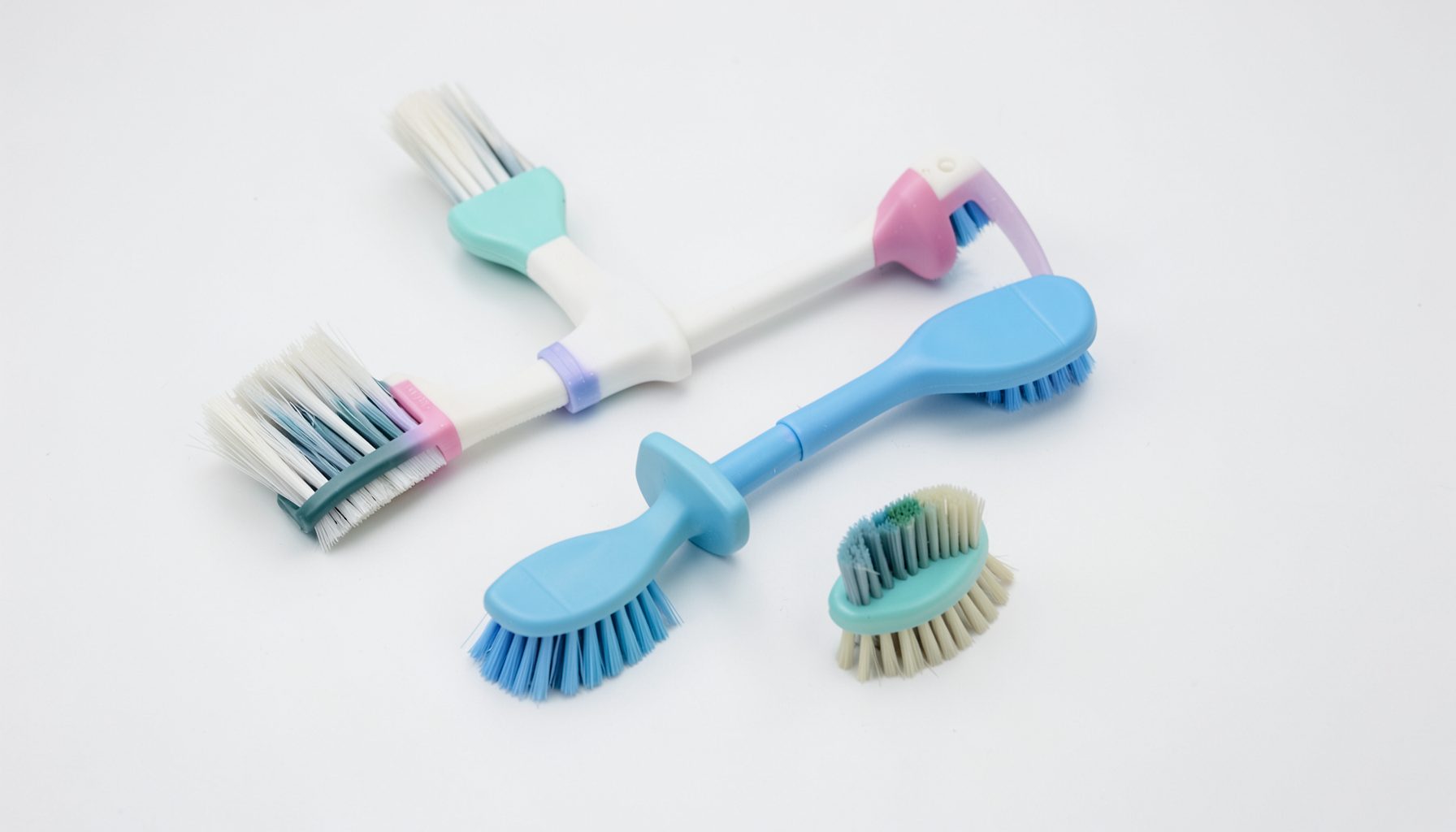
Switch nostrils and repeat. After use, rinse the bottle and let it air dry. Use ResQRinse Premium Cleaning Brushes for thorough cleaning.
How to Tell If Your Squeeze Bottle Silicone Valve Is Worn Out
A squeeze-bottle nasal rinse system depends on several small parts working together. The silicone valve is especially important because it helps control liquid flow, reduce leaks, and keep the rinse moving through the intended opening rather than escaping around the cap or bottle connection.
Silicone is flexible, resilient, and designed to tolerate repeated use, but it can eventually lose its shape. Cleaning chemicals, excessive heat, rough handling, dried saline, and frequent squeezing may all affect the valve. A worn valve can make a nasal rinse less comfortable and less predictable.
The good news is that most valve problems show recognizable warning signs. Checking the valve before each use and replacing it when necessary can help maintain reliable performance and support safer nasal irrigation.
What The Silicone Valve Does
In a squeeze-bottle irrigation system, the valve helps regulate pressure and liquid movement. When the bottle is compressed, saline travels through the passage and toward the nasal nozzle. When pressure is released, the valve helps limit unwanted backflow or leakage, depending on the design of the system.
This small component must remain flexible enough to open correctly and return to its original position. If it becomes stiff, stretched, cracked, or misshapen, the bottle may not deliver a smooth stream. The issue may appear as inconsistent flow, dripping, leaking around the cap, or a need to squeeze much harder than usual.
A valve does not work in isolation. The cap, nozzle, bottle, and seal all influence performance. For that reason, a flow problem should be assessed together with the rest of the rinse system rather than blamed on the silicone piece immediately.
Signs Of A Worn Valve
The clearest warning sign is a noticeable change from the bottle’s normal behavior. If a previously smooth rinse suddenly pulses, dribbles, sprays unpredictably, or stops and starts during use, inspect the valve before using the system again. A small amount of variation can occur with pressure, but a persistent change deserves attention.
Look closely for physical damage. Common signs include:
- Small cracks, splits, or pinholes
- A thin edge that looks torn or stretched
- Permanent flattening or distortion
- Sticky, brittle, chalky, or unusually hard silicone
- Discoloration that does not rinse away
- A valve that no longer sits evenly in its fitting
A worn valve may also allow saline to seep from the cap or collect around the bottle connection. If the bottle leaks when gently squeezed, stop and examine the valve and cap seal. Continuing to use a leaking assembly can make it difficult to control the rinse and may contaminate surfaces or the outside of the bottle.
A change in resistance is another useful clue. If the bottle suddenly feels difficult to compress, the valve may be obstructed or deformed. If it feels unusually loose and liquid exits too quickly, the valve may have lost its ability to regulate flow.
Worn Valve Or Simple Blockage
Dried salt crystals can create symptoms that look like valve failure. Saline residue may partially block a narrow opening, causing weak flow or an uneven stream. A blockage is usually temporary and may improve after the component is rinsed thoroughly with clean water according to the manufacturer’s care directions.
Do not force a blocked valve with a needle, pin, toothpick, or other sharp object. Piercing or stretching the silicone can create a small defect that grows during the next squeeze. A soft cleaning brush intended for the system is a safer option for accessible areas, and some kits include brushes specifically for this purpose.
After cleaning, allow the parts to dry completely and test the bottle with clean water if the product instructions permit it. If the flow returns to normal, residue was likely the cause. If the same problem remains, compare the valve’s shape and flexibility with a new replacement part or contact the product manufacturer for guidance.
A damaged valve should not be “fixed” with adhesive, tape, or household sealant. These materials may shed particles, interfere with the seal, or come into contact with saline that enters the nasal passages.
A Simple Inspection Routine
Inspect the silicone valve in bright light before reassembling the squeeze bottle. Remove it only as directed, since forcing a valve out of its housing can stretch the edges. Rinse away visible residue, then look at the center opening, outer rim, and contact points where the valve meets the cap or internal fitting.
Gently press the silicone with clean fingers. It should feel flexible and spring back rather than staying folded or feeling brittle. Avoid pulling it sharply or repeatedly stretching it to test its strength. The purpose of the inspection is to identify obvious wear without creating new damage.
Use the following comparison as a practical guide:
| What You Notice | More Likely Cause | Appropriate Response |
|---|---|---|
| White or crusty residue near the opening | Dried saline buildup | Clean according to the product instructions and allow it to dry |
| Flow improves after cleaning | Temporary blockage | Continue monitoring the valve |
| Cracks, tears, or pinholes | Silicone damage | Replace the valve or affected component |
| Valve stays flattened | Loss of elasticity | Replace it before the next nasal rinse |
| Leakage around the cap | Valve, gasket, or cap seal problem | Inspect all sealing parts and replace damaged pieces |
| Sudden weak flow with no visible damage | Blockage, assembly issue, or bottle problem | Reassemble carefully and test; replace if the issue continues |
| Sticky or brittle texture | Material deterioration | Discontinue use and replace the part |
If the valve looks normal but the rinse still performs poorly, inspect the nozzle and cap threads as well. A cross-threaded cap can mimic a valve leak, while a blocked nozzle can create extra pressure inside the bottle.
Cleaning Practices That Protect Silicone
Follow the cleaning instructions supplied with the nasal irrigation system. In general, rinse removable parts promptly after use so saline does not dry inside small openings. Use clean water and a gentle method; aggressive scrubbing can roughen or distort soft silicone.
Avoid boiling, microwaving, or placing parts in a dishwasher unless the manufacturer specifically states that the components are heat-safe. High temperatures can change the shape of silicone valves, bottle fittings, or plastic caps. Strong solvents, bleach mixtures, and abrasive cleaners may also weaken materials or leave residues.
A cleaning brush should be used carefully and only where it fits without forcing. Do not twist the valve around the brush or stretch it over a large object. Once cleaned, separate the parts and let them air-dry fully before storage. Moisture trapped in an enclosed bottle or cap can create an environment where microbes multiply.
The water used for nasal irrigation matters as well. Use distilled or sterile water, or tap water treated according to established safety guidance and the product directions. Saline packets should be mixed at the recommended concentration, since overly concentrated or weak solutions can cause discomfort and may affect residue buildup.
When Replacement Is The Safer Choice
There is no single replacement schedule that fits every household. Frequency of use, cleaning habits, storage conditions, and the design of the system all affect valve life. Instead of relying only on a calendar, replace the valve when its performance or condition changes.
Replace the valve or the complete affected component when it shows visible damage, remains distorted, leaks after proper assembly, or produces an inconsistent stream after cleaning. If the valve is difficult to remove without damage, replacing the cap or purchasing a compatible replacement part may be more practical than trying to salvage it.
Keep a spare valve or replacement rinse component available if nasal irrigation is part of your regular allergy or sinus-care routine. A backup prevents the temptation to continue using a part that has developed a split or unreliable seal. Product updates, replacement options, and care information may also be available through the ResQRinse news section.
Habits For Reliable Rinse Performance
Good maintenance reduces unnecessary wear and makes valve problems easier to identify. Build a short check into the routine before every use, particularly if the bottle has been stored for several days or transported in a bag.
- Check the valve, cap, and nozzle for cracks, residue, or distortion.
- Rinse the system promptly after use and let each part air-dry separately.
- Avoid sharp tools, harsh cleaners, excessive heat, and forceful stretching.
- Use only compatible replacement parts rather than improvised seals or adhesives.
- Stop using the system if leakage or irregular flow continues after cleaning.
It is also wise to keep the bottle and its components for individual use rather than sharing them. Replace any part that cannot be cleaned properly or that has developed an odor, film, or discoloration that remains after washing.
Using A Replacement Valve Safely
Before the first use, confirm that the replacement valve matches the bottle and is seated in the correct orientation. A valve that is slightly misaligned may leak or restrict flow even when the silicone itself is new. Assemble the system according to the manufacturer’s instructions and perform a gentle test with the appropriate water before preparing a full saline rinse.
During use, do not squeeze harder to compensate for an uncertain seal. Excessive pressure can make the stream uncomfortable and may push liquid where it should not go. A comfortable, controlled flow is preferable to force. Stop if the bottle leaks, the stream becomes erratic, or the system feels different from normal.
Nasal irritation can have several causes, including solution concentration, water temperature, technique, or an underlying nasal condition. If a rinse burns or stings, pause and review this burning or stinging guide. Persistent pain, nosebleeds, fever, severe facial swelling, or worsening symptoms should be discussed with a qualified healthcare professional.
A silicone valve is a small component, but its condition affects the consistency and cleanliness of the entire squeeze-bottle system. Inspect it regularly, clean it gently, and replace it at the first clear sign of damage. With the right care, a nasal irrigation bottle can remain a dependable part of a congestion and allergy-care routine.