ResQRinse is the nasal irrigation squeeze bottle that eliminates head-tilting and awkward neck positions. Using proprietary Nasal Lock™ technology, it delivers a comfortable, gag-free sinus cleanse — no more saline dripping down your throat.

Relief From Fall Sneezes
Now sold on Walmart.com. Free shipping on orders $30+. Try ResQRinse today with your everyday purchases.
Shop at WalmartWhy ResQRinse?
Nasal rinsing helps relieve congestion from colds, allergies, sinusitis, hay fever, and environmental pollutants. ResQRinse makes it comfortable enough to become a daily habit.
Nasal Lock™ Technology
Isolates sinuses from the throat using natural choanal occlusion — like inflating a balloon — so saline stays where it belongs.
Learn more →
Drug-Free Relief
Uses premixed saline packets with distilled water. No medications, no preservatives — just a natural cleanse for your nasal passages.
How to rinse →
For Kids Too
ResQRinse for Kids features a comfort nasal tip right-sized for smaller nostril openings, making rinsing gentle and easy for children.
Shop kids' version →
Breath-Controlled Flow
You control the saline flow with your own breath pressure — high volume, low pressure irrigation that's comfortable and effective.
Watch how-to videos →
Better Compliance
Designed to overcome the gagging and discomfort that cause people to abandon traditional neti pots and nasal rinse systems.
Our story →
Complete Kits Available
From the basic ResQRinse Nasal Rinse System ($19.99) to 90-day complete kits, saline packets, cleaning brushes, and Sinoptim Nasal Mist.
Browse all products →Get Started with ResQRinse
Ready to experience a better nasal rinse? Fill out the form below and we'll help you find the right product — or follow the simple steps to begin rinsing today.
Request More Information
How to Use ResQRinse
Fill the Bottle
Fill the ResQRinse squeeze bottle with distilled or previously boiled water and add one premixed saline packet.
Position the Tip
Place the comfort tip gently against one nostril. No head-tilting or awkward neck angles needed.
Squeeze & Breathe
Squeeze the bottle gently while breathing through your mouth. Nasal Lock™ keeps saline in your nasal passages and out of your throat.
Repeat & Clean
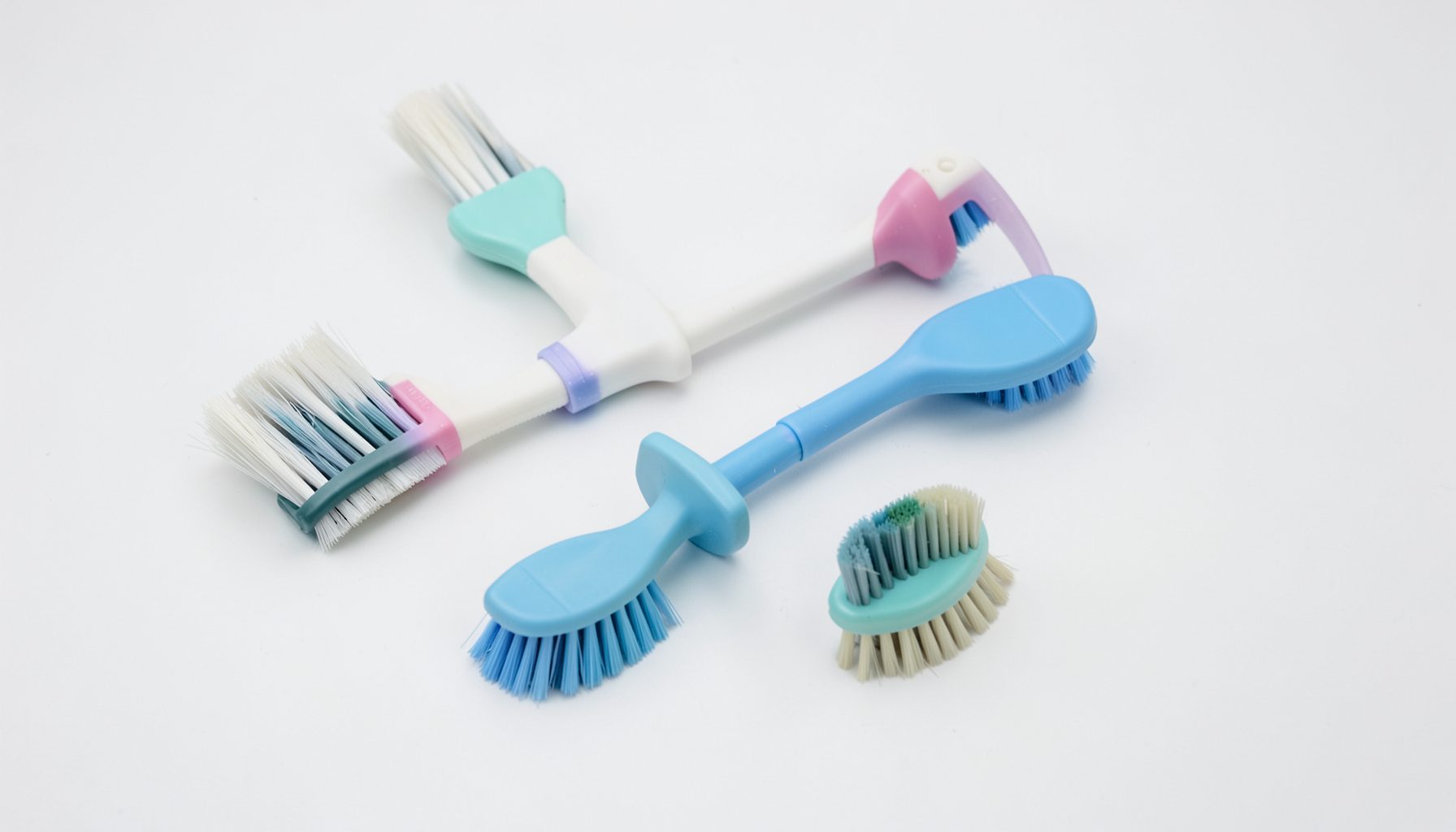
Switch nostrils and repeat. After use, rinse the bottle and let it air dry. Use ResQRinse Premium Cleaning Brushes for thorough cleaning.
How to Tell If Your Rinse Technique Is Causing Too Much Pressure
Nasal irrigation can loosen mucus, wash away airborne allergens and soothe irritated nasal passages, but the method matters. A rinse should feel controlled and gentle rather than forceful. If your ears feel blocked, your face aches or water seems to push sharply into one side of your nose, the pressure may be too high.
This can happen with squeeze-bottle nasal rinses, neti pots and other sinus irrigation devices. It is often linked to squeezing too firmly, using a poor head position, rushing the flow or trying to rinse through a completely blocked nostril. Learning the warning signs helps you adjust your technique before discomfort turns into nosebleeds, ear pressure or a more persistent problem.
What Comfortable Nasal Irrigation Should Feel Like
A correctly performed rinse usually creates a steady, manageable flow. Saline solution enters one nostril and drains from the other nostril or the mouth, depending on your head position and the amount of congestion. You may notice mild fullness, tingling or the sensation of water moving through the nasal passages, but it should not feel painful.
The bottle should do the work gradually. Use a relaxed grip and apply only light, even pressure. A hard squeeze can send saline too quickly into swollen nasal tissue, especially when the exit nostril is narrowed. With a device that includes a nasal seal or Nasal Lock-style fit, place the tip comfortably against the nostril without forcing it tightly into place.
Your breathing also affects comfort. Keep your mouth open and breathe calmly through it while rinsing. This reduces the urge to tense your face or create extra pressure by holding your breath. If the solution does not flow easily, pause rather than increasing force.
Warning Signs That the Flow Is Too Strong
Ear fullness is one of the clearest signs that a rinse may be too forceful or poorly directed. Some people describe popping, muffled hearing, pressure around the ears or a sensation that water has travelled towards the back of the throat too aggressively. Stop the rinse, sit upright and allow the sensation to settle.
Sharp pain, burning, a sudden headache or pressure around the cheeks and forehead also deserves attention. A small amount of stinging can occur when nasal tissue is dry or irritated, but intense discomfort is a signal to check the saline concentration, water temperature and amount of squeezing. Saline that is too concentrated or too weak can irritate the lining of the nose.
Bleeding is another reason to stop. A minor spot of blood may come from already-dry tissue, vigorous blowing or a rough nozzle, but repeated bleeding should not be treated as a normal part of nasal irrigation. In Australia, a pharmacist or GP can help assess ongoing nosebleeds, recurrent sinus symptoms or ear discomfort.
Technique Errors That Increase Nasal Pressure
Head position is a common cause of trouble. Lean over a sink with your head slightly forward and turned to the side, keeping your forehead and chin roughly level. Tilting the head too far back can send solution towards the throat, while tipping it too far down may make the flow feel blocked. Avoid twisting your neck sharply or lying down during a rinse.
Do not seal the nostril so tightly that air and liquid have nowhere to move. The nozzle should make a comfortable contact, not act like a plug. If the nasal passage is fully obstructed, forcing solution through it is unlikely to improve the blockage. Try a gentler approach later, or speak with a health professional if obstruction continues.
Squeezing repeatedly is another mistake. Use one slow, modest compression, then release and let the solution drain. Blowing your nose hard immediately afterwards can recreate the same pressure that caused discomfort in the first place. Gently clear each nostril separately, allowing the saline and loosened mucus to leave without straining.
Water, Saline And Device Hygiene Matter
Safe water is essential for nasal rinsing. Use sterile, distilled or appropriately treated water, following Australian health guidance and the instructions supplied with your device. If using tap water, boiling it and allowing it to cool is a common safety approach, but check current local advice and product directions. Never use hot water, and test the temperature before application.
The saline mixture should be fully dissolved and made according to the packet instructions. Plain water can sting, while an incorrectly measured solution may dry or irritate the nasal lining. Pre-measured saline sachets can make preparation easier, particularly during allergy season when rinsing becomes part of a regular routine.
Clean and dry the bottle after each use. Residue, moisture and contamination can affect the condition of the equipment and may contribute to recurrent symptoms. ResQRinse explains why a cleaner bottle reduces risk, while a cleaning brush can help reach internal surfaces that are easy to miss.
Australian conditions can make routine hygiene especially important. Warm, humid weather in Brisbane or Darwin may slow drying, while dusty conditions around Canberra or inland areas can increase the amount of irritant material entering the nose. Rinse the device as directed, leave parts open to air-dry and replace them when they are worn, cracked or difficult to clean.
Adjusting Your Routine Safely
If your rinse feels too forceful, start by reducing the squeeze rather than abandoning irrigation altogether. Use a smaller amount of solution, slow the flow and check that the exit nostril is facing downwards. A child should never be rinsed with an adult’s force or left to operate the device without suitable supervision. Children’s rinse systems are designed with their smaller nasal passages and comfort needs in mind.
Consider when you rinse as well. Using saline after exposure to dust, smoke or pollen may help clear irritants, but rinsing immediately after strenuous activity can feel uncomfortable if you are breathing heavily. In Melbourne, spring pollen can aggravate nasal tissue, while coastal wind in Sydney or Perth may leave the nose feeling dry. Adjust the frequency according to symptoms and the product directions rather than rinsing aggressively to achieve a “deeper” clean.
Products vary in bottle flexibility, nozzle shape and flow control. Review the available ResQRinse rinse systems to compare options such as complete kits, children’s versions, saline packets and nasal mist. If you buy through Amazon or another Australian-facing marketplace, confirm delivery details, packet compatibility and whether replacement parts are available before choosing a system.
Practical Steps For A Gentler Rinse
Use these habits to reduce pressure and make nasal irrigation more comfortable:
- Check that the saline is completely dissolved and close to body temperature before use.
- Lean forward over the sink, turn your head slightly and keep your mouth open.
- Apply light, steady pressure instead of a sudden or repeated squeeze.
- Stop immediately if you feel ear pain, sharp facial pain, dizziness, significant burning or bleeding.
- Seek advice from a GP, pharmacist or ENT specialist if symptoms persist, worsen or return after every rinse.
A rinse should leave your nose feeling clearer or more comfortable, not bruised, painfully dry or pressurised. If congestion is severe, one nostril is completely blocked or you have recently had nasal surgery, ask a clinician when and how irrigation is appropriate. People with frequent ear infections, structural nasal problems or unexplained facial pain may need individual guidance.
For urgent symptoms such as severe headache, swelling around the eyes, high fever, confusion or changes in vision, seek prompt medical care rather than attempting stronger irrigation. Nasal rinsing is a supportive hygiene measure, not a replacement for diagnosis when symptoms suggest a significant infection or another condition.
Make your next rinse slower, softer and more deliberate. Follow the device instructions, use safe water, keep the equipment clean and stop at the first sign of excessive pressure. With the right technique and a suitable system, saline irrigation can become a comfortable part of managing congestion and allergies in everyday Australian life.