ResQRinse is the nasal irrigation squeeze bottle that eliminates head-tilting and awkward neck positions. Using proprietary Nasal Lock™ technology, it delivers a comfortable, gag-free sinus cleanse — no more saline dripping down your throat.

Relief From Fall Sneezes
Now sold on Walmart.com. Free shipping on orders $30+. Try ResQRinse today with your everyday purchases.
Shop at WalmartWhy ResQRinse?
Nasal rinsing helps relieve congestion from colds, allergies, sinusitis, hay fever, and environmental pollutants. ResQRinse makes it comfortable enough to become a daily habit.
Nasal Lock™ Technology
Isolates sinuses from the throat using natural choanal occlusion — like inflating a balloon — so saline stays where it belongs.
Learn more →
Drug-Free Relief
Uses premixed saline packets with distilled water. No medications, no preservatives — just a natural cleanse for your nasal passages.
How to rinse →
For Kids Too
ResQRinse for Kids features a comfort nasal tip right-sized for smaller nostril openings, making rinsing gentle and easy for children.
Shop kids' version →
Breath-Controlled Flow
You control the saline flow with your own breath pressure — high volume, low pressure irrigation that's comfortable and effective.
Watch how-to videos →
Better Compliance
Designed to overcome the gagging and discomfort that cause people to abandon traditional neti pots and nasal rinse systems.
Our story →
Complete Kits Available
From the basic ResQRinse Nasal Rinse System ($19.99) to 90-day complete kits, saline packets, cleaning brushes, and Sinoptim Nasal Mist.
Browse all products →Get Started with ResQRinse
Ready to experience a better nasal rinse? Fill out the form below and we'll help you find the right product — or follow the simple steps to begin rinsing today.
Request More Information
How to Use ResQRinse
Fill the Bottle
Fill the ResQRinse squeeze bottle with distilled or previously boiled water and add one premixed saline packet.
Position the Tip
Place the comfort tip gently against one nostril. No head-tilting or awkward neck angles needed.
Squeeze & Breathe
Squeeze the bottle gently while breathing through your mouth. Nasal Lock™ keeps saline in your nasal passages and out of your throat.
Repeat & Clean
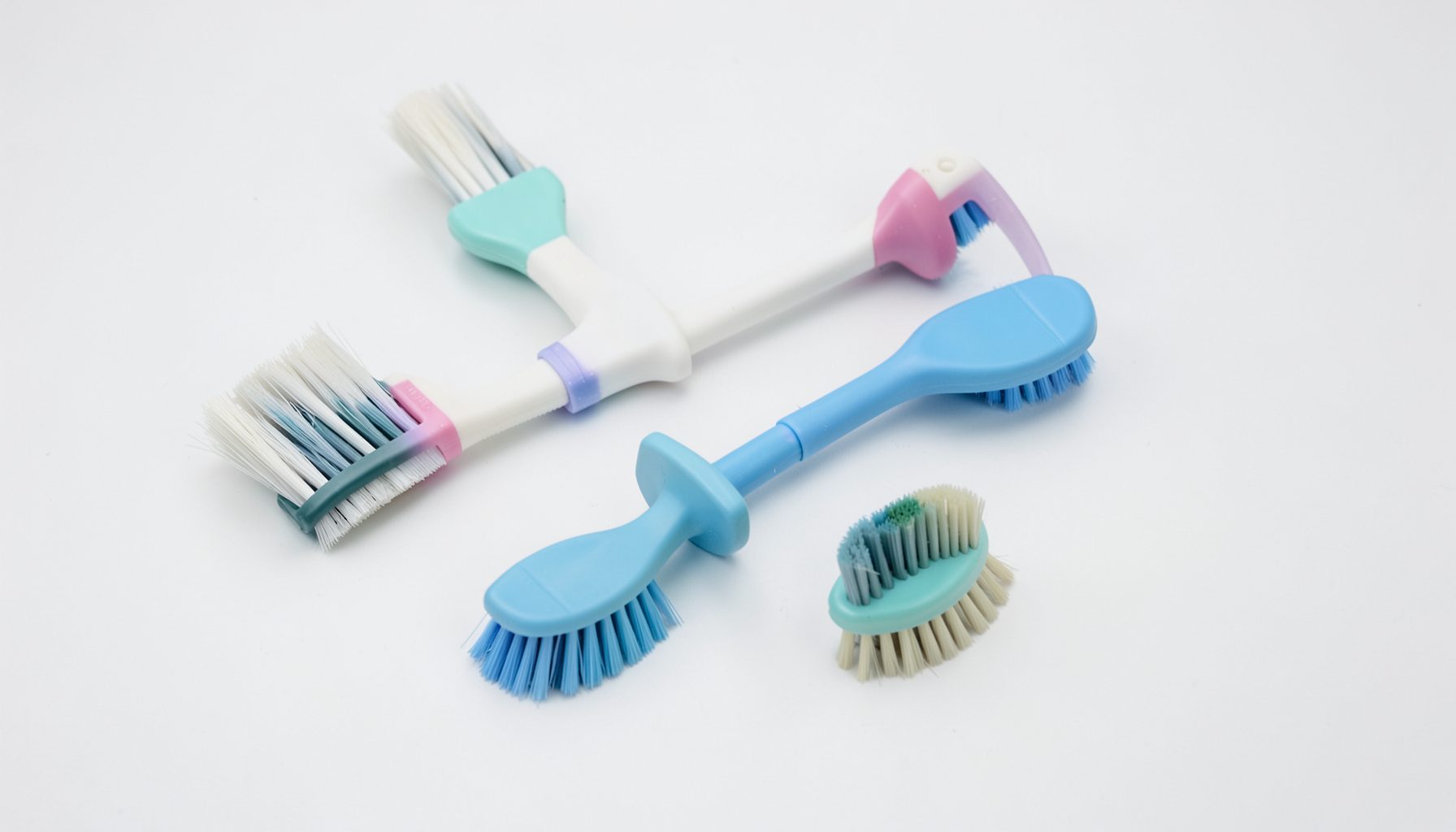
Switch nostrils and repeat. After use, rinse the bottle and let it air dry. Use ResQRinse Premium Cleaning Brushes for thorough cleaning.
Has Your Nasal Rinse Bottle Developed Hidden Mold?
Many Australians reach for a nasal rinse bottle when pollen counts spike across Sydney or when the inland dryness of Adelaide sets off another round of sinus irritation. Squeeze bottles have earned a loyal following from Bondi to Brisbane, particularly during spring thunderstorm asthma events and the long hay fever months that follow.
That same bottle spends most of its life on a bathroom shelf in a warm, humid environment. Showers, steam, and residual moisture after each rinse create exactly the conditions that microorganisms love. Over weeks, what looks like a clean translucent bottle outside can quietly develop a community of bacteria and fungi on the inside.
The slippery layer that forms is biofilm, and it is harder to remove than everyday grime. Once it establishes on plastic, silicone seals, or screw-cap threading, ordinary rinsing with tap water will not shift it. This is where modern systems with anti-backflow valves differ from old neti pots, because their components can be disassembled for thorough cleaning.
The ResQRinse FAQs show the brand has anticipated many of these concerns. Their locking mechanism controls flow, but like any reusable medical accessory, the bottle still depends on the owner to keep it hygienic. Knowing what to check and how often is the first step.
Why Mold Forms in Nasal Rinse Bottles
The science behind microbial growth inside a nasal rinse bottle is straightforward but often overlooked. Fungi and bacteria need warmth, moisture, and a surface to cling to. A bottle in a typical Australian bathroom, capped while still wet, provides all three, particularly if it sits near a shower recess or vanity unit.
Australian homes vary widely in humidity, which affects how quickly a rinse bottle develops problems. A unit in tropical Cairns with poor ventilation may show biofilm faster than a dry-climate apartment in Adelaide. Heated bathrooms in Hobart during winter create their own micro-environment, where steam condenses on cool plastic and lingers well into the day.
The Therapeutic Goods Administration regulates nasal irrigation devices, and manufacturers must meet quality benchmarks before products reach Chemist Warehouse or Priceline shelves. Those standards cover materials and the manufacturing process, but they do not replace good home care once the product is in regular use.
A squeeze bottle with anti-backflow technology, like those in the ResQRinse product range, is designed to stop contaminated fluid from returning to the reservoir. That feature reduces one common cause of microbial growth but does not eliminate the need for routine cleaning and drying.
Visual and Sensory Warning Signs
The earliest clues are visual. A faint pink, orange, or dark grey ring around the waterline inside the bottle is one of the most common signs. These colours come from Serratia marcescens, pink yeast, or black mould species that thrive in damp bathrooms and are particularly common in homes with evaporative cooling systems, which many Australian households still rely on through summer.
Cloudiness that does not rinse away is another red flag. If the plastic looks foggy even after a thorough wash, biofilm may have taken hold in micro-scratches of the surface. The same goes for any floating specks that appear when the bottle is filled with clean water.
Smell is a reliable indicator. A sour, earthy, or musty odour from the spout or cap means fungi or bacteria have colonised a part of the bottle. Healthy plastic and saline should smell neutral. If there is any noticeable scent during use, the rinse should stop immediately and the bottle inspected.
Texture changes are subtler but worth watching. If the inside feels sticky rather than slick, it is past time for a deep clean. A weekly visual and smell check takes only seconds and is the simplest habit Australian households can build into their routine.
Hidden Spots Where Biofilm Builds Up
The interior walls get most of the attention, but the most problematic areas are usually elsewhere. Threading around the screw top, the valve mechanism, and the silicone seal at the base of the spout create sheltered pockets where fluid collects and dries slowly.
Many squeeze bottles on the Australian market, including older neti pot designs, have a one-piece construction that makes these spots impossible to reach. Newer modular systems are designed with disassembly in mind, so each part can be cleaned and dried separately.
The tube connecting the bottle to the nozzle deserves special attention. Any tubing that cannot be fully drained holds a small reservoir of fluid. When that fluid sits overnight at room temperature, it becomes a starter culture for microbes. Flushing the tube after every use and storing it open and upright prevents this.
The cap is often forgotten entirely. It sits at the top, away from the saline solution, but it is constantly exposed to splash-back, bathroom humidity, and the warm air that rises during a shower. Wiping the inside with a clean tissue or letting it air-dry separately after each rinse removes another potential breeding ground.
Cleaning Routines That Actually Work
Rinsing with tap water after each use is the minimum, but it is not enough on its own. Tap water in metropolitan Sydney, Melbourne, and Perth is safe for irrigation when boiled and cooled first, but the bottle still needs a deeper clean at regular intervals.
A weekly soak in warm water with a few drops of dishwashing liquid, followed by a thorough scrub with a dedicated bottle brush, will remove most surface biofilm. Brushes sized for nasal rinse bottles are widely available online and at major Australian retailers. The brush itself should be rinsed and air-dried between uses, because a damp brush stored in a bathroom drawer becomes its own source of contamination.
For more thorough disinfection, a soak in diluted white vinegar or a dilute hydrogen peroxide mix works against the common bacteria and fungi found in bathroom biofilm. Both are inexpensive and readily available at any Coles or Woolworths. After any chemical soak, the bottle should be rinsed several times with sterile or boiled-and-cooled water and left to dry completely.
Drying is as important as cleaning. Storing the bottle with the cap off, in an open position, and in a spot with good airflow allows the interior to dry fully between uses. A small drying stand or simply resting the bottle on a clean paper towel near a window makes a measurable difference, especially during the humid summer months along the Queensland coast.
When to Replace Your Bottle Completely
Even with the best cleaning routine, nasal rinse bottles do not last forever. Plastic develops micro-scratches over time, and each scratch becomes a potential anchor point for biofilm. Most manufacturers suggest replacing the bottle every three to twelve months, depending on frequency of use and cleaning habits.
Visible cracks, cloudiness that will not wash out, persistent odours, or a sticky interior texture all indicate the bottle has reached the end of its useful life. Continuing to use a bottle in this state can introduce the very contaminants the rinse is meant to clear.
For families, replacement timing often needs to be earlier rather than later. Children using their own rinse bottles, especially during the long Melbourne pollen season or the dusty conditions that follow a Sydney bushfire event, can introduce organic material that accelerates biofilm growth. Some households set a calendar reminder every two to three months to swap in a fresh bottle.
Parents looking for guidance on introducing rinses to children can find habit-building tips for children that also cover hygiene from the very first use. A consistent replacement schedule, paired with age-appropriate cleaning expectations, keeps the routine both safe and sustainable.
Keeping a nasal rinse bottle free from hidden mould comes down to three habits: a quick visual and smell check every week, proper disassembly and drying between uses, and timely replacement when the plastic shows wear. Australian conditions, from coastal humidity to dry inland heat, can push biofilm growth faster than cooler climates expect, so a routine tuned to your local climate is well worth the small effort.
If any of the warning signs above sound familiar, it might be time to start fresh with a new bottle and a stricter cleaning schedule. The ResQRinse range is built for disassembly and full drying, which makes the deep clean described above much easier to carry out. Browse the products, read the FAQs, and pick the system that fits your household's daily rhythm.