ResQRinse is the nasal irrigation squeeze bottle that eliminates head-tilting and awkward neck positions. Using proprietary Nasal Lock™ technology, it delivers a comfortable, gag-free sinus cleanse — no more saline dripping down your throat.

Relief From Fall Sneezes
Now sold on Walmart.com. Free shipping on orders $30+. Try ResQRinse today with your everyday purchases.
Shop at WalmartWhy ResQRinse?
Nasal rinsing helps relieve congestion from colds, allergies, sinusitis, hay fever, and environmental pollutants. ResQRinse makes it comfortable enough to become a daily habit.
Nasal Lock™ Technology
Isolates sinuses from the throat using natural choanal occlusion — like inflating a balloon — so saline stays where it belongs.
Learn more →
Drug-Free Relief
Uses premixed saline packets with distilled water. No medications, no preservatives — just a natural cleanse for your nasal passages.
How to rinse →
For Kids Too
ResQRinse for Kids features a comfort nasal tip right-sized for smaller nostril openings, making rinsing gentle and easy for children.
Shop kids' version →
Breath-Controlled Flow
You control the saline flow with your own breath pressure — high volume, low pressure irrigation that's comfortable and effective.
Watch how-to videos →
Better Compliance
Designed to overcome the gagging and discomfort that cause people to abandon traditional neti pots and nasal rinse systems.
Our story →
Complete Kits Available
From the basic ResQRinse Nasal Rinse System ($19.99) to 90-day complete kits, saline packets, cleaning brushes, and Sinoptim Nasal Mist.
Browse all products →Get Started with ResQRinse
Ready to experience a better nasal rinse? Fill out the form below and we'll help you find the right product — or follow the simple steps to begin rinsing today.
Request More Information
How to Use ResQRinse
Fill the Bottle
Fill the ResQRinse squeeze bottle with distilled or previously boiled water and add one premixed saline packet.
Position the Tip
Place the comfort tip gently against one nostril. No head-tilting or awkward neck angles needed.
Squeeze & Breathe
Squeeze the bottle gently while breathing through your mouth. Nasal Lock™ keeps saline in your nasal passages and out of your throat.
Repeat & Clean
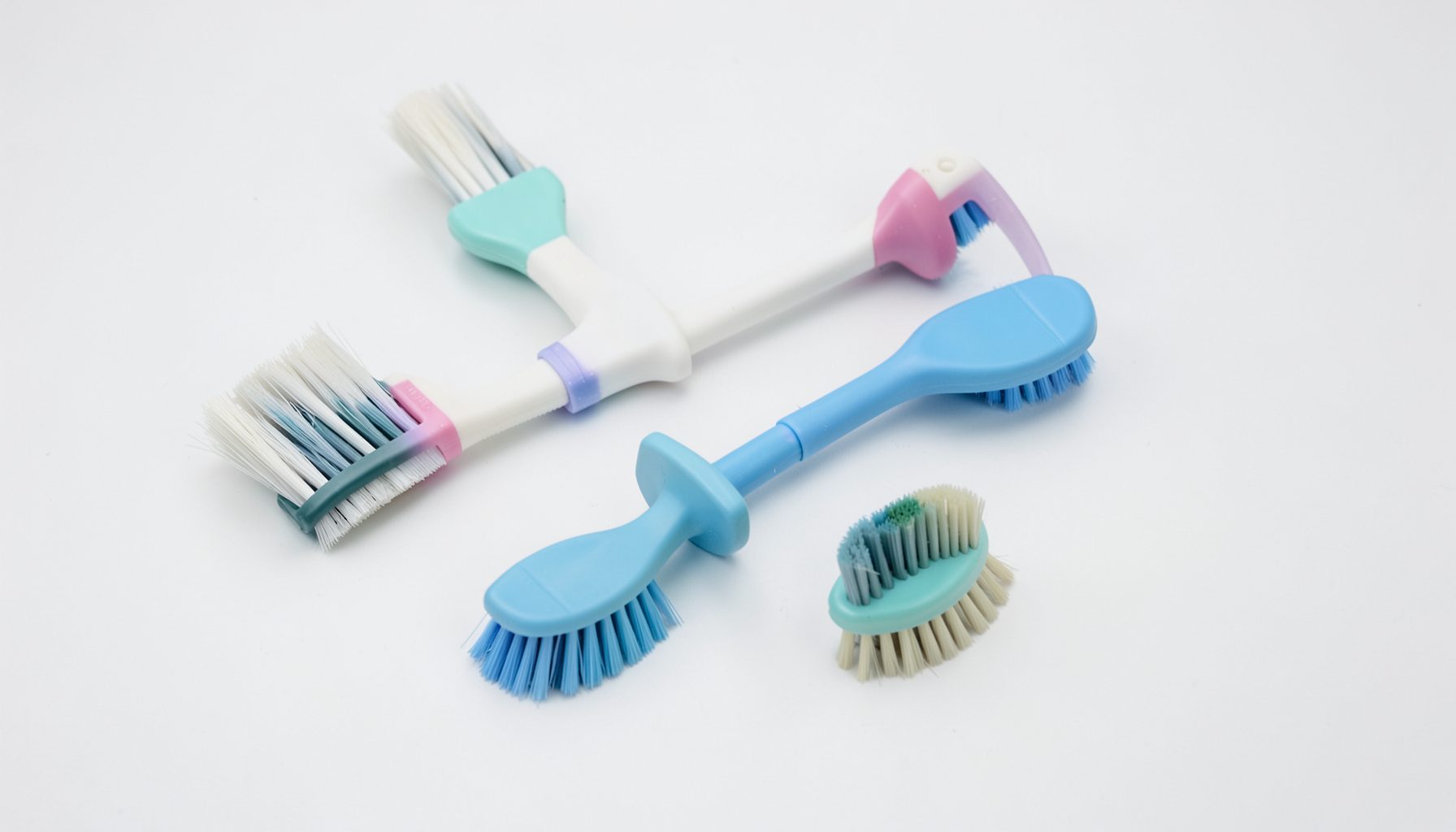
Switch nostrils and repeat. After use, rinse the bottle and let it air dry. Use ResQRinse Premium Cleaning Brushes for thorough cleaning.
to keep saline packets dry in your travel case
Australians are a nation on the move, whether hopping between Melbourne and Sydney for work, driving the long stretch from Adelaide to Perth, or catching a budget flight up to Cairns for a weekend reef trip. With congested sinuses or seasonal allergies often tagging along for the ride, many travellers tuck a few saline packets into their kit for daily nasal rinsing. Yet anyone who has opened a toiletry bag after a long-haul flight or a dusty outback drive knows the frustration of finding the powder has clumped into solid lumps or, worse, torn open and contaminated everything around it.
The issue is not just inconvenience. Saline packets are designed to dissolve cleanly in water to deliver a precise mix for nasal irrigation. When moisture creeps in, the pre-measured salts begin to react, the texture turns uneven, and the sterility of the mix is compromised. For people relying on a rinse system to manage sinusitis, hay fever, or sensitivity to environmental irritants, a damp packet can mean an ineffective rinse or a skipped session at the worst possible moment.
A little preparation goes a long way. Choosing the right case, treating each packet as a sealed unit, and tailoring your method to the local climate and travel style will keep the powder flowing freely from your first flight to your final campsite. The following sections walk through practical strategies that work for Australian conditions, from tropical humidity in Queensland to the dry chill of a Tasmanian winter, while keeping in mind that saline rinse products sold locally are regulated as medical devices by the Therapeutic Goods Administration to ensure sterility and accurate dosing.
Picking a case that actually keeps moisture out
The first line of defence is the container itself. Soft zip-lock bags are better than nothing, but they rarely survive the pressure changes in an aircraft hold or the rough handling of a 4WD trip along the Gibb River Road. A rigid plastic case with a rubber gasket around the lid offers far better protection. Look for designs marketed as waterproof or dustproof, often used for electronics or first-aid kits, as they create a tight seal against both liquid splashes and airborne humidity.
Size matters more than most people realise. A case that is too large leaves room for packets to slide around and rub against each other, wearing holes in the foil. A snug fit, with perhaps a small piece of foam or a folded cloth to cushion the contents, prevents movement. Transparent cases are handy for spotting damage early, while dark or opaque containers protect the salts from light exposure, which can slowly degrade some additives over time.
If you already own a quality squeeze-bottle rinse system, many Australian pharmacies such as Chemist Warehouse and Priceline stock replacement travel kits that include a compact storage tin. These are sized specifically for a small number of packets and often feature a snap-lock closure. For those who travel with larger kits, separating dry goods from wet items in different compartments is essential to stop any condensation from one side reaching the powder on the other.
Preparing packets before they go in
Even the best case can fail if the packets inside are not properly prepared. Each foil sachet is designed to be a single-use barrier, but the thin metal layer is surprisingly easy to nick with a fingernail, a key, or the corner of another packet. Before packing, run your finger along each edge to check for pinholes or weak seals. Discard any that feel half-open or look crinkled at the corners.
For extra protection during longer trips, slip each saline packet into a tiny resealable plastic sleeve. These inexpensive mini bags are sold at office supply stores and chemists across the country, and they add a second waterproof layer without much bulk. Grouping three or four sleeves together inside the main case keeps them organised and makes it easy to grab a single dose without exposing the rest to bathroom steam or kitchen condensation.
Consider adding a food-safe silica gel sachet to the travel case. These desiccants are commonly found in vitamin bottles or shoe boxes and can be reused after drying in a low oven. One small packet tucked into the corner of the case will absorb any ambient humidity that sneaks in when the lid is opened, keeping the saline powder loose and free-flowing right through to the last rinse of the trip. For travellers heading into the wet season in Darwin or the tropical north, this step is not optional.
Packing methods that match Australian travel styles
How you pack depends heavily on how you are getting there. Flying means dealing with cabin pressure changes, security screening, and the risk of crushed luggage in the cargo hold. Pack the saline case in the middle of your carry-on, surrounded by soft clothing like a jumper or scarf, so it absorbs any impact. Never put it in checked luggage where temperature swings and rough handling are far more extreme.
Road trips open up different challenges. A week-long drive from Sydney to Byron Bay, or the long haul from Perth to Exmouth, exposes gear to extreme heat inside the car. Saline packets can handle warm temperatures, but consistent oven-like heat in a closed vehicle can weaken foil seals. Store the case in an insulated cooler bag or the passenger compartment where air conditioning keeps things stable, rather than in the boot or on the dashboard.
Camping and bush travel add dust, mud, and sometimes river crossings. If you are hiking the Overland Track or setting up at a remote station stay, the travel case needs to handle being tossed in a backpack. Double-bagging the saline case inside a dry-sack used for kayaking or electronics provides redundancy. Some experienced campers also wrap individual packets in cling film, which creates a tight seal and takes up almost no extra space. For a closer look at protecting your supplies from punctures and pressure changes, the travel bag storage guide covers extra methods suited to grey nomads and flight attendants alike.
Handling climate extremes from coast to outback
Australia's weather is notoriously diverse, and your packing method should reflect the destination. In Brisbane and the far north, humidity regularly climbs above 80 percent, turning bathrooms and cars into steam rooms. Keep the travel case in the air-conditioned room rather than the bathroom, and wipe the outside dry before opening to avoid transferring moisture inside.
In contrast, the dry heat of the Red Centre or the desert fringes around Broken Hill poses a different problem. While low humidity is generally easier on saline powder, the temperature swings between scorching days and cold nights can cause condensation inside any container. Allow the case to adjust to room temperature before opening it after a hot drive, and avoid leaving it on cold ground overnight where dew might form on the metal lid.
Coastal and alpine regions bring their own quirks. A winter trip to the Snowy Mountains or a summer drive along the Great Ocean Road exposes gear to salt spray, morning fog, and sudden rain. A case with a strong latch and rubber seal is worth the investment here, as flimsy clips can pop open under changing pressure. For those sensitive to bushfire smoke during the summer fire season, carrying a working nasal rinse kit becomes even more important; the connection between nasal rinse and smoke sensitivity explains how rinsing helps clear particulates and soothe irritated passages after exposure to smoke from hazard reduction burns or distant bushfires.
Items to round out your travel rinse kit
A well-prepared kit goes beyond just the saline packets themselves. Packing a few extra items ensures the rinse routine stays clean and effective, no matter where the journey leads. Consider the climate and duration of your trip when choosing extras, as a weekend city break requires less preparation than a month-long outback expedition, but even short trips benefit from a backup water source and a way to dry the bottle completely between uses.
- A small soft-bristled cleaning brush for the squeeze-bottle nozzle, kept in a separate pouch
- Sterile or distilled water vials for mixing, or a compact water filter if relying on tap water
- A microfibre cloth for drying hands and the bottle between uses
- Spare silica gel packets, refreshed every few days in a hotel room heater vent
Mistakes that lead to damp, wasted packets
Even careful travellers fall into habits that compromise their saline supplies. Recognising these common errors helps avoid them entirely. Storage location is one of the most frequent slip-ups, as is mixing packet types or trusting inferior containers under pressure. A few seconds of inspection before each trip saves the cost and hassle of replacing a full set of ruined doses.
- Storing the case in the bathroom, where shower steam settles into the lid and creeps inside over time
- Loosely folding foil packets into a soft purse or backpack pocket, where they snag and tear on zippers or keys
- Assuming a regular zip-lock bag is airtight, when the seal often leaks under pressure changes in planes or cars
- Mixing loose tablets or capsules with the saline powder by accident, causing cross-contamination and clumping
Keeping your rinse gear clean between uses matters just as much as keeping it dry. After each session, rinse the bottle with sterile water and let it air-dry completely before reassembling. Pack the bottle and the dry saline case in separate compartments of your luggage, or at least separated by a dry cloth, so any residual moisture in the bottle cannot transfer to the powder. If travelling for an extended period, check the silica gel weekly and replace it if it feels saturated.
For those building a complete travel kit from scratch, ResQRinse offers compact systems designed with moisture-resistant storage in mind, making it easier to maintain a reliable nasal hygiene routine on the road. The combination of a sturdy case, individually sealed sleeves, and a desiccant packet will keep saline powder dry and ready from the moment you leave home until you unpack back in the laundry.