ResQRinse is the nasal irrigation squeeze bottle that eliminates head-tilting and awkward neck positions. Using proprietary Nasal Lock™ technology, it delivers a comfortable, gag-free sinus cleanse — no more saline dripping down your throat.

Relief From Fall Sneezes
Now sold on Walmart.com. Free shipping on orders $30+. Try ResQRinse today with your everyday purchases.
Shop at WalmartWhy ResQRinse?
Nasal rinsing helps relieve congestion from colds, allergies, sinusitis, hay fever, and environmental pollutants. ResQRinse makes it comfortable enough to become a daily habit.
Nasal Lock™ Technology
Isolates sinuses from the throat using natural choanal occlusion — like inflating a balloon — so saline stays where it belongs.
Learn more →
Drug-Free Relief
Uses premixed saline packets with distilled water. No medications, no preservatives — just a natural cleanse for your nasal passages.
How to rinse →
For Kids Too
ResQRinse for Kids features a comfort nasal tip right-sized for smaller nostril openings, making rinsing gentle and easy for children.
Shop kids' version →
Breath-Controlled Flow
You control the saline flow with your own breath pressure — high volume, low pressure irrigation that's comfortable and effective.
Watch how-to videos →
Better Compliance
Designed to overcome the gagging and discomfort that cause people to abandon traditional neti pots and nasal rinse systems.
Our story →
Complete Kits Available
From the basic ResQRinse Nasal Rinse System ($19.99) to 90-day complete kits, saline packets, cleaning brushes, and Sinoptim Nasal Mist.
Browse all products →Get Started with ResQRinse
Ready to experience a better nasal rinse? Fill out the form below and we'll help you find the right product — or follow the simple steps to begin rinsing today.
Request More Information
How to Use ResQRinse
Fill the Bottle
Fill the ResQRinse squeeze bottle with distilled or previously boiled water and add one premixed saline packet.
Position the Tip
Place the comfort tip gently against one nostril. No head-tilting or awkward neck angles needed.
Squeeze & Breathe
Squeeze the bottle gently while breathing through your mouth. Nasal Lock™ keeps saline in your nasal passages and out of your throat.
Repeat & Clean
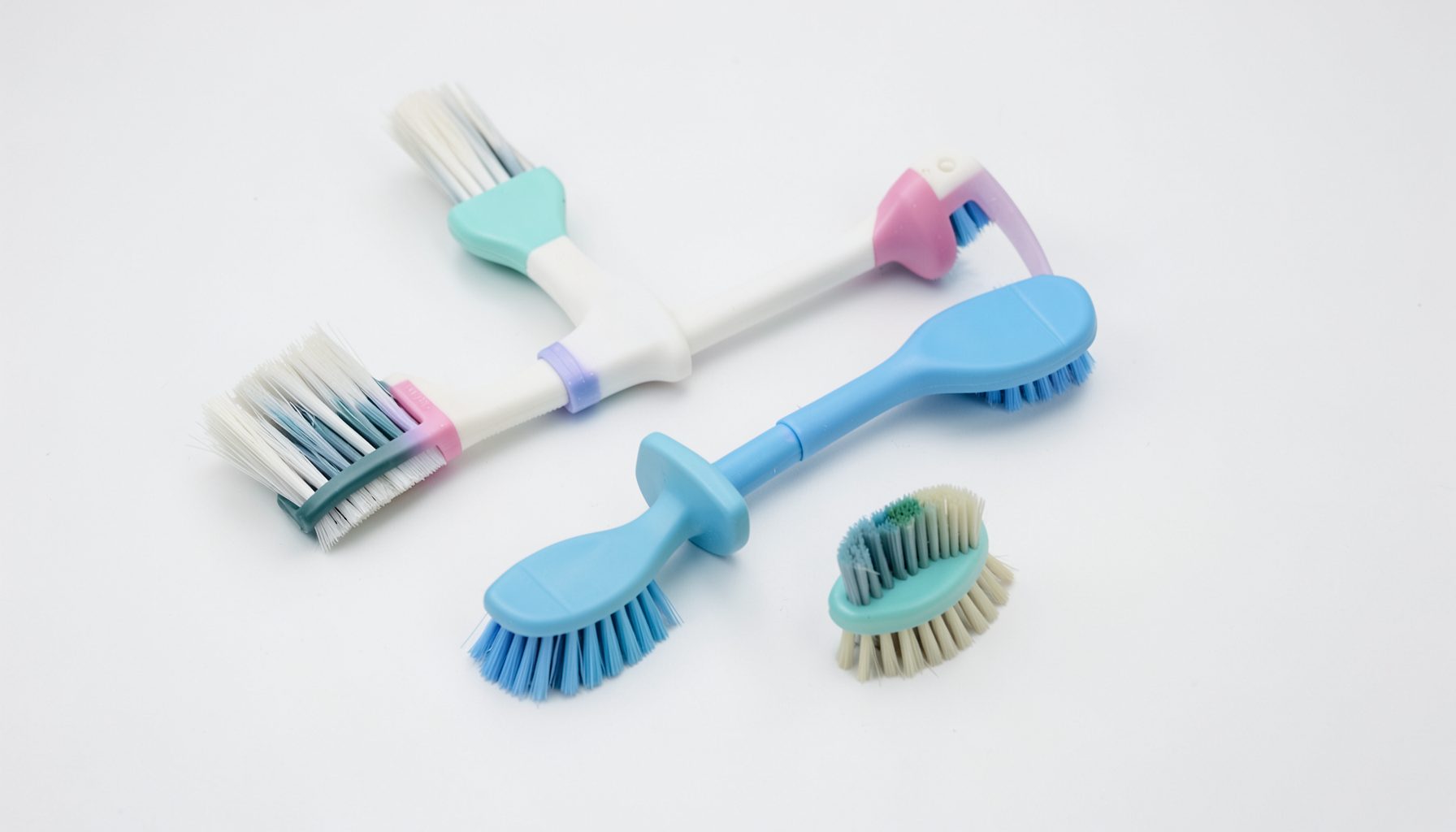
Switch nostrils and repeat. After use, rinse the bottle and let it air dry. Use ResQRinse Premium Cleaning Brushes for thorough cleaning.
Can You Use a Nasal Rinse With a Stuffy Nose on One Side
A blocked nostril on one side is common with a cold, seasonal allergies, sinus irritation, or the normal nasal cycle. When congestion is uneven, it is natural to wonder whether saline irrigation can still move through the nose safely and provide relief.
In many cases, a nasal rinse can be used when one side feels congested. The key is to use gentle pressure, a properly mixed saline solution, and water that is safe for sinus rinsing. A rinse should feel comfortable rather than forced.
A completely sealed nasal passage is different from mild or moderate stuffiness. If liquid cannot pass easily, pushing harder may increase pressure in the ears or sinuses. Knowing when to rinse, how to position the head, and when to stop helps make nasal irrigation more comfortable.
Why One Nostril May Feel Blocked
Nasal congestion on one side can result from swollen tissue inside the nose. Allergens, a respiratory infection, dry air, smoke, and other irritants may cause the nasal lining to become inflamed. Mucus can also collect more heavily on one side, especially when lying down.
The nasal cycle is another normal explanation. The body naturally shifts airflow between the nostrils over several hours as blood vessels in the nasal tissues expand and contract. A side that feels blocked may open later without treatment.
A one-sided stuffy nose can also occur with a deviated septum, nasal polyps, or structural narrowing. If blockage remains on the same side for weeks, repeatedly returns without an obvious trigger, or is accompanied by frequent nosebleeds or facial pain, a healthcare professional should evaluate it.
When Saline Irrigation Is Usually Appropriate
A squeeze-bottle rinse or nasal irrigation system may help loosen thick mucus, wash away pollen, and moisturize irritated nasal passages. If one nostril is partly open, saline may enter through that side and drain through the other nostril, the mouth, or the same side depending on the position of the nasal passages.
Start with the less congested side if both nostrils are irritated. Keep the mouth open and breathe through it while rinsing. Lean over a sink, tilt the head slightly forward and to the side, and allow the solution to flow without trying to create strong pressure.
Water safety is essential. Use distilled or sterile water, or tap water that has been boiled and cooled according to public health guidance. Ordinary untreated tap water may contain microorganisms that are safe to swallow but unsafe when introduced into the nasal passages; the details are explained in this guide to safe sinus rinsing water.
When To Pause or Avoid a Rinse
Do not force a nasal rinse through a nostril that feels completely blocked. Pressure can travel toward the ears and may cause discomfort, especially if you already have ear congestion, an ear infection, or impaired drainage. Stop if the rinse causes sharp pain, significant ear pressure, dizziness, or bleeding.
It may be better to wait until swelling decreases if the nose is fully obstructed on both sides. A warm shower, humidified air, drinking fluids, or a short period of gentle nose blowing may help loosen secretions first. Avoid vigorous blowing, which can push mucus toward the ears or deeper into the sinuses.
Extra care is appropriate after nasal or sinus surgery, with recurring nosebleeds, or when a healthcare professional has identified a structural issue. Children should use an age-appropriate system with adult supervision, and infants generally need different products and medical guidance rather than a standard squeeze-bottle rinse.
Choosing the Solution and Rinse System
Saline works by adding moisture and helping reduce the concentration of irritants on the nasal lining. Premixed saline packets are convenient because they are designed for a measured volume of water and can help maintain a comfortable salt balance. Use the amount specified by the product instructions rather than adding extra salt to make the mixture “stronger.”
Homemade mixtures can vary in salt concentration and may sting if the proportions are inaccurate. They may also omit ingredients used in prepared packets to improve comfort. This comparison of saline packet options explains why measured formulas can be useful for a consistent rinse.
The delivery system matters when one side is congested. A squeeze bottle lets you control the flow and pressure, while a Nasal Lock design, such as the feature used in ResQRinse systems, is intended to support a secure fit during use. The goal is a steady, comfortable rinse—not maximum force.
| Situation | Can a rinse be considered? | Safer approach |
|---|---|---|
| One nostril is mildly or moderately stuffy | Usually, if there is some airflow | Begin gently on the clearer side |
| Mucus is thick but the passage is partly open | Often | Use properly mixed saline and allow time for drainage |
| Both nostrils are completely blocked | Usually wait | Try moisture and medical guidance if persistent |
| Rinsing causes ear pressure or sharp pain | Stop | Do not increase pressure; seek advice if symptoms continue |
| Recent nasal surgery or repeated nosebleeds | Only with professional guidance | Follow the surgeon’s or clinician’s instructions |
| Young child needs irrigation | Depends on age and product | Use an appropriate child-focused system with supervision |
How To Rinse When One Side Is Stuffy
Wash your hands and prepare the saline solution with safe water. Check that the bottle or nasal irrigation device is clean and dry before filling it. Lean over the sink and keep the face angled downward so the solution does not run toward the throat unnecessarily.
Place the nozzle gently against the more open nostril to create a comfortable seal. Squeeze slowly, using only enough pressure to start the flow. If the solution does not move, remove the nozzle, adjust your head position slightly, and try again gently rather than pressing harder.
Let the fluid drain fully, then blow the nose softly one side at a time. Avoid pinching both nostrils shut while blowing. Rinse and air-dry the device according to its instructions, replacing parts when recommended.
A small amount of drainage into the throat can happen and is generally manageable by spitting it out or swallowing normally. Burning, persistent pain, or worsening pressure means the session should end. Nasal mist may be a better choice for simple dryness when a full irrigation feels uncomfortable or unnecessary.
Signs That Need Medical Attention
Most temporary, one-sided congestion improves as the underlying cold, allergy flare, or irritation settles. Seek medical advice if blockage lasts longer than expected, repeatedly affects the same nostril, or interferes with sleep and normal breathing despite basic care.
Prompt evaluation is important for severe facial swelling, high fever, intense headache, vision changes, confusion, neck stiffness, or severe facial pain. A bloody or foul-smelling discharge from one nostril, especially when persistent, also deserves professional attention.
A clinician can check for sinus infection, a deviated septum, polyps, foreign material, or another cause of ongoing obstruction. Do not rely on repeated rinsing to manage symptoms that are becoming more severe or unusual.
Make a Comfortable Rinse Routine
For a one-sided stuffy nose, these habits can make saline irrigation safer and easier:
- Use distilled, sterile, or properly boiled and cooled water every time.
- Follow the saline packet and bottle instructions for the correct volume and mixture.
- Start with gentle pressure and stop if the liquid will not pass comfortably.
- Clean, rinse, and air-dry the device after each use.
- Ask a healthcare professional before rinsing after surgery or with persistent blockage.
ResQRinse systems are designed for controlled nasal irrigation, with options that include squeeze bottles, saline packets, child-focused products, cleaning brushes, complete kits, and nasal mist. Choosing the format that matches your symptoms can make regular nasal care simpler.
When one side of the nose is partly open, a gentle saline rinse may help clear mucus and irritants without needing to wait for both nostrils to feel perfectly clear. Use safe water, avoid force, and follow the device directions. Explore ResQRinse products through Walmart or Amazon to find a nasal care option suited to your routine.