ResQRinse is the nasal irrigation squeeze bottle that eliminates head-tilting and awkward neck positions. Using proprietary Nasal Lock™ technology, it delivers a comfortable, gag-free sinus cleanse — no more saline dripping down your throat.

Relief From Fall Sneezes
Now sold on Walmart.com. Free shipping on orders $30+. Try ResQRinse today with your everyday purchases.
Shop at WalmartWhy ResQRinse?
Nasal rinsing helps relieve congestion from colds, allergies, sinusitis, hay fever, and environmental pollutants. ResQRinse makes it comfortable enough to become a daily habit.
Nasal Lock™ Technology
Isolates sinuses from the throat using natural choanal occlusion — like inflating a balloon — so saline stays where it belongs.
Learn more →
Drug-Free Relief
Uses premixed saline packets with distilled water. No medications, no preservatives — just a natural cleanse for your nasal passages.
How to rinse →
For Kids Too
ResQRinse for Kids features a comfort nasal tip right-sized for smaller nostril openings, making rinsing gentle and easy for children.
Shop kids' version →
Breath-Controlled Flow
You control the saline flow with your own breath pressure — high volume, low pressure irrigation that's comfortable and effective.
Watch how-to videos →
Better Compliance
Designed to overcome the gagging and discomfort that cause people to abandon traditional neti pots and nasal rinse systems.
Our story →
Complete Kits Available
From the basic ResQRinse Nasal Rinse System ($19.99) to 90-day complete kits, saline packets, cleaning brushes, and Sinoptim Nasal Mist.
Browse all products →Get Started with ResQRinse
Ready to experience a better nasal rinse? Fill out the form below and we'll help you find the right product — or follow the simple steps to begin rinsing today.
Request More Information
How to Use ResQRinse
Fill the Bottle
Fill the ResQRinse squeeze bottle with distilled or previously boiled water and add one premixed saline packet.
Position the Tip
Place the comfort tip gently against one nostril. No head-tilting or awkward neck angles needed.
Squeeze & Breathe
Squeeze the bottle gently while breathing through your mouth. Nasal Lock™ keeps saline in your nasal passages and out of your throat.
Repeat & Clean
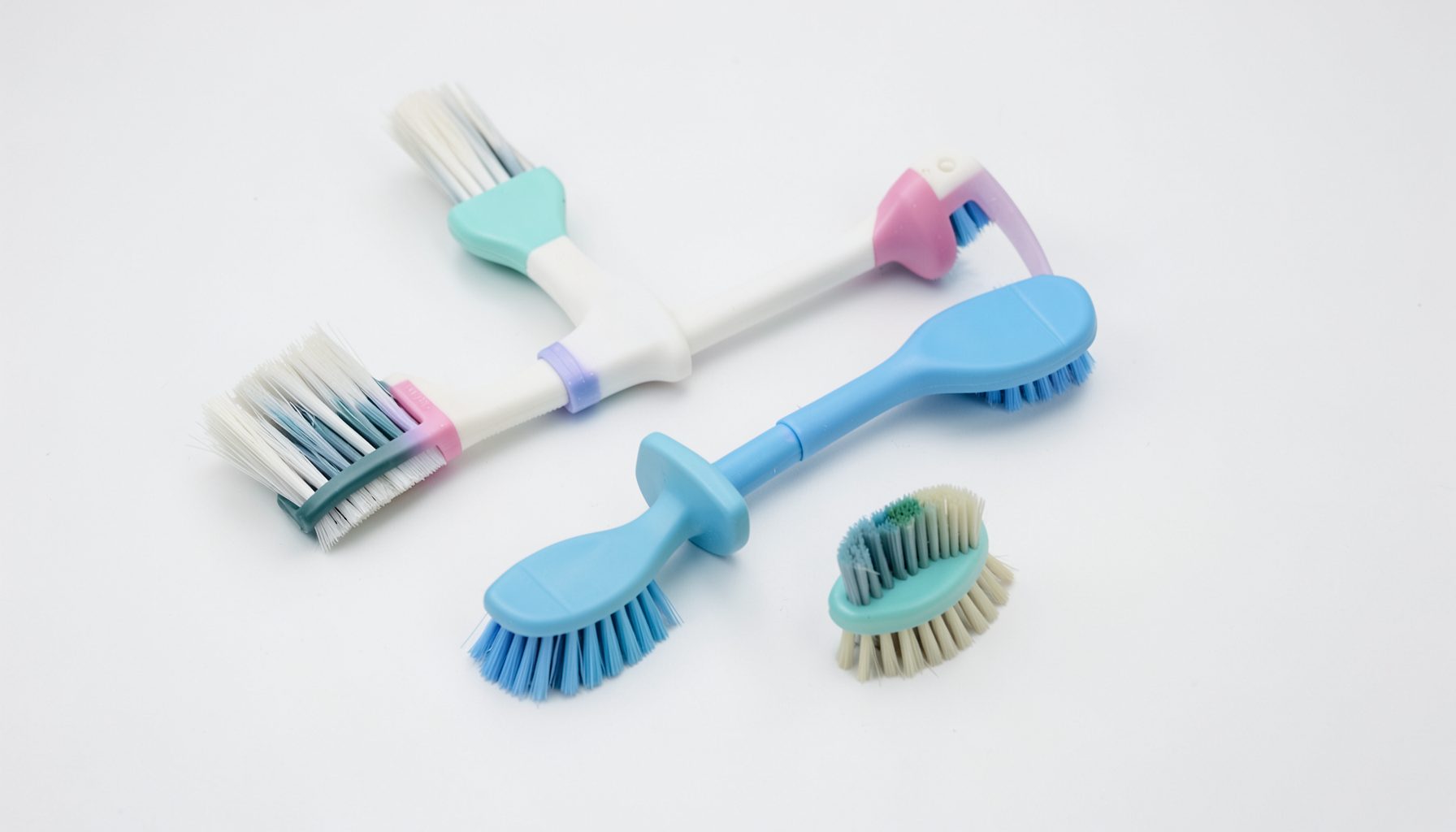
Switch nostrils and repeat. After use, rinse the bottle and let it air dry. Use ResQRinse Premium Cleaning Brushes for thorough cleaning.
How to soak your squeeze bottle in hydrogen peroxide for deep cleaning
A squeeze bottle used for saline can look clean while still holding salt, mucus and microscopic residue around the cap, valve and internal bend. Hydrogen peroxide may help break down organic material during a deep clean, but soaking never replaces rinsing after use. The safest method depends on the bottle material and closure, so start with the care guide supplied for that exact model.
Australian households have practical reasons to keep rinse bottles in good condition: humid air in Brisbane and Sydney can slow drying, while Melbourne’s spring pollen season can prompt frequent use. Products with therapeutic claims may need to appear in the Australian Register of Therapeutic Goods under TGA oversight. ACCC and state and territory consumer laws also govern misleading claims, warranties and product safety, including claims made on online marketplaces.
Check the bottle before soaking
Wash your hands, empty the bottle and rinse it with warm water and mild dish soap. Separate the cap, tube and valve only as the manufacturer directs, because some closures are designed to stay assembled. Remove visible residue with a clean bottle brush, paying attention to the narrow tube where saline can dry and crystallise.
A general reference such as general pharmacy guidance can help explain basic care, but it cannot identify whether your bottle’s plastic, cap and seals tolerate peroxide. Check the ResQRinse instructions or the manufacturer’s support page before putting any part in a bath of cleaner.
Do not soak a bottle that is cracked, badly discoloured, flexible or fitted with peroxide-incompatible parts. Prolonged exposure can fade printing, attack rubber seals or affect a valve, and a weakened bottle may leak during the next rinse. If the material or care instructions are unclear, use warm soapy water and a brush rather than guessing with a chemical soak.
Use hydrogen peroxide correctly
Use only plain hydrogen peroxide labelled 3% aqueous solution, the concentration commonly sold on Australian pharmacy and first-aid shelves. Do not use concentrated industrial peroxide, and do not dilute the 3% product unless the bottle guide asks for dilution. Stronger concentrations attack materials faster and leave more irritating residue if the bottle is not rinsed properly.
After the initial wash, pour in enough 3% solution to wet every internal surface. Keep the bottle upright in a sink or basin, separating the cap and valve as directed. Where the manufacturer permits a soak, a period of about 10–15 minutes is commonly used; follow the exact time given for your model and do not leave it overnight.
Work in a ventilated area and keep the solution away from children. Never mix peroxide with vinegar, bleach, ammonia or other cleaners, and never pour it into a nostril; it is a surface disinfectant, not a nasal rinse. If cleaning solution is swallowed or gets into the eyes, rinse the eyes with water and contact Australia’s Poisons Information Centre on 13 16 112, or call 000 in an emergency.
Rinse away every trace
Tip the peroxide into the sink, then rinse the bottle and its removable parts under cool or lukewarm running water. Fill, close, shake and empty it several times so no peroxide remains in the tube or around the closure. Three complete rinse cycles are a sensible minimum when the care guide does not specify more, but residue must still be judged by the instructions for that product.
For the drying stage, the quick drying routine explains how to clear trapped water after handwashing. A clean bottle brush can reach the tube and the lower corner where droplets collect. Rinse that brush separately and let it dry fully; a wet brush can return residue to the next bottle you clean.
Leave the bottle and cap open to air-dry in a clean, ventilated place rather than sealing them in a bathroom cupboard. Heat can distort plastic, so avoid a hot dishwasher unless the manufacturer expressly permits it. A bottle is ready for reuse only when every surface feels dry, not merely when the outside looks dry.
Know when a deeper clean is not enough
A soak will not repair a split seam, a cracked tube, a warped cap or a valve that no longer seals. Persistent white or yellow marks, a slimy film, an unpleasant odour or residue that remains after two careful cleaning cycles are strong reasons to replace the bottle. Trying to remove stubborn contamination from damaged equipment can leave material where the next irrigation will disturb it.
The ResQRinse technology overview explains the Nasal Lock design and intended operation of the brand’s squeeze-bottle system. Match any replacement bottle, cap or cleaning brush to the exact model, and follow its instructions rather than assuming all squeeze bottles have the same immersion limits. Nasal Lock technology supports controlled saline delivery, while the washable components still need regular care.
A clean bottle also does not make the rinse water sterile. Use fresh water specified by the product instructions, and do not use water that has been sitting in a bottle or tank. If rinsing does not ease ongoing congestion, or you have one-sided discharge, bleeding, severe facial pain or fever, arrange advice from a qualified health professional rather than increasing the strength or frequency of cleaning.
Build a reliable cleaning routine
General technique can be cross-checked against independent nasal-care guidance, but Australian product instructions and advice from your clinician take priority. A simple routine is easier to maintain during pollen season, winter colds or a household where several people share the same bathroom. Give each person their own bottle and never share a rinse bottle during an infection.
When buying from Amazon or Walmart, check that the listing includes English instructions, compatible replacement parts and delivery to your Australian address. Marketplace sellers may be overseas, so confirm the responsible Australian supplier, warnings and product information before use. Availability and local labelling can change, making the manufacturer’s current guidance the best reference.
- After each use, dismantle only the pieces allowed by the guide, wash them in warm soapy water, rinse with potable water and leave them open to air-dry.
- Follow the model’s peroxide instructions; where a 10–15 minute soak in 3% solution is approved, keep the bottle in a basin and rinse it thoroughly several times.
- Inspect the tube, cap, valve and brush weekly for cracks, hard salt deposits or stiffness, and replace damaged parts instead of trying to clean them back into service.
- Keep spare saline packets and a replacement bottle at home, especially during Melbourne’s pollen season or a cold period, so a dirty bottle is never used because no clean one is available.
A peroxide soak is useful when ordinary washing has not removed trapped residue, provided the bottle’s design permits it and every trace of peroxide is rinsed away. The combination of a short, correctly diluted soak, thorough rinsing and complete air-drying gives the bottle a hygienic reset without subjecting its seals and fittings to unnecessary chemical wear.
Clean the squeeze bottle today: check the model guide, use only approved 3% hydrogen peroxide, follow the permitted soaking time, rinse every component and let it dry fully before the next saline rinse. A clean, dry bottle is ready when you are.