ResQRinse is the nasal irrigation squeeze bottle that eliminates head-tilting and awkward neck positions. Using proprietary Nasal Lock™ technology, it delivers a comfortable, gag-free sinus cleanse — no more saline dripping down your throat.

Relief From Fall Sneezes
Now sold on Walmart.com. Free shipping on orders $30+. Try ResQRinse today with your everyday purchases.
Shop at WalmartWhy ResQRinse?
Nasal rinsing helps relieve congestion from colds, allergies, sinusitis, hay fever, and environmental pollutants. ResQRinse makes it comfortable enough to become a daily habit.
Nasal Lock™ Technology
Isolates sinuses from the throat using natural choanal occlusion — like inflating a balloon — so saline stays where it belongs.
Learn more →
Drug-Free Relief
Uses premixed saline packets with distilled water. No medications, no preservatives — just a natural cleanse for your nasal passages.
How to rinse →
For Kids Too
ResQRinse for Kids features a comfort nasal tip right-sized for smaller nostril openings, making rinsing gentle and easy for children.
Shop kids' version →
Breath-Controlled Flow
You control the saline flow with your own breath pressure — high volume, low pressure irrigation that's comfortable and effective.
Watch how-to videos →
Better Compliance
Designed to overcome the gagging and discomfort that cause people to abandon traditional neti pots and nasal rinse systems.
Our story →
Complete Kits Available
From the basic ResQRinse Nasal Rinse System ($19.99) to 90-day complete kits, saline packets, cleaning brushes, and Sinoptim Nasal Mist.
Browse all products →Get Started with ResQRinse
Ready to experience a better nasal rinse? Fill out the form below and we'll help you find the right product — or follow the simple steps to begin rinsing today.
Request More Information
How to Use ResQRinse
Fill the Bottle
Fill the ResQRinse squeeze bottle with distilled or previously boiled water and add one premixed saline packet.
Position the Tip
Place the comfort tip gently against one nostril. No head-tilting or awkward neck angles needed.
Squeeze & Breathe
Squeeze the bottle gently while breathing through your mouth. Nasal Lock™ keeps saline in your nasal passages and out of your throat.
Repeat & Clean
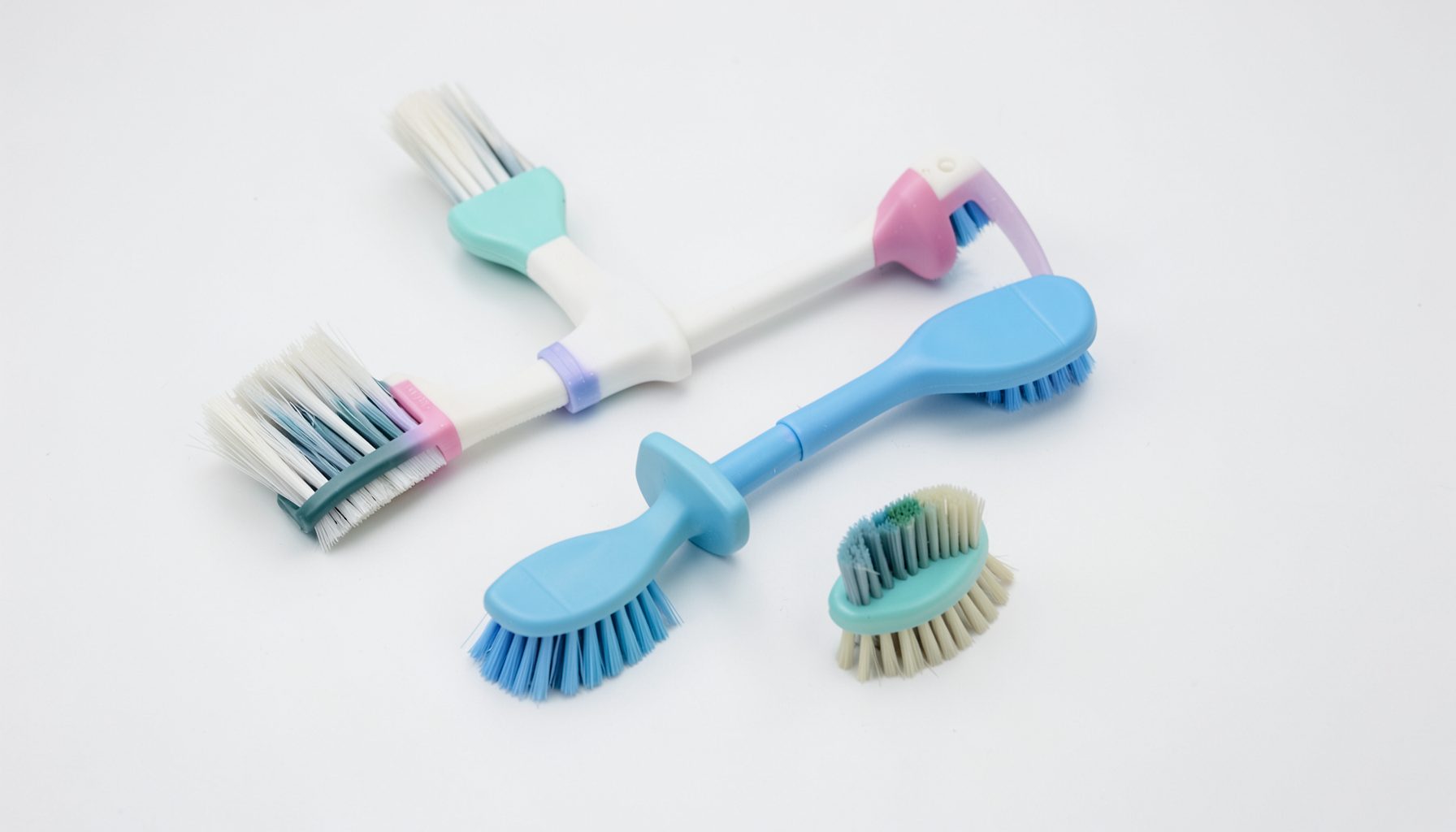
Switch nostrils and repeat. After use, rinse the bottle and let it air dry. Use ResQRinse Premium Cleaning Brushes for thorough cleaning.
How To Dry A Squeeze Bottle Quickly After Hand Washing
A nasal rinse squeeze bottle works best when it is clean, dry, and ready for the next use. Moisture left inside the bottle, cap, or nozzle can create an unpleasant environment for microbial growth and may dilute freshly prepared saline. A short drying routine after hand washing helps keep the equipment fresher between uses.
Drying does not need to be complicated or time-consuming. The key is to separate the parts, remove trapped droplets, and allow air to reach every interior surface. This approach works for adult rinse bottles, children’s nasal irrigation systems, and similar reusable containers.
Always follow the cleaning and care directions supplied with your specific product. For people who use nasal irrigation regularly, the ResQRinse rinse systems are designed with components that can be separated for cleaning and drying, making a consistent hygiene routine easier to manage.
Separate Every Removable Component
Begin by taking the squeeze bottle apart as far as the manufacturer permits. Remove the cap, nasal tip, valve, gasket, or other detachable pieces. Small parts often hold more water than the bottle itself, especially around threads, seals, and narrow openings.
Rinse away any remaining saline or residue with clean water, then shake each component over the sink. A few firm downward motions can dislodge droplets from the nozzle and valve. Avoid using excessive force on flexible silicone pieces, since stretching or twisting them may affect how the system seals.
If the bottle has a cleaning brush, use it only as directed. A brush can help remove residue from the neck or opening, but pushing it too deeply may damage an internal valve. Hand washing should be gentle and thorough rather than abrasive.
Remove Water Before Air Drying
Air drying is usually the safest way to dry a squeeze bottle, but it works much faster when most water has already been removed. Hold the bottle upside down and gently squeeze the sides once or twice to push air through the opening. Then shake it several times with the mouth facing downward.
Dry the outside with a clean, lint-free towel. Do not force a towel, tissue, or cotton swab into the bottle’s interior, because fibers can remain inside and interfere with the next rinse. Wipe around the neck, cap threads, tip, and valve where water commonly collects.
For narrow components, place them on a clean, dry towel and gently tap them against the towel to release droplets. If the nozzle can safely be opened or separated, position its openings downward. Never use a sharp object to clear a passageway.
Improve Airflow For Faster Drying
Once excess water is gone, place the bottle and its parts in an open, well-ventilated area. Rest the bottle upside down at an angle rather than flat against a countertop. An angled position leaves a small gap around the opening, allowing air to move inside and moisture to escape.
A clean dish-drying rack is useful because it keeps the parts elevated and separated. You can also place the bottle over a bottle-drying stand or on a fresh absorbent towel. Keep the cap and nasal tip beside the bottle rather than putting them back on while the interior is still damp.
The following methods vary in speed and suitability:
| Drying method | Speed | Best use | Important caution |
|---|---|---|---|
| Upside-down air drying | Moderate | Everyday cleaning | Keep parts separated |
| Air drying on a rack | Fast | Several components at once | Use a clean rack |
| Exterior towel drying | Immediate for outside surfaces | Removing visible droplets | Do not push fabric inside |
| Cool fan airflow | Fast | Humid rooms or quick turnaround | Keep the fan and area clean |
| Warm or hot air | Variable | Generally unnecessary | Heat may deform plastic or seals |
| Sealing while damp | Appears quick | Not recommended | Traps moisture and odor |
A cool fan can improve circulation when the room is humid, but the airflow should be clean and indirect. Avoid placing the bottle directly beside a sink splash zone, toilet, dusty window, or other source of contamination. Drying time depends on the bottle design, room humidity, and how thoroughly the parts were emptied.
Avoid Heat And Damp Storage
Using a hair dryer may seem like a convenient shortcut, but hot air can soften, warp, or age plastic and flexible seals. High heat may also make a component fit differently, causing leaks or reducing the reliability of the valve. If airflow is needed, use a clean fan on a cool setting and keep it several inches away.
Do not store a wet bottle inside a closed cabinet, travel pouch, drawer, or sealed plastic bag. A dark, enclosed space slows evaporation and can allow stale odors to develop. If the bottle must be transported soon after washing, keep the parts loosely separated until they are fully dry whenever possible.
A bottle that still feels damp inside should remain open longer. The outside may appear dry while water remains in the base, cap channel, or internal valve. Checking these areas takes only a few seconds and is more dependable than relying on the exterior surface.
Build A Simple Post-Rinse Routine
Consistent care is easier when the same steps happen after every use. Empty leftover solution, rinse the components, separate them, shake out water, wipe the exterior, and place everything in an open position. This sequence reduces the chance that a part will be forgotten under a cap or inside a closed bottle.
Use fresh, clean water for rinsing according to the product instructions, and prepare nasal saline exactly as directed. Do not save unused saline for a later session unless the manufacturer specifically permits it. A clean bottle cannot make an old or improperly stored solution safe.
These practical habits keep drying predictable:
- Wash your hands before handling freshly cleaned components.
- Keep the drying towel reserved for clean household items and replace it when damp.
- Position the bottle opening downward or at an angle to encourage drainage.
- Leave the cap, tip, and valve separated until every part is dry.
- Inspect for residue, odor, cloudiness, cracks, or damaged seals before reuse.
If a part remains persistently cloudy, cracked, sticky, or unpleasant-smelling after washing, stop using it and check the manufacturer’s replacement guidance. Damaged plastic and worn seals can be difficult to clean thoroughly and may affect the bottle’s performance.
Know When The Bottle Is Ready
A fully dry squeeze bottle should have no visible droplets inside, no trapped water around the cap or valve, and no musty odor. The opening, nasal tip, and other small channels should also be free of residue. If the bottle is needed quickly, prioritize removing water from these narrow areas because they dry more slowly than the broad outer surface.
Do not confuse a slightly cool surface with dampness. Touch alone is not always a reliable test. Look inside under good lighting, tilt the bottle in different directions, and check the seams and threads. Once the parts are dry, reassemble them according to the product directions and store the system in a clean, dry place.
For additional guidance on nasal irrigation care, cleaning, and everyday use, review these care and use tips. Product-specific instructions should take priority over general drying advice, particularly if the system contains a valve or specialized nasal-lock component.
Make this short process part of every hand-washing cycle: disassemble, drain, ventilate, and store only when dry. Keeping a clean drying rack or dedicated towel near the sink removes friction from the routine and helps ensure the squeeze bottle is comfortable, hygienic, and ready for its next use.