ResQRinse is the nasal irrigation squeeze bottle that eliminates head-tilting and awkward neck positions. Using proprietary Nasal Lock™ technology, it delivers a comfortable, gag-free sinus cleanse — no more saline dripping down your throat.

Relief From Fall Sneezes
Now sold on Walmart.com. Free shipping on orders $30+. Try ResQRinse today with your everyday purchases.
Shop at WalmartWhy ResQRinse?
Nasal rinsing helps relieve congestion from colds, allergies, sinusitis, hay fever, and environmental pollutants. ResQRinse makes it comfortable enough to become a daily habit.
Nasal Lock™ Technology
Isolates sinuses from the throat using natural choanal occlusion — like inflating a balloon — so saline stays where it belongs.
Learn more →
Drug-Free Relief
Uses premixed saline packets with distilled water. No medications, no preservatives — just a natural cleanse for your nasal passages.
How to rinse →
For Kids Too
ResQRinse for Kids features a comfort nasal tip right-sized for smaller nostril openings, making rinsing gentle and easy for children.
Shop kids' version →
Breath-Controlled Flow
You control the saline flow with your own breath pressure — high volume, low pressure irrigation that's comfortable and effective.
Watch how-to videos →
Better Compliance
Designed to overcome the gagging and discomfort that cause people to abandon traditional neti pots and nasal rinse systems.
Our story →
Complete Kits Available
From the basic ResQRinse Nasal Rinse System ($19.99) to 90-day complete kits, saline packets, cleaning brushes, and Sinoptim Nasal Mist.
Browse all products →Get Started with ResQRinse
Ready to experience a better nasal rinse? Fill out the form below and we'll help you find the right product — or follow the simple steps to begin rinsing today.
Request More Information
How to Use ResQRinse
Fill the Bottle
Fill the ResQRinse squeeze bottle with distilled or previously boiled water and add one premixed saline packet.
Position the Tip
Place the comfort tip gently against one nostril. No head-tilting or awkward neck angles needed.
Squeeze & Breathe
Squeeze the bottle gently while breathing through your mouth. Nasal Lock™ keeps saline in your nasal passages and out of your throat.
Repeat & Clean
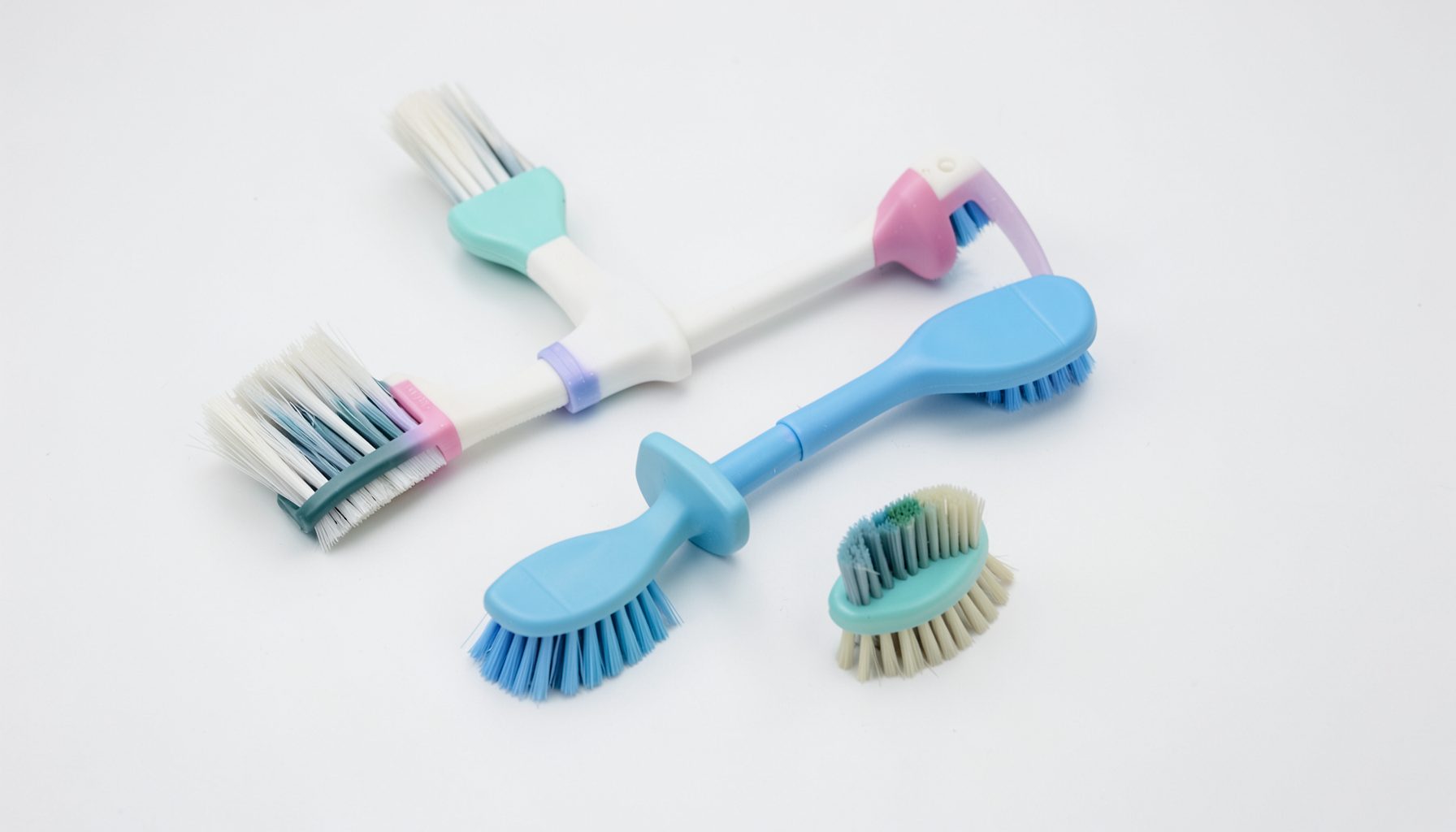
Switch nostrils and repeat. After use, rinse the bottle and let it air dry. Use ResQRinse Premium Cleaning Brushes for thorough cleaning.
How to rinse without triggering a gag reflex
Nasal irrigation can ease a blocked nose, thick mucus, allergy symptoms and sinus pressure, but the sensation may feel strange at first. Some people notice an urge to cough, swallow or gag when fluid moves towards the back of the throat. This response is usually linked to position, flow speed, mouth breathing or simply being unfamiliar with the process.
A calm setup makes a significant difference. With the right saline mixture, a comfortable bottle and a gentle technique, rinsing can become a straightforward part of a morning or evening routine. The aim is to wash through the nasal passages without forcing liquid into the throat or holding your breath.
Why the gag reflex can appear
The gag reflex protects the throat when something touches sensitive tissue at the back of the mouth. During nasal irrigation, saline may trickle towards the nasopharynx, especially if your head is tilted too far back or the bottle is squeezed too firmly. A blocked nose can also make you gasp or swallow suddenly, increasing the sensation.
Taste and temperature can contribute as well. Plain tap water may sting, while very cold or very warm liquid can make the rinse feel unpleasant. Always use the type of water recommended by the product instructions, such as distilled, sterile or previously boiled and cooled water, and mix it with the correct saline sachet.
A gag does not necessarily mean that nasal rinsing is unsuitable for you. It often means the flow needs to be slower, the angle needs adjusting or your breathing pattern needs more attention. Stop if you feel distressed, then restart only when your nose and throat feel settled.
Prepare your nose and saline solution
Before beginning, gently blow your nose to remove loose mucus. Do not forcefully clear each nostril, as vigorous blowing can irritate swollen nasal tissue. If the passages are completely blocked, wait a few minutes, breathe calmly and try again later rather than applying strong pressure.
Use a clean irrigation bottle and fresh saline solution for every rinse. A correctly mixed sachet is designed to be comfortable for the nasal lining. A weak or overly concentrated mixture may sting and make you tense your throat. Good hygiene is especially important in Australia, where households may use different tap-water sources across Sydney, Melbourne, Brisbane or regional areas.
Wash the bottle after use according to its instructions and allow it to dry fully. A cleaning brush can help reach the inside of a squeeze bottle, while a nasal mist may be a gentler option when you need moisture but are not ready for a full-volume rinse.
Use posture and breathing to stay relaxed
Lean over a sink with your head slightly forward and turn it to one side. Keep your forehead and chin roughly level rather than tipping your face upwards. This position encourages saline to travel through one nasal passage and out of the other instead of running straight towards your throat.
Keep your mouth open and breathe steadily through it. Softly saying “kuh” or making a gentle “ah” sound can help keep the soft palate in a more comfortable position. Avoid holding your breath, because the sudden need to inhale can make fluid feel as though it is entering the throat.
Start with the bottle tip resting securely at the nostril without pushing it deeply inside. Squeeze gradually and use only enough pressure to create a smooth stream. ResQRinse systems use Nasal Lock technology to help form a comfortable seal, which can make it easier to control the direction and pace of the saline.
For additional context on clearing a congested nose during a cold, this cold relief guide explains how nasal rinsing can fit into symptom care when breathing feels difficult.
Build a gentle rinse routine
Learning how to rinse without triggering a gag reflex is easier when the first sessions are brief. You do not need to use the full bottle immediately. A few seconds of low-pressure flow can help you understand the sensation and identify the most comfortable head angle.
Try the following sequence:
- Prepare fresh, correctly mixed saline at a comfortable temperature.
- Stand over the sink and lean slightly forward with your mouth open.
- Place the nozzle gently against one nostril and begin with minimal pressure.
- Breathe calmly through your mouth while the saline flows.
- Pause immediately if you feel throat irritation, coughing or a gagging sensation.
- Allow the solution to drain, then blow your nose softly without force.
- Rinse, clean and air-dry the bottle after finishing.
If liquid reaches your throat, spit it out rather than swallowing a large amount. A small trickle is generally uncomfortable rather than dangerous, but repeated flow into the throat indicates that you should adjust your posture or reduce pressure. Practising when you are not rushing to leave for work or school can also prevent tense, hurried squeezes.
Help children and sensitive users feel comfortable
Children may gag because they dislike the unfamiliar sensation, cannot coordinate mouth breathing or become anxious when liquid approaches the nose. A child-sized system, calm explanation and an adult demonstration can make the process less intimidating. Let the child hold the bottle first, inspect the nozzle and practise leaning over the sink before any saline is used.
Never force a child to continue through distress. Pause, offer reassurance and consider trying again later with a smaller amount of fluid. Parents in Australia may find it practical to include nasal rinsing in a predictable after-school or bedtime routine, particularly during pollen seasons in places such as Perth, Canberra and Adelaide.
Adults with a strong gag reflex can use the same gradual approach. Some prefer to begin with a nasal mist, then progress to a low-volume rinse once they feel more confident. Real-world experiences can be useful when deciding whether a system feels manageable, and these customer experiences may provide examples of how others adapted their routine.
Seek medical advice if you have severe facial pain, frequent nosebleeds, ear pressure, a high fever, symptoms that persist or worsen, or a condition affecting your immune system. A healthcare professional can advise whether irrigation is appropriate and how often to use it.
Choose safe information and suitable equipment
A squeeze-bottle system gives you more control over the flow than a traditional neti pot, which can be helpful when you are trying to avoid throat stimulation. A complete kit with saline sachets and cleaning accessories may also reduce preparation errors. Follow the manufacturer’s directions rather than improvising with table salt, essential oils or other additives.
Nasal irrigation is different from an oral mouthwash. Products intended for the mouth should not be put into the nose, even if their packaging mentions freshness or cleansing. This explanation of alcohol-free mouthwash is relevant to oral care, but it should not be treated as guidance for preparing nasal saline.
Be selective with health information and online purchases. Check that advice comes from a qualified clinician, a recognised health organisation or the product manufacturer, and be cautious with unrelated websites selling medicines. A page such as unverified online medicines is not a substitute for professional advice about nasal symptoms, allergies or sinus problems.
At Australian pharmacies and major retailers, you may see saline sprays, neti pots and squeeze bottles displayed together, but they serve different purposes. Compare the instructions, cleaning requirements, child suitability and availability of replacement sachets before choosing a system for regular use.
After several comfortable sessions, you can decide whether a morning rinse after waking, an evening rinse after outdoor exposure or occasional use during a cold suits your needs. Stop before discomfort becomes significant, and keep the process slow enough that your breathing remains calm.
Start with a fresh saline sachet, a clean ResQRinse bottle and a few unhurried minutes at the sink. Use gentle pressure, keep your head slightly forward, breathe through your mouth and adjust the angle whenever fluid begins moving towards your throat. With consistent technique, nasal irrigation can become a comfortable way to support clearer breathing.