ResQRinse is the nasal irrigation squeeze bottle that eliminates head-tilting and awkward neck positions. Using proprietary Nasal Lock™ technology, it delivers a comfortable, gag-free sinus cleanse — no more saline dripping down your throat.

Relief From Fall Sneezes
Now sold on Walmart.com. Free shipping on orders $30+. Try ResQRinse today with your everyday purchases.
Shop at WalmartWhy ResQRinse?
Nasal rinsing helps relieve congestion from colds, allergies, sinusitis, hay fever, and environmental pollutants. ResQRinse makes it comfortable enough to become a daily habit.
Nasal Lock™ Technology
Isolates sinuses from the throat using natural choanal occlusion — like inflating a balloon — so saline stays where it belongs.
Learn more →
Drug-Free Relief
Uses premixed saline packets with distilled water. No medications, no preservatives — just a natural cleanse for your nasal passages.
How to rinse →
For Kids Too
ResQRinse for Kids features a comfort nasal tip right-sized for smaller nostril openings, making rinsing gentle and easy for children.
Shop kids' version →
Breath-Controlled Flow
You control the saline flow with your own breath pressure — high volume, low pressure irrigation that's comfortable and effective.
Watch how-to videos →
Better Compliance
Designed to overcome the gagging and discomfort that cause people to abandon traditional neti pots and nasal rinse systems.
Our story →
Complete Kits Available
From the basic ResQRinse Nasal Rinse System ($19.99) to 90-day complete kits, saline packets, cleaning brushes, and Sinoptim Nasal Mist.
Browse all products →Get Started with ResQRinse
Ready to experience a better nasal rinse? Fill out the form below and we'll help you find the right product — or follow the simple steps to begin rinsing today.
Request More Information
How to Use ResQRinse
Fill the Bottle
Fill the ResQRinse squeeze bottle with distilled or previously boiled water and add one premixed saline packet.
Position the Tip
Place the comfort tip gently against one nostril. No head-tilting or awkward neck angles needed.
Squeeze & Breathe
Squeeze the bottle gently while breathing through your mouth. Nasal Lock™ keeps saline in your nasal passages and out of your throat.
Repeat & Clean
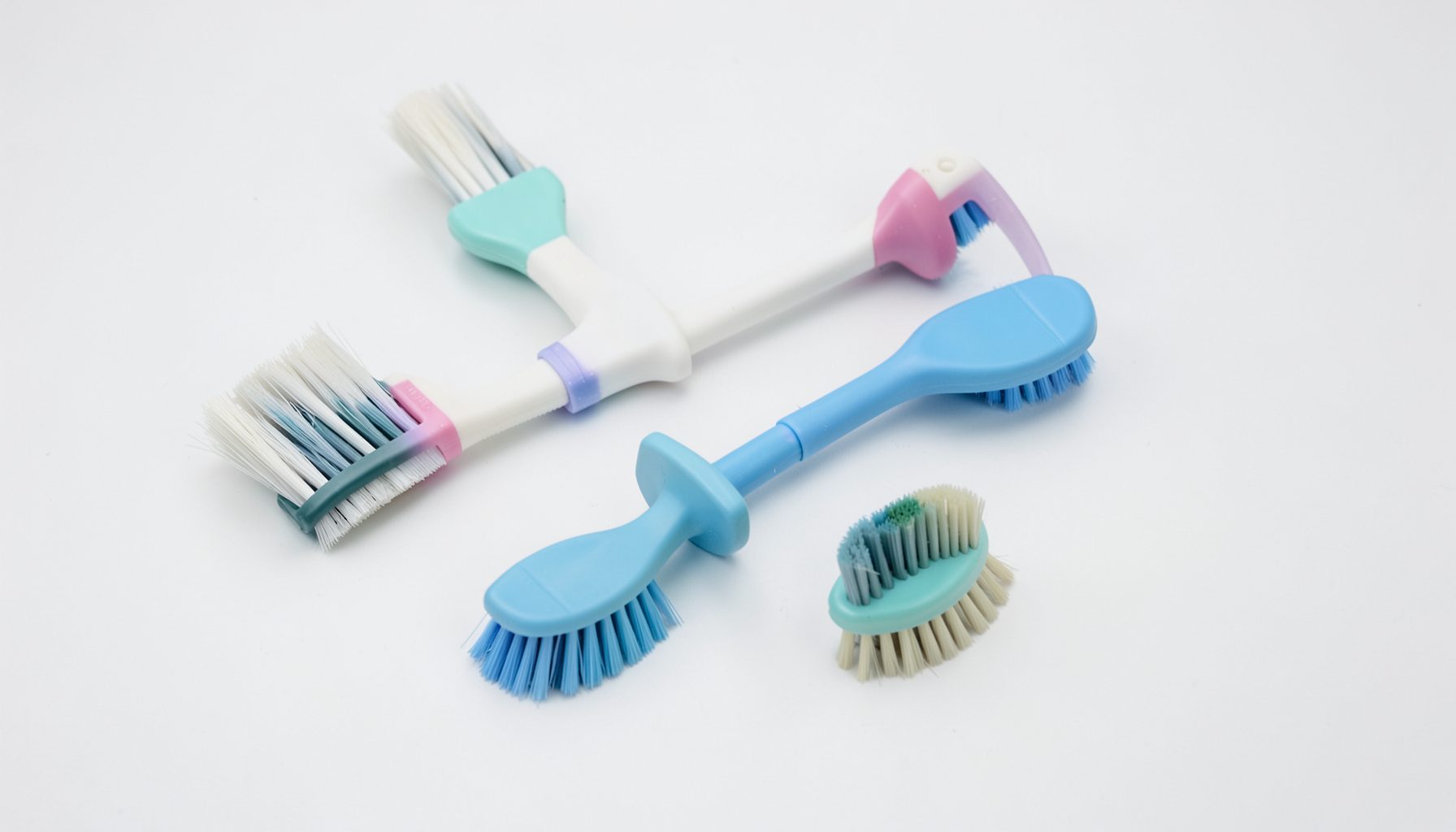
Switch nostrils and repeat. After use, rinse the bottle and let it air dry. Use ResQRinse Premium Cleaning Brushes for thorough cleaning.
How to rinse mess-free while coughing through a cold
Cold and flu season in Australia rolls in alongside the cooler months across Sydney and Melbourne, and plenty of households end up with at least one snuffling family member. When a head cold settles in next to a hacking cough, a simple saline rinse can suddenly feel like a production. Water ends up in places it shouldn't, a sudden coughing fit sends droplets across the bathroom mirror, and the whole experience feels like more trouble than it is worth.
The fix is not to abandon nasal irrigation but to adapt the routine so it works with a chesty cold rather than against it. A few small adjustments to timing, positioning, and the kit itself can keep splashes, drips, and surprise sneezes contained. Most Australians already keep tissues and a Chemist Warehouse stash of cold and flu tablets close by, so the real change is how you approach the rinse itself.
A squeeze-bottle system with a soft silicone tip, such as the ResQRinse website range, gives far more control than a traditional neti pot when every breath feels like a trigger. The sealed nozzle means each squirt is metered, the bottle does not tip mid-fit, and you can pause the moment a cough builds. Paired with a sensible routine, it turns a stressful chore into a quick reset.
The walkthrough below keeps the bathroom tidy even when your lungs have other ideas. Whether you are dealing with day-three congestion in a Brisbane share house or nursing a child through a winter bug in Adelaide, these steps translate to any Australian bathroom.
Setting up your rinse space
A tidy setup is half the battle won. Before reaching for the saline packet, spend two minutes preparing the area so any splashes land where you want them. Lay a small hand towel flat on the vanity, then place a folded towel beside the basin. Keep a fresh tissue or two within arm's reach, ideally the soft lotion kind that does not shred a sore nose.
Fill the sink with a thin layer of warm water beforehand. The rinse does not need it, but any stray drips will blend in quietly. Stand up straight rather than hunching, which keeps the chest open and matters when a cough is sitting on the diaphragm.
Lighting also plays a quiet role. Harsh fluorescent bulbs can make eyes water on top of a streaming nose, setting off another coughing spell. A softer hallway lamp or a dimmable vanity bulb lets you see what you are doing without triggering the tear ducts. Australians who have battled winter colds in older federation homes with one tiny window know exactly how much difference a well-placed lamp makes on a grey July morning.
Timing your rinse between coughs
The worst moment to start a rinse is right after a sustained coughing jag, because the sinuses are already inflamed and pressure feels ten times worse. Equally bad is the second a tickle starts in the throat. Aim instead for the calm window that often follows a bout, when the chest has settled and nose breathing feels slightly easier than it did five minutes earlier.
If you are dosing up on cold and flu medication from the chemist, schedule the rinse for about twenty minutes after a dose so the airways have begun to relax. Keep a mental note of your own cough pattern; many people find theirs clusters in the late afternoon or first thing in the morning. Picking the gap between clusters is far less risky than fighting through one.
For parents rinsing a child's nose during a winter cold, pick the moment they are absorbed in a quiet activity, like watching Bluey or staring at a picture book, rather than mid-tantrum. A still child makes the whole process cleaner. If you want to read more about adapting routines for sensitive airways, the nasal rinse for smokers clearing irritants page also walks through technique adjustments that translate well to anyone with a reactive chest.
Step-by-step mess-free technique
Once the moment is right, the technique should be unhurried. Wash your hands, then mix the saline packet with lukewarm water in the squeeze bottle. Lukewarm matters: water that is too cold shocks the sinuses and brings on a sneeze, while water that is too warm can feel stingy and trigger a cough.
Lean forward over the basin at roughly a forty-five degree angle, mouth open and breathing through it the entire time. Press the nozzle gently against one nostril so it seals without forcing. Squeeze the bottle with a slow, steady pressure rather than a hard blast. A gentle flow is more effective and dramatically less likely to send droplets onto the mirror or shirt.
If a cough starts building, stop squeezing immediately and breathe out slowly through the mouth until the urge passes. The squeeze-bottle design means no saline moves the moment you release, so nothing is left to drip. Wipe the nose with a tissue, then resume with the other side. The whole process usually takes under a minute, which matters when energy is low.
Choosing the right position and angle
Posture is the difference between a clean rinse and a wet shirt. Stand tall with the chin slightly tucked toward the chest, rather than craning the neck back. Tilting the head back sends liquid toward the back of the sinuses and frequently triggers a cough.
Keep elbows close to the body so the bottle stays stable. Two free hands mean better control, which is the real secret to keeping things dry. Bending awkwardly to chase a slippery bottle with one hand while clutching a tissue with the other is a recipe for a mess.
Bathroom size matters too. In a compact apartment laundry-cum-bathroom in inner Sydney, a full stand-over the basin works well. In a bigger family bathroom in Perth, you might prefer kneeling close to the tub with a towel laid across the rim. Either way, the goal is to be lower than the nozzle so gravity does the work.
Managing drips after the rinse
Even the most careful rinse leaves a trickle in the minutes afterwards. Bend forward gently and let the remaining saline drain from each nostril into the basin, then give a soft blow into a tissue, one side at a time. Blowing too hard pushes saline into the ears and can spark a fresh coughing fit, so patience pays off.
Pat, do not rub, the area around the nostrils with a soft tissue. The skin here is raw after days of blowing, and rubbing only inflames it further. A thin layer of paw paw ointment afterwards creates a barrier against the next round of dripping, which helps when tissues have left the skin feeling like sandpaper.
If you are moving from the bathroom back to the couch for the arvo, fold a clean tissue into a small square and tuck it into a shirt pocket or sleeve cuff. It sounds finicky, but it is a habit Australians pick up quickly during flu season, and it stops the inevitable post-rinse drip from landing on the doona.
When coughing disrupts the flow
Sometimes a cough simply will not wait. If a fit hits mid-rinse, set the bottle down on the vanity rather than trying to hold it steady through the spasm. The sealed nozzle means nothing leaks, but a sudden jolt with a half-full bottle can send saline across the room. Step back, cover the mouth, and let the cough run its course before resuming.
If coughing fits are coming on every few minutes, try rinsing in shorter bursts across the day rather than one longer session. A quick half-bottle after a hot lemon and honey drink, then another before bed, is more manageable than a full rinse during peak symptoms. This pacing also helps if you are layering other medications; spacing the rinse away from doses avoids any rebound congestion.
For those who find the cough-sinus link especially stubborn, it can help to read up on broader health routines that support the airways. Some readers cross-check related health references to understand how different medications interact, while others look at oral care habits on trusted dental health sites to rule out referred symptoms. Pairing a rinse routine with sensible medical advice keeps the whole picture clearer.
Stocking a cold-season rinse kit
A small caddy kept under the bathroom sink saves you from rummaging through cupboards when you feel awful. Stock it with the basics so a rinse can happen any time without a shopping run.
- Two squeeze bottles, one in use and one spare, both labelled with a permanent marker
- A box of saline packets, plus a small jar of plain Australian table salt for emergencies
- Soft lotion tissues, the unscented kind, plus a roll of paper towel for spills
- A dedicated hand towel that never leaves the caddy, washed weekly in hot water
Smart habits around cough days
A few daily tweaks make the rinse smoother and the bathroom less of a disaster zone when you are feeling crook.
- Sip warm fluids between rinses to keep mucus loose and reduce sudden coughing jags
- Run a humidifier in the bedroom overnight so the morning rinse is less shocking
- Keep a small lined bin next to the basin so used tissues do not pile up on the vanity
- Wash the squeeze bottle with the cleaning brush after each use and air-dry it upside down
Ready to make the rinse routine easier
Stock up before the next cold hits so you are not caught off guard. The full FAQs page answers practical questions about cleaning, water quality, and how often to rinse during a chesty illness, which makes it a handy reference to bookmark now while you are feeling fine.
Browse the complete range of squeeze bottles, kids' versions, and replacement saline packs at ResQRinse and add the kit to your next order so it is ready to grab when the first sniffle of winter rolls in.