ResQRinse is the nasal irrigation squeeze bottle that eliminates head-tilting and awkward neck positions. Using proprietary Nasal Lock™ technology, it delivers a comfortable, gag-free sinus cleanse — no more saline dripping down your throat.

Relief From Fall Sneezes
Now sold on Walmart.com. Free shipping on orders $30+. Try ResQRinse today with your everyday purchases.
Shop at WalmartWhy ResQRinse?
Nasal rinsing helps relieve congestion from colds, allergies, sinusitis, hay fever, and environmental pollutants. ResQRinse makes it comfortable enough to become a daily habit.
Nasal Lock™ Technology
Isolates sinuses from the throat using natural choanal occlusion — like inflating a balloon — so saline stays where it belongs.
Learn more →
Drug-Free Relief
Uses premixed saline packets with distilled water. No medications, no preservatives — just a natural cleanse for your nasal passages.
How to rinse →
For Kids Too
ResQRinse for Kids features a comfort nasal tip right-sized for smaller nostril openings, making rinsing gentle and easy for children.
Shop kids' version →
Breath-Controlled Flow
You control the saline flow with your own breath pressure — high volume, low pressure irrigation that's comfortable and effective.
Watch how-to videos →
Better Compliance
Designed to overcome the gagging and discomfort that cause people to abandon traditional neti pots and nasal rinse systems.
Our story →
Complete Kits Available
From the basic ResQRinse Nasal Rinse System ($19.99) to 90-day complete kits, saline packets, cleaning brushes, and Sinoptim Nasal Mist.
Browse all products →Get Started with ResQRinse
Ready to experience a better nasal rinse? Fill out the form below and we'll help you find the right product — or follow the simple steps to begin rinsing today.
Request More Information
How to Use ResQRinse
Fill the Bottle
Fill the ResQRinse squeeze bottle with distilled or previously boiled water and add one premixed saline packet.
Position the Tip
Place the comfort tip gently against one nostril. No head-tilting or awkward neck angles needed.
Squeeze & Breathe
Squeeze the bottle gently while breathing through your mouth. Nasal Lock™ keeps saline in your nasal passages and out of your throat.
Repeat & Clean
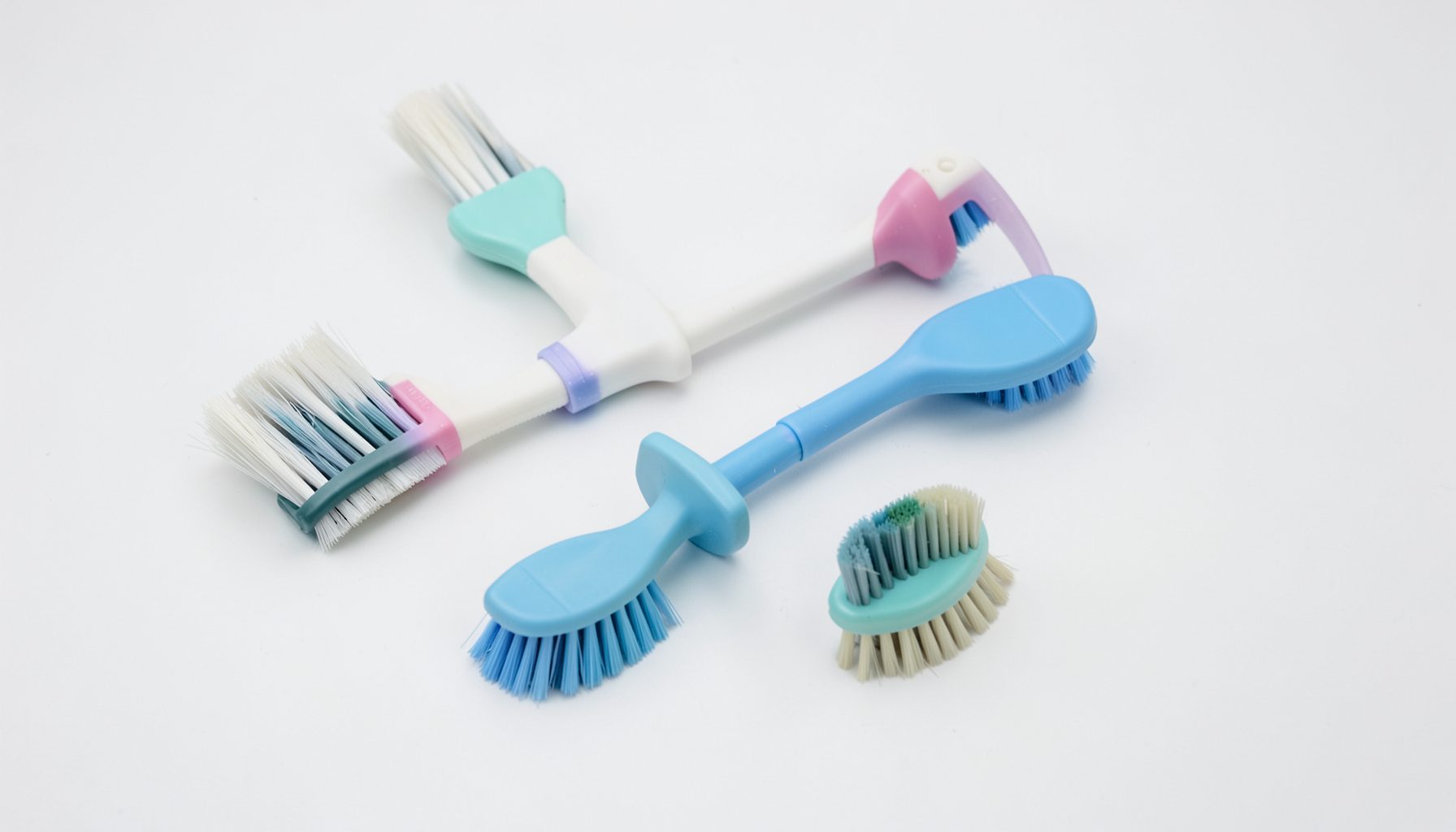
Switch nostrils and repeat. After use, rinse the bottle and let it air dry. Use ResQRinse Premium Cleaning Brushes for thorough cleaning.
How to Rinse with a Child-Sized Bottle: Tips for Parents
Nasal irrigation can help wash away mucus, dust, pollen and other irritants when a child has a blocked or runny nose. A child-sized squeeze bottle is designed to make the process gentler and easier to control than an adult bottle, especially for children who are learning how to breathe through their mouth during a rinse.
The aim is a calm, simple routine rather than a forceful flush. Parents in Australia may find nasal rinsing useful during grass-pollen season, after exposure to dusty outdoor areas, or when dry conditions and bushfire smoke have irritated the nose. Always use the correct saline mixture and follow the instructions supplied with the bottle.
Choose The Right Bottle And Time
Start with a nasal rinse system made for your child’s age and size. A smaller bottle is easier for small hands, while a lower-volume design can help prevent parents from applying too much pressure. ResQRinse children’s systems include features intended to make the flow more comfortable, but the bottle should still be used exactly as directed.
Choose a time when your child is alert and unhurried. Before school may be too rushed, particularly in busy households in Sydney, Melbourne or Brisbane. After a bath, before bedtime, or after returning from outdoor play can be more relaxed options. For children affected by seasonal allergies, this guide to the best time to rinse can help parents plan a consistent routine.
Do not rinse while a child is lying down, upset, or trying to talk and swallow at the same time. Babies and very young children should not be given nasal irrigation unless a qualified healthcare professional has specifically recommended it.
Prepare The Saline Safely
Use a pre-measured saline sachet made for nasal irrigation rather than mixing salt by eye. The right balance helps reduce stinging and makes the rinse more comfortable. Do not use plain tap water on its own, seawater, homemade salty water, or a solution intended for contact lenses.
Water safety matters. Use sterile or distilled water, or tap water that has been boiled and allowed to cool according to the product instructions and local health advice. In Australia, tap water is treated in most metropolitan areas, but families should still follow the directions for their particular nasal rinse system. Water quality advice can vary during emergencies, floods or local infrastructure problems.
Prepare the solution in a clean bottle immediately before use. Check that the water feels lukewarm rather than hot, and test a small amount on the inside of your wrist if necessary. A solution that is too cold may feel unpleasant, while hot water can injure delicate nasal tissue.
Set Up A Comfortable Position
Have your child stand or sit over a basin, shower floor or sink. Ask them to lean slightly forward, keep the mouth open and turn the head gently to one side. The forehead and chin should remain reasonably level, so the solution can flow through the nasal passages rather than towards the throat.
Younger children may need to practise the position before any saline is introduced. Pretend to squeeze an empty bottle, or let them watch a parent use a rinse system first. A towel around the shoulders and a small mirror can make the routine less messy and help the child understand what is happening.
Keep tissues nearby, but avoid asking the child to blow hard immediately afterwards. Gentle nose blowing is usually enough to clear remaining fluid. If the child coughs, feels distressed or cannot maintain the position, stop and try again later rather than turning the rinse into a struggle.
Use A Gentle, Controlled Squeeze
Place the bottle tip against the nostril as directed by the manufacturer, without pushing it deeply into the nose. Encourage the child to breathe through the mouth. Squeeze slowly and steadily; the goal is a comfortable flow, not a powerful jet.
Children’s nasal rinse bottles commonly use a lower flow rate than adult systems because smaller nasal passages can be more sensitive. Read about why a lower flow rate is used in children’s products before starting, particularly if you are moving from a standard adult bottle.
Some saline may come out through the other nostril, while a little may drain into the mouth. This can be normal, but the child should spit it out rather than swallow a large amount. Stop if there is significant pain, ear pressure, bleeding, wheezing or persistent coughing. Never squeeze harder to force solution through a blocked side.
Make The Routine Less Stressful
Children respond well when the steps are predictable. Use the same short sequence each time: prepare the saline, lean forward, breathe through the mouth, rinse gently, spit or wipe, then blow the nose softly. Praise cooperation rather than focusing on whether every drop went through.
Avoid presenting the rinse as a punishment for having a cold or refusing to blow their nose. Let the child hold a tissue, choose whether to stand on a step stool, or select a particular time before bed. These small choices can give them a sense of control without changing the safety steps.
A nasal rinse may be useful for congestion linked with colds, allergies or sinus symptoms, but it is not right for every child or every situation. If the nose is completely sealed, the child has severe pain, or symptoms continue, speak with an Australian GP or pharmacist. Healthdirect can also provide general health information, while urgent symptoms require prompt medical attention.
Clean The Bottle After Every Use
Rinse the bottle and cap as soon as the session is finished. Follow the manufacturer’s cleaning instructions, using safe water and a mild cleaning method recommended for that product. Do not leave leftover saline in the bottle, since moisture and residue can allow unwanted growth.
Allow every part to air-dry completely before reassembling or storing it. A cleaning brush can help reach the inside of a squeeze bottle, but it should also be washed and dried. Replace the bottle, nozzle or other parts at the intervals stated in the instructions, or sooner if they become cracked, cloudy or difficult to clean.
Keep the child’s nasal rinse separate from toothbrushes, bath toys and medicines. In a busy Australian family bathroom, particularly where several children share a space, a labelled container can prevent bottles and saline sachets from being mixed up. This advice on how to organise your rinse kit can help keep supplies clean and accessible.
Know When To Seek Medical Advice
Mild brief tingling, an unusual sensation in the ears, or a small amount of drainage may occur while a child is learning. These symptoms should settle quickly when the rinse stops. Repeated discomfort is a sign to review the position, temperature, saline measurement and flow, rather than continuing with more pressure.
Contact a GP if your child has ongoing blocked breathing, recurring nosebleeds, facial swelling, severe headache, ear pain, fever, or symptoms that are getting worse. A medical professional can check for infection, allergies, enlarged adenoids or another cause of nasal obstruction and advise whether irrigation is suitable.
Seek urgent care for breathing difficulty, unusual drowsiness, swelling around the eyes, or a serious reaction. Children with recent nasal surgery, frequent nosebleeds or complex medical conditions may need individual instructions before using a saline rinse. Keep the product packaging available so the clinician can see the exact system and saline ingredients.
A child-sized bottle works best when it is used gently, hygienically and at a pace the child can manage. Choose a suitable saline system, prepare the water carefully, demonstrate the position, and stop if the experience causes pain or distress. Explore ResQRinse children’s nasal rinse products, saline sachets and cleaning accessories through the available online retail channels, including Walmart and Amazon, and follow the package directions for safe everyday use.