ResQRinse is the nasal irrigation squeeze bottle that eliminates head-tilting and awkward neck positions. Using proprietary Nasal Lock™ technology, it delivers a comfortable, gag-free sinus cleanse — no more saline dripping down your throat.

Relief From Fall Sneezes
Now sold on Walmart.com. Free shipping on orders $30+. Try ResQRinse today with your everyday purchases.
Shop at WalmartWhy ResQRinse?
Nasal rinsing helps relieve congestion from colds, allergies, sinusitis, hay fever, and environmental pollutants. ResQRinse makes it comfortable enough to become a daily habit.
Nasal Lock™ Technology
Isolates sinuses from the throat using natural choanal occlusion — like inflating a balloon — so saline stays where it belongs.
Learn more →
Drug-Free Relief
Uses premixed saline packets with distilled water. No medications, no preservatives — just a natural cleanse for your nasal passages.
How to rinse →
For Kids Too
ResQRinse for Kids features a comfort nasal tip right-sized for smaller nostril openings, making rinsing gentle and easy for children.
Shop kids' version →
Breath-Controlled Flow
You control the saline flow with your own breath pressure — high volume, low pressure irrigation that's comfortable and effective.
Watch how-to videos →
Better Compliance
Designed to overcome the gagging and discomfort that cause people to abandon traditional neti pots and nasal rinse systems.
Our story →
Complete Kits Available
From the basic ResQRinse Nasal Rinse System ($19.99) to 90-day complete kits, saline packets, cleaning brushes, and Sinoptim Nasal Mist.
Browse all products →Get Started with ResQRinse
Ready to experience a better nasal rinse? Fill out the form below and we'll help you find the right product — or follow the simple steps to begin rinsing today.
Request More Information
How to Use ResQRinse
Fill the Bottle
Fill the ResQRinse squeeze bottle with distilled or previously boiled water and add one premixed saline packet.
Position the Tip
Place the comfort tip gently against one nostril. No head-tilting or awkward neck angles needed.
Squeeze & Breathe
Squeeze the bottle gently while breathing through your mouth. Nasal Lock™ keeps saline in your nasal passages and out of your throat.
Repeat & Clean
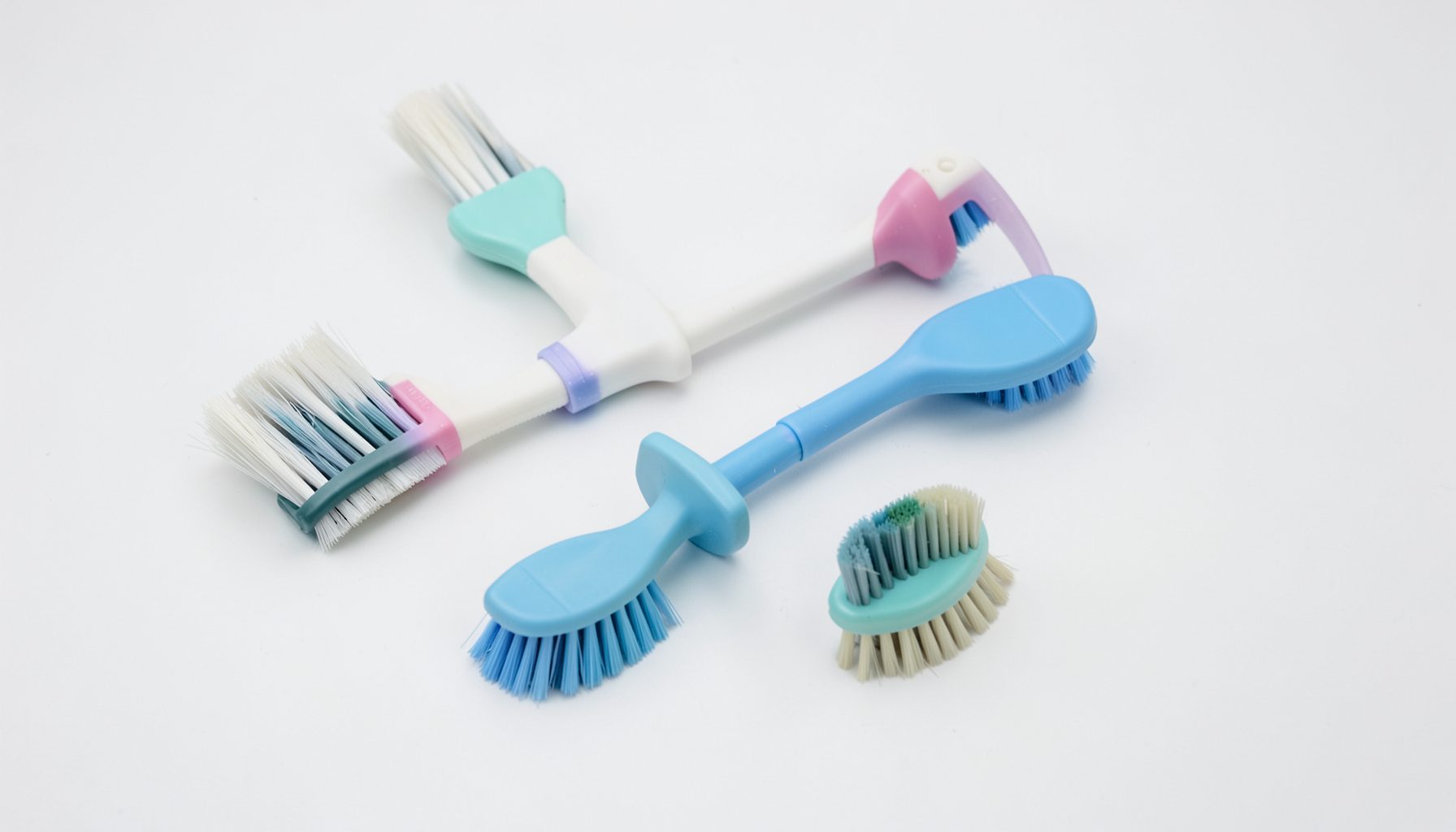
Switch nostrils and repeat. After use, rinse the bottle and let it air dry. Use ResQRinse Premium Cleaning Brushes for thorough cleaning.
Rinsing Safely With a Nosebleed Scab Without Knocking It Loose
A small crust inside the nostril is one of those quietly annoying things that can throw off an entire daily routine. Many Australians who rely on a saline flush to keep sinus congestion or hay fever under control find themselves wondering whether they should keep rinsing while a scab is still healing, or whether the water pressure will simply peel the protective layer away and restart the bleeding. Knowing how to rinse when you have a nosebleed scab and want to avoid dislodging it is a small skill that pays off through allergy season, dry winter months, and the occasional bumped nose.
The good news is that with the right timing, the right technique, and the right solution, a nasal rinse can usually stay on the calendar without disturbing a forming clot. Because Australia's climate varies so much from the dry interior to the humid coast, the way a scab behaves inside the nose can shift with the seasons and the local air, so a flexible approach tends to work better than a fixed rule.
Why the Crust Matters While It Is Forming
A scab in the nasal passage is doing a very specific job. It seals tiny damaged vessels while new skin grows back underneath, and that protective layer is far more fragile than it looks. In the early days, anything that creates suction, friction, or sudden pressure can lift the edge and reopen the wound. Sniffing sharply, blowing firmly, or aiming a strong stream of saline at the wrong angle is often enough to cause a setback.
Australians who live in drier climates see this play out every winter, when indoor heating pulls moisture out of the air. Homes in Canberra, Adelaide, and parts of rural New South Wales tend to run ducted or gas heaters for months, and the lack of humidity makes nasal membranes brittle. A scab that might stay put in Brisbane's subtropical dampness can crack and lift after a single night beside a heater. Adjusting the rinse routine to the local environment matters as much as adjusting the technique itself.
Pollen is the other big factor. Melbourne's spring brings an intense grass pollen season, often peaking around the AFL Grand Final long weekend in late September or early October, and many users rinse daily to manage symptoms through that period. If a nosebleed happens mid-season, dropping the rinse completely can mean weeks of congestion return. A gentler approach bridges that gap instead.
When to Pause and When to Resume
The simplest rule is to skip active rinsing while the area is still actively bleeding or only hours into forming a clot. The first 24 to 48 hours are the riskiest window for dislodging a fresh scab, and most nasal rinse manufacturers recommend waiting until bleeding has fully stopped before introducing any water into the nostril. For specifics on timing around other nasal routines, the FAQs page walks through the most common scenarios.
Once the bleeding has stopped and the scab looks dark and firmly attached, light rinsing can usually be reintroduced. Many Australians find that three to five days into healing is a comfortable starting point, though anyone on long-term blood thinners or with recurrent epistaxis should check with their GP first. A handy local habit is to keep the saline packets, a clean squeeze bottle, and tissues together in a small pouch so the routine is ready the moment the body gives the green light.
It also helps to think in terms of the day rather than the calendar. If you wake up with a dry, tight feeling in the nostril and the scab looks lifted at the edge, treat that as a sign to wait another 24 hours. If it looks settled and there is no fresh blood on the tissue after a gentle blow, you can proceed with confidence.
Softening Pressure Without Skipping the Flush
The biggest change when rinsing around a healing scab is how the bottle is squeezed. A quality nasal irrigation system lets you control the pressure by how hard you compress the sides. For a scab, the goal is just enough force to move saline through the passage, not enough to blast it. Holding the bottle with two fingers instead of a full grip, and tilting the head slightly forward over a sink, keeps the stream low and steady.
The temperature of the water is worth paying attention to as well. Cool water can sting and cause the vessels to contract sharply, while very warm water can soften a forming scab too much. Body-temperature distilled or previously boiled water, mixed with a balanced saline packet, sits in the comfortable middle. That is the same standard recommended for everyday use, and it pairs well with the morning congestion rinse routine many households already follow.
Aim the nozzle slightly toward the ear on the same side, not straight up the nasal bridge, so the solution sweeps along the floor of the passage rather than hitting the upper septum where scabs often sit. If only one nostril is healing, rinsing the other side first can clear the bulk of allergens or mucus without much contact with the sore area, which is a useful trick during peak pollen weeks.
Choosing the Right Saline Mix
Plain isotonic saline is the safest option while a scab is present. Hypertonic mixes pull more water out of the tissue and can dry the area further, sometimes causing the crust to crack early. Pre-measured packets are handy because they remove the guesswork, and they are designed to match the bottle's pressure profile, which keeps the pour consistent each time.
Avoid adding anything extra to the mix during the healing window. A few drops of essential oil, a homemade baking soda blend, or even a tiny splash of iodine can irritate raw tissue and slow repair. Australian chemists such as Chemist Warehouse and Priceline stock a wide range of saline options, but for rinse bottles specifically, the branded sachets from the manufacturer are usually the best match for the system's nozzle and flow rate.
If the tap water at home is hard, which is common in parts of Western Australia and inland Queensland, it is worth using filtered or previously boiled water rather than running straight from the tap. Hard water can leave small mineral deposits on a healing scab and make it itchy, which often leads to rubbing or picking. Keeping the rinse gentle and the water clean gives the new skin underneath the best chance to knit together.
Habits That Quietly Set Healing Back
The most common reason a nasal rinse seems to dislodge a scab is not the rinse itself, but the moments around it. Blowing the nose hard right after a flush can shear off the edge of a crust that has just softened with saline. Patting the nostril dry with a soft tissue, or letting the remaining fluid drip into a tissue without squeezing, protects the area while still clearing the excess.
Picking, even gently, is the fastest way back to square one. If the scab feels itchy or rough during the day, a thin layer of plain saline gel or a small dab of an approved nasal ointment can reduce the urge. Australian pharmacies stock these products year-round because so many people deal with recurring dryness from air-conditioning in summer or heaters in winter.
Travel also matters. A change in cabin pressure on a flight from Sydney to Perth, or a long drive across the Hay Plain, can dry a healing scab quickly. Keeping a small rinse kit in carry-on makes it easy to flush gently after landing, and the travel kit packing guide walks through which pieces fit in a clear quart-sized pouch without leaks.
If bleeding does restart despite a careful routine, lean forward rather than tilting the head back, pinch the soft part of the nose for a full ten minutes, and avoid rinsing again until the next day. A second bleed is often a sign that the original scab came off too early, and patience is the most reliable medicine at that point.
For Australians who want a single setup that works for everyday congestion, allergy season, and those awkward healing windows, the complete ResQRinse kits include a squeeze bottle, saline sachets, and a cleaning brush sized for the nozzle. They can be ordered online through Walmart and Amazon and shipped within Australia, which removes the need to hunt through crowded chemist shelves during a busy week. Adding a children's version to the household basket also covers the rest of the family when seasonal pollen, dry winter air, or the next surprise nosebleed rolls around.