ResQRinse is the nasal irrigation squeeze bottle that eliminates head-tilting and awkward neck positions. Using proprietary Nasal Lock™ technology, it delivers a comfortable, gag-free sinus cleanse — no more saline dripping down your throat.

Relief From Fall Sneezes
Now sold on Walmart.com. Free shipping on orders $30+. Try ResQRinse today with your everyday purchases.
Shop at WalmartWhy ResQRinse?
Nasal rinsing helps relieve congestion from colds, allergies, sinusitis, hay fever, and environmental pollutants. ResQRinse makes it comfortable enough to become a daily habit.
Nasal Lock™ Technology
Isolates sinuses from the throat using natural choanal occlusion — like inflating a balloon — so saline stays where it belongs.
Learn more →
Drug-Free Relief
Uses premixed saline packets with distilled water. No medications, no preservatives — just a natural cleanse for your nasal passages.
How to rinse →
For Kids Too
ResQRinse for Kids features a comfort nasal tip right-sized for smaller nostril openings, making rinsing gentle and easy for children.
Shop kids' version →
Breath-Controlled Flow
You control the saline flow with your own breath pressure — high volume, low pressure irrigation that's comfortable and effective.
Watch how-to videos →
Better Compliance
Designed to overcome the gagging and discomfort that cause people to abandon traditional neti pots and nasal rinse systems.
Our story →
Complete Kits Available
From the basic ResQRinse Nasal Rinse System ($19.99) to 90-day complete kits, saline packets, cleaning brushes, and Sinoptim Nasal Mist.
Browse all products →Get Started with ResQRinse
Ready to experience a better nasal rinse? Fill out the form below and we'll help you find the right product — or follow the simple steps to begin rinsing today.
Request More Information
How to Use ResQRinse
Fill the Bottle
Fill the ResQRinse squeeze bottle with distilled or previously boiled water and add one premixed saline packet.
Position the Tip
Place the comfort tip gently against one nostril. No head-tilting or awkward neck angles needed.
Squeeze & Breathe
Squeeze the bottle gently while breathing through your mouth. Nasal Lock™ keeps saline in your nasal passages and out of your throat.
Repeat & Clean
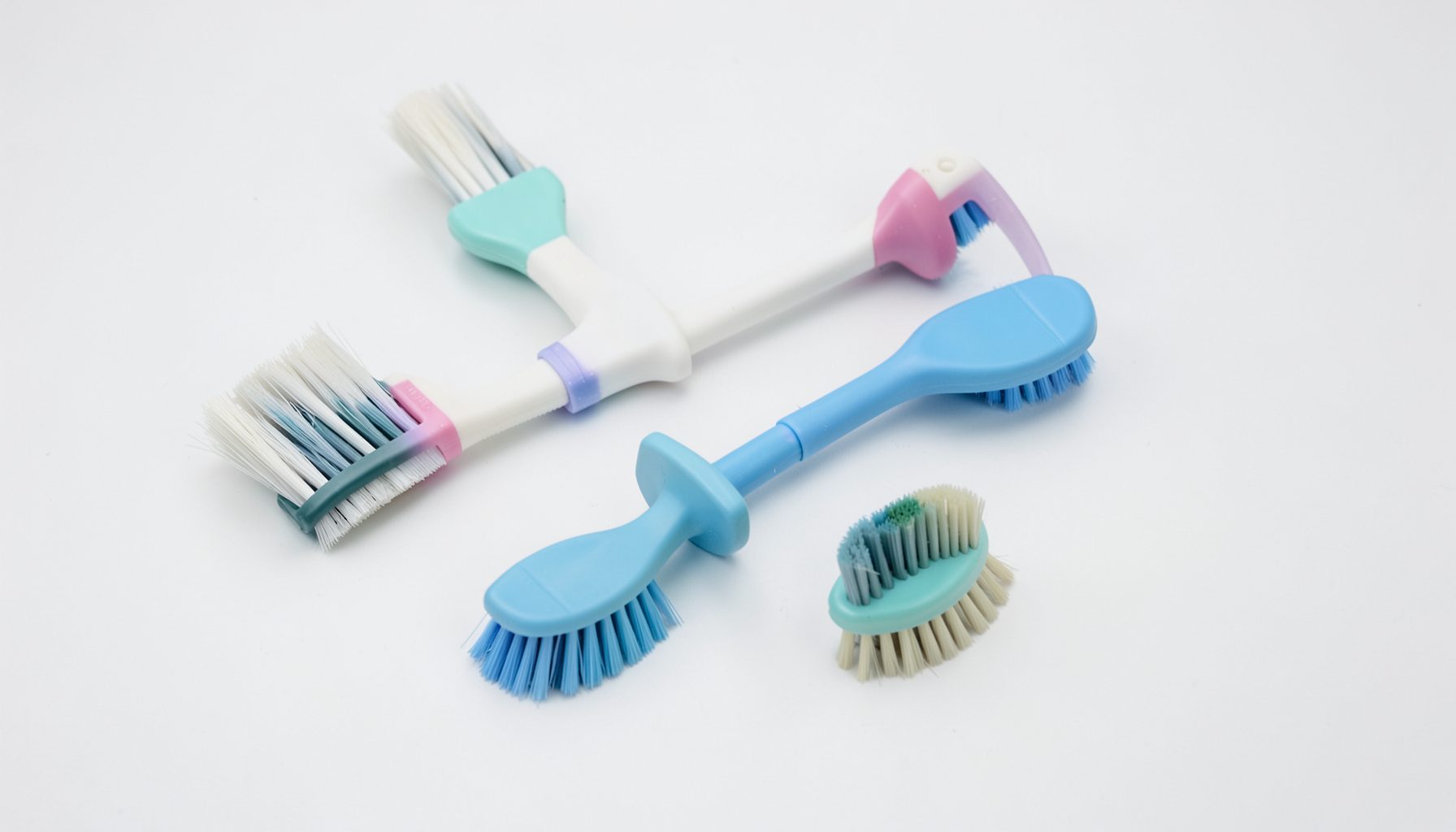
Switch nostrils and repeat. After use, rinse the bottle and let it air dry. Use ResQRinse Premium Cleaning Brushes for thorough cleaning.
Rinsing Safely During a Mild Allergy-Season Nosebleed
Spring in Australia carries a particular weight for the millions of adults and children who deal with hay fever. From the elm-lined streets of Melbourne to the grassy parks of Brisbane and the box-gum forests around Canberra, airborne pollen surges between September and November, leaving mucous membranes inflamed and prone to small capillary breaks. When the nose starts dripping, then dripping blood, the instinct to reach for a saline rinse often clashes with the worry that water might worsen the bleed.
The truth is that gentle, properly mixed irrigation can help clear crusts and allergens once bleeding has stopped, but timing and technique matter. A squeeze-bottle system designed with controlled pressure reduces the risk of disturbing fresh clots, unlike aggressive devices that force solution upward with high velocity. For families managing allergy symptoms, knowing when and how to rinse during a mild episode brings practical relief without unnecessary panic.
Australia's Therapeutic Goods Administration recommends using water that has been boiled and cooled, filtered through a sub-micron filter, or purchased as sterile solution for any nasal procedure. This guidance is particularly important during allergy season when the temptation is to rinse multiple times a day, and the cumulative exposure to non-sterile water rises.
Understanding what causes these bleeds, and how the local environment contributes, helps people build a routine that supports healing rather than irritation.
Why allergy season triggers nosebleeds
Histamine release makes blood vessels in the nasal lining swell and become fragile. In dry inland areas like Adelaide or during a windy afternoon in Perth, low humidity accelerates mucosal drying, and the anterior septum, where most of the small vessels sit, cracks with the smallest scrape of a tissue. Many Australians also use corticosteroid nasal sprays during this period, which thin the lining further when overused.
Thunderstorm asthma episodes in Victoria, particularly the 2016 event that overwhelmed hospitals across Melbourne and Geelong, demonstrated how violently pollen can rupture into fine particles that penetrate deep into airways. The nasal mucosa, already sensitised, often bleeds in the days following such events, especially among people who spend time outdoors gardening or walking through reserves like the You Yangs or the Dandenong Ranges.
Children are not exempt. Across Sydney's western suburbs and the leafy streets of Adelaide, paediatricians report a rise in minor epistaxis once spring winds pick up. Recognising that the cause is environmental rather than traumatic helps caregivers stay calm and choose appropriate tools.
When it's safe to irrigate after a nosebleed
The general rule is to wait until active bleeding has fully stopped, usually within five to fifteen minutes for a mild bleed. Sitting upright and leaning slightly forward reduces blood pressure in the nasal vessels and prevents swallowing blood, which can cause nausea. Pinching the soft part of the nose just below the bony bridge for a full ten minutes is the standard first-aid recommendation taught by St John Ambulance Australia and Red Cross trainers nationwide.
Once the clot has stabilised, a low-pressure rinse can loosen dried blood and clear pollen that may be prolonging irritation. Squeeze bottles with calibrated pressure allow the user to control flow rate, unlike bulb syringes that deliver unpredictable surges. Rinsing too soon risks dislodging the clot and restarting the bleed, so patience is essential.
Anyone on blood-thinning medication, or experiencing recurrent bleeds more than once a week, should consult a general practitioner before establishing a daily rinse habit. Pharmacy staff in chains like Chemist Warehouse and Priceline can also advise on saline products suitable for sensitive post-bleed tissue.
Step-by-step rinsing technique during active bleeding
If bleeding has stopped but the nose feels blocked, begin by washing hands thoroughly with soap. Australian guidelines from the Department of Health and Aged Care emphasise this step before any nasal care. Prepare the saline solution using the manufacturer's directions, ensuring the water source meets safety standards discussed below.
Lean forward over a sink, tilting the head slightly down rather than back, which prevents solution from draining into the throat. Insert the nozzle gently into one nostril, creating a seal without forcing it. Squeeze the bottle with steady, moderate pressure, allowing solution to flow through the nasal passage and exit the opposite nostril or the mouth. Breathe through the mouth throughout the process.
After rinsing, blow the nose very gently into a soft tissue to remove residual solution, then apply a thin layer of preservative-free nasal ointment if recommended by a pharmacist. Avoid bending, heavy lifting, or hot showers for the next few hours, as these can dilate vessels and restart bleeding. For those who want a deeper walkthrough of integrating this into a broader wellness morning, the morning nasal care guide offers further context.
Choosing the right saline solution and water quality
The packets supplied with most rinse kits contain sodium chloride and sometimes sodium bicarbonate, designed to match the body's natural salt concentration. Isotonic solutions, around 0.9 percent, are gentler on inflamed tissue than hypertonic mixes, which can sting when the lining is raw from a recent bleed.
Water quality is non-negotiable. Tap water across Australian capitals is safe to drink but contains low levels of micro-organisms that the gut can handle yet the sinuses cannot. Boiling water for one minute, then cooling it to lukewarm, eliminates this risk, a habit familiar to anyone who has travelled with a travel kettle in regional motels. Alternatively, distilled water from supermarkets or water filtered through a 0.2-micron filter provides suitable purity.
Parents preparing rinses for children in Brisbane or Hobart should mix a fresh batch for each session rather than storing solution for later use, as bacteria multiply rapidly in warm, nutrient-rich saline. Discard any unused portion, and clean the squeeze bottle with warm soapy water after every use, allowing it to air-dry completely.
Aftercare and preventing recurrence in Australian conditions
Humidifiers can help in homes with reverse-cycle air conditioning, which strips moisture from indoor air during Canberra's frosty mornings or Perth's dry summers. Placing a small unit in the bedroom maintains mucosal hydration and reduces the chance of morning crusts that pull and tear delicate vessels.
For people who exercise outdoors, whether running along Sydney's coastal paths or cycling through Melbourne's bike trails, applying a barrier ointment before heading out protects against wind and pollen abrasion. Wearing wraparound sunglasses also reduces direct airflow into the nostrils, a small adjustment that makes a noticeable difference during high-pollen days announced by the AusPollen service.
Antihistamine tablets and intranasal sprays remain the first line of defence for moderate hay fever, but they work best alongside mechanical clearance. A daily rinse in the morning and again after returning from outdoor activities helps remove accumulated allergens before they trigger another inflammatory cycle. For those curious about specific product questions, the ResQRinse FAQ page addresses common concerns about pressure, frequency, and children's use.
Practical recommendations for rinsing with a mild nosebleed
- Pause irrigation until active bleeding has stopped for at least fifteen minutes and a stable clot has formed.
- Use only boiled-and-cooled, distilled, or sub-micron-filtered water mixed with the supplied saline packets.
- Lean forward over a sink with the head tilted slightly down to keep solution away from the throat and ears.
- Squeeze the bottle gently, allowing steady flow rather than forceful jets that may disturb healing tissue.
- Rinse once daily during peak pollen weeks and increase to twice if exposed to high outdoor counts, but avoid exceeding three sessions to prevent overdrying.
- Clean the bottle thoroughly after every use, replacing it every few months when the silicone begins to show wear.
- Seek medical review for any bleed lasting longer than twenty minutes, recurring more than four times a week, or accompanied by dizziness or rapid heart rate.
ResQRinse offers a complete system designed to make safe nasal rinsing straightforward, with squeeze bottles calibrated for controlled pressure, child-friendly versions, and pre-measured saline packets that take the guesswork out of mixing. The Nasal Lock technology ensures a comfortable seal without the awkward fitting of traditional neti pots, and the included cleaning brush keeps the device hygienic between uses. For readers interested in broader lifestyle habits that complement sinus care, particularly those who spend long hours at a desk where posture influences breathing patterns, the desk back care guide provides an unexpected connection to overall wellbeing.
The full range is available through Walmart and Amazon, with kits suitable for solo users, families, and travellers heading into the bush or the outback. Spring pollen will arrive on schedule, but with the right preparation, a mild nosebleed does not have to derail the season.