ResQRinse is the nasal irrigation squeeze bottle that eliminates head-tilting and awkward neck positions. Using proprietary Nasal Lock™ technology, it delivers a comfortable, gag-free sinus cleanse — no more saline dripping down your throat.

Relief From Fall Sneezes
Now sold on Walmart.com. Free shipping on orders $30+. Try ResQRinse today with your everyday purchases.
Shop at WalmartWhy ResQRinse?
Nasal rinsing helps relieve congestion from colds, allergies, sinusitis, hay fever, and environmental pollutants. ResQRinse makes it comfortable enough to become a daily habit.
Nasal Lock™ Technology
Isolates sinuses from the throat using natural choanal occlusion — like inflating a balloon — so saline stays where it belongs.
Learn more →
Drug-Free Relief
Uses premixed saline packets with distilled water. No medications, no preservatives — just a natural cleanse for your nasal passages.
How to rinse →
For Kids Too
ResQRinse for Kids features a comfort nasal tip right-sized for smaller nostril openings, making rinsing gentle and easy for children.
Shop kids' version →
Breath-Controlled Flow
You control the saline flow with your own breath pressure — high volume, low pressure irrigation that's comfortable and effective.
Watch how-to videos →
Better Compliance
Designed to overcome the gagging and discomfort that cause people to abandon traditional neti pots and nasal rinse systems.
Our story →
Complete Kits Available
From the basic ResQRinse Nasal Rinse System ($19.99) to 90-day complete kits, saline packets, cleaning brushes, and Sinoptim Nasal Mist.
Browse all products →Get Started with ResQRinse
Ready to experience a better nasal rinse? Fill out the form below and we'll help you find the right product — or follow the simple steps to begin rinsing today.
Request More Information
How to Use ResQRinse
Fill the Bottle
Fill the ResQRinse squeeze bottle with distilled or previously boiled water and add one premixed saline packet.
Position the Tip
Place the comfort tip gently against one nostril. No head-tilting or awkward neck angles needed.
Squeeze & Breathe
Squeeze the bottle gently while breathing through your mouth. Nasal Lock™ keeps saline in your nasal passages and out of your throat.
Repeat & Clean
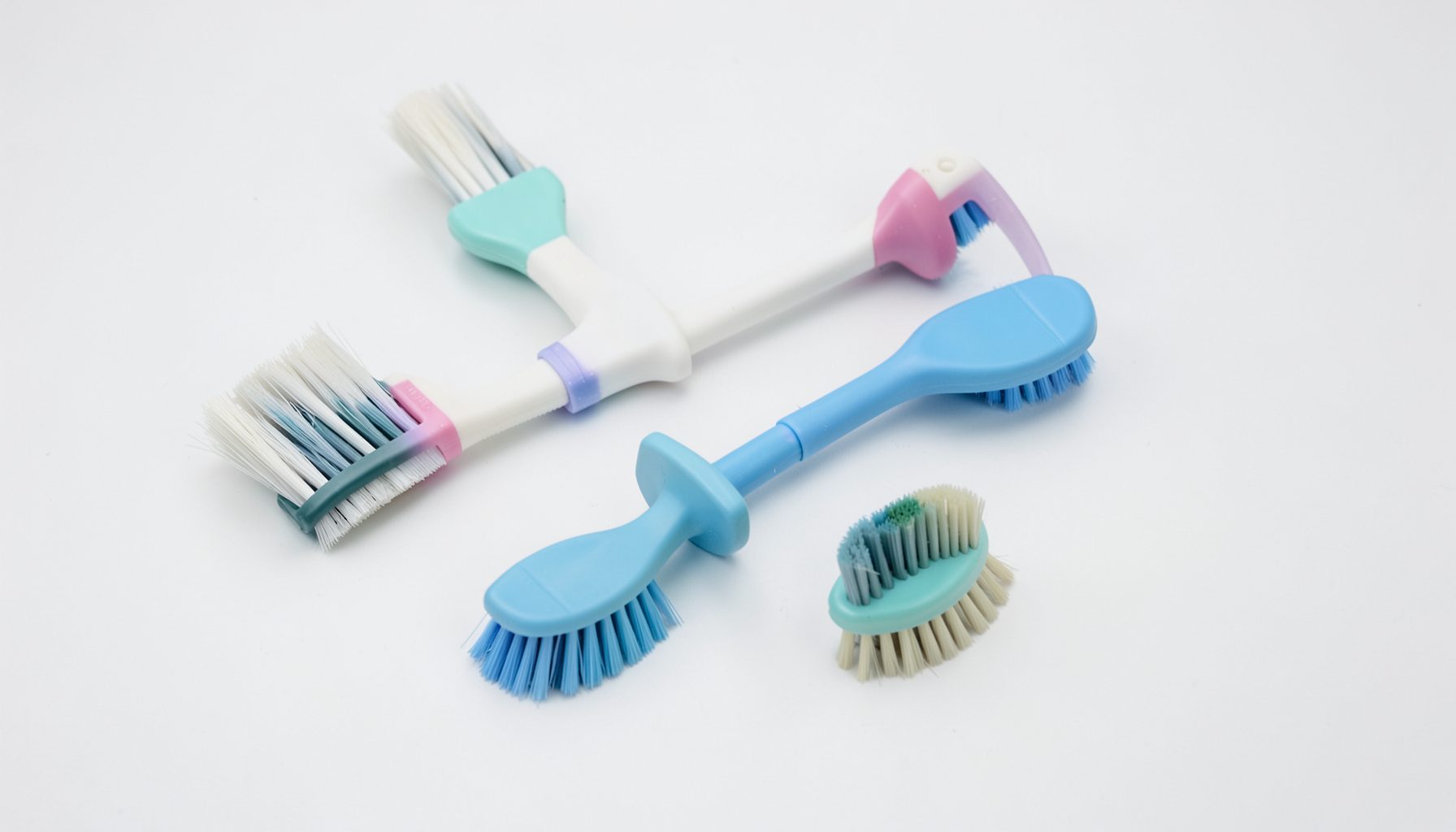
Switch nostrils and repeat. After use, rinse the bottle and let it air dry. Use ResQRinse Premium Cleaning Brushes for thorough cleaning.
How to rinse safely when dry air sparks a bloody nose
Australia throws a lot at the lining of your nose. One week you might be stuck in a meeting room in Brisbane where the unit blasts arctic air across your face, the next you're loading groceries into the car in Mildura while a northerly scorches everything in its path. Across much of the country, particularly inland through the Murray–Darling basin and out toward Alice Springs, the air simply does not carry much moisture for large stretches of the year.
When that dry air pulls water out of the delicate skin inside your nostrils, the small vessels sitting just under the surface of the septum can crack and weep. The result is a sudden bloody nose, often with no warning, no bump, and no obvious cause. A gentle saline rinse can soothe the area and clear away crusted blood, but it has to be done at the right time, with the right setup, or you risk restarting the bleed.
Why dry air brings on nosebleeds across Australia
Australia spans several climate zones, and most of them can leave your nose parched. Through winter in Hobart, Melbourne and Canberra, cold fronts drag in air with single-digit humidity, and the moment that air hits a heated living room it gets even drier. Up through the Top End and across to western Queensland, summer humidity can climb high, but the air inside air-conditioned homes and offices stays far drier than the world outside. Inland, places like Broken Hill and the Red Centre regularly record relative humidity under twenty per cent during the warmer months.
That dryness targets a small patch of skin called Kiesselbach's plexus, where a tangle of tiny capillaries sits right at the front of the nasal septum. The mucosa covering these vessels is thinner than elsewhere in the nose, so once the moisture leaves, the vessels themselves become brittle. A sneeze, a nose-blow, or even rolling over in bed is enough to split them open.
Telling a dryness nosebleed apart from other causes
A bleed caused by dry mucosa usually has a recognisable pattern. It tends to start from one nostril, run rather than gush, and stop within ten minutes of gentle pressure. It often arrives first thing in the morning, after a long flight, or after a day spent in an air-conditioned space. Many people in southern Australia notice it most during a sudden weather change, when a cold front snaps the humidity down overnight.
Bleeding that comes from both nostrils at once, follows a knock to the face, happens after starting a new blood-thinning medication, or simply will not slow down after twenty minutes of pressure points to something other than the weather. Likewise, frequent nosebleeds in a child should be checked by a GP rather than managed at home.
Getting your rinse ready without making things worse
A nasal rinse is only as gentle as the water and salt behind it. In Australian capital cities the tap water is safe to drink, but for anything going into the nose it is still worth using water that has been boiled and cooled, or filtered through a fine filter. Distilled water from the supermarket works just as well.
Use a pre-measured saline packet rather than table salt, so the concentration matches your body's natural salinity. Anything stronger will sting the raw lining and can pull more moisture out, which is the opposite of what you are trying to achieve. The water should be lukewarm, somewhere close to body temperature, so it does not shock the vessels that have already been stressed.
A squeeze bottle gives you more control than a neti pot when the nose is sensitive, because you regulate the flow with your hand. If you do not already own one, the full kit range at the ResQRinse official site includes squeeze bottles, child-friendly versions, cleaning brushes and pre-mixed saline packets designed for this kind of careful, low-pressure rinsing.
How to rinse while a nosebleed is settling or just stopped
Rinsing during a heavy, active bleed is a mistake. The pressure of the liquid can dislodge clots and push blood further back into the sinuses. Instead, sit down, lean slightly forward so you are not swallowing blood, and pinch the soft part of your nose just below the bony bridge for a full ten to fifteen minutes. Breathe through your mouth and resist the urge to check whether the bleeding has stopped before the time is up.
Once the flow has eased and a clot has formed, you can irrigate very gently. Tilt your head forward over a basin, insert the bottle tip just inside one nostril, and squeeze with a steady, mild pressure. Let the solution run out of the other nostril or your mouth, switch sides, and keep the flow slow. A small amount of pink-tinged fluid is normal. Bright red bleeding that restarts means you should stop, pinch again, and try later in the day.
Moisturising the lining once the bleeding stops
Rinsing clears the crusted blood but does not, on its own, repair the lining. Once the bleeding has settled, a saline gel or a thin layer of a water-based nasal balm helps the cracked mucosa heal without sealing in bacteria. Petroleum jelly is widely used, though it can feel heavy in warmer parts of Australia where the skin already struggles to breathe.
Running a humidifier in the bedroom through the dry months makes a real difference, particularly in homes with ducted heating or reverse-cycle air conditioning that runs for hours overnight. Drinking enough water during the day matters as well, because the body moisturises the mucosa from the inside out. If you live in a particularly dry pocket, such as along the Darling Downs or anywhere across central Australia, even a shallow dish of water on a sunny windowsill will raise the local humidity in a small room.
Slip-ups to dodge when rinsing a tender nose
The first mistake is using untreated tap water straight from the faucet. Even in cities with excellent water quality, the small risk from environmental organisms is not worth taking when the protective lining is already torn. The second is rinsing too forcefully, treating the bottle like a pressure washer. A gentle stream is enough to move debris and bathe the lining.
Avoid blowing your nose hard afterwards, picking at any clots, or returning to air-conditioned spaces immediately. Do not share your rinse bottle with anyone in the house, and wash the bottle and tip with hot soapy water after every use. A bottle that has been sitting damp in a bathroom is a breeding ground for the very organisms you are trying to keep away from raw tissue.
When to see a chemist or GP
A single, short-lived bleed after a dry week is nothing to worry about. A bleed that runs for more than twenty minutes despite correct first aid, returns more than once a week, follows a head injury, or is unusually heavy is a reason to walk into your local chemist for advice or book in with a GP. People on blood thinners, those with uncontrolled blood pressure, and anyone with a bleeding disorder should mention the nosebleed at their next review even if it stopped on its own.
If you are choosing a rinse product for ongoing use, look for one listed with the Australian Register of Therapeutic Goods, so you know the saline concentration and packaging have been checked. Australians also deal with airborne irritants beyond dry air, from construction dust in inner-city apartment renovations to bushfire smoke that drifts across whole regions, and the same gentle rinse approach helps in those cases. The ResQRinse team has put together a guide on their blog covering those situations in more detail.
For anyone who lives with the constant dry air of inland Australia, or simply copes with over-zealous air conditioning through long summers in Brisbane and Darwin, a careful rinse routine can turn a recurring bloody nose into a rare event. Read more about the design principles and the team behind the brand on the about page, then put together a small kit at home so you are ready the next time the humidity drops without warning.