ResQRinse is the nasal irrigation squeeze bottle that eliminates head-tilting and awkward neck positions. Using proprietary Nasal Lock™ technology, it delivers a comfortable, gag-free sinus cleanse — no more saline dripping down your throat.

Relief From Fall Sneezes
Now sold on Walmart.com. Free shipping on orders $30+. Try ResQRinse today with your everyday purchases.
Shop at WalmartWhy ResQRinse?
Nasal rinsing helps relieve congestion from colds, allergies, sinusitis, hay fever, and environmental pollutants. ResQRinse makes it comfortable enough to become a daily habit.
Nasal Lock™ Technology
Isolates sinuses from the throat using natural choanal occlusion — like inflating a balloon — so saline stays where it belongs.
Learn more →
Drug-Free Relief
Uses premixed saline packets with distilled water. No medications, no preservatives — just a natural cleanse for your nasal passages.
How to rinse →
For Kids Too
ResQRinse for Kids features a comfort nasal tip right-sized for smaller nostril openings, making rinsing gentle and easy for children.
Shop kids' version →
Breath-Controlled Flow
You control the saline flow with your own breath pressure — high volume, low pressure irrigation that's comfortable and effective.
Watch how-to videos →
Better Compliance
Designed to overcome the gagging and discomfort that cause people to abandon traditional neti pots and nasal rinse systems.
Our story →
Complete Kits Available
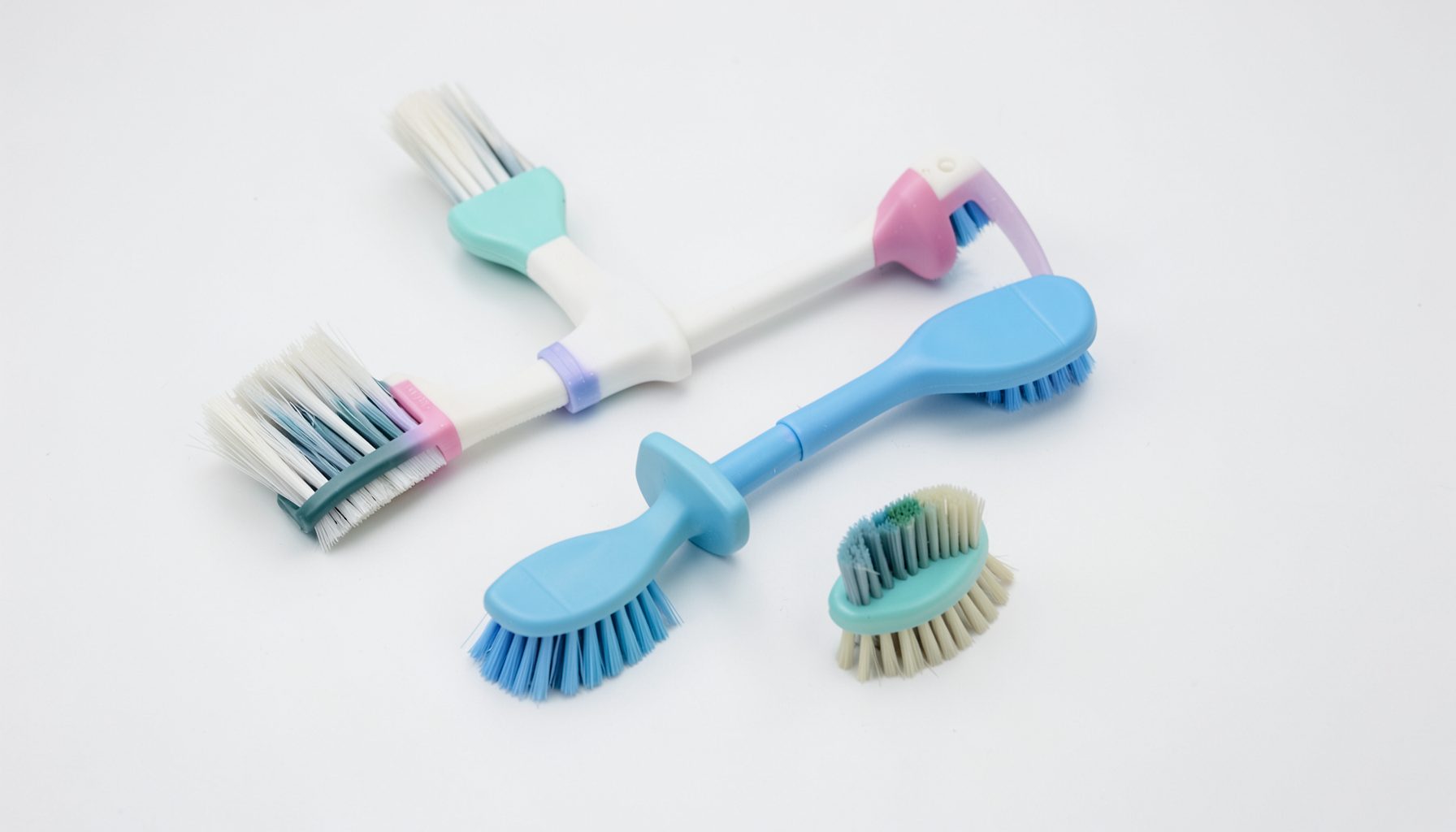
From the basic ResQRinse Nasal Rinse System ($19.99) to 90-day complete kits, saline packets, cleaning brushes, and Sinoptim Nasal Mist.
Browse all products →Get Started with ResQRinse
Ready to experience a better nasal rinse? Fill out the form below and we'll help you find the right product — or follow the simple steps to begin rinsing today.
Request More Information
How to Use ResQRinse
Fill the Bottle
Fill the ResQRinse squeeze bottle with distilled or previously boiled water and add one premixed saline packet.
Position the Tip
Place the comfort tip gently against one nostril. No head-tilting or awkward neck angles needed.
Squeeze & Breathe
Squeeze the bottle gently while breathing through your mouth. Nasal Lock™ keeps saline in your nasal passages and out of your throat.
Repeat & Clean
Switch nostrils and repeat. After use, rinse the bottle and let it air dry. Use ResQRinse Premium Cleaning Brushes for thorough cleaning.
How to Rinse Gently When Your Sinuses Are Already Inflamed
When nasal passages are swollen, a sinus rinse can feel soothing, but strong pressure, water that is too cold, or an overly concentrated saline solution may make irritation worse. A gentle technique helps wash away mucus, pollen, dust and other irritants without adding unnecessary discomfort.
Inflamed sinuses often produce congestion, facial pressure, post-nasal drip and a blocked feeling that makes breathing difficult. These symptoms can occur with a cold, allergies, sinusitis or exposure to dry air. Rinsing may help moisturise the nasal lining and loosen thick secretions, although it does not replace medical care when symptoms are severe or persistent.
The basic principle is simple: use safe water, a correctly mixed saline solution and slow, controlled pressure. A squeeze-bottle system can be easier to regulate than a traditional neti pot because you can adjust the flow and stop immediately if the rinse feels uncomfortable.
For people in Australia, seasonal conditions can influence nasal symptoms. Melbourne’s spring pollen, Brisbane’s humidity, Adelaide’s dry weather and winter heating in cities such as Sydney can all contribute to nasal irritation. A calm routine is especially useful when your sinuses are already tender.
Start With Safe, Comfortable Preparation
Always follow the instructions supplied with your nasal irrigation device and saline sachets. Use distilled or sterile water, or tap water that has been boiled and allowed to cool. Do not use water straight from the tap for nasal rinsing, even if it looks clean. This precaution is important because the nasal passages provide a direct route into the body.
The solution should be lukewarm, close to body temperature. Cold water can trigger a sharp sensation, while hot water can burn already inflamed tissue. Test a few drops on the inside of your wrist before filling the bottle. Mix the recommended amount of saline powder thoroughly rather than guessing with table salt, which may contain additives and can produce an uncomfortable concentration.
Wash your hands before preparing the rinse. Check the bottle, nozzle and cap for residue, cracks or signs of mould. If you have recently experienced a sinusitis flare-up during colder weather, allow extra time for the nasal passages to settle and avoid rushing through the process.
Use Less Pressure Than You Think
Lean over a basin with your mouth open and breathe steadily through it. Tilt your head slightly forward and to one side, keeping your forehead and chin roughly level. This position helps the solution travel through one nostril and drain from the other without forcing it towards the ears or throat.
Place the nozzle gently against the nostril to create a light seal, but do not push it deeply inside. Begin with a slow squeeze. The aim is a steady stream rather than a forceful jet. If you feel pain, strong pressure in your ears, choking, burning or worsening facial discomfort, stop, let the solution drain and reassess your position.
A nasal irrigation system with a flow-control feature, such as ResQRinse Nasal Lock technology, may help reduce spills and make the direction of the rinse easier to manage. Still, the device cannot replace gentle handling. You control the pressure, and a smaller amount of solution may be enough when swelling is significant.
Adjust the Routine for Tender Nasal Passages
Inflamed tissue may respond better to a shorter rinse than a full bottle. Start with a small amount on each side and pause between nostrils. There is no benefit in repeatedly flushing until the nose feels completely empty. Over-rinsing can leave the lining dry or irritated, particularly when symptoms are caused by allergies or a dry indoor environment.
If the solution stings, check the temperature and concentration first. A poorly mixed sachet, too little water or an incorrectly sized container can increase the saltiness. Do not add essential oils, antiseptics, herbal preparations or medication unless a qualified health professional has specifically advised it. These ingredients may irritate the nasal lining.
After rinsing, blow your nose gently, one side at a time. Avoid forceful nose blowing, which can increase pressure in the ears and sinuses. Remain upright for a few minutes so residual fluid can drain naturally. A soft tissue or clean towel is preferable to repeated rubbing around the nostrils.
Keep Equipment Clean and Ready
Rinse the bottle and nozzle with safe water after every use, then allow all parts to air-dry completely. Moisture left inside a closed bottle creates an environment where microorganisms can multiply. Follow the manufacturer’s cleaning instructions, and replace the system when it becomes cracked, cloudy, damaged or difficult to clean properly.
A small cleaning brush can help reach the inside of the nozzle and bottle neck, where saline residue may collect. Do not share a nasal rinse device with another person, including family members. Each user should have their own bottle and accessories to reduce the spread of germs.
In a busy Australian bathroom, it can be tempting to leave the kit beside the shower or sink. A simple bathroom storage routine keeps the parts separated, dry and easy to inspect. Store the clean, dry equipment away from splashes, toiletries and children’s reach.
Know When Rinsing Is Not Appropriate
Do not rinse if one nostril is completely blocked and the solution cannot pass comfortably, or if the process causes significant ear pressure. People with frequent nosebleeds, recent nasal surgery, structural nasal problems or certain ear conditions should ask their doctor or pharmacist whether irrigation is suitable.
Seek medical advice for severe facial pain, swelling around the eyes, vision changes, a high fever, confusion, stiff neck or symptoms that are rapidly worsening. Persistent congestion, thick discharge or sinus pressure also deserves assessment, especially if symptoms continue after a cold should have improved.
Australian consumers can speak with a GP, pharmacist or healthdirect for guidance. A pharmacist can also help distinguish between a saline rinse, nasal spray and medicated decongestant. If you are comparing healthcare purchasing options, use a reputable online pharmacy resource and check that products are appropriate for Australian use before ordering.
Gentle Habits That Make Rinsing Easier
A rinse is most comfortable when it becomes a calm, predictable part of symptom care rather than an urgent response to severe blockage. Choose a time when you are not rushing to work, school or a commute across Sydney or Melbourne. After swimming, gardening or exposure to dust, wait until your breathing is settled before starting.
Children need extra care. Use a child-appropriate system only when the child can cooperate with the instructions, and supervise the entire process. Never force a rinse into a frightened or resistant child. For babies and young children, seek advice from a GP or child health professional rather than adapting an adult device.
These practical habits can support a more comfortable nasal irrigation routine:
- Prepare fresh saline solution each time and discard leftover liquid.
- Use lukewarm distilled, sterile or previously boiled water.
- Keep the flow slow and stop immediately if pain or ear pressure develops.
- Clean, dry and inspect the bottle after every use.
- Record recurring symptoms so a GP can identify allergy, infection or structural causes.
ResQRinse provides product information, usage guidance and details about its nasal irrigation range on its official brand information page. Product choice matters, but technique matters just as much: a well-fitted nozzle, a comfortable solution and light hand pressure can make the experience significantly easier.
A gentle nasal rinse should leave the nose feeling cleaner and more comfortable, not raw or pressured. Use safe water, mix the saline accurately, rinse slowly and give irritated tissue time to recover. If symptoms persist or become severe, pause home treatment and arrange professional medical advice.