ResQRinse is the nasal irrigation squeeze bottle that eliminates head-tilting and awkward neck positions. Using proprietary Nasal Lock™ technology, it delivers a comfortable, gag-free sinus cleanse — no more saline dripping down your throat.

Relief From Fall Sneezes
Now sold on Walmart.com. Free shipping on orders $30+. Try ResQRinse today with your everyday purchases.
Shop at WalmartWhy ResQRinse?
Nasal rinsing helps relieve congestion from colds, allergies, sinusitis, hay fever, and environmental pollutants. ResQRinse makes it comfortable enough to become a daily habit.
Nasal Lock™ Technology
Isolates sinuses from the throat using natural choanal occlusion — like inflating a balloon — so saline stays where it belongs.
Learn more →
Drug-Free Relief
Uses premixed saline packets with distilled water. No medications, no preservatives — just a natural cleanse for your nasal passages.
How to rinse →
For Kids Too
ResQRinse for Kids features a comfort nasal tip right-sized for smaller nostril openings, making rinsing gentle and easy for children.
Shop kids' version →
Breath-Controlled Flow
You control the saline flow with your own breath pressure — high volume, low pressure irrigation that's comfortable and effective.
Watch how-to videos →
Better Compliance
Designed to overcome the gagging and discomfort that cause people to abandon traditional neti pots and nasal rinse systems.
Our story →
Complete Kits Available
From the basic ResQRinse Nasal Rinse System ($19.99) to 90-day complete kits, saline packets, cleaning brushes, and Sinoptim Nasal Mist.
Browse all products →Get Started with ResQRinse
Ready to experience a better nasal rinse? Fill out the form below and we'll help you find the right product — or follow the simple steps to begin rinsing today.
Request More Information
How to Use ResQRinse
Fill the Bottle
Fill the ResQRinse squeeze bottle with distilled or previously boiled water and add one premixed saline packet.
Position the Tip
Place the comfort tip gently against one nostril. No head-tilting or awkward neck angles needed.
Squeeze & Breathe
Squeeze the bottle gently while breathing through your mouth. Nasal Lock™ keeps saline in your nasal passages and out of your throat.
Repeat & Clean
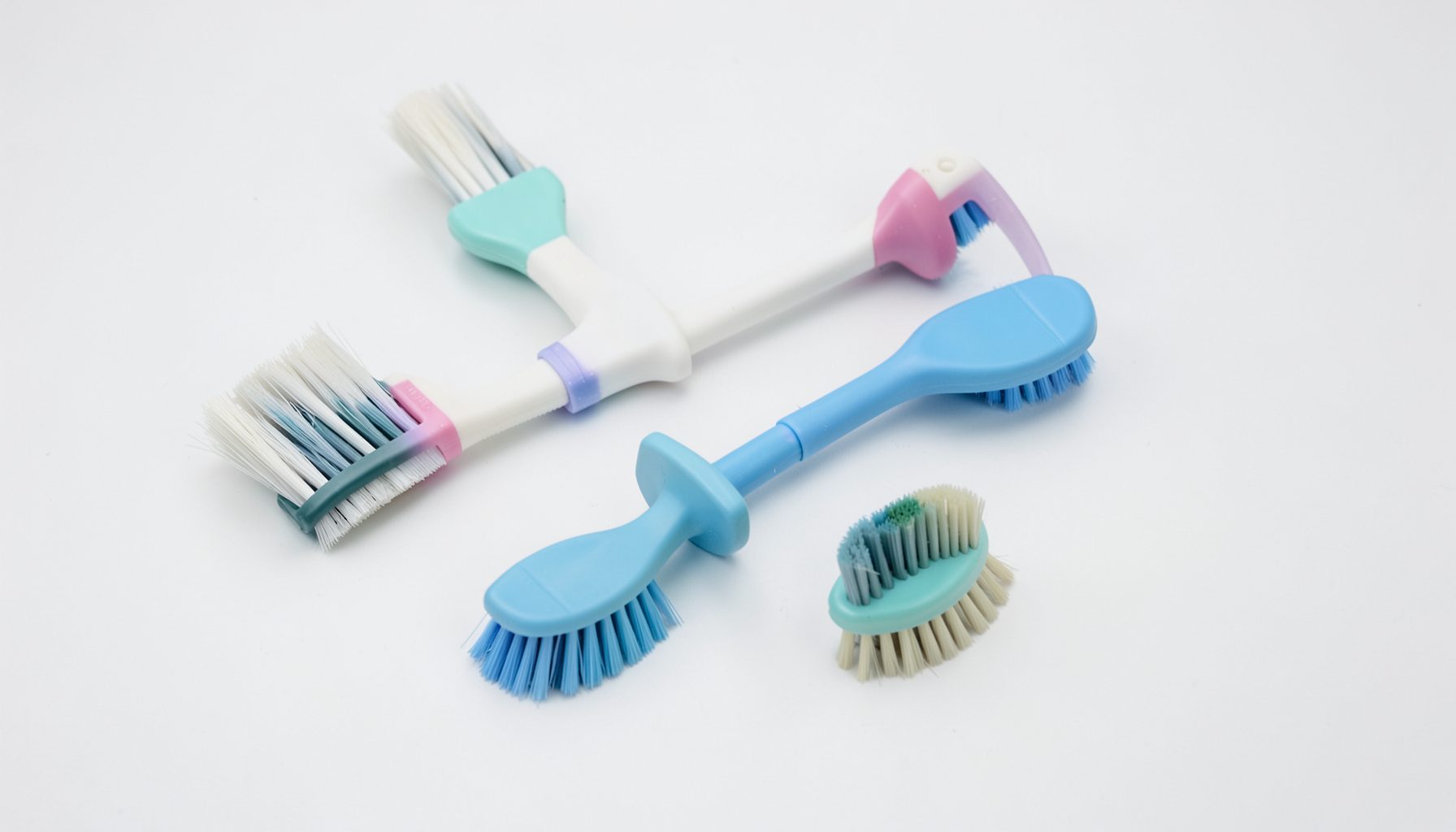
Switch nostrils and repeat. After use, rinse the bottle and let it air dry. Use ResQRinse Premium Cleaning Brushes for thorough cleaning.
How to Rinse Effectively With a Deviated Septum
A deviated septum can make nasal irrigation feel uneven, slow or awkward. One nostril may be narrower, while the other seems to let saline pass easily. That difference does not necessarily mean the rinse is failing. It usually means the flow needs to be gentler, the bottle needs better positioning and expectations need to be realistic.
Nasal irrigation can help wash away mucus, allergens, dust and irritants from the nasal passages. For people dealing with hay fever, sinus pressure, a cold or exposure to smoke, a saline rinse may make breathing feel clearer and reduce the need to blow the nose repeatedly. It does not straighten the septum, though, and it cannot replace an assessment when obstruction is persistent or severe.
The safest approach is to use sterile, distilled or previously boiled and cooled water with the correct saline mix. Australian tap water is treated, but water used inside the nose still needs to meet safe-rinsing guidance. A clean squeeze-bottle system can offer more control than a traditional neti pot, particularly when one side is significantly narrower.
A deviated septum is common, and symptoms vary widely. Some people notice little more than occasional stuffiness, while others struggle during Melbourne’s pollen season, Perth’s dry weather or smoky periods caused by bushfires. The aim is comfortable support, not forcing a complete passage of fluid through blocked anatomy.
Understand What a Deviated Septum Changes
The septum is the wall of cartilage and bone separating the nostrils. When it bends to one side, the narrower nasal passage can create resistance. Saline may trickle slowly, stop partway through or return through the same nostril. This is a mechanical issue rather than proof that the saline solution is incorrect.
Begin with a low-pressure rinse. Lean over a sink, keep your mouth open and breathe through it. Tilt your head slightly forward rather than tipping it backwards, then turn it just enough for the rinse to travel towards the opposite side. With a squeeze bottle, use steady, light pressure instead of a forceful push.
It is normal for the first few attempts to feel unfamiliar. A small amount of saline may reach the throat or drain from the mouth; spit it out rather than swallowing large amounts. If the liquid causes sharp pain, significant ear pressure, bleeding or intense burning, stop and allow the nose to settle.
Prepare the Saline and Water Properly
Use the saline sachets designed for the irrigation device, following the packet directions. These mixes are formulated to be closer to the salt balance of nasal tissue, so they are generally more comfortable than improvised kitchen salt. Water that is too salty can sting, while water that is too weak may also feel irritating.
Only use distilled, sterile or boiled water that has been cooled to a comfortably warm temperature. Do not rinse with hot water, cold water straight from the tap or water that has been sitting uncovered. This is especially important for people with reduced immunity, recent nasal surgery or advice from an ear, nose and throat specialist.
Wash your hands before preparing the rinse, and inspect the bottle, nozzle and cap. If any part is cracked, cloudy, slimy or difficult to clean, replace it. A rinse system is a hygiene product, so storing it damp in a bathroom cupboard is not ideal. Let the components drain and air-dry fully after use.
For people comparing options, browse rinse systems to find bottle sizes, children’s versions, saline packets and nasal mist products. A squeeze bottle can be easier to control when the septum narrows one side, although pressure should remain gentle.
Adjust Your Technique for Uneven Flow
Start with the more open nostril if you are unsure how your nose will respond. Place the nozzle comfortably at the entrance of the nostril without pushing it deeply inside. Create a soft seal, but do not clamp down hard or twist the bottle against the nasal tissue.
Squeeze slowly for a few seconds, pause, then release. If the fluid does not pass through, do not increase the pressure dramatically. Pull the nozzle back slightly, adjust your head position and try again with less force. Sometimes a small change in angle makes a bigger difference than squeezing harder.
When the narrower side is the only side that feels blocked, you can still rinse it, but the flow may be slower. Allow saline to drain naturally. Avoid repeatedly trying to “push through” resistance, as this may increase discomfort and send fluid towards the ears.
After rinsing, bend forward over the sink and gently turn your head from side to side. This can help residual saline drain. Blow your nose softly, one nostril at a time, rather than forcefully clearing both sides together. If the nose feels dry afterwards, a saline mist may provide light moisture without another full-volume rinse.
Build a Routine Without Overdoing It
Frequency depends on symptoms and personal tolerance. During a cold, allergy flare or exposure to dust, some people use a rinse once daily for a short period. Others may benefit from rinsing after outdoor activities or before bed. Follow the product instructions and advice from your healthcare professional rather than assuming that more rinsing will produce better results.
In Australia, local triggers can make symptoms fluctuate. Grass pollen may be troublesome around Melbourne and regional Victoria, while Brisbane’s humid conditions can make mucus feel heavier. Dry air in Adelaide or Perth may leave the nasal lining irritated, and smoke from a nearby bushfire can aggravate congestion across entire communities. A saline rinse can wash away some particles, but it does not make prolonged smoke exposure safe.
Use the rinse after coming indoors from a dusty job, gardening session or high-pollen day, rather than immediately before heading back outside. If the nose is already cracked or bleeding, pause until the tissue has recovered. A humidifier, adequate fluids and reducing exposure to irritants may also support comfort, depending on the cause of the symptoms.
Clean the device after every use according to its instructions. Disassemble the bottle, wash the parts with warm water and mild dishwashing liquid where permitted, rinse thoroughly and leave everything open to dry. Pay close attention to the nozzle and cap, where residue can remain. These cleaning steps help reduce the risk of mould and bacterial growth between uses.
Know When a Medical Review Is Needed
Nasal irrigation may ease congestion associated with allergies, mucus and minor sinus symptoms, but a deviated septum can require medical treatment when it causes ongoing obstruction. Arrange an appointment with a GP if you regularly breathe through your mouth, snore heavily, experience recurring sinus infections or cannot sleep comfortably because one side stays blocked.
Seek medical advice promptly for repeated nosebleeds, severe facial pain, fever, swelling around the eyes, worsening symptoms or thick discharge that persists. Ear fullness or pain after rinsing is also a reason to stop and obtain guidance. A GP may examine the nose and refer you to an ENT specialist if structural narrowing, nasal polyps or another condition needs investigation.
An ENT specialist can discuss options such as allergy management, prescription sprays or surgery to correct the septum. A rinse can remain useful alongside professional treatment, but it should be comfortable and appropriate for your situation. Anyone who has recently had nasal surgery should use irrigation only when their surgeon gives clear instructions.
Children need extra care because they may squeeze too forcefully or struggle to coordinate breathing and posture. Use an age-appropriate product, supervise closely and stop if the child becomes distressed. Australian families can ask a pharmacist or GP for practical advice, particularly when congestion continues beyond a typical cold.
Choose a clean, correctly prepared saline rinse, use gentle pressure and give the narrower passage time to respond. With consistent technique, nasal irrigation may help remove irritants and loosen mucus without turning the process into a battle against the septum. Explore the available ResQRinse options and make safe nasal care part of your routine when congestion, allergies or dry air interfere with comfortable breathing.