ResQRinse is the nasal irrigation squeeze bottle that eliminates head-tilting and awkward neck positions. Using proprietary Nasal Lock™ technology, it delivers a comfortable, gag-free sinus cleanse — no more saline dripping down your throat.

Relief From Fall Sneezes
Now sold on Walmart.com. Free shipping on orders $30+. Try ResQRinse today with your everyday purchases.
Shop at WalmartWhy ResQRinse?
Nasal rinsing helps relieve congestion from colds, allergies, sinusitis, hay fever, and environmental pollutants. ResQRinse makes it comfortable enough to become a daily habit.
Nasal Lock™ Technology
Isolates sinuses from the throat using natural choanal occlusion — like inflating a balloon — so saline stays where it belongs.
Learn more →
Drug-Free Relief
Uses premixed saline packets with distilled water. No medications, no preservatives — just a natural cleanse for your nasal passages.
How to rinse →
For Kids Too
ResQRinse for Kids features a comfort nasal tip right-sized for smaller nostril openings, making rinsing gentle and easy for children.
Shop kids' version →
Breath-Controlled Flow
You control the saline flow with your own breath pressure — high volume, low pressure irrigation that's comfortable and effective.
Watch how-to videos →
Better Compliance
Designed to overcome the gagging and discomfort that cause people to abandon traditional neti pots and nasal rinse systems.
Our story →
Complete Kits Available
From the basic ResQRinse Nasal Rinse System ($19.99) to 90-day complete kits, saline packets, cleaning brushes, and Sinoptim Nasal Mist.
Browse all products →Get Started with ResQRinse
Ready to experience a better nasal rinse? Fill out the form below and we'll help you find the right product — or follow the simple steps to begin rinsing today.
Request More Information
How to Use ResQRinse
Fill the Bottle
Fill the ResQRinse squeeze bottle with distilled or previously boiled water and add one premixed saline packet.
Position the Tip
Place the comfort tip gently against one nostril. No head-tilting or awkward neck angles needed.
Squeeze & Breathe
Squeeze the bottle gently while breathing through your mouth. Nasal Lock™ keeps saline in your nasal passages and out of your throat.
Repeat & Clean
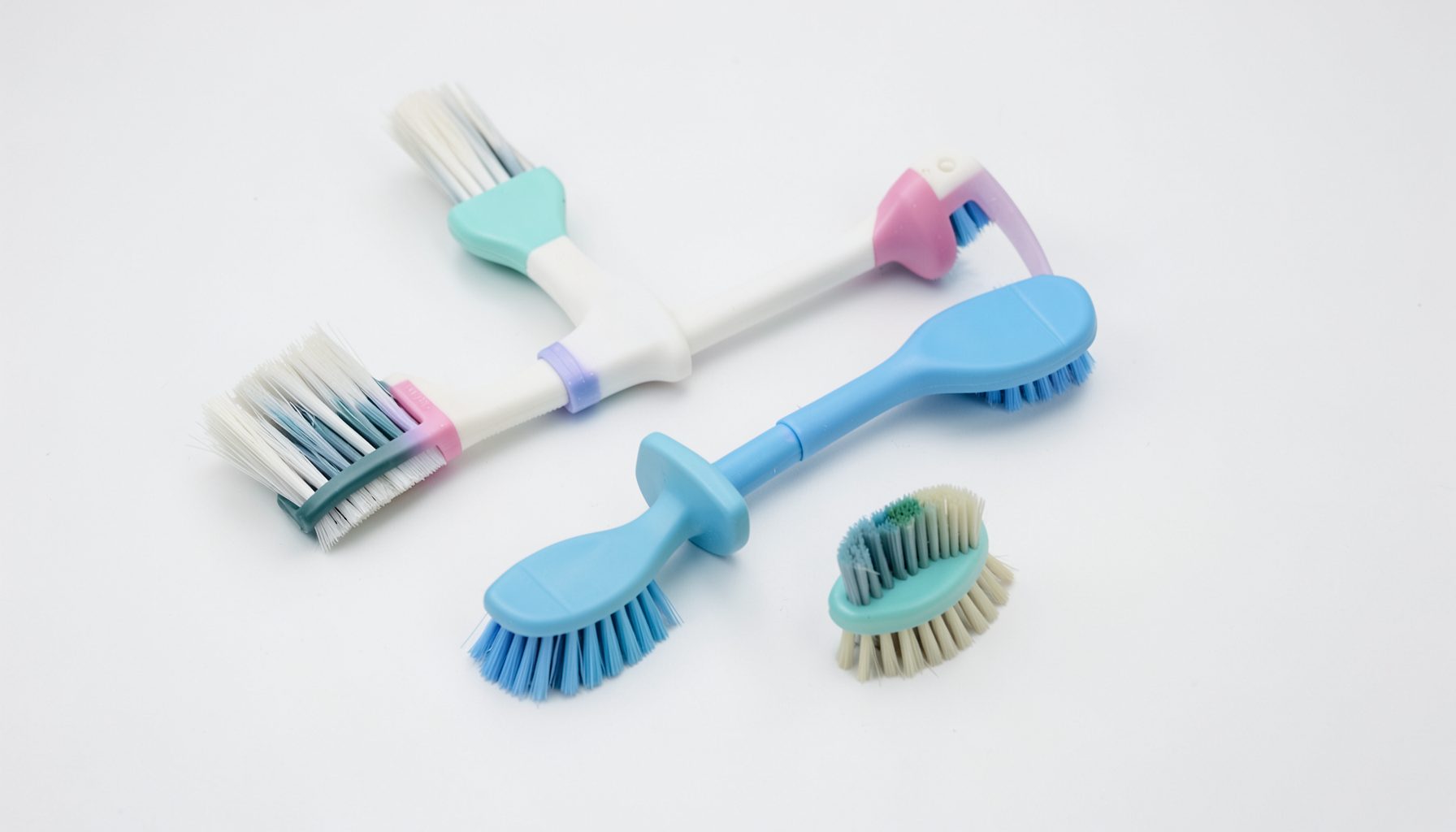
Switch nostrils and repeat. After use, rinse the bottle and let it air dry. Use ResQRinse Premium Cleaning Brushes for thorough cleaning.
How to Rinse After a Day Spent in a Dusty Workshop or Garage
When a garage job leaves the nose blocked or streaming, the discomfort can outlast the dust you can see. Wood dust, concrete particles, metal swarf, paint residue, pet dander and mould can irritate the lining of the nose. DIY sanding, car maintenance and moving furniture are ordinary Australian routines that stir up material settling on skin, clothes and work surfaces. A saline rinse can clear loosened mucus and some trapped particles, making breathing feel more comfortable.
A rinse treats the nose, not damage deep in the lungs. It washes away mucus and debris, but cannot neutralise paint solvents, fuel vapour or silica already inhaled, and it does not replace dust control or respiratory protection. It is most useful for mild blockage or irritation when there is no injury or acute breathing difficulty. A clean squeeze-bottle system gives direct control over pressure when a nostril feels swollen.
Australian conditions make the routine easy to understand. Bushfire smoke, seasonal pollen, humid sheds and windblown yard dust can all affect people after time outdoors. Triggers may be outdoors rather than inside the garage, so clothes and hair can carry irritants home after the door is shut.
Preparation matters as much as technique. Keep the rinse bottle, unopened saline packets and a clean towel together, and take the system out of storage before a dusty job. If air quality is poor or the workshop smells strongly of chemicals, move to fresh air and follow safety directions rather than rinsing beside the source. For recurring symptoms, an Australian pharmacist or general practitioner can distinguish a dusty nose from hay fever, sinusitis, asthma or a reaction to workplace exposure.
Leave the dust behind before you rinse
End the exposure before reaching for the bottle. Step outside or into a well-ventilated area, let dust settle and avoid shaking your work jacket. Sit for a few minutes if your nose is running, because forceful nose-blowing can make irritated tissue bleed.
Wash your hands, face and exposed forearms before touching the rinse equipment. A shower after the job can remove dust from hair and skin, while outdoor work clothes belong in the wash rather than on a bedroom chair. If you keep a Buddhist amulet in your work bag, put it in a sealed clean pouch rather than loose on a dusty bench.
Check what the dust actually is. Fine particles from cutting masonry may contain crystalline silica, while garage projects can involve solvent-based paints, fuels or old insulation. Smell is not a reliable safety test. Use the product label and safety data sheet for any chemical involved; water cannot remove inhaled fumes.
Choose a controlled squeeze-bottle rinse
ResQRinse makes a squeeze-bottle nasal irrigation system for congestion, allergy and sinus discomfort. Its Nasal Lock technology supports a controlled, comfortable rinse, while the bottle format lets the user set pressure by hand. Compared with a traditional neti pot, that control and portability can be useful in a small workshop where sink space is limited. Follow the instructions supplied with the model.
A complete kit can include the bottle, single-use saline packets and a cleaning brush; sealed packets make it easier to maintain the correct salt balance. The range also includes systems shaped for children, replacement brushes, refills and nasal mist. Choose an age-appropriate system for a child and keep the bottle and supplies dedicated to that person. For adults, test how the bottle feels before a dusty job.
Use distilled or sterile water, or water boiled and cooled according to the instructions, even though Australian tap water is generally safe to drink. Tap water can carry organisms that are harmless in the gut but may infect nasal tissue. Do not prepare a homemade solution from table salt; use a sealed saline packet or another pharmacist-recommended product. Check the seal, expiry date and concentration before use.
Use a gentle step-by-step technique
Clean the sink area and wash your hands, then prepare the rinse as directed. Fill the bottle with the specified safe water and saline, secure it and fit the nozzle. Bend forward over the sink with your head slightly lowered so liquid drains rather than runs toward the throat. Keep a towel and tissue within reach.
Place the nozzle comfortably at one nostril without pressing it tightly against the tissue. Breathe through your mouth and squeeze gently, allowing the solution to flow through the nose and out. If pressure builds, ease off and let the nose drain. Never force a jet into a closed nostril, and stop if pain, significant bleeding or a crushing feeling in the ear develops.
When the bottle feels empty, keep your head lowered briefly and let the remaining fluid run out. Repeat on the other side only as directed, then blow gently one nostril at a time. Use the frequency on the label rather than rinsing repeatedly from anxiety; frequent irrigation can dry delicate tissue. Benefit comes from clearing mucus and reducing irritation, not from washing harder.
After use, empty and clean the bottle as instructed, remove the nozzle where the design allows and let every part air-dry. A dedicated brush helps clean recesses, and equipment should never be shared. Keep saline packets dry in their original packaging. A clean, dry bottle matters because trapped moisture can support microbial growth.
Set limits on what nasal rinsing can do
A rinse can remove mucus, loose debris and particles trapped near the nostrils. It may ease blockage caused by allergy or irritated lining, and it can support a clinician’s sinusitis care plan. It does not sterilise the nose, cure an infection, remove inhaled silica from the lungs or make an unsafe workplace safe. Dust controls and prescribed allergy or asthma treatment should continue.
Seek urgent medical care for shortness of breath, chest tightness, severe wheezing, coughing blood or blue lips. These signs can indicate a reaction beyond nasal irritation. Persistent symptoms, recurrent nosebleeds, severe facial pain or one-sided blockage deserve assessment. A pharmacist can advise on over-the-counter options, while a general practitioner can review asthma control, sinus symptoms and workplace exposure.
Australian Work Health and Safety laws place the main control duty on the person conducting the business or work activity. Safe Work Australia publishes model laws adopted by states and territories with variations, and workshops must manage hazards such as airborne silica, dust and chemical vapours. Dust extraction, wet cutting, isolation and suitable, fit-checked respiratory protection belong in the job plan; cleaning the nose cannot replace them. Workshop signage can use clear safety notice icons to reinforce required controls without dense text.
Adjust the routine to local triggers
In Sydney, smoke or high grass pollen can leave the nose streaming after the garage door closes. Melbourne’s spring pollen season may make symptoms feel like persistent congestion. Keeping doors shut during high-pollen periods, washing exposed workwear and showering after outdoor tasks can reduce what reaches the nose before a rinse.
Brisbane residents often deal with humid sheds, leaking roofs and mould around stored timber, so mould spores may accompany garage dust. Perth’s dry summer can turn sand, soil and fine powder into airborne grit during windy days. Vacuum with a suitable filter rather than sweeping, wet-mop hard floors and keep stored material sealed to limit re-exposure.
Seasonal symptoms need their own plan. ResQRinse’s guide to seasonal allergy relief explains how pollen irritates the nasal lining and where saline rinsing fits alongside other measures. Avoid known triggers when practical, follow any prescribed antihistamine or steroid plan, and check the forecast. If symptoms occur daily, disturb sleep or fail to settle with usual treatment, arrange a medical review instead of increasing rinse frequency indefinitely.
Keep a post-workshop rinse kit ready
Keep a ResQRinse squeeze bottle, sealed saline packets, clean towel and correct brush in a dry drawer. Complete kits and replacement supplies make maintenance simple, and nasal mist can offer a separate option for mild irritation between dusty tasks if it suits your care plan. Check the Australian listing and label before purchase, since claims and directions differ between models.
The brand’s ResQRinse product updates can help shoppers check practical changes to bottles, packets and care guidance. ResQRinse products are also available for online purchase through Amazon and Walmart, so compare included accessories, replacement availability and current directions before buying. Under the Australian Consumer Law, product safety and representations must be accurate, so avoid unverified listings promising a cure or guaranteed protection from dust.
Choose a clean squeeze-bottle system, stock sealed saline packets and keep it beside your exit from the garage. After the next dusty job, leave the contaminated area, wash your hands, rinse with safe water and saline using gentle pressure, then let the bottle dry fully. This routine can ease nasal discomfort while keeping exposure controls in their proper place.