ResQRinse is the nasal irrigation squeeze bottle that eliminates head-tilting and awkward neck positions. Using proprietary Nasal Lock™ technology, it delivers a comfortable, gag-free sinus cleanse — no more saline dripping down your throat.

Relief From Fall Sneezes
Now sold on Walmart.com. Free shipping on orders $30+. Try ResQRinse today with your everyday purchases.
Shop at WalmartWhy ResQRinse?
Nasal rinsing helps relieve congestion from colds, allergies, sinusitis, hay fever, and environmental pollutants. ResQRinse makes it comfortable enough to become a daily habit.
Nasal Lock™ Technology
Isolates sinuses from the throat using natural choanal occlusion — like inflating a balloon — so saline stays where it belongs.
Learn more →
Drug-Free Relief
Uses premixed saline packets with distilled water. No medications, no preservatives — just a natural cleanse for your nasal passages.
How to rinse →
For Kids Too
ResQRinse for Kids features a comfort nasal tip right-sized for smaller nostril openings, making rinsing gentle and easy for children.
Shop kids' version →
Breath-Controlled Flow
You control the saline flow with your own breath pressure — high volume, low pressure irrigation that's comfortable and effective.
Watch how-to videos →
Better Compliance
Designed to overcome the gagging and discomfort that cause people to abandon traditional neti pots and nasal rinse systems.
Our story →
Complete Kits Available
From the basic ResQRinse Nasal Rinse System ($19.99) to 90-day complete kits, saline packets, cleaning brushes, and Sinoptim Nasal Mist.
Browse all products →Get Started with ResQRinse
Ready to experience a better nasal rinse? Fill out the form below and we'll help you find the right product — or follow the simple steps to begin rinsing today.
Request More Information
How to Use ResQRinse
Fill the Bottle
Fill the ResQRinse squeeze bottle with distilled or previously boiled water and add one premixed saline packet.
Position the Tip
Place the comfort tip gently against one nostril. No head-tilting or awkward neck angles needed.
Squeeze & Breathe
Squeeze the bottle gently while breathing through your mouth. Nasal Lock™ keeps saline in your nasal passages and out of your throat.
Repeat & Clean
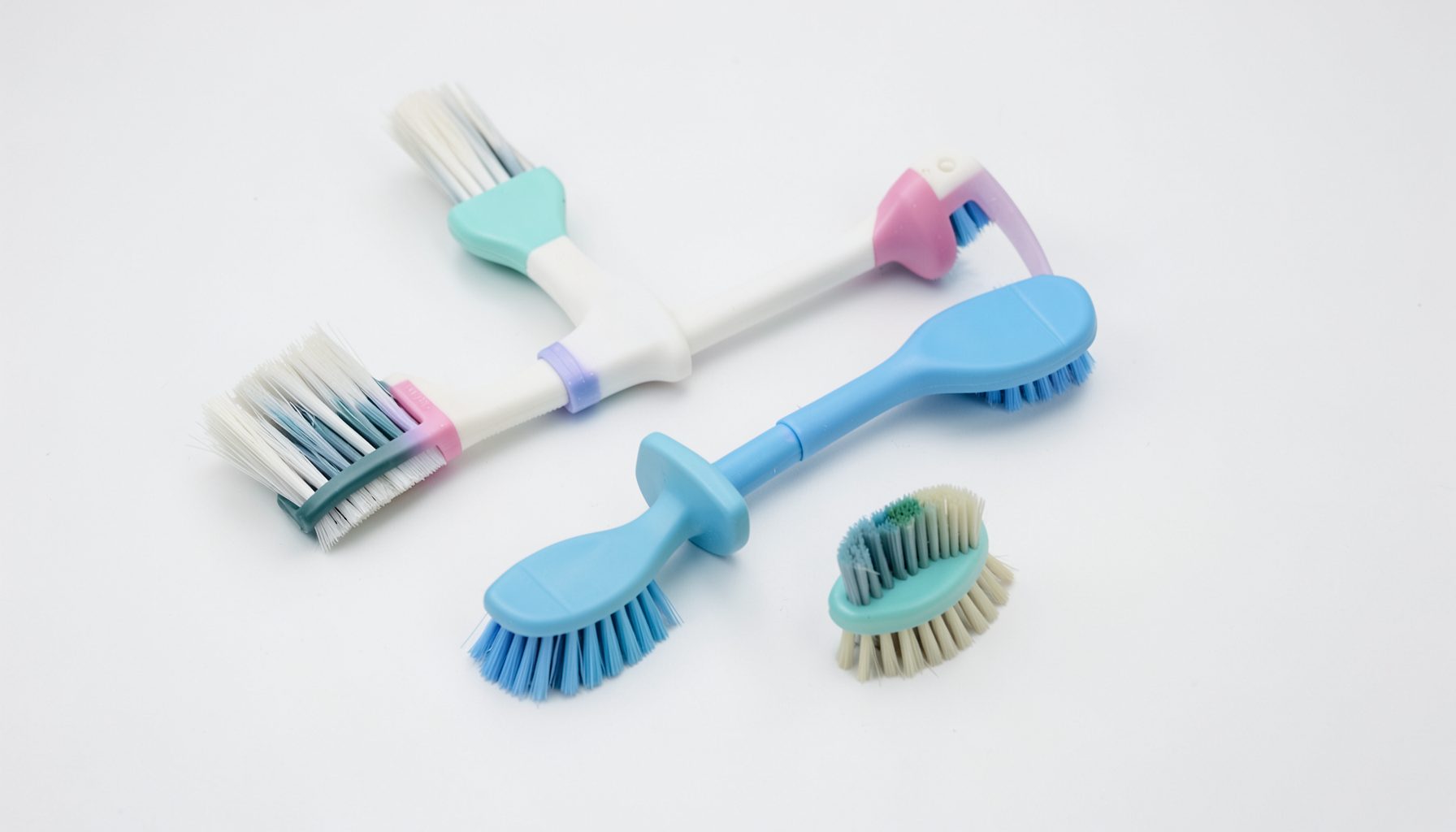
Switch nostrils and repeat. After use, rinse the bottle and let it air dry. Use ResQRinse Premium Cleaning Brushes for thorough cleaning.
Nasal Rinse for Seasonal Allergy Relief in Early Spring
Early spring can bring the first wave of tree pollen, mold spores, and shifting outdoor irritants. For people with seasonal allergies, that change may show up as a blocked nose, repeated sneezing, postnasal drip, facial pressure, or a dry, irritated nasal passage. A nasal rinse can help clear some of that buildup before it lingers.
Saline irrigation works by flushing mucus and airborne particles from the nasal passages with a gentle saltwater solution. It does not remove the underlying allergy trigger from the environment, but it can support easier breathing and make other parts of an allergy-care routine feel more effective.
Timing and technique matter. A comfortable rinse used after outdoor exposure or before bedtime may provide more practical relief than using one only after congestion becomes severe. Safe water, the right saline mixture, and a clean device are equally important.
Why Early Spring Can Trigger Nasal Symptoms
Tree pollen is often an early-season concern, appearing before grass and many weed pollens become widespread. Wind can carry these fine particles indoors through open windows, clothing, hair, and pet fur. Cool mornings followed by warmer afternoons can also encourage people to spend more time outside while pollen levels are rising.
Pollen can attach to the moist lining of the nose. The immune system may respond by releasing chemicals that cause swelling, itching, watery discharge, and sneezing. When the tissue becomes swollen, mucus has more difficulty moving normally, which can contribute to pressure and a blocked feeling.
A saline nasal wash helps mechanically remove mucus and irritants from the nasal cavity. This is different from an antihistamine or steroid nasal spray, which works through medication. Some people use both approaches, but prescription or over-the-counter medicines should always be used according to their labels or a clinician’s directions.
How Saline Irrigation Supports Relief
A nasal rinse uses a saline solution that is drawn through one nostril and allowed to flow out through the other. The process can loosen thick mucus, wash away pollen, and moisturize tissue that feels dry from seasonal exposure or indoor heating. The result may be a clearer nasal passage and less irritation after time outdoors.
The solution should be close to the natural salt balance of the body. Commercially prepared saline packets are useful because they provide a measured blend intended for nasal irrigation. Using plain water can sting, while an overly concentrated mixture may feel harsh and increase dryness.
A squeeze-bottle system can give users more control over the flow than a traditional neti pot. ResQRinse describes its Nasal Lock technology as part of a design intended to support a secure, comfortable fit during rinsing. Regardless of the device, the flow should remain gentle. More pressure does not mean better cleaning and may be uncomfortable when the nose is very swollen.
Choosing Between Common Rinse Options
Different systems can work well when used correctly, but their shape and handling experience vary. A squeeze bottle is often convenient for people who want to control the pace and volume of the rinse. A children’s version may be easier for smaller hands, although children should be supervised and taught not to force the solution.
A nasal mist is a lighter option for moisturizing and refreshing the nasal passages. It may suit someone who dislikes a larger-volume rinse or needs quick support while away from home. However, a mist generally does not flush as much mucus or pollen as a full-volume irrigation system.
| Option | Best suited for | Main benefit | Important consideration |
|---|---|---|---|
| Squeeze-bottle rinse | Blocked nose and seasonal congestion | Adjustable, thorough saline flow | Use gentle pressure and clean after use |
| Children’s rinse system | Supervised use by children | Smaller, easier-to-handle format | Follow age guidance and demonstrate technique |
| Saline packets | Consistent solution preparation | Premeasured ingredients | Mix only with safe water |
| Nasal mist | Dryness or light irritation | Quick, portable moisture | Usually provides less flushing |
| Traditional neti pot | Users comfortable with gravity flow | Simple, low-pressure delivery | Requires careful positioning and cleaning |
For early spring allergies, the best option is often the one a person can use consistently and comfortably. A complete kit with saline packets and cleaning accessories may make the routine simpler, while a separate mist can be useful between more thorough rinses.
Safe Water And Clean Equipment Matter
Water safety is essential for nasal irrigation. Use distilled or sterile water, or tap water that has been boiled and cooled according to public health guidance. Do not use untreated tap water in a nasal rinse. The nasal passages are not protected in the same way as the digestive system, so contaminated water can create serious health risks.
Prepare the saline solution as directed on the packet or product instructions. Wash your hands before handling the device, and avoid sharing a bottle or nozzle with another person. After use, rinse the components with safe water and allow them to air-dry fully. Moisture left inside a closed device can encourage microbial growth.
Inspect the bottle, cap, nozzle, and any nasal seal regularly. Replace parts when they become damaged, cloudy, cracked, or difficult to clean. Cleaning brushes can help reach narrow areas, but they should also be washed and dried between uses. A device that looks clean is not necessarily hygienic if water remains trapped inside.
A Gentle Routine For Allergy Season
Many people find it useful to rinse after gardening, hiking, yard work, or extended outdoor activity. Washing the face, changing clothes, and keeping bedroom windows closed during high-pollen periods can reduce the amount of allergen that reaches the nose. A rinse in the evening may help clear particles before sleep.
Use the system over a sink and lean forward slightly, keeping the mouth open so you can breathe comfortably. Tilt the head as directed rather than tipping it sharply backward. Place the nozzle gently against the nostril, create the intended seal, and squeeze slowly. Stop if there is sharp pain, significant ear pressure, or a strong burning sensation.
If the nose is completely blocked, forcing fluid through may worsen discomfort. It may be better to wait, use a clinician-approved method to reduce swelling, or seek medical advice. People who are older or managing conditions that affect balance, coordination, or nasal anatomy may benefit from reviewing technique and precautions in this senior safety guidance.
Practical Habits That Complement Rinsing
Nasal irrigation works best as one part of a broader seasonal allergy plan. Small changes can reduce exposure and help preserve moisture in the nasal passages.
- Check local pollen forecasts and plan outdoor activities for lower-count periods when possible.
- Shower or wash your face after spending time outside, especially after gardening or mowing.
- Keep windows closed during peak pollen periods and use clean heating or air-conditioning filters.
- Store saline packets and the rinse device in a dry, accessible place so the routine is easy to maintain.
- Follow product directions and stop using the system if repeated irritation, bleeding, or pain develops.
Avoid rinsing immediately after a heavy meal if leaning forward feels uncomfortable. Some users prefer morning irrigation to start the day with clearer nasal passages, while others find an evening rinse more helpful after outdoor exposure. Frequency depends on symptoms, comfort, and product instructions; frequent use should not leave the nose persistently dry or irritated.
Medical advice is appropriate when congestion lasts beyond the expected allergy season, occurs with fever or severe facial pain, or repeatedly causes nosebleeds. Seek prompt care for breathing difficulty, swelling around the eyes, vision changes, or other severe symptoms. A clinician can also help distinguish seasonal allergies from infection, asthma-related symptoms, structural blockage, or medication effects.
A comfortable nasal rinse can become a useful early-spring habit when it is paired with safe water, measured saline, gentle pressure, and consistent cleaning. Explore the ResQRinse range to choose a rinse system, children’s option, saline supply, or nasal mist that fits your routine, then use it as directed to clear seasonal irritants and support easier breathing throughout pollen season.