ResQRinse is the nasal irrigation squeeze bottle that eliminates head-tilting and awkward neck positions. Using proprietary Nasal Lock™ technology, it delivers a comfortable, gag-free sinus cleanse — no more saline dripping down your throat.

Relief From Fall Sneezes
Now sold on Walmart.com. Free shipping on orders $30+. Try ResQRinse today with your everyday purchases.
Shop at WalmartWhy ResQRinse?
Nasal rinsing helps relieve congestion from colds, allergies, sinusitis, hay fever, and environmental pollutants. ResQRinse makes it comfortable enough to become a daily habit.
Nasal Lock™ Technology
Isolates sinuses from the throat using natural choanal occlusion — like inflating a balloon — so saline stays where it belongs.
Learn more →
Drug-Free Relief
Uses premixed saline packets with distilled water. No medications, no preservatives — just a natural cleanse for your nasal passages.
How to rinse →
For Kids Too
ResQRinse for Kids features a comfort nasal tip right-sized for smaller nostril openings, making rinsing gentle and easy for children.
Shop kids' version →
Breath-Controlled Flow
You control the saline flow with your own breath pressure — high volume, low pressure irrigation that's comfortable and effective.
Watch how-to videos →
Better Compliance
Designed to overcome the gagging and discomfort that cause people to abandon traditional neti pots and nasal rinse systems.
Our story →
Complete Kits Available
From the basic ResQRinse Nasal Rinse System ($19.99) to 90-day complete kits, saline packets, cleaning brushes, and Sinoptim Nasal Mist.
Browse all products →Get Started with ResQRinse
Ready to experience a better nasal rinse? Fill out the form below and we'll help you find the right product — or follow the simple steps to begin rinsing today.
Request More Information
How to Use ResQRinse
Fill the Bottle
Fill the ResQRinse squeeze bottle with distilled or previously boiled water and add one premixed saline packet.
Position the Tip
Place the comfort tip gently against one nostril. No head-tilting or awkward neck angles needed.
Squeeze & Breathe
Squeeze the bottle gently while breathing through your mouth. Nasal Lock™ keeps saline in your nasal passages and out of your throat.
Repeat & Clean
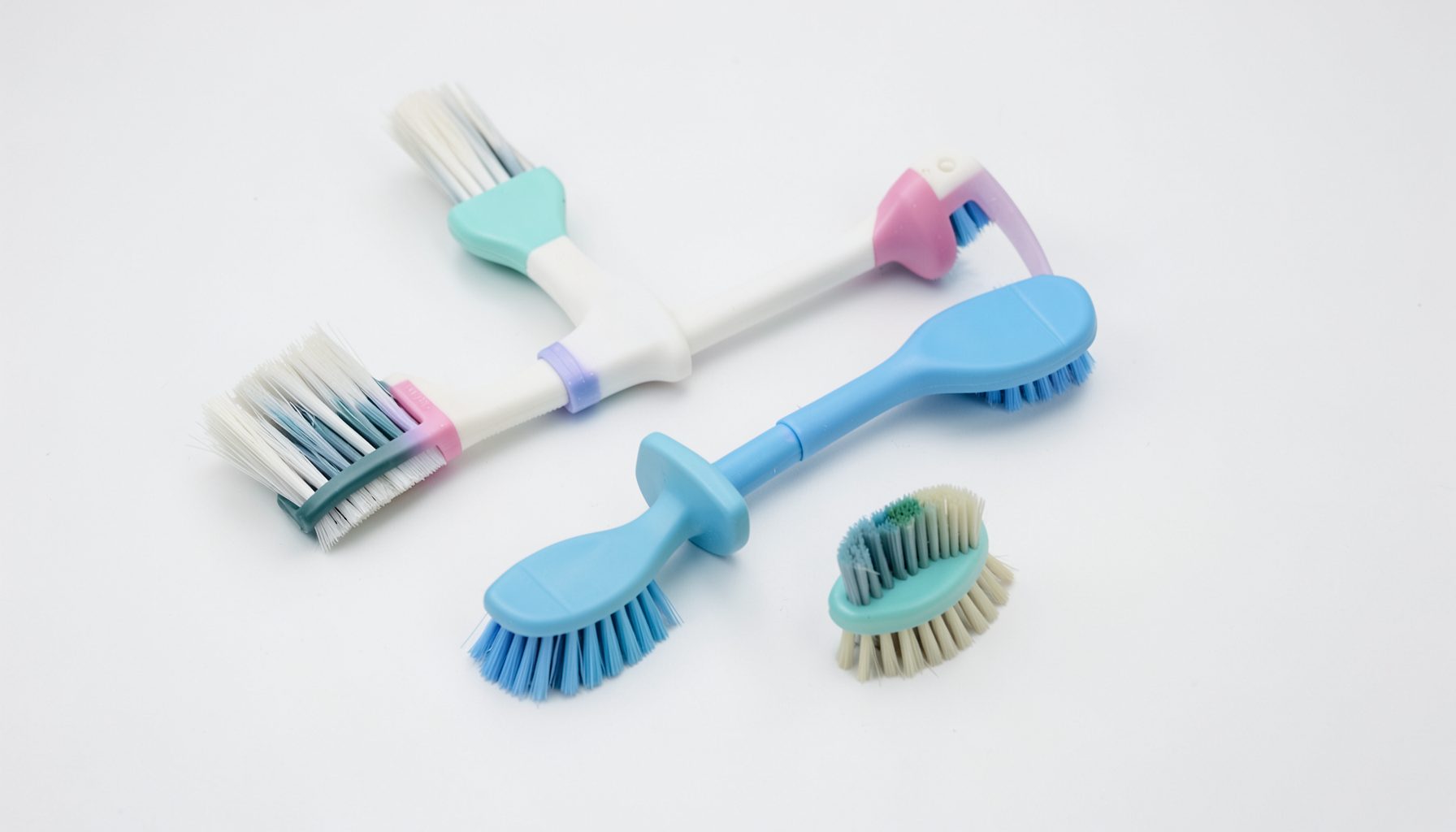
Switch nostrils and repeat. After use, rinse the bottle and let it air dry. Use ResQRinse Premium Cleaning Brushes for thorough cleaning.
Remove Calcium Buildup From a Squeeze Bottle With Citric Acid
A squeeze-bottle nasal rinse can develop a chalky film when minerals in tap water dry on the plastic. This calcium buildup may appear around the cap, nozzle, valve, or inside the bottle, particularly if the system is rinsed quickly but not dried fully. A mild citric acid solution can loosen the deposits without the harsh fumes associated with some bathroom descalers.
Cleaning the bottle is separate from preparing a nasal rinse. Citric acid removes mineral scale, but it must be completely washed away before the device is used again. The manufacturer’s care instructions should always take priority, especially for bottles with silicone parts, one-way valves, printed markings, or removable filters.
Why Mineral Deposits Form In Nasal Rinse Bottles
Calcium carbonate and other dissolved minerals are naturally present in many water supplies. When water evaporates, these minerals remain behind as a white, rough residue. The effect is more noticeable in parts of Australia with harder water, including Adelaide and Perth, while households in areas supplied by softer water may see less scale.
A bottle used every day can accumulate deposits around the threaded neck and cap because small amounts of water remain trapped after rinsing. Warm storage, direct sunlight, and leaving the bottle closed while damp can also encourage odours and a sticky film. This is why cleaning and drying matter just as much as the rinse itself.
For product-specific care instructions, the ResQRinse nasal systems range includes guidance for squeeze bottles, saline packets, children’s products, and related accessories. Use the instructions supplied with your own model before applying any descaling method.
Preparing A Gentle Citric Acid Cleaner
Food-grade citric acid is a practical option for dissolving light calcium scale. Mix approximately one level teaspoon of citric acid powder into 250 millilitres of warm water. Stir until the crystals disappear. Do not use boiling water, as very high temperatures may distort plastic or weaken seals.
Empty the bottle and separate the cap, nozzle, valve, and other removable pieces if the care instructions allow it. Pour the solution into the bottle, close it loosely, and gently squeeze or rotate it so the liquid reaches the affected surfaces. Place small components in a clean glass or bowl containing the same solution.
Allow the parts to soak for 15 to 30 minutes. Heavy deposits may need a second treatment rather than a much stronger mixture or a longer soak. Citric acid should not be combined with bleach, ammonia, vinegar, disinfectants, or other cleaning chemicals. Mixing products can create irritating fumes or damage the material.
Removing The Scale Without Damaging The Bottle
After soaking, use a soft bottle brush or the cleaning brush recommended for the system. Work gently around the base, cap threads, nozzle opening, and any internal channel. Avoid knives, metal scourers, abrasive powders, and stiff wire because scratches can create places for residue and microorganisms to collect.
A narrow nozzle must never be forced open with a pin or needle. If the opening remains blocked after soaking, rinse the part and follow the manufacturer’s replacement advice. Some valves and small internal components are designed to be replaced rather than scrubbed aggressively.
Flush every component several times with clean running water. Continue until there is no sour smell, slippery feeling, visible residue, or unusual taste. In Australian homes, tap water quality and hardness differ between councils, so use fresh potable water and follow any local water-supply notices. If a property has a private tank or bore, confirm that the water is suitable for cleaning and for preparing the nasal rinse.
Drying, Storage, And Safe Reuse
Shake off excess water, then leave the bottle, cap, and removable parts disassembled in a clean, well-ventilated place. A draining rack is useful, but keep the components away from dusty benches, pet areas, and bathroom splash. Do not seal the bottle while it is still wet. Air circulation helps prevent lingering moisture and odour.
Before the next nasal irrigation, inspect the bottle for cracks, cloudiness, rough scratches, damaged threads, or a valve that no longer closes properly. Replace the bottle if it cannot be cleaned thoroughly or if the plastic has become brittle. A clean-looking surface does not guarantee that hidden channels are free from residue.
For nasal irrigation, use sterile, distilled, or previously boiled and cooled water as directed by Australian health guidance and the product instructions. Ordinary tap water may be suitable for cleaning the device, yet it is not automatically appropriate for nasal use. The saline mixture should be made with the correct packet or measured ingredients so that it is comfortable rather than overly concentrated.
People who experience dryness after rinsing may find practical advice in this guide to rehydrating nasal mucus. Persistent burning, nosebleeds, facial pain, fever, or symptoms that continue after a cold should be assessed by a GP or pharmacist.
When To Clean Or Replace The System
A quick rinse after each use helps remove saline and mucus before they dry. Once the bottle has been rinsed, separate the pieces and allow them to air-dry. A more thorough wash should follow the schedule in the instructions, with descaling carried out when white mineral marks appear rather than waiting until the nozzle is restricted.
Households in Sydney, Melbourne, Brisbane, Adelaide, Perth, and regional communities may have different water hardness, temperatures, and storage conditions. Someone in a warm Brisbane bathroom may need to focus on rapid drying, while a household using hard groundwater near Perth may notice calcium deposits sooner. These differences make visual inspection more useful than following a fixed calendar alone.
Children’s nasal rinse systems need particular care. Keep citric acid powder and the prepared cleaning solution out of reach, and never allow a child to handle the bottle while it is being descaled. Wash and rinse children’s components separately, and replace any part that has been chewed, cracked, or permanently clouded.
Australian consumers should also check the packaging and online instructions for intended use, cleaning limits, and replacement parts. Medical devices and therapeutic products may carry specific labelling obligations, and the Therapeutic Goods Administration provides general information about regulated products. The Australian Consumer Law also supports remedies where a product is faulty or does not match its description, but normal mineral wear and incorrect cleaning may be treated differently from a manufacturing defect.
Nasal congestion can have many causes, including allergy, infection, irritants, structural problems, or medication effects. Do not add medicines to a rinse unless a qualified clinician specifically instructs you. Information about unrelated treatments, such as clomiphene products, should not be treated as guidance for nasal symptoms or device cleaning. A pharmacist can help identify suitable products available through Australian pharmacies, supermarkets, Walmart, or online retailers.
Regular maintenance keeps a squeeze bottle comfortable and functional, but citric acid is only a descaling step. The solution must never enter the nose, and the device must be rinsed thoroughly before saline is prepared. If mineral buildup returns quickly, consider using the water recommended by the manufacturer for cleaning, improving air-drying, or replacing worn components rather than repeatedly increasing the acid concentration.
Keep the bottle clean, dry, and ready for the next use by following the care directions and checking the ResQRinse FAQs for model-specific answers. Gather food-grade citric acid, warm water, a soft brush, and a clean drying area, then remove the scale with a gentle soak and thorough rinsing.