ResQRinse is the nasal irrigation squeeze bottle that eliminates head-tilting and awkward neck positions. Using proprietary Nasal Lock™ technology, it delivers a comfortable, gag-free sinus cleanse — no more saline dripping down your throat.

Relief From Fall Sneezes
Now sold on Walmart.com. Free shipping on orders $30+. Try ResQRinse today with your everyday purchases.
Shop at WalmartWhy ResQRinse?
Nasal rinsing helps relieve congestion from colds, allergies, sinusitis, hay fever, and environmental pollutants. ResQRinse makes it comfortable enough to become a daily habit.
Nasal Lock™ Technology
Isolates sinuses from the throat using natural choanal occlusion — like inflating a balloon — so saline stays where it belongs.
Learn more →
Drug-Free Relief
Uses premixed saline packets with distilled water. No medications, no preservatives — just a natural cleanse for your nasal passages.
How to rinse →
For Kids Too
ResQRinse for Kids features a comfort nasal tip right-sized for smaller nostril openings, making rinsing gentle and easy for children.
Shop kids' version →
Breath-Controlled Flow
You control the saline flow with your own breath pressure — high volume, low pressure irrigation that's comfortable and effective.
Watch how-to videos →
Better Compliance
Designed to overcome the gagging and discomfort that cause people to abandon traditional neti pots and nasal rinse systems.
Our story →
Complete Kits Available
From the basic ResQRinse Nasal Rinse System ($19.99) to 90-day complete kits, saline packets, cleaning brushes, and Sinoptim Nasal Mist.
Browse all products →Get Started with ResQRinse
Ready to experience a better nasal rinse? Fill out the form below and we'll help you find the right product — or follow the simple steps to begin rinsing today.
Request More Information
How to Use ResQRinse
Fill the Bottle
Fill the ResQRinse squeeze bottle with distilled or previously boiled water and add one premixed saline packet.
Position the Tip
Place the comfort tip gently against one nostril. No head-tilting or awkward neck angles needed.
Squeeze & Breathe
Squeeze the bottle gently while breathing through your mouth. Nasal Lock™ keeps saline in your nasal passages and out of your throat.
Repeat & Clean
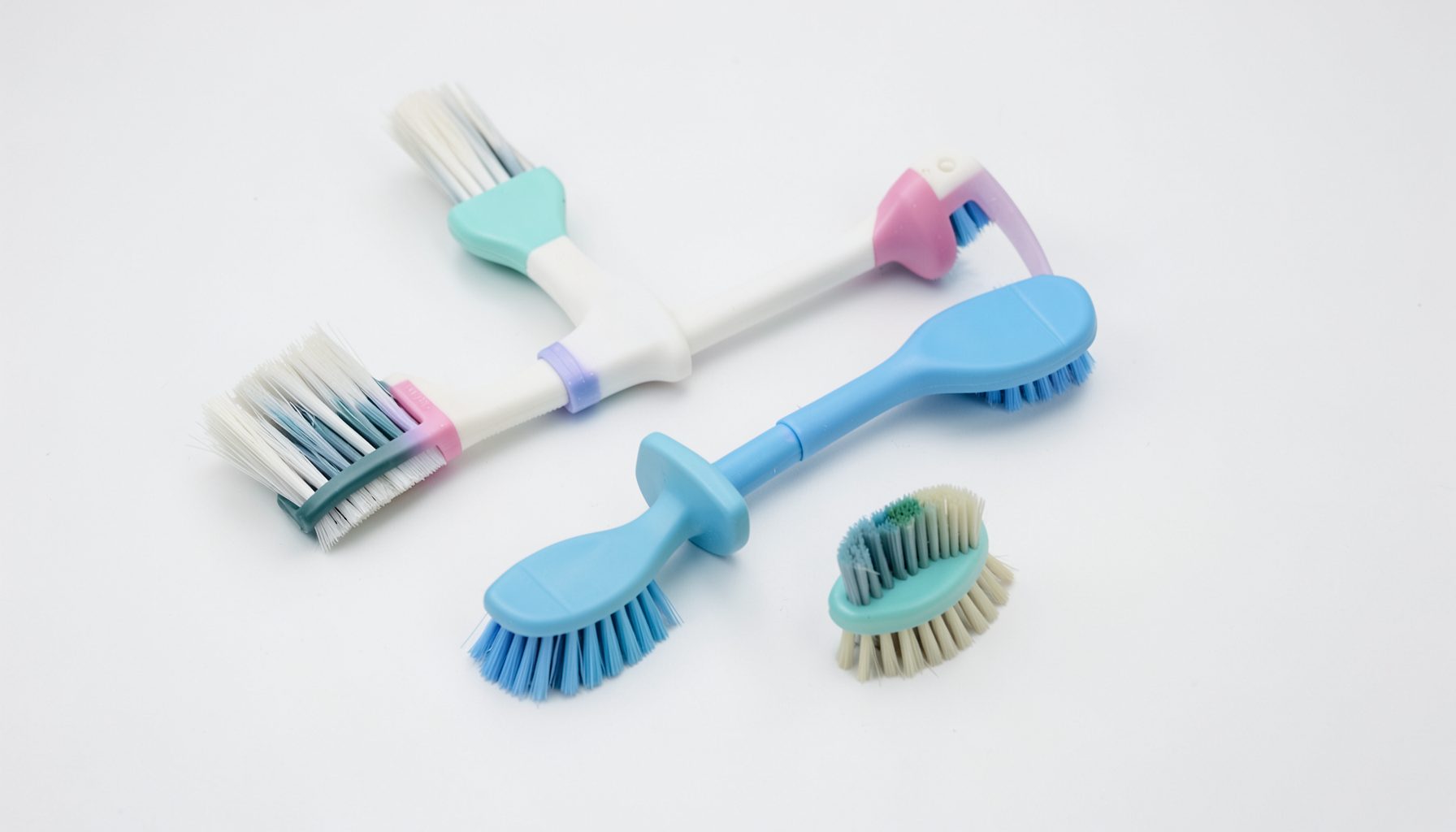
Switch nostrils and repeat. After use, rinse the bottle and let it air dry. Use ResQRinse Premium Cleaning Brushes for thorough cleaning.
How to reduce the tickling sensation when saline contacts your sinuses
A tickling feeling when saline reaches the back of the nose is common, especially during the first few rinses. It may come from a narrow stream touching tender tissue, cold solution, or an irritated lining caused by pollen, smoke, infection or dryness. The sensation does not always mean the rinse is working badly, but it should never be painful.
Most discomfort can be improved by changing the water temperature, saline concentration, device angle or squeezing pressure rather than abandoning nasal care. Gentle irrigation can wash away mucus and irritants, while a controlled rinse may soothe a nose exposed to dusty Australian conditions. Results vary, and a rinse cannot treat every cause of sinus symptoms.
This guide explains how to make each rinse feel calmer and how to distinguish an irritation warning from a normal sensation. It also covers safe water, cleaning, aftercare and the point at which advice from a pharmacist, GP or veterinarian is more appropriate than another home rinse.
Why the tickle happens
Saline should feel mildly moist rather than sharp. A tickle often reflects the nozzle touching delicate tissue, a stream striking the back of the throat, or solution that is too cold, salty or strongly scented. A brief odd sensation during a rinse is different from persistent burning or pain.
Although people commonly describe it as a sinus rinse, a squeeze bottle mainly washes the nasal passages and the lining around the sinus openings. It is not designed to flood the deeper sinus cavities. Position and flow therefore matter more than trying to push solution farther into the nose.
A sting can also indicate an already inflamed nasal lining. Allergies, sinusitis, recent surgery, dry indoor air and chemical exposure can make the tissue more sensitive. Burning, repeated sneezing, nosebleeds or one-sided facial pain deserve a pause rather than an attempt to “push through” the sensation.
Water and saline make the difference
Use water that is safe for the route, not merely safe to drink. For a rinse made from powder, use the specified volume of sterile or distilled water, or boil tap water and let it cool according to current health guidance. A summary of safe rinse water explains why untreated household tap water should not go straight into a nasal passage.
Temperature affects comfort as much as cleanliness. Lukewarm or body-temperature solution feels gentler, while cold saline can produce a sharp tickle. Never add boiling water to a bottle, and always allow boiled water to cool before use. The device instructions should take priority over general advice.
Strength matters too. Most daily rinses use isotonic saline, commonly around 0.9% sodium chloride, which is intended to clean without drying the lining. Stronger solutions are not automatically more effective and may sting sensitive tissue. Use sealed, measured saline packets rather than guessing with household spoons or adding extra salt after mixing.
Make the rinse gentler
ResQRinse describes its Nasal Lock technology as providing controlled delivery, while its squeeze-bottle format lets the user pause between squeezes. Compared with a traditional neti pot, this can make flow easier to manage and reduce the continuous pouring or throat drainage some people dislike. Follow the supplied fitting instructions rather than improvising a deeper seal.
Do not force the nozzle tightly against the nasal septum, where delicate tissue can become irritated. Seat it comfortably just inside the nostril and use the lowest squeezing pressure that clears the passage. A gentle “squish” is usually better than a firm stream, and taking a break between sides gives the lining time to settle.
Use only products and additives intended for nasal passage. Menthol, eucalyptus, essential oils and strong fragrance can create a cooling sensation while also irritating already sensitive tissue. Clean reusable bottles as directed, rinse them thoroughly and let them air-dry completely. A dedicated cleaning brush can help reach narrow areas, and worn or cracked components should be replaced.
Adjust the way you breathe and squeeze
Begin by washing your hands, blowing out loose mucus and filling the bottle according to its instructions. Lean over a sink, turn your head slightly to one side and place the nozzle just inside the nostril without touching the wall. Keeping your mouth open helps air move through the passage and reduces the likelihood of solution running straight down your throat.
Squeeze only when you are ready, then allow the solution to drain naturally before changing sides. Do not tilt the head backwards or sniff forcefully afterwards, as either action can draw solution into the throat and increase irritation. A gentle sniff at the end can move remaining moisture toward the nostril without causing another full stream.
Children should use an age-appropriate system with close adult supervision, and no one should be forced to continue when they show distress. Stop for pain, bleeding or repeated gagging. If congestion continues despite gentle rinsing, ask a pharmacist or GP whether an allergy treatment, medicated spray or further assessment would be more suitable.
Fit the routine to Australian conditions
Australian conditions can change nasal sensitivity throughout the year. Sydney residents may encounter tree pollen during spring, Melbourne often deals with grass and wheat pollen, and Brisbane can have pollen or mould exposure across much of the year. Bushfire smoke can irritate the nose even without an allergy, while heated Melbourne homes and air-conditioned offices may add dryness.
Everyday exposure can be reduced by washing the face after dusty travel, changing clothes after gardening and keeping indoor air reasonably humid when heating is running. People who enjoy home-growing advice should wash their hands after handling potting mix and avoid rubbing soil-covered fingers around the nose. A saline rinse may help wash away particles after exposure, but it does not prevent pollen from entering the airways.
ResQRinse products are sold through Amazon and Walmart. Australian shoppers should check Amazon.com.au, current pharmacy stockists and the exact marketplace seller, dispatch location and delivery terms, since Walmart does not operate a nationwide Australian store network. The Australian Consumer Law requires truthful safety claims, directions and warnings. The Therapeutic Goods Administration also regulates relevant medical devices, and any applicable listing can be checked in the Australian Register of Therapeutic Goods.
A comfortable-rinse checklist
A few small checks before the first squeeze can prevent most of the irritation people associate with nasal irrigation:
- Use lukewarm water and an isotonic saline solution made with a measured packet.
- Begin with slow, low-pressure squeezing and increase the flow only if comfortable.
- Keep the nozzle clear of the septum and pause whenever the sensation becomes sharp.
- Clean and fully air-dry the bottle after each use, using a dedicated brush where needed.
A short trial is often enough to identify the main source of discomfort. If cold liquid is the trigger, warm it gently; if the stream is too forceful, reduce the squeeze; and if the solution feels too strong, check the packet type and mixing instructions. Avoid repeatedly rinsing to compensate for ongoing irritation, as frequent washing can leave the lining feeling dry.
Take the next comfortable step
Stop rinsing and seek medical advice for severe or persistent facial pain, high fever, foul-smelling discharge, repeated nosebleeds, one-sided blockage, symptoms lasting several weeks or a severe headache with swelling around the eye. Home irrigation may ease congestion, but it cannot rule out infection, a dental problem or another condition requiring treatment.
Pet symptoms require separate consideration. A sneezing cat or dog may have an allergy, and a human rinse bottle should never be shared between people or animals. An overview of pet allergy rinsing can help pet owners identify questions for their veterinarian, who should advise whether any nasal procedure is appropriate.
Start with one gentle rinse using safe water, measured saline and controlled flow. Choose a ResQRinse squeeze-bottle system, children’s set or complete kit to suit the user, keep a dedicated cleaning brush nearby, and consider nasal mist when irrigation is not the preferred option. Check the ingredients, directions, Australian seller and delivery details before purchasing.