ResQRinse is the nasal irrigation squeeze bottle that eliminates head-tilting and awkward neck positions. Using proprietary Nasal Lock™ technology, it delivers a comfortable, gag-free sinus cleanse — no more saline dripping down your throat.

Relief From Fall Sneezes
Now sold on Walmart.com. Free shipping on orders $30+. Try ResQRinse today with your everyday purchases.
Shop at WalmartWhy ResQRinse?
Nasal rinsing helps relieve congestion from colds, allergies, sinusitis, hay fever, and environmental pollutants. ResQRinse makes it comfortable enough to become a daily habit.
Nasal Lock™ Technology
Isolates sinuses from the throat using natural choanal occlusion — like inflating a balloon — so saline stays where it belongs.
Learn more →
Drug-Free Relief
Uses premixed saline packets with distilled water. No medications, no preservatives — just a natural cleanse for your nasal passages.
How to rinse →
For Kids Too
ResQRinse for Kids features a comfort nasal tip right-sized for smaller nostril openings, making rinsing gentle and easy for children.
Shop kids' version →
Breath-Controlled Flow
You control the saline flow with your own breath pressure — high volume, low pressure irrigation that's comfortable and effective.
Watch how-to videos →
Better Compliance
Designed to overcome the gagging and discomfort that cause people to abandon traditional neti pots and nasal rinse systems.
Our story →
Complete Kits Available
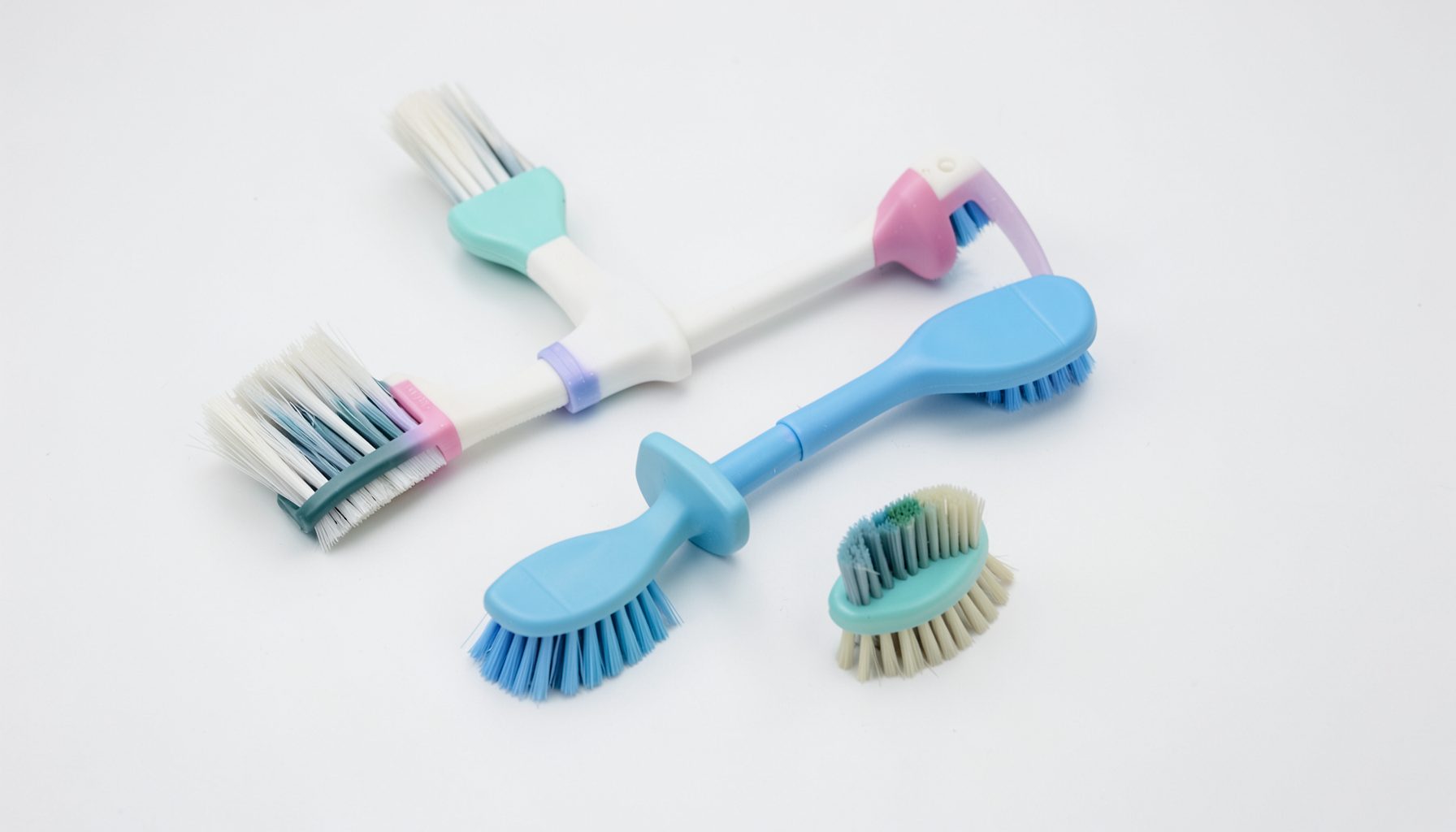
From the basic ResQRinse Nasal Rinse System ($19.99) to 90-day complete kits, saline packets, cleaning brushes, and Sinoptim Nasal Mist.
Browse all products →Get Started with ResQRinse
Ready to experience a better nasal rinse? Fill out the form below and we'll help you find the right product — or follow the simple steps to begin rinsing today.
Request More Information
How to Use ResQRinse
Fill the Bottle
Fill the ResQRinse squeeze bottle with distilled or previously boiled water and add one premixed saline packet.
Position the Tip
Place the comfort tip gently against one nostril. No head-tilting or awkward neck angles needed.
Squeeze & Breathe
Squeeze the bottle gently while breathing through your mouth. Nasal Lock™ keeps saline in your nasal passages and out of your throat.
Repeat & Clean
Switch nostrils and repeat. After use, rinse the bottle and let it air dry. Use ResQRinse Premium Cleaning Brushes for thorough cleaning.
Sinus Rinse and Nasal Spray: Choosing the Right Order
When congestion, seasonal allergies, or sinus pressure make breathing difficult, a saline nasal rinse and a medicated nasal spray can both have a place in a daily routine. The order matters because irrigation can remove mucus, allergens, and medication from the nasal passages.
For most medicated sprays, the usual approach is to rinse first, gently clear the nose, and apply the spray afterward. This gives the medicine a cleaner nasal surface and helps it stay where it is intended to work. The best routine can vary according to the spray’s ingredients, your symptoms, and your clinician’s instructions.
A rinse is designed to flush the nasal passages with saline solution. A spray usually delivers a smaller amount of saline or medication to a targeted area. Understanding that difference makes it easier to decide when to use each product and how long to wait between them.
Why the Order Matters
A nasal irrigation system moves saline through the nasal passages, loosening thick mucus and washing away pollen, dust, and other irritants. That cleansing action can also remove a medication that was applied shortly beforehand. For this reason, using a sinus rinse after a nasal spray may reduce the amount of medicine left on the nasal lining.
Rinsing before a spray creates a cleaner pathway. After irrigation, blow your nose gently or allow excess fluid to drain, then wait briefly so the passages are no longer actively dripping. A medicated spray can then be directed toward the outer wall of the nostril rather than the center septum.
The rinse should feel comfortable rather than forceful. Products using Nasal Lock technology are designed to help create a controlled seal and a steady flow, which may make the process easier for people who find traditional neti pots awkward.
A Simple Daily Sequence
Start by preparing the saline solution exactly as directed. Use distilled, sterile, or previously boiled and cooled water, depending on the product instructions. Tap water should not be used for nasal irrigation unless it has been treated appropriately, because untreated water may contain organisms that are unsafe for the nasal passages.
Lean over a sink, keep your mouth open, and let the solution flow without forcing it. Afterward, gently blow each nostril separately. Avoid vigorous blowing, which can create pressure in the ears or push fluid toward areas where it may cause discomfort.
Once the nose has drained, use the prescribed or over-the-counter nasal spray. Shake it if the label instructs you to do so, prime a new bottle when required, and keep the nozzle clean. Aim slightly outward, breathe in gently, and avoid a hard sniff that sends the medication down the throat.
Matching the Routine to the Spray
The rinse-before-spray rule is especially useful for corticosteroid sprays, which are commonly used for allergic rhinitis and ongoing nasal inflammation. These medicines work best when used consistently and when they can contact the nasal lining. They do not usually provide instant relief, so correct daily technique matters more than taking extra doses.
Antihistamine sprays and prescription combination sprays generally follow the same sequence, but their labels may include specific timing instructions. Read the product directions carefully, particularly if the spray contains more than one active ingredient.
A saline mist is different from a medicated spray. It adds moisture and may be used after irrigation if the nose feels dry, although it is often unnecessary immediately after a full rinse. Decongestant sprays also require special caution because overuse can cause rebound congestion. They should be limited to the duration stated on the label or by a healthcare professional.
| Nasal product | Usual place in the routine | Important consideration |
|---|---|---|
| Saline rinse | First | Flushes mucus, allergens, and residue from the passages |
| Corticosteroid spray | After the rinse | Use consistently and aim away from the septum |
| Antihistamine spray | After the rinse | Follow the label for frequency and technique |
| Saline mist | As needed for moisture | May be used later if dryness continues |
| Decongestant spray | Usually after cleansing | Use only for the recommended short duration |
When a Rinse After Spray May Be Appropriate
There are situations in which a healthcare professional may recommend rinsing after a spray. For example, a person may need to remove an irritating product, clear a strong taste from the throat, or follow a treatment plan designed for a particular condition. In those cases, the clinician’s instructions take priority over general timing advice.
If you accidentally use the spray first, do not automatically repeat the dose. A second application can increase the risk of side effects, especially with steroid, antihistamine, or decongestant products. Follow the label’s missed-dose guidance or ask a pharmacist how to proceed.
Some people prefer to rinse at a separate time of day. A morning saline rinse followed by a medicated spray can be practical, while a second rinse in the evening may be used when exposure to pollen, smoke, or dust has been high. Leaving a reasonable interval between an evening spray and a later rinse can help preserve the medication’s effect.
Safe Equipment and Comfortable Technique
Clean equipment is essential. Rinse the bottle or irrigation device after every use, let it air-dry fully, and follow the manufacturer’s cleaning directions. A cleaning brush can help reach internal areas where saline residue may collect. Replace components when they become worn, cloudy, cracked, or difficult to clean.
Premeasured saline packets are useful because they provide the intended balance of salt and buffering ingredients. Homemade mixtures can be incorrectly concentrated and may sting or worsen dryness. If a packet is not available, use only a recipe and water treatment method recommended by a reliable medical source.
A complete system from ResQRinse nasal rinse systems can help households keep the bottle, saline packets, and related accessories together. Children need an age-appropriate device and close adult supervision. Irrigation should stop if it causes sharp pain, significant ear pressure, nosebleeds, or persistent burning.
Common Timing Mistakes to Avoid
One frequent mistake is spraying while the nose is still full of thick mucus. The medicine may coat mucus instead of the nasal lining, reducing contact with the tissue. Another is rinsing immediately after applying medication, which can wash much of it away before it has had time to remain in place.
Using too much force is another problem. Nasal irrigation is meant to flush gently, not produce a high-pressure blast. If fluid repeatedly enters the ears, causes pain, or does not pass through comfortably, stop and review the position, device, and solution temperature.
Avoid sharing irrigation bottles, even within a family. Each person should have a personal device, and children should use products sized for them. For detailed preparation, cleaning, and application instructions, review the brand’s usage guidance alongside the directions supplied with your spray.
A Practical Routine for Different Symptoms
For allergy-related congestion, rinse after outdoor exposure or before the regular allergy spray. This can remove pollen and help the medication reach the nasal lining. During a cold, a saline rinse may be used for temporary relief, but it will not replace medical care if symptoms become severe or prolonged.
For sinus pressure, combine gentle irrigation with rest, fluids, and any treatment recommended by a clinician. Seek medical advice for severe facial pain, swelling around the eyes, high fever, vision changes, repeated nosebleeds, or symptoms that worsen after initial improvement.
People with recent nasal surgery, frequent ear infections, structural nasal problems, or immune system conditions should ask a healthcare professional before starting irrigation. A clinician can recommend the safest solution, device, pressure, and schedule for the individual situation.
Use these habits to keep the routine effective and comfortable:
- Rinse before most medicated nasal sprays unless the label or clinician says otherwise.
- Use sterile, distilled, or properly boiled and cooled water.
- Let the nose drain, then blow gently before applying medication.
- Clean and air-dry the irrigation device after every use.
- Avoid repeating a spray dose simply because the rinse was done in the wrong order.
A consistent sequence helps saline irrigation and nasal medication work as complementary parts of nasal care. Choose a comfortable rinse system, follow the instructions for your specific spray, and make safe water and equipment hygiene part of every use. Explore ResQRinse options and establish a routine that supports clearer, more comfortable breathing.