ResQRinse is the nasal irrigation squeeze bottle that eliminates head-tilting and awkward neck positions. Using proprietary Nasal Lock™ technology, it delivers a comfortable, gag-free sinus cleanse — no more saline dripping down your throat.

Relief From Fall Sneezes
Now sold on Walmart.com. Free shipping on orders $30+. Try ResQRinse today with your everyday purchases.
Shop at WalmartWhy ResQRinse?
Nasal rinsing helps relieve congestion from colds, allergies, sinusitis, hay fever, and environmental pollutants. ResQRinse makes it comfortable enough to become a daily habit.
Nasal Lock™ Technology
Isolates sinuses from the throat using natural choanal occlusion — like inflating a balloon — so saline stays where it belongs.
Learn more →
Drug-Free Relief
Uses premixed saline packets with distilled water. No medications, no preservatives — just a natural cleanse for your nasal passages.
How to rinse →
For Kids Too
ResQRinse for Kids features a comfort nasal tip right-sized for smaller nostril openings, making rinsing gentle and easy for children.
Shop kids' version →
Breath-Controlled Flow
You control the saline flow with your own breath pressure — high volume, low pressure irrigation that's comfortable and effective.
Watch how-to videos →
Better Compliance
Designed to overcome the gagging and discomfort that cause people to abandon traditional neti pots and nasal rinse systems.
Our story →
Complete Kits Available
From the basic ResQRinse Nasal Rinse System ($19.99) to 90-day complete kits, saline packets, cleaning brushes, and Sinoptim Nasal Mist.
Browse all products →Get Started with ResQRinse
Ready to experience a better nasal rinse? Fill out the form below and we'll help you find the right product — or follow the simple steps to begin rinsing today.
Request More Information
How to Use ResQRinse
Fill the Bottle
Fill the ResQRinse squeeze bottle with distilled or previously boiled water and add one premixed saline packet.
Position the Tip
Place the comfort tip gently against one nostril. No head-tilting or awkward neck angles needed.
Squeeze & Breathe
Squeeze the bottle gently while breathing through your mouth. Nasal Lock™ keeps saline in your nasal passages and out of your throat.
Repeat & Clean
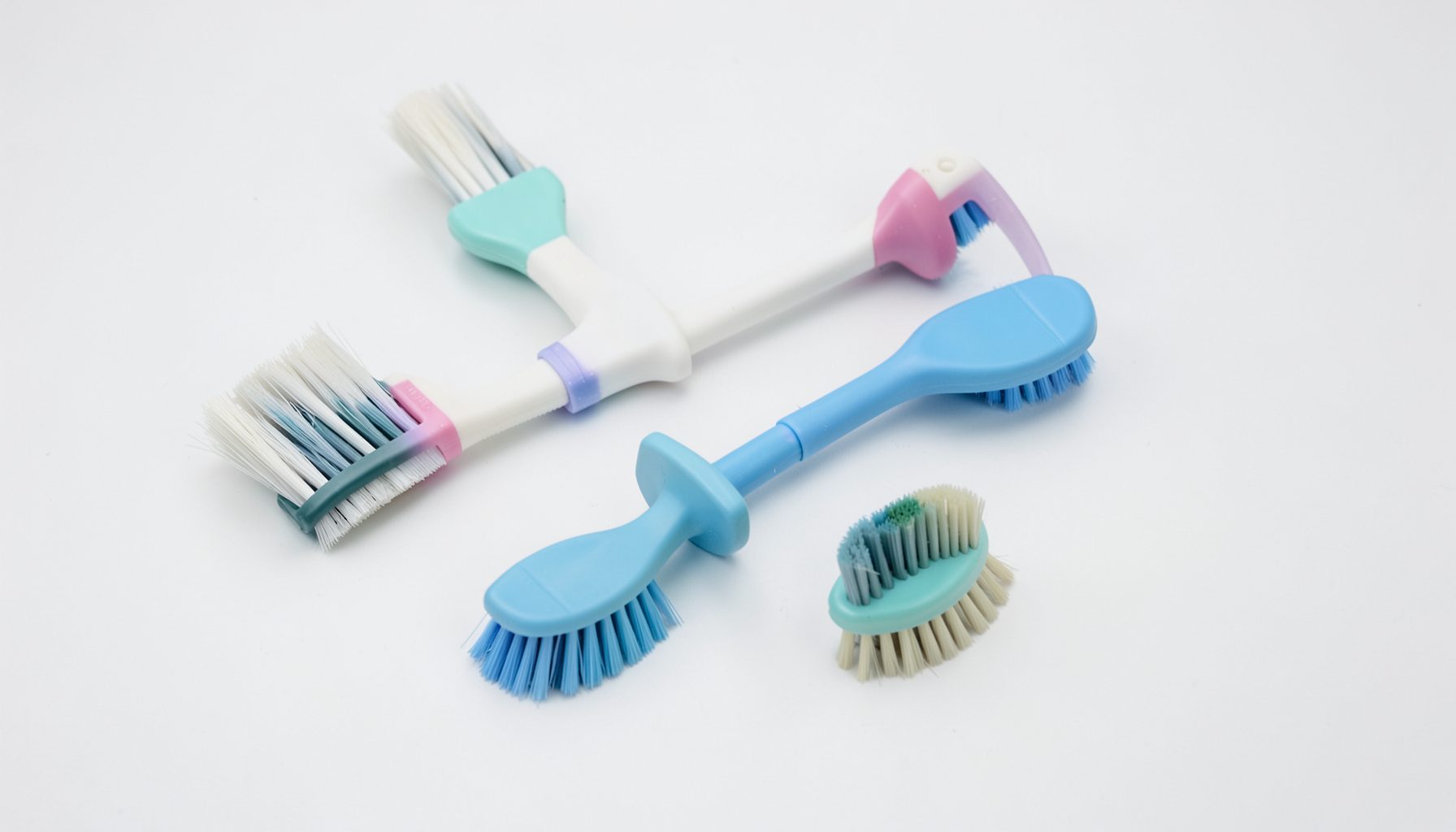
Switch nostrils and repeat. After use, rinse the bottle and let it air dry. Use ResQRinse Premium Cleaning Brushes for thorough cleaning.
Sinus Infection Signs That Call for a Doctor, Not a Rinse
Most Australians deal with a blocked nose or a heavy head at some point during the year, especially through spring when ryegrass pollen blankets Melbourne and the grassy paddocks of the Riverina send counts sky-high. A squeeze-bottle rinse can settle the dull pressure, clear thick mucus, and leave you breathing more easily within minutes. It is a sensible first response, and millions of people keep one in the bathroom cabinet for that reason. The trouble begins when sinusitis stops behaving like a stuffy nose and starts looking like something more serious.
The line between a viral cold that clears with saline and a bacterial sinus infection that needs medical treatment is not always obvious. Home irrigation can buy you time and comfort, yet it cannot resolve every cause of facial pain or fever. Knowing what your body is signalling, and which symptoms belong in a GP's office rather than over the bathroom sink, helps you avoid both unnecessary worry and dangerous delay.
When a Squeeze Bottle Helps and When It Reaches Its Limit
Saline irrigation works by flushing mucus, allergens and irritants out of the nasal passages. For the run-of-the-mill congestion that comes with a head cold, a few days of hay fever in Brisbane's dry westerlies, or the dusty aftermath of an Adelaide spring, gentle daily rinsing can genuinely shorten the misery. People who build it into a routine often find that they recover quicker, sleep better, and depend less on medicated sprays.
There are situations where irrigation alone is not enough. If symptoms have stretched past the ten-day mark without improvement, or if they lift briefly and then crash back harder, the underlying problem has likely moved beyond what a rinse can resolve. Recurrent infections, structural issues such as a deviated septum, and post-nasal drip linked to reflux all sit outside the reach of saline alone. Tools like the ResQRinse system are designed to make thorough, low-pressure flushing easier for everyday use, but they support self-care rather than replace medical assessment.
Pay close attention to your saline supplies too. Old packets lose their sterility, and using them can reintroduce the very bacteria you are trying to wash out. If you cannot remember when you opened a sachet, a quick check of spot expired saline packets removes any guesswork and keeps your routine safe.
Bacterial Sinusitis and the Symptoms That Set It Apart
Most sinus infections begin as viral. The lining swells, drainage slows, and pressure builds behind the cheeks and forehead. Within ten days, the immune system usually wins, and symptoms fade. Bacterial sinusitis announces itself in a different rhythm. The hallmark pattern is what clinicians call "double sickening," where you start to feel better and then take a sudden turn for the worse. Fever that returns, thick green or yellow mucus, and pain that localises to one cheek or one side of the forehead are also strong clues.
In Australia, GPs see this pattern often during the warmer months when air-conditioning ductwork circulates pollen and dust through offices from Sydney's CBD to Perth's northern suburbs. A short course of antibiotics may be warranted, but only after a proper assessment. Doctors will usually weigh the combination of symptoms, their duration, and your history before deciding whether medication is appropriate. Repeated courses when they are not needed contribute to resistance, a growing concern tracked by the Therapeutic Goods Administration and public health bodies across the country.
A useful rule of thumb is to give irrigation a fair trial for seven to ten days. Patterns that suggest a bacterial rather than viral cause include:
- Fever above 38.3°C that persists for three or four days in a row
- Mucus that stays thick, coloured, and one-sided well past the first week
- Facial pain that worsens when bending forward or tapping the cheekbones
- A brief improvement around day five, followed by a marked return of symptoms
If pressure, congestion and fatigue stay unchanged, or if any of those patterns appear, that is the moment to book an appointment rather than keep rinsing and waiting.
Red Flags That Warrant a Same-Day Visit
Some sinus symptoms signal that the infection has moved beyond the sinuses themselves, and these should never be managed with home care alone. Swelling or redness around the eye, especially if vision changes or eye movement becomes painful, can indicate the infection has spread to the orbital area and needs urgent attention. A severe frontal headache with high fever, confusion, or a stiff neck may point to involvement of the meninges and belongs in an emergency department without delay.
Other signs worth acting on include a sudden flood of clear fluid from one nostril after a head injury, swelling of the forehead, and any neurological change such as weakness on one side or trouble speaking. People who are immunocompromised, have diabetes that is poorly controlled, or are on chemotherapy should also treat sinus symptoms with extra caution, since an infection that is merely unpleasant in a healthy adult can become serious very quickly.
Australian after-hours clinics and the healthdirect hotline (1800 022 222) can guide you to the right level of care at any hour, including weekends and public holidays when your regular GP may be closed. Regional communities across the Wheat Belt and the Top End often rely on these services precisely because travel to a hospital is not always simple.
Children, Older Adults, and Special Circumstances
Sinus symptoms in young children and older adults can be tricky to interpret, because the classic combination of facial pain and coloured mucus does not always show up clearly. A toddler with a sinus infection may simply seem clingy, feed poorly, or wake at night with a cough that settles when propped up. An elderly relative may become confused, lose balance, or stop eating before any obvious nasal symptom appears. Carers and family members in cities from Hobart to Darwin are often the first to notice these shifts and are well placed to act on them.
For children under six, saline rinses remain a safe and well-tolerated option, though the volume and pressure should be adjusted. Most over-the-counter sinus medications are not suitable for young children, which makes professional guidance especially important if symptoms drag on. Pregnant women are another group who benefit from a quick check rather than self-treatment, since several decongestants and antibiotic options are off the table during pregnancy.
If in doubt about how a sinus infection is likely to behave in a vulnerable person, a single phone call to a GP or a Telehealth consult can sort the serious from the manageable. Catching complications early almost always means simpler treatment and a quicker return to normal.
Navigating Australia's GP and Pharmacy System
Australians are fortunate to have access to a layered healthcare system, and understanding how to use it saves time and money. A regular GP who knows your history, often bulk-billed under Medicare, is the first port of call for a sinus infection that does not respond to home care. Pharmacists at chains like Chemist Warehouse and Priceline, as well as independent chemists in country towns, can offer short-term advice and recommend saline products, decongestant sprays, or pain relief, but they cannot prescribe antibiotics.
If a doctor decides antibiotics are warranted, the medication may be covered under the Pharmaceutical Benefits Scheme, which keeps costs manageable. For recurrent or complicated cases, your GP can refer you to an ear, nose and throat specialist. Waiting lists vary, with private specialists often available within weeks in capital cities and public hospital outpatient clinics taking longer in regional areas.
Telehealth has become a practical alternative for many Australians. A video consult through your usual clinic or a Medicare-funded platform lets a doctor assess facial swelling, ask about fever, and decide whether you need to be examined in person. It is particularly handy for parents in rural Queensland monitoring a child's sinus symptoms during peak pollen season.
Building a Daily Routine That Reduces Future Flare-Ups
The best way to avoid the doctor-versus-rinse dilemma is to lower your chances of getting there in the first place. Sinuses stay healthier when mucus stays thin and flowing, and small habits make a measurable difference. Australians who manage hay fever well often combine daily irrigation during pollen peaks with sensible indoor habits that keep triggers out of the bedroom and living areas.
Habits that support steady sinus health throughout the year:
- Rinse once a day during spring and early summer, then taper as symptoms ease
- Keep bedroom windows closed on high-pollen days, particularly in grassy regions like Canberra and the southern tablelands
- Replace or wash pillow covers weekly to reduce allergen build-up near the airways
- Stay well hydrated, since dry mucous membranes are slower to clear
It also pays to know how long your saline solution stays reliable. A homemade batch lasts around 24 hours in the fridge, while a freshly opened commercial bottle holds its sterility for longer. Storage habits matter, and a quick read of extend saline shelf life helps you avoid using anything past its prime.
Take a moment to listen to what your body is telling you the next time congestion settles in. A rinse can settle the everyday stuff, but a fever that returns, swelling around the eyes, or symptoms that drag past ten days are cues to pick up the phone rather than reach for the bottle. Your local GP, a Telehealth consult, or the healthdirect line can sort the serious from the manageable, often within a single appointment. With a thoughtful routine and good self-awareness, you can keep most sinus troubles on the home-care side of the line and know exactly when to hand the problem over to a clinician.