ResQRinse is the nasal irrigation squeeze bottle that eliminates head-tilting and awkward neck positions. Using proprietary Nasal Lock™ technology, it delivers a comfortable, gag-free sinus cleanse — no more saline dripping down your throat.

Relief From Fall Sneezes
Now sold on Walmart.com. Free shipping on orders $30+. Try ResQRinse today with your everyday purchases.
Shop at WalmartWhy ResQRinse?
Nasal rinsing helps relieve congestion from colds, allergies, sinusitis, hay fever, and environmental pollutants. ResQRinse makes it comfortable enough to become a daily habit.
Nasal Lock™ Technology
Isolates sinuses from the throat using natural choanal occlusion — like inflating a balloon — so saline stays where it belongs.
Learn more →
Drug-Free Relief
Uses premixed saline packets with distilled water. No medications, no preservatives — just a natural cleanse for your nasal passages.
How to rinse →
For Kids Too
ResQRinse for Kids features a comfort nasal tip right-sized for smaller nostril openings, making rinsing gentle and easy for children.
Shop kids' version →
Breath-Controlled Flow
You control the saline flow with your own breath pressure — high volume, low pressure irrigation that's comfortable and effective.
Watch how-to videos →
Better Compliance
Designed to overcome the gagging and discomfort that cause people to abandon traditional neti pots and nasal rinse systems.
Our story →
Complete Kits Available
From the basic ResQRinse Nasal Rinse System ($19.99) to 90-day complete kits, saline packets, cleaning brushes, and Sinoptim Nasal Mist.
Browse all products →Get Started with ResQRinse
Ready to experience a better nasal rinse? Fill out the form below and we'll help you find the right product — or follow the simple steps to begin rinsing today.
Request More Information
How to Use ResQRinse
Fill the Bottle
Fill the ResQRinse squeeze bottle with distilled or previously boiled water and add one premixed saline packet.
Position the Tip
Place the comfort tip gently against one nostril. No head-tilting or awkward neck angles needed.
Squeeze & Breathe
Squeeze the bottle gently while breathing through your mouth. Nasal Lock™ keeps saline in your nasal passages and out of your throat.
Repeat & Clean
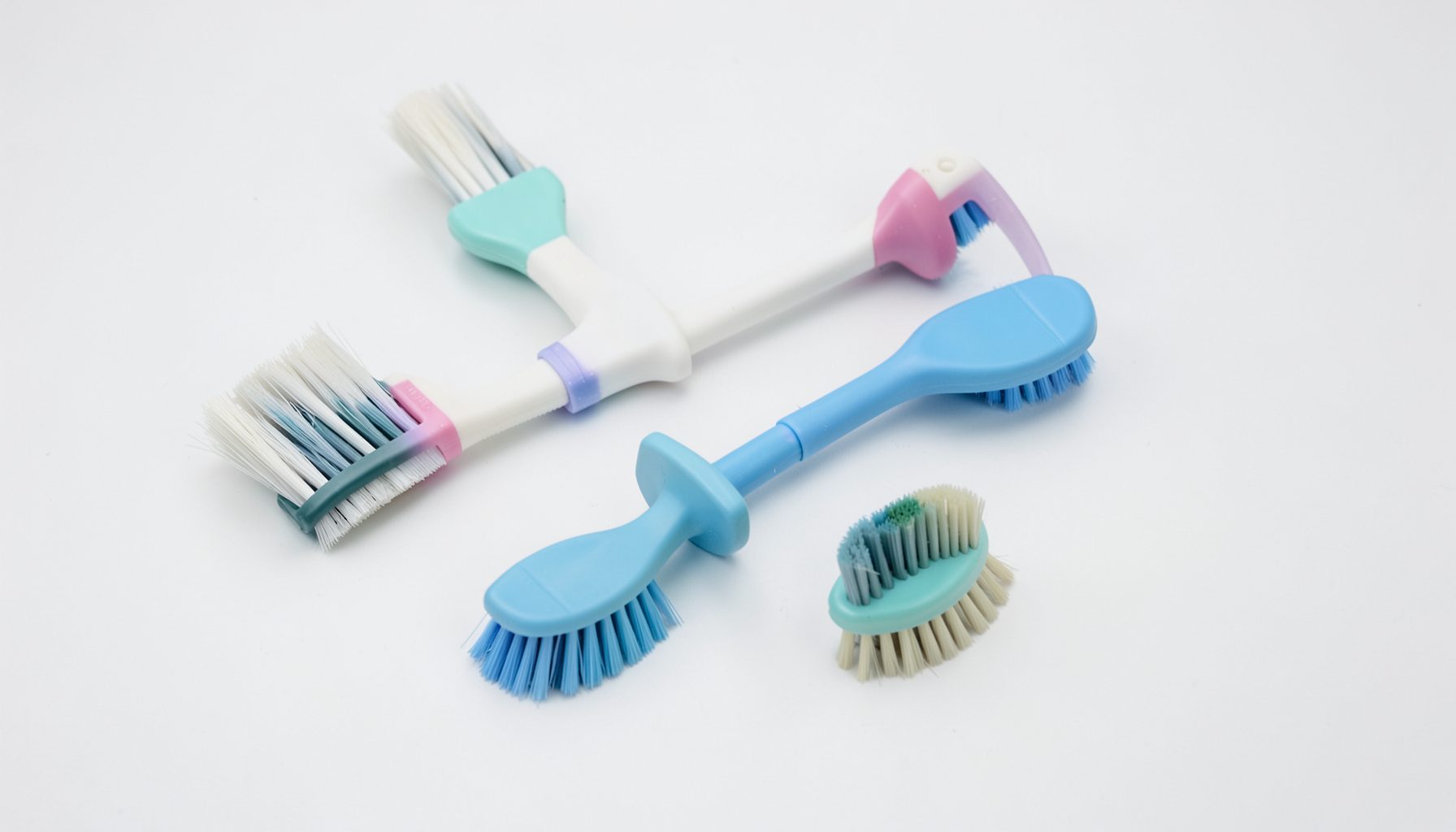
Switch nostrils and repeat. After use, rinse the bottle and let it air dry. Use ResQRinse Premium Cleaning Brushes for thorough cleaning.
Keep Water Out of Your Throat During a Sinus Rinse
Few things feel more frustrating than tilting your head for a soothing sinus flush, only to have the saline trickle down the back of your throat. That sudden gulp of salty water catches you off guard, interrupts your breathing, and can leave you coughing for several seconds. For Australians dealing with year-round pollen, dust storms rolling off the inland, or the lingering dryness of a hot summer arvo, a comfortable nasal rinse should feel calming, not chaotic.
The good news is that water ending up in the throat is almost always a technique issue rather than a flaw in the product itself. With a few small adjustments to posture, breathing, and the way you squeeze the bottle, you can complete a full flush without a single swallow. The steps below work whether you're using a traditional neti pot or a modern squeeze-bottle system like ResQRinse.
Why Water Sometimes Travels to the Throat During Irrigation
The nasal passages and the throat are connected through a single shared airway at the back of the nose, called the nasopharynx. When saline enters one nostril, it is meant to circle through the sinus cavities and exit the opposite nostril. If the pathway is blocked by swollen tissue, a deviated septum, or simply the wrong head angle, the fluid finds the path of least resistance, which is often straight down the throat.
Australians who live in coastal cities such as Sydney, Brisbane, or Perth often notice this problem more during spring, when wattle pollen and ryegrass trigger significant swelling in the nasal lining. The inflamed passages narrow the natural drainage channels, so fluid that would normally flow forward instead curves backwards. Even a mild cold or a dusty day in the bush can create the same effect.
Pressure also matters. Squeezing a bottle too forcefully, or holding a neti pot too high, can overwhelm the sinuses faster than they can drain. The fluid then backs up and spills into the throat before you have a chance to react. Slowing the flow gives the saline time to move through the intended path instead of pooling.
The Right Head Position for a Mess-Free Sinus Rinse
Most people instinctively tilt their head far back, as if they were gargling. That position actually opens the throat and closes the natural drainage angle of the nostrils, sending saline directly down the swallow reflex. Instead, you want your head leaning slightly forward, with your chin tucked toward your chest, like you are looking down at a sink full of water.
The ideal angle is roughly 30 to 45 degrees forward. Your forehead should be slightly higher than your chin, and your mouth should stay open and relaxed. This posture keeps the soft palate lifted, which acts like a gentle dam between the nasal cavity and the throat. Open your mouth wide enough that you could comfortably breathe through it for the entire session.
Practising in front of a bathroom mirror helps, especially the first few times. Some people find it easier to lean over a basin with their elbows braced on the counter, which takes the strain off the neck. In Australian bathrooms, where space can be tight, leaning over a laundry trough is often more practical than bending over a small hand basin.
Breathing Technique and Mouth Position
Breathing through your nose while water is flowing is the fastest way to send saline straight down your throat. The simple act of inhaling pulls fluid with it. Instead, breathe steadily through your mouth for the entire duration of the rinse. A relaxed, open mouth also keeps the soft palate in the correct position to block the back of the nose.
Try a slow, rhythmic exhale through the mouth, almost like a soft "haaa" sound. This continuous breath keeps the airway open, prevents the gag reflex, and signals to your body that nothing is going down the wrong pipe. Some people find it helpful to hum gently, which also keeps the throat relaxed and the soft palate lifted.
If a small amount of water does slip into the back of your throat, don't panic and don't swallow hard. Spit it out gently, blow your nose to clear the remaining fluid, and resume the rinse. The more tense your throat muscles are, the more likely fluid will trigger a coughing fit, so staying calm is half the battle.
Saline Temperature, Strength and Flow Rate
Cold saline is one of the most common reasons people end up with water in the throat. The shock of cold against the warm sinus lining causes the soft tissues to contract, which narrows the drainage pathways and redirects fluid backwards. Lukewarm water, roughly body temperature, lets the saline move freely without triggering that contraction.
Concentration matters as well. A solution that is too salty can sting the lining, prompting you to tense up and alter your head position mid-rinse. A balanced isotonic mix using the pre-measured packets that come with most rinse kits, including ResQRinse saline sachets, keeps the concentration at a comfortable level. Avoid the temptation to add extra salt for a "stronger" flush, as this usually backfires.
Flow rate is the third piece of the puzzle. Squeeze the bottle gently and steadily, rather than in sharp bursts. A continuous, gentle stream gives the saline time to travel through the sinuses and out the opposite nostril. If you feel pressure building, ease off the squeeze, let the fluid drain, and then continue. Patience here pays off in comfort.
Squeeze-Bottle Design and How It Helps
Traditional neti pots rely entirely on gravity, which means the head must be tilted at a precise angle to avoid spills. Squeeze bottles, on the other hand, give you direct control over the flow. You can pause, restart, or adjust the pressure with a simple squeeze of the hand, which significantly reduces the chance of water escaping down the throat.
The design of the ResQRinse bottle, with its soft silicone tip and measured chamber, sits comfortably against the nostril and creates a gentle seal. That seal prevents air from mixing with the saline, which is what causes gurgling and spluttering in less refined devices. You can read more about how the squeeze-bottle design reduces mess compared to neti pots, and why so many Australian households have switched to this method for daily sinus care.
The Nasal Lock technology built into the tip also helps maintain a steady seal even if you shift slightly during the rinse. That means you don't have to hold your head perfectly still like a statue for the entire session. A small movement won't suddenly send water cascading down your throat, which is a common complaint with rigid neti spouts.
Adjusting Your Routine for Allergy Season in Australia
Australia has some of the highest pollen counts in the world, and the spring thunderstorm asthma events in Melbourne and the ACT can leave sinuses inflamed for weeks. During peak allergy season, the nasal lining is more reactive than usual, so extra care with technique pays off. A gentle rinse first thing in the morning, before pollen has had a chance to settle, can clear overnight buildup and reduce morning congestion.
Many Australians also deal with dry indoor air during summer, especially in Adelaide or inland Queensland where evaporative coolers run for months. Dry sinuses crack and bleed more easily, making them more sensitive to sudden streams of water. A moisturising nasal mist used after the rinse helps restore comfort and keeps the passages supple for the next session.
During bushfire season, smoke particles can travel hundreds of kilometres from fires in the ranges and settle over major cities. Rinsing after returning indoors helps remove those fine particles before they trigger further irritation. For the latest guidance on managing sinus symptoms during high-smoke days, the news section of the ResQRinse website offers timely advice for Australian households.
A Quick Positioning Checklist
- Chin tucked toward the chest, forehead higher than the chin
- Mouth wide open, breathing through it only
- Squeeze the bottle gently, never in sharp bursts
- Use lukewarm, isotonic saline for comfort
Common Mistakes to Avoid
- Tilting the head backward, which opens the throat to drainage
- Breathing through the nose during the rinse
- Using cold saline that shocks the sinus lining
- Adding extra salt to make the solution "stronger"
With a few small adjustments to posture, breathing, and flow, you can complete a sinus rinse without a single drop reaching your throat. The ResQRinse system was designed with these comfort principles in mind, giving you a soft seal, controlled pressure, and a shape that fits naturally in the hand. You can learn more about the brand's approach to comfortable sinus care by visiting the About page, where the story behind ResQRinse and its Australian-friendly design philosophy is shared in full. Pick up a kit through the ResQRinse online store, available at major retailers across the country, and give your sinuses the gentle relief they've been asking for.