ResQRinse is the nasal irrigation squeeze bottle that eliminates head-tilting and awkward neck positions. Using proprietary Nasal Lock™ technology, it delivers a comfortable, gag-free sinus cleanse — no more saline dripping down your throat.
Relief From Fall Sneezes
Now sold on Walmart.com. Free shipping on orders $30+. Try ResQRinse today with your everyday purchases.
Shop at WalmartWhy ResQRinse?
Nasal rinsing helps relieve congestion from colds, allergies, sinusitis, hay fever, and environmental pollutants. ResQRinse makes it comfortable enough to become a daily habit.
Nasal Lock™ Technology
Isolates sinuses from the throat using natural choanal occlusion — like inflating a balloon — so saline stays where it belongs.
Learn more →
Drug-Free Relief
Uses premixed saline packets with distilled water. No medications, no preservatives — just a natural cleanse for your nasal passages.
How to rinse →
For Kids Too
ResQRinse for Kids features a comfort nasal tip right-sized for smaller nostril openings, making rinsing gentle and easy for children.
Shop kids' version →
Breath-Controlled Flow
You control the saline flow with your own breath pressure — high volume, low pressure irrigation that's comfortable and effective.
Watch how-to videos →
Better Compliance
Designed to overcome the gagging and discomfort that cause people to abandon traditional neti pots and nasal rinse systems.
Our story →
Complete Kits Available
From the basic ResQRinse Nasal Rinse System ($19.99) to 90-day complete kits, saline packets, cleaning brushes, and Sinoptim Nasal Mist.
Browse all products →Get Started with ResQRinse
Ready to experience a better nasal rinse? Fill out the form below and we'll help you find the right product — or follow the simple steps to begin rinsing today.
Request More Information
How to Use ResQRinse
Fill the Bottle
Fill the ResQRinse squeeze bottle with distilled or previously boiled water and add one premixed saline packet.
Position the Tip
Place the comfort tip gently against one nostril. No head-tilting or awkward neck angles needed.
Squeeze & Breathe
Squeeze the bottle gently while breathing through your mouth. Nasal Lock™ keeps saline in your nasal passages and out of your throat.
Repeat & Clean
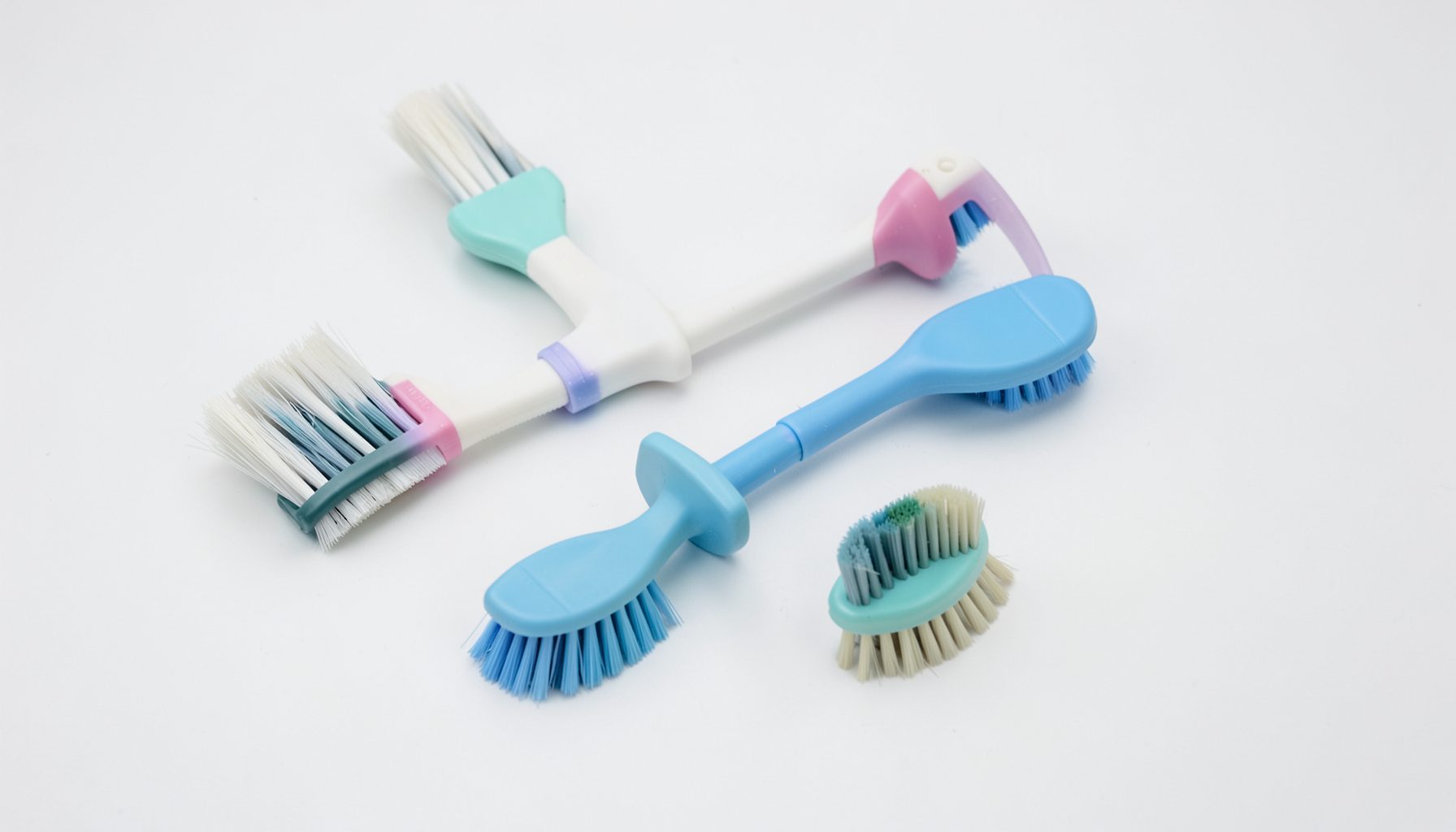
Switch nostrils and repeat. After use, rinse the bottle and let it air dry. Use ResQRinse Premium Cleaning Brushes for thorough cleaning.
Packing a Nasal Rinse Kit for Camping and Hiking Trips
When you are sorting through the packing list for a hike along the Bibbulmun Track or a car-camping weekend in the Kimberley, it is easy to forget the small things. Most walkers obsess over snake bandages, water bladders, and blister plasters, but sinus comfort rarely gets a mention. Yet the Australian bush is notoriously tough on the nose. Fine red dust from the interior, salt spray on the coast, and clouds of grass pollen across the southern capital cities can turn a comfortable multi-day walk into a week of headaches and cracked lips.
A compact nasal rinse system is one of the lightest pieces of self-care you can carry. The squeeze bottle, dissolving saline sachets, and a small cleaning brush weigh less than a muesli bar and can save a trip from being cut short by sinusitis, allergy flares, or the dry cabin air of an outback motel.
Why Nasal Care Matters on the Trail
Australia's varied terrain creates a unique mix of nasal irritants. In central Australia, whippy red soil finds its way into every gap of a swag, including the sinuses, after a windy day near Uluru. Along the Great Ocean Walk, salt-laden wind dries the mucous membranes faster than walkers expect. In Hobart and across Tasmania, the cool winter air carries its own drying effect, particularly at altitude on the Overland Track.
Hay fever affects a substantial slice of the population, and during Australian spring, pollen counts spike across Melbourne, Canberra, and the Adelaide Hills. Some walkers even deal with thunderstorm asthma events in late spring, when rye-grass fragments are blown into the air in concentrated bursts. A daily saline rinse flushes these irritants out before they settle deep in the airways, reducing the chance of a head-cold-turned-sinusitis ending an adventure early.
The Core Components to Pack
A field-ready kit does not need to be elaborate. The squeeze bottle itself should be sturdy enough to handle being wedged into a full pack, with a cap that seals tightly so no saline leaks onto dry clothing. Pre-measured sachets are far easier than loose salt in the bush, where humidity and grit can ruin anything that is not sealed.
Carry a small bottle brush to keep the nozzle and inner chamber free of biofilm, particularly if the kit is being shared between family members on a long drive to Katherine or a multi-day trek in the Blue Mountains. A microfibre cloth for drying and a zip-lock bag for used components complete the basics. Many campers buy a complete rinse system online so all parts arrive matched, which avoids the frustration of mismatched lids mid-trip.
Packing checklist at a glance:
- One squeeze bottle, rinsed and air-dried before packing
- Four to six pre-portioned saline sachets per person per week
- Soft cleaning brush stored in a small sleeve
- One zip-lock bag for any used or wet accessories
Water Sourcing and Safety Considerations
Australians are lucky to have high-quality tap water in capital cities, but that tells you very little about what is available at a remote campsite. Rainwater tanks at stations can carry dust and bird droppings, bush creek water can host amoebic organisms, and even a "clean" mountain stream in the Brindabella Ranges can pick up livestock run-off.
Distilled water remains the safest option for nasal rinsing because it is free of minerals, microbes, and chemical residues. Pharmacies in Brisbane, Perth, and the major regional centres usually stock small bottles, but walkers planning a Larapinta Trail end-to-end should carry enough for the entire journey. Boiled water is sometimes offered as an alternative, though it can still leave mineral deposits or trace contaminants; the reasons behind that choice are explored in distilled water for rinsing.
For short overnight trips where carrying litres of bottled water is unrealistic, boil and cool water at the campsite, then decant into a clean soft flask for rinsing only. Do not fill the squeeze bottle directly from a creek or billabong, no matter how clear it looks.
Smart Packing for Weight and Space
Ultralight culture has reshaped what Australian walkers carry. Anything that does not earn its place in the pack gets cut. A rinse kit can earn its place if it is packed smartly, with sachets decanted into a small snap-lock bag rather than left in bulky cardboard boxes.
Store the squeeze bottle empty and rolled flat in a dry bag, then fill it at the campsite from your clean water supply. This saves both weight and volume, and reduces the chance of leaks ruining sleeping bags or down jackets. Tuck sachets and the brush into the bottle's storage compartment if the design allows, so the whole kit becomes one tidy unit.
Space-saving packing ideas:
- Decant saline into a labelled snap-lock bag, one dose per zip
- Wrap the brush head in a small piece of paper towel to keep it clean
- Slip the whole kit into a 2-litre dry bag with your water-treatment tabs
Keeping the Kit Clean on the Bush Camp
Hygiene in the outdoors requires a small shift in routine. After each rinse, flush the bottle with clean water, then add a few drops of the boiled-and-cooled water plus a pinch of one of the saline sachets to gently scrub inside before a final rinse. The brush should be dried in open air rather than sealed wet inside a stuff sack, because the warm, sticky conditions of a Queensland summer afternoon can turn a damp brush into a microbial playground.
Avoid storing the kit in direct sun inside a closed car, where dashboard temperatures can climb above seventy degrees. Instead, pack it in the shady side of the pack, or in the tent's vestibule where air can move around it. If a member of the group is unwell, label their bottle clearly so it is not shared accidentally, especially on crowded hut walks in the Snowy Mountains where shared cooking spaces already create transmission risk.
Adapting to Specific Australian Environments
Each corner of the country presents a slightly different challenge. On red-dirt routes such as the West MacDonnell Ranges, expect clouds of dust to roll in mid-afternoon; rinsing at the end of the day clears the settled grit before sleep. Coastal walkers tackling the Cape to Cape in Western Australia face persistent salt exposure, so a morning rinse restores moisture wiped away by overnight breezes.
Allergy sufferers benefit from a midday rinse during peak pollen hours, particularly through the grasslands around Canberra. Bushwalking clubs in places like Victoria and South Australia often share seasonal advice and sometimes run first-aid sessions where saline rinsing is included as a basic comfort measure alongside blister care. Chemist Warehouse and other pharmacy chains stock saline sachets and distilled water widely, so topping up in towns like Cairns or Launceston before remote sections is straightforward.
Building a Trail-Side Rinse Routine
A reliable routine turns the kit from an unused item into a genuine piece of daily care. Many walkers rinse first thing in the morning to clear overnight congestion before breaking camp, then again after a particularly dusty descent. During allergy season, a quick rinse before bed reduces nighttime mouth-breathing and improves sleep on long days of walking.
Set up a small private area a few metres from the communal tent floor, or use a sheltered spot behind a rock or tarp wall. Pour used water into a cat-hole dug fifteen centimetres deep, well away from water sources, and pack out any packaging. With a little practice, the whole process takes under five minutes and quickly becomes as automatic as re-applying sunscreen.
Packing the kit thoughtfully is only the start. Choosing a system that has been designed for comfort and reliable sealing, with proper saline and cleaning tools, makes every trip calmer. Browse the ResQRinse range to compare kits, or learn more about the design behind the products before your next journey into the Australian bush.