ResQRinse is the nasal irrigation squeeze bottle that eliminates head-tilting and awkward neck positions. Using proprietary Nasal Lock™ technology, it delivers a comfortable, gag-free sinus cleanse — no more saline dripping down your throat.

Relief From Fall Sneezes
Now sold on Walmart.com. Free shipping on orders $30+. Try ResQRinse today with your everyday purchases.
Shop at WalmartWhy ResQRinse?
Nasal rinsing helps relieve congestion from colds, allergies, sinusitis, hay fever, and environmental pollutants. ResQRinse makes it comfortable enough to become a daily habit.
Nasal Lock™ Technology
Isolates sinuses from the throat using natural choanal occlusion — like inflating a balloon — so saline stays where it belongs.
Learn more →
Drug-Free Relief
Uses premixed saline packets with distilled water. No medications, no preservatives — just a natural cleanse for your nasal passages.
How to rinse →
For Kids Too
ResQRinse for Kids features a comfort nasal tip right-sized for smaller nostril openings, making rinsing gentle and easy for children.
Shop kids' version →
Breath-Controlled Flow
You control the saline flow with your own breath pressure — high volume, low pressure irrigation that's comfortable and effective.
Watch how-to videos →
Better Compliance
Designed to overcome the gagging and discomfort that cause people to abandon traditional neti pots and nasal rinse systems.
Our story →
Complete Kits Available
From the basic ResQRinse Nasal Rinse System ($19.99) to 90-day complete kits, saline packets, cleaning brushes, and Sinoptim Nasal Mist.
Browse all products →Get Started with ResQRinse
Ready to experience a better nasal rinse? Fill out the form below and we'll help you find the right product — or follow the simple steps to begin rinsing today.
Request More Information
How to Use ResQRinse
Fill the Bottle
Fill the ResQRinse squeeze bottle with distilled or previously boiled water and add one premixed saline packet.
Position the Tip
Place the comfort tip gently against one nostril. No head-tilting or awkward neck angles needed.
Squeeze & Breathe
Squeeze the bottle gently while breathing through your mouth. Nasal Lock™ keeps saline in your nasal passages and out of your throat.
Repeat & Clean
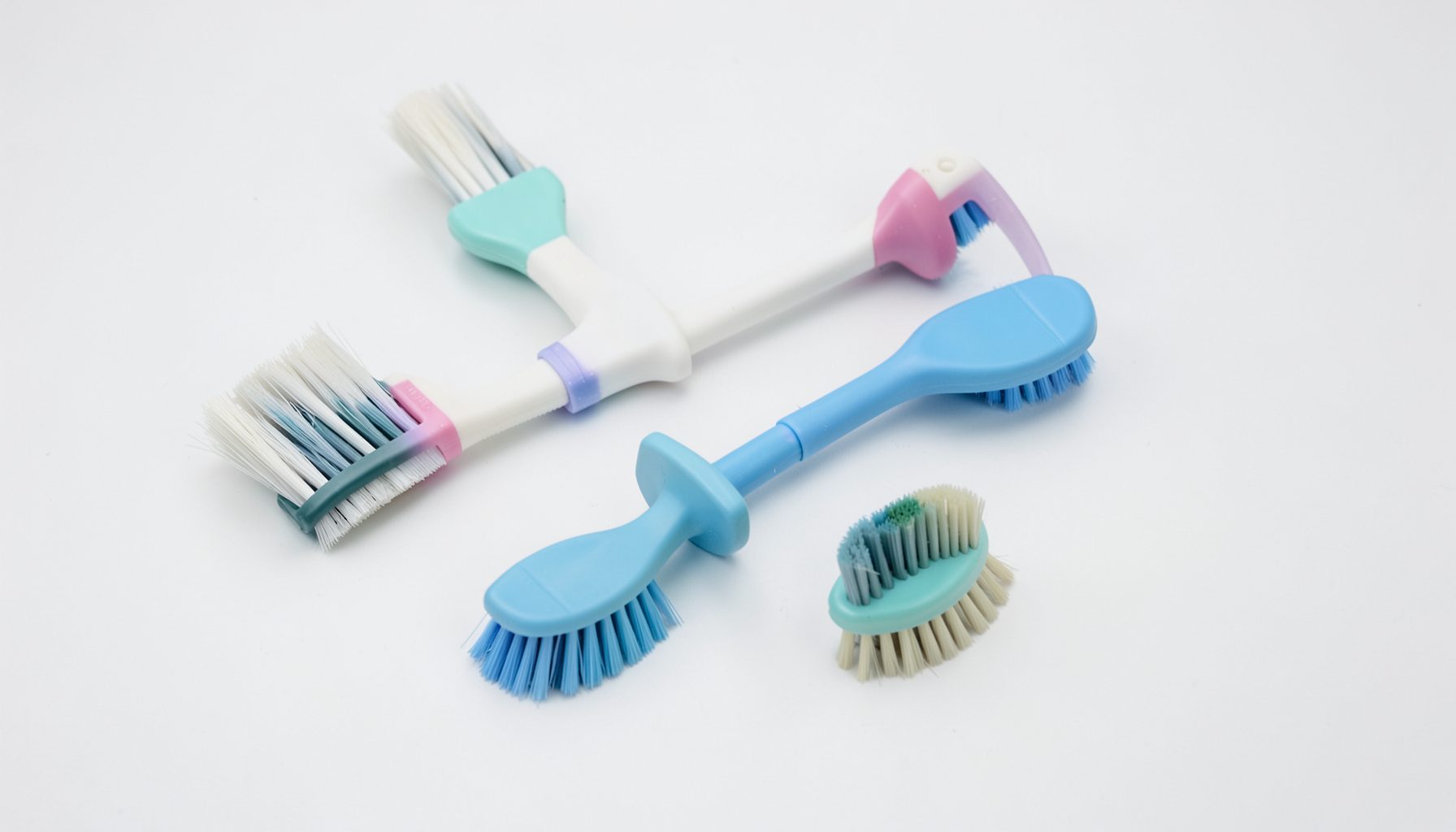
Switch nostrils and repeat. After use, rinse the bottle and let it air dry. Use ResQRinse Premium Cleaning Brushes for thorough cleaning.
Why Distilled Water Is the Safer Choice for Nasal Rinsing
Nasal irrigation can loosen mucus, wash away allergens, and moisturize irritated nasal passages. The water used in the rinse is just as important as the saline solution, because it comes into direct contact with sensitive tissues and can reach areas where ordinary tap water should not go.
Distilled water is widely preferred for sinus rinsing because it has been purified to remove microorganisms, minerals, and many impurities. It also provides a consistent starting point for mixing saline packets, helping the solution feel smoother and reducing the chance of unexpected irritation.
Boiled water may be an acceptable alternative when it is prepared correctly, but it requires careful handling. Boiling addresses many germs; it does not remove every possible contaminant, and the water can become contaminated again while cooling or being stored. Understanding that difference helps make a daily rinse both safer and more comfortable.
Why Water Quality Matters
The nasal passages have natural defenses, but they are not designed to handle every microorganism or contaminant found in untreated water. Drinking water is regulated for consumption, yet water that is safe to swallow is not automatically appropriate for nasal irrigation. The digestive system and nasal passages respond differently to potential contaminants.
Using contaminated water in a sinus rinse has been linked to rare but serious infections. The risk is low when people follow recommended practices, but the consequences can be severe. For that reason, health authorities generally advise using distilled or sterile water, or tap water that has been boiled and cooled according to safety guidance.
Water quality also affects comfort. Minerals and chemical residues can change the taste, smell, or feel of a rinse. A purified water source allows the saline mixture to work as intended without adding unnecessary particles that may sting inflamed tissue.
What Distillation Removes
Distillation involves heating water until it becomes vapor and then cooling that vapor back into liquid. Many dissolved minerals, salts, and impurities remain behind during this process. Commercially packaged distilled water is also sealed, giving it a controlled path from production to use.
This consistency is useful when preparing a nasal rinse. Saline packets are measured to create a balanced solution when mixed with the recommended volume of water. Distilled water reduces variables, which can make the rinse feel less harsh than water with a high mineral content.
Distilled water is not the same as purified or filtered water in every situation. Filtration methods vary, and some household filters are designed to improve taste rather than remove microorganisms. Check the product label and follow the nasal irrigation system’s instructions instead of assuming that any bottled or filtered water is suitable.
How Boiling Compares With Distilling
Boiling is a practical emergency or backup method because sustained heat can kill many disease-causing organisms. However, the water must reach a vigorous boil for the recommended amount of time, then cool in a clean, covered container. Warm water should never be poured directly into a nasal rinse device.
The main limitation is that boiling disinfects rather than purifies. It does not reliably remove minerals, metals, salts, or certain chemicals. If those substances are already present in the water, they may remain after boiling. Boiling also does not protect the water from contamination caused by an unclean container, uncovered cooling, or contact with unwashed hands.
Distilled water is therefore usually easier for routine use. It comes ready for the intended purpose, avoids the need for a cooling process, and offers a more predictable mineral profile. Boiled water remains a reasonable option when distilled or sterile water is unavailable, provided the preparation and storage steps are followed carefully.
| Water source | Main benefit | Important limitation | Best practice |
|---|---|---|---|
| Distilled water | Consistent purification and low mineral content | Must be purchased and stored properly | Use a sealed container and follow the expiration guidance |
| Sterile water | Produced for applications requiring sterility | May cost more or be less convenient to find | Keep sealed until use |
| Previously boiled water | Useful backup when prepared correctly | Requires boiling, cooling, and clean storage; does not remove chemicals | Boil as directed by health guidance and use promptly |
| Untreated tap water | Convenient and widely available | May contain organisms or impurities unsuitable for nasal use | Do not use unless treated according to official guidance |
| Filtered water | May improve taste or reduce some substances | Filter performance varies considerably | Use only when the label confirms suitability for nasal irrigation |
Keeping the Rinse Comfortable And Safe
Water temperature can make a major difference. Lukewarm water is generally more comfortable than cold water and less likely to irritate the nasal lining than hot water. Test a small amount on the inside of your wrist before filling a squeeze bottle, and never use water that could burn.
The device also needs attention. Rinse the bottle after every use, allow it to air-dry fully, and clean it as directed. A cleaning brush can help reach the inside of narrow components where moisture may linger. Replace the system or individual parts according to the manufacturer’s instructions, especially if they become cracked, cloudy, or difficult to clean.
Use the correct amount of saline rather than improvising with table salt. A properly balanced mixture can reduce stinging and support a more comfortable flow. ResQRinse systems use a controlled squeeze and Nasal Lock technology to help direct the rinse through the nasal passages while limiting messy backflow, but safe water and proper cleaning remain essential.
Choosing Water For Different Situations
For everyday congestion, seasonal allergies, or sinus discomfort, a sealed bottle of distilled water is usually the simplest choice. It can be stored with saline packets and a clean rinse system, making it easier to follow a consistent routine when symptoms appear.
Sterile water may be selected by people who prefer a product labeled specifically for sterile applications. Read the package carefully, since “spring,” “drinking,” or “purified” does not necessarily mean the same thing as distilled or sterile for nasal irrigation.
If boiling is the only available option, start with a reliable water source and use a clean pot. Follow current public-health instructions for bringing the water to a boil, let it cool while covered, and transfer it to a clean container. Avoid keeping homemade boiled water longer than recommended. When in doubt about a particular water source or storage method, review the manufacturer’s rinsing questions before using the device.
Building A Reliable Rinsing Routine
A safe routine is easier to maintain when each step has a designated place. Keep the water, saline packets, rinse bottle, and cleaning supplies together. This reduces the temptation to substitute an unapproved water source or use a device that has not dried properly.
Follow the instructions for flow direction, posture, and pressure. Leaning over a sink and breathing through the mouth can make the process more natural. Squeeze gently rather than forcing water through a blocked passage. Stop if you experience significant pain, nosebleeding, ear pressure, or worsening symptoms.
These habits support the benefits of nasal irrigation without turning it into an unnecessarily complicated task. ResQRinse’s usage information explains product features and care practices so users can match the rinse system to their needs.
Simple Steps For Safer Nasal Irrigation
Distilled water is preferred because it combines convenience, consistency, and a low mineral content. Boiled water can serve as a carefully prepared alternative, but it demands more attention to temperature, storage, and possible chemical impurities.
Use these practical habits to make water safety part of the routine:
- Choose sealed distilled or sterile water whenever it is available.
- If boiling water, use the recommended boil time, cool it covered, and store it in a clean container.
- Mix the correct saline packet with the stated volume of water.
- Wash and air-dry the rinse bottle and attachments after each use.
- Stop rinsing and seek medical advice if symptoms are severe, persistent, or accompanied by unusual pain or bleeding.
A comfortable rinse starts with the right water. Stock distilled water alongside your ResQRinse system, follow the care instructions, and use a clean saline mixture each time congestion or nasal irritation calls for relief.