ResQRinse is the nasal irrigation squeeze bottle that eliminates head-tilting and awkward neck positions. Using proprietary Nasal Lock™ technology, it delivers a comfortable, gag-free sinus cleanse — no more saline dripping down your throat.

Relief From Fall Sneezes
Now sold on Walmart.com. Free shipping on orders $30+. Try ResQRinse today with your everyday purchases.
Shop at WalmartWhy ResQRinse?
Nasal rinsing helps relieve congestion from colds, allergies, sinusitis, hay fever, and environmental pollutants. ResQRinse makes it comfortable enough to become a daily habit.
Nasal Lock™ Technology
Isolates sinuses from the throat using natural choanal occlusion — like inflating a balloon — so saline stays where it belongs.
Learn more →
Drug-Free Relief
Uses premixed saline packets with distilled water. No medications, no preservatives — just a natural cleanse for your nasal passages.
How to rinse →
For Kids Too
ResQRinse for Kids features a comfort nasal tip right-sized for smaller nostril openings, making rinsing gentle and easy for children.
Shop kids' version →
Breath-Controlled Flow
You control the saline flow with your own breath pressure — high volume, low pressure irrigation that's comfortable and effective.
Watch how-to videos →
Better Compliance
Designed to overcome the gagging and discomfort that cause people to abandon traditional neti pots and nasal rinse systems.
Our story →
Complete Kits Available
From the basic ResQRinse Nasal Rinse System ($19.99) to 90-day complete kits, saline packets, cleaning brushes, and Sinoptim Nasal Mist.
Browse all products →Get Started with ResQRinse
Ready to experience a better nasal rinse? Fill out the form below and we'll help you find the right product — or follow the simple steps to begin rinsing today.
Request More Information
How to Use ResQRinse
Fill the Bottle
Fill the ResQRinse squeeze bottle with distilled or previously boiled water and add one premixed saline packet.
Position the Tip
Place the comfort tip gently against one nostril. No head-tilting or awkward neck angles needed.
Squeeze & Breathe
Squeeze the bottle gently while breathing through your mouth. Nasal Lock™ keeps saline in your nasal passages and out of your throat.
Repeat & Clean
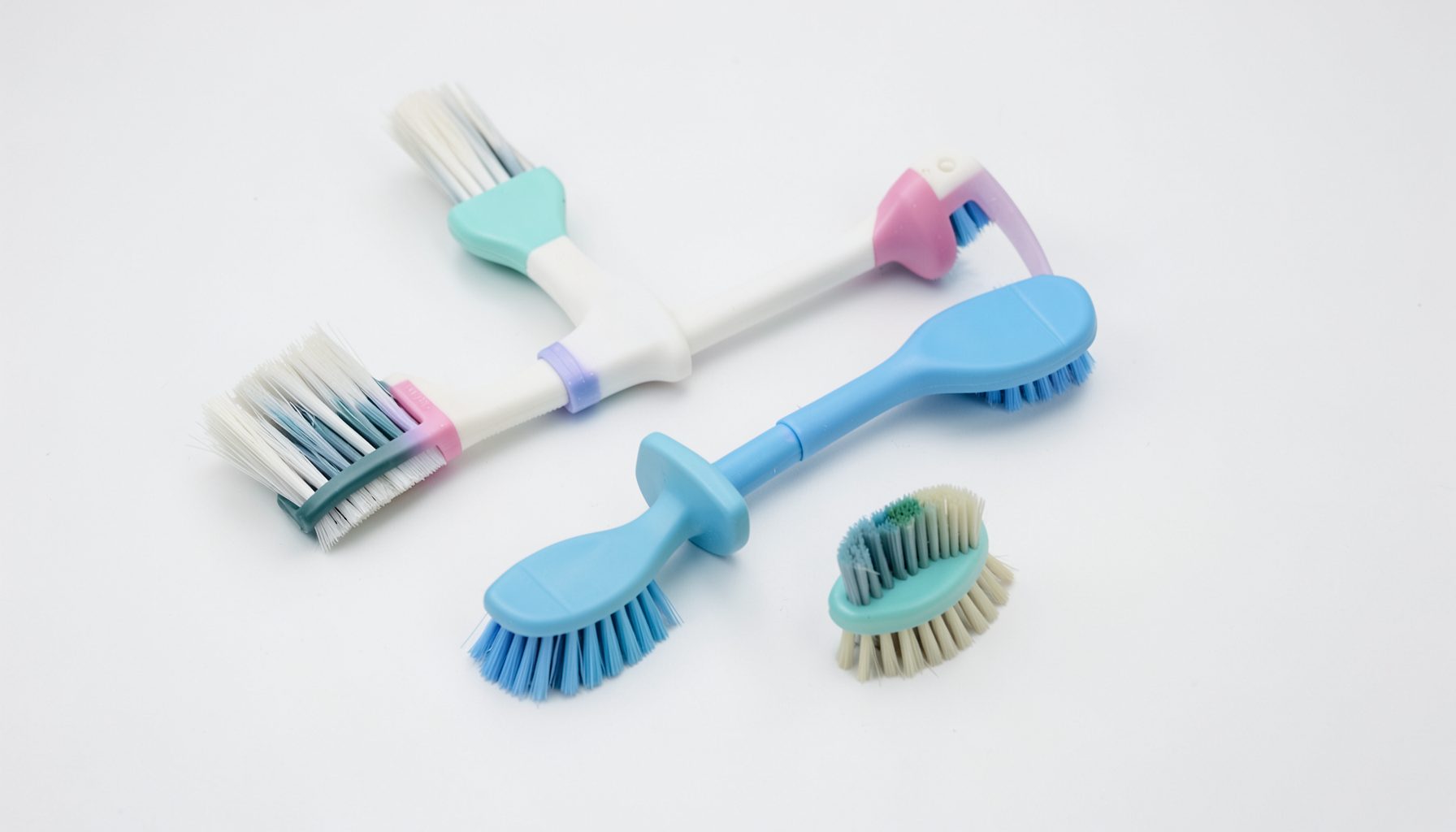
Switch nostrils and repeat. After use, rinse the bottle and let it air dry. Use ResQRinse Premium Cleaning Brushes for thorough cleaning.
How to Manage Sneezing Fits Immediately After Rinsing
A burst of sneezing after nasal irrigation can feel alarming, especially when the rinse was meant to clear congestion and make breathing easier. In many cases, the reaction is temporary. Saline may loosen mucus, stimulate sensitive tissue, or leave a small amount of fluid moving through the nasal passages, triggering several sneezes in quick succession.
This response is common among people managing hay fever, sinus pressure, colds, dust exposure, and seasonal allergies. In Australia, symptoms may flare during spring pollen season in Melbourne or Canberra, after dry weather in Adelaide, or when smoke, dust, and air conditioning irritate the nose in Sydney, Perth, or Brisbane.
A calm technique, correct water preparation, and a few simple aftercare steps can usually settle the nose. However, persistent pain, bleeding, fever, worsening facial swelling, or breathing difficulty needs medical attention rather than repeated rinsing.
Why Sneezing Can Happen After Nasal Irrigation
Sneezing is a protective reflex. When saline reaches an especially sensitive area, it can briefly stimulate the nasal lining and cause a chain of sneezes. The reaction may also happen when loosened mucus shifts towards the front of the nose or throat.
Water temperature and salt concentration matter. A solution that is too cold, too warm, or poorly mixed can irritate the mucous membranes. Homemade mixtures may also contain too much or too little salt, making the rinse sting. Using prepared saline sachets with the correct volume of safe water helps create a gentler solution.
Some people sneeze because they rinse too forcefully. Strong squeezing can push fluid against irritated tissue and create pressure around the ears or sinuses. A controlled flow is generally more comfortable than trying to flush the nose as quickly as possible.
If sneezing tends to occur at a predictable time, consider whether outdoor exposure is contributing. Checking a local pollen forecast and reviewing the best rinse timing can help people avoid rinsing immediately after a high-pollen walk or garden session.
What To Do During a Sneezing Fit
Stop squeezing the bottle as soon as the sneezing begins. Keep your mouth slightly open and breathe gently while allowing the nose to clear itself. Do not forcefully sniff the remaining fluid backwards, as this can increase throat irritation or make the sensation of pressure worse.
Lean forward over a sink and let fluid or mucus drain naturally. A soft tissue can be held beneath the nostrils, but avoid repeatedly rubbing the skin. If the nose feels dry afterwards, a gentle nasal mist may be more comfortable than immediately performing another full irrigation.
Wait several minutes before deciding whether another rinse is necessary. Repeating the process while the nasal lining is already reacting can prolong the irritation. Most short-lived sneezing episodes settle once the stimulus has passed.
If the solution burns, stop using it and check the preparation. Do not add extra salt or essential oils. Nasal irrigation should feel mild and clean rather than sharply painful, and a product should be used according to its instructions rather than adjusted by guesswork.
Making the Rinse More Comfortable
Use sterile, distilled, or previously boiled and cooled water. Australian tap water is treated for drinking, but nasal irrigation has more specific safety requirements because water is introduced directly into the nasal passages. Follow the manufacturer’s directions and allow boiled water to cool to a comfortably lukewarm temperature.
Wash your hands before preparing the solution. Check that the bottle, cap, nozzle, and any internal parts are clean and fully dry between uses. A cleaning brush can help remove residue from narrow areas, while replacing worn parts reduces the chance of buildup.
A squeeze-bottle system with a controlled outlet can be easier to regulate than an improvised container. ResQRinse’s nasal rinse products include options for everyday congestion, saline preparation, and family use. The Nasal Lock design is intended to help create a secure seal during rinsing, which may reduce leakage and make it easier to use gentle pressure.
Posture also affects comfort. Bend over the sink, tilt the head slightly forward and to one side, and keep the mouth open. Avoid leaning the head far back. The aim is to let saline travel through the nasal passage and out without creating unnecessary pressure in the ears or throat.
When Sneezing Signals a Problem
A few sneezes immediately after a rinse are usually less concerning than symptoms that continue for hours. Stop rinsing and seek clinical advice if there is significant nosebleeding, severe facial pain, new ear pain, repeated vomiting, faintness, or a high temperature.
People with recent nasal surgery, a severely blocked nasal passage, frequent nosebleeds, immune-system conditions, or a known structural issue should obtain advice from a GP, pharmacist, or ear, nose and throat specialist before starting irrigation. Australian pharmacists can also advise about saline products and whether a symptom needs assessment.
Use caution when comparing nasal irrigation with unrelated medicines or treatments found online. A product page such as medicine information does not replace advice about nasal symptoms, and medicines intended for other conditions should never be used in a rinse bottle or added to saline.
The Therapeutic Goods Administration regulates many therapeutic products sold in Australia, but regulation does not make every online health claim reliable. Check the label, follow the directions, and be wary of products that promise to cure chronic sinus disease or eliminate allergies permanently.
Helping Children And Sensitive Users
Children may sneeze after a rinse because they are tense, holding their breath, or receiving too much fluid too quickly. Use a child-appropriate system, explain each step in simple language, and let the child watch an adult demonstrate first. Never force a child who is distressed or struggling to breathe comfortably.
Keep the flow gentle and pause often. A child can spit out drainage into a tissue or sink rather than trying to swallow it. Once the rinse is finished, encourage gentle nose blowing, one nostril at a time. The practical guide on teaching kids to blow can help families establish a calmer routine.
Family routines often work best when they are predictable. Some households rinse after school or an outdoor activity, while others prefer an evening routine before showering and bedtime. Avoid rinsing immediately before leaving for a commute, sporting activity, or school run if sneezing is likely to be disruptive.
Children also need clear hygiene boundaries. Do not share nozzles, bottles, towels, or tissues, and keep equipment out of reach when it is not in use. Broader personal-care routines can be explained in age-appropriate ways too; resources such as period care guidance may be useful when families are teaching children about different kinds of body care.
A Practical Plan For Rinse Days
Begin with a small, consistent routine rather than changing several variables at once. Use the same approved saline concentration, similar water temperature, and gentle pressure for a few sessions. This makes it easier to identify whether the problem is the solution, technique, timing, or an environmental trigger.
Record patterns briefly if sneezing keeps returning. Note whether it follows gardening, cleaning, a dusty room, high pollen, a cold, or exposure to bushfire smoke. This information can help a GP or pharmacist distinguish temporary irritation from allergy-related inflammation or another nasal condition.
Before rinsing
- Wash hands and inspect the bottle for residue or damage.
- Prepare fresh saline with safe, lukewarm water.
- Choose a time when you can remain near a sink for several minutes.
- Clear the nozzle and keep tissues nearby.
If sneezing starts
- Stop the flow and lean forward.
- Breathe gently through the mouth while the nose settles.
- Let fluid drain without forceful sniffing or blowing.
- Seek advice if pain, bleeding, fever, or breathing trouble develops.
A sneeze immediately after irrigation does not automatically mean the system is unsuitable. In many cases, slowing the flow, improving the solution temperature, changing the timing, and allowing the nose to rest are enough to make the next session more comfortable. If reactions remain frequent or intense, pause the routine and arrange personalised medical advice.
Use nasal irrigation as a supportive hygiene measure, not as a substitute for assessment when symptoms are persistent. Choose safe water, keep equipment clean, follow the product directions, and select a system that makes gentle control straightforward. Review the available ResQRinse options and build a calm, consistent rinse routine suited to your household.