ResQRinse is the nasal irrigation squeeze bottle that eliminates head-tilting and awkward neck positions. Using proprietary Nasal Lock™ technology, it delivers a comfortable, gag-free sinus cleanse — no more saline dripping down your throat.

Relief From Fall Sneezes
Now sold on Walmart.com. Free shipping on orders $30+. Try ResQRinse today with your everyday purchases.
Shop at WalmartWhy ResQRinse?
Nasal rinsing helps relieve congestion from colds, allergies, sinusitis, hay fever, and environmental pollutants. ResQRinse makes it comfortable enough to become a daily habit.
Nasal Lock™ Technology
Isolates sinuses from the throat using natural choanal occlusion — like inflating a balloon — so saline stays where it belongs.
Learn more →
Drug-Free Relief
Uses premixed saline packets with distilled water. No medications, no preservatives — just a natural cleanse for your nasal passages.
How to rinse →
For Kids Too
ResQRinse for Kids features a comfort nasal tip right-sized for smaller nostril openings, making rinsing gentle and easy for children.
Shop kids' version →
Breath-Controlled Flow
You control the saline flow with your own breath pressure — high volume, low pressure irrigation that's comfortable and effective.
Watch how-to videos →
Better Compliance
Designed to overcome the gagging and discomfort that cause people to abandon traditional neti pots and nasal rinse systems.
Our story →
Complete Kits Available
From the basic ResQRinse Nasal Rinse System ($19.99) to 90-day complete kits, saline packets, cleaning brushes, and Sinoptim Nasal Mist.
Browse all products →Get Started with ResQRinse
Ready to experience a better nasal rinse? Fill out the form below and we'll help you find the right product — or follow the simple steps to begin rinsing today.
Request More Information
How to Use ResQRinse
Fill the Bottle
Fill the ResQRinse squeeze bottle with distilled or previously boiled water and add one premixed saline packet.
Position the Tip
Place the comfort tip gently against one nostril. No head-tilting or awkward neck angles needed.
Squeeze & Breathe
Squeeze the bottle gently while breathing through your mouth. Nasal Lock™ keeps saline in your nasal passages and out of your throat.
Repeat & Clean
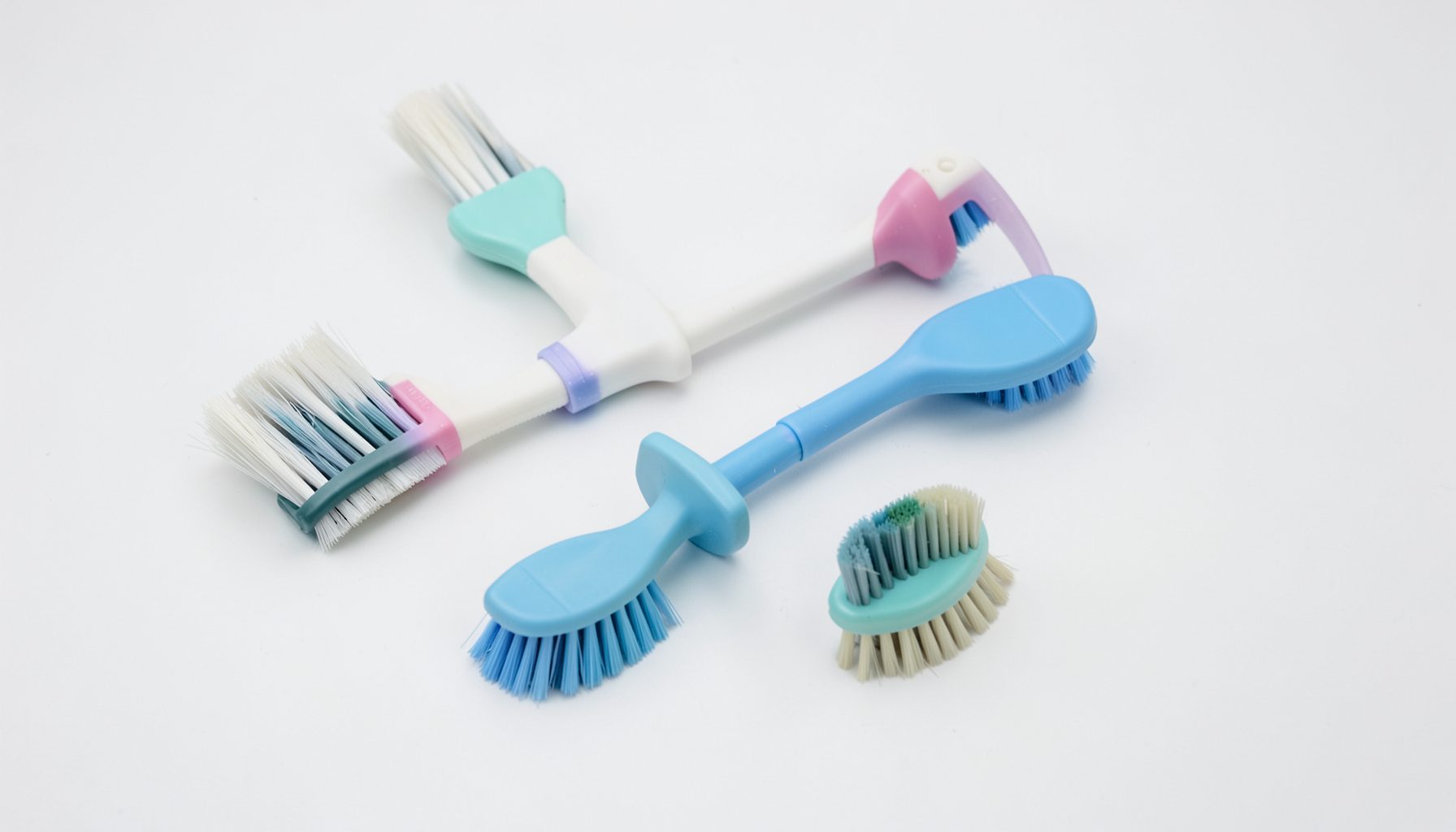
Switch nostrils and repeat. After use, rinse the bottle and let it air dry. Use ResQRinse Premium Cleaning Brushes for thorough cleaning.
DIY Saline Solution When Your Packets Run Out
That familiar empty-box feeling has hit most nasal rinse users at some point. You reach for a packet only to find none left, and the next chemist might not be open yet. Before panic sets in, it helps to know that a simple homemade saline mixture can tide you over, provided you're careful about proportions and water quality.
The truth is, Australian chemists such as Chemist Warehouse and Priceline stock saline packets by the box, so running out completely is usually a planning issue rather than a supply problem. Even so, pollen counts across Melbourne and Canberra can spike overnight, and waiting hours for relief feels rough when sinuses are already raw. Having a backup recipe committed to memory means you'll never be stuck mid-rinse.
It's worth noting upfront that homemade saline is a stopgap, not a permanent replacement. Measured packets exist for good reason, and they remove much of the room for error. The recipe below is meant to hold you until your next delivery.
Why Running Out Happens More Often Than You'd Think
Most users underestimate how quickly a box disappears during peak allergy season, when rinses happen twice daily. A standard box of 30 packets typically lasts around two weeks under heavy use, and once the bottom of the box starts showing, it's easy to forget to reorder.
In Australia, hay fever season runs differently from Europe or North America. Spring thunderstorms in Sydney stir up grass pollen during October and November, while Melbourne's notorious thunderstorm asthma events can hit without warning. Brisbane and Adelaide allergy sufferers also deal with year-round mould spores and dust mites, meaning rinses stay consistent through autumn and winter.
Setting a recurring reminder on your phone, enabling auto-reorder through Amazon Australia, or simply buying a second box to stash when your current one is half-finished all work well. For those who travel frequently between Perth and the Gold Coast, carrying a couple of sachets in your toiletry bag keeps hotel stays safe.
The Role of Each Ingredient
The two dry components of any saline rinse are salt and sodium bicarbonate, commonly called baking soda. The salt draws water into tissues to thin mucus, while the bicarbonate buffers the solution so it feels gentler on inflamed passages. Both must be plain and free from additives.
Table salt from Coles and Woolworths typically contains iodine and anti-caking agents, both of which irritate delicate sinuses. Choose instead a non-iodised pickling salt, sea salt without added iodine, or pure kosher salt. Read labels carefully because some Australian salt brands sneak in iodine even when the front of the pack suggests otherwise.
Baking soda is straightforward. Standard boxes from the baking aisle contain pure sodium bicarbonate. Avoid anything labelled as baking powder, which includes extra ingredients that don't belong in your nose.
Water is the silent partner and often the biggest risk factor. Boiled tap water, distilled water from a pharmacy, or filtered water meeting Australian Drinking Water Guidelines are all acceptable. The Therapeutic Goods Administration and most ENT specialists caution against using unboiled tap water in nasal passages because of rare but serious infection risks, even in urban centres like Brisbane or Hobart. For a closer look at the brand's approach to safety, see about ResQRinse.
Mixing Your Own Solution Safely
The classic ratio is one-quarter teaspoon of non-iodised salt combined with one-eighth teaspoon of baking soda, dissolved in 240 millilitres of warm water. Warmth matters because cold solution causes mild cramping, while hot liquid can scald sensitive tissue. Aim for something close to body temperature, around 37 degrees Celsius.
Start by boiling your water if you haven't used distilled or filtered. A rolling boil for one minute is enough at sea level, though at altitudes above 1000 metres in places like the Snowy Mountains, three minutes is a safer bet. Let the water cool until it feels neither hot nor cold against your wrist before stirring in the dry ingredients.
Stir until everything dissolves, then pour the mixture into a clean squeeze bottle. Test a small amount in one nostril before treating both sides, in case the concentration feels off. If you notice stinging, the salt level is likely too high or too low, and a fresh batch is safer than pushing through.
Labelling your bottle with the time and date is a worthwhile habit. Homemade saline without preservatives has a much shorter shelf life than buffered packet mixes. Discard any unused portion within 24 hours unless refrigerated, and never top off an old batch with fresh solution.
Common Mistakes New Mixers Make
The most frequent error is using too much salt. Extra salt doesn't speed relief; it burns. New users sometimes assume a stronger solution will clear congestion faster, only to find their sinuses feel raw afterwards. Stick with the quarter-teaspoon ratio until you've tried it, and adjust only if a healthcare professional suggests otherwise.
The second mistake involves water-source shortcuts. Some users assume their Sydney or Adelaide tap water is clean enough without boiling, yet nasal tissue is more vulnerable than the digestive tract. Always boil, filter, or buy distilled water from a pharmacy. A small bottle of distilled water from Chemist Warehouse costs a few dollars and removes all doubt.
Another pitfall is reusing the same batch across multiple days without refrigeration. Some people mix a large jug and keep refilling the bottle. This invites biofilm development that is hard to remove even with thorough cleaning. Single-session batches reduce this risk.
Finally, never substitute other substances. Adding eucalyptus oil, manuka honey, or herbal extracts can cause chemical burns and allergic reactions. Stick to the basic two-ingredient formula and nothing more.
Storing Homemade Solution Between Uses
One of the trickiest aspects of DIY saline is preventing microbial growth between rinses. Mould and bacteria thrive in warm, dark, moist conditions, which describes the inside of a rinse bottle left on a bathroom shelf. Proper handling matters whether you mix your own or rely on commercial packets.
Refrigeration extends usability up to 48 hours, though the solution should still be discarded if it appears cloudy or smells unusual. Always empty and air-dry your bottle after each session, and disassemble any detachable parts so no moisture remains trapped in crevices. For deeper maintenance, read about preventing mould in your rinse equipment and the cleaning routines the brand recommends.
Avoid sharing bottles between family members, even when you sterilise between uses. Cross-contamination is common in households where multiple children use similar squeeze devices. Keeping bottles colour-coded or labelled with names avoids confusion during rushed morning routines.
When It's Time to Reorder Packets
Homemade saline is a useful fallback, but it lacks the precision and shelf-stability of measured packets. Commercial sachets are buffered to an exact pH that matches nasal tissue, and they're individually sealed against contamination. For chronic sinus sufferers in dry inland regions like Alice Springs or Mildura, where dust and low humidity are constant irritants, sticking with packets reduces variability and saves time.
If you're ready to streamline your routine, visit the ResQRinse website to find complete kits and bulk-pack options suited to Australian households. Many users find that ordering a larger box solves the running-out problem permanently.
A reliable supply turns nasal rinsing into a stress-free part of the day, even during the worst of pollen season. Place your next order ahead of time so the next box arrives before the current one runs empty, and keep your sinuses comfortable through every Australian season.