ResQRinse is the nasal irrigation squeeze bottle that eliminates head-tilting and awkward neck positions. Using proprietary Nasal Lock™ technology, it delivers a comfortable, gag-free sinus cleanse — no more saline dripping down your throat.

Relief From Fall Sneezes
Now sold on Walmart.com. Free shipping on orders $30+. Try ResQRinse today with your everyday purchases.
Shop at WalmartWhy ResQRinse?
Nasal rinsing helps relieve congestion from colds, allergies, sinusitis, hay fever, and environmental pollutants. ResQRinse makes it comfortable enough to become a daily habit.
Nasal Lock™ Technology
Isolates sinuses from the throat using natural choanal occlusion — like inflating a balloon — so saline stays where it belongs.
Learn more →
Drug-Free Relief
Uses premixed saline packets with distilled water. No medications, no preservatives — just a natural cleanse for your nasal passages.
How to rinse →
For Kids Too
ResQRinse for Kids features a comfort nasal tip right-sized for smaller nostril openings, making rinsing gentle and easy for children.
Shop kids' version →
Breath-Controlled Flow
You control the saline flow with your own breath pressure — high volume, low pressure irrigation that's comfortable and effective.
Watch how-to videos →
Better Compliance
Designed to overcome the gagging and discomfort that cause people to abandon traditional neti pots and nasal rinse systems.
Our story →
Complete Kits Available
From the basic ResQRinse Nasal Rinse System ($19.99) to 90-day complete kits, saline packets, cleaning brushes, and Sinoptim Nasal Mist.
Browse all products →Get Started with ResQRinse
Ready to experience a better nasal rinse? Fill out the form below and we'll help you find the right product — or follow the simple steps to begin rinsing today.
Request More Information
How to Use ResQRinse
Fill the Bottle
Fill the ResQRinse squeeze bottle with distilled or previously boiled water and add one premixed saline packet.
Position the Tip
Place the comfort tip gently against one nostril. No head-tilting or awkward neck angles needed.
Squeeze & Breathe
Squeeze the bottle gently while breathing through your mouth. Nasal Lock™ keeps saline in your nasal passages and out of your throat.
Repeat & Clean
Switch nostrils and repeat. After use, rinse the bottle and let it air dry. Use ResQRinse Premium Cleaning Brushes for thorough cleaning.
How to Know If Your Rinse Bottle Needs a Replacement
A nasal rinse bottle is a simple device, but it needs to stay clean, flexible and easy to control. Over time, repeated squeezing, washing and drying can affect the bottle, cap, nozzle or internal valve. A worn system may deliver an uneven rinse, leak around the seal or become difficult to clean properly.
Knowing when to replace the bottle helps maintain comfortable nasal irrigation for congestion, allergies and sinus symptoms. Whether you use it during Melbourne’s pollen season, after a dusty day inland or when bushfire smoke affects air quality, the equipment should feel reliable every time.
Why Bottle Condition Matters
Nasal irrigation depends on a steady flow of saline solution through the nasal passages. The bottle must create enough pressure without collapsing unpredictably, while the cap and nozzle need to maintain a secure seal. If any part is damaged, the rinse can become messy or less comfortable.
A new bottle is generally easier to squeeze and control. This can be especially useful for children, older adults or anyone with sensitive nasal passages. Products such as the ResQRinse system are designed around controlled delivery, including features intended to make the rinse feel more comfortable than using a traditional neti pot.
Age alone does not always determine whether a bottle needs replacing. A well-maintained bottle may remain usable for some time, while one exposed to harsh cleaning, high heat or rough handling may deteriorate sooner. Inspect its condition rather than relying only on a calendar.
Signs It Is Time To Replace The Bottle
Small changes can be easy to overlook. Check the entire system after washing, paying attention to areas where moisture can collect or plastic may become stressed. A bottle should be discarded if it cannot be cleaned thoroughly or if its performance has clearly changed.
Look for these practical warning signs:
- Cracks, splits or pinholes in the bottle
- A nozzle, cap or valve that leaks
- Cloudy plastic, deep scratches or persistent discolouration
- A sour, musty or chemical smell after cleaning
A bottle that stays collapsed, springs back unevenly or produces spurting rather than a smooth stream may also be past its best. Do not keep using it simply because the damage appears minor; a small crack can widen during squeezing and make it harder to control the flow.
Persistent residue deserves particular attention. A faint mark from saline minerals may wash away, but slimy film, black spots or an odour that returns after cleaning can indicate contamination. Replacing the bottle is safer than trying to rescue a surface that remains questionable.
Cleaning Problems That Signal Wear
Saline solution can leave mineral deposits as it dries, especially in areas with harder water. A thorough rinse after every use helps reduce build-up, but deposits can become trapped around threads, valves and narrow openings. If those parts no longer rinse clean, the system may need replacing.
Follow the cleaning and drying instructions supplied with your product. In general, empty the bottle immediately after use, wash it as directed, rinse away any detergent and allow all components to air-dry fully. Avoid storing a damp bottle in a closed bathroom cabinet, where warmth and humidity can encourage unwanted growth.
Australian households can have very different conditions. A bottle kept in a humid Queensland bathroom may dry more slowly than one in a dry Adelaide home. During summer or after a day at the beach, sand, sweat and dust can also collect around the cap. Rinsing and drying promptly is particularly important in these circumstances.
For detailed product guidance, consult the ResQRinse care information, including instructions for compatible components and safe use. Do not use boiling water, a dishwasher cycle or strong disinfectants unless the manufacturer specifically states that the bottle can tolerate them, as heat and chemicals may weaken the plastic.
The Parts That May Need Replacing
Sometimes the bottle is sound but a smaller component has worn out. A loose cap, flattened seal, blocked nozzle or damaged valve can affect the rinse even when the main container looks fine. If replacement parts are available for your model, changing the affected piece may be appropriate.
Inspect the threads where the cap screws on. They should look intact and tighten smoothly without forcing. Check the nozzle opening for splits or distortion, and examine any soft seal for stretching, brittleness or gaps. A leak around the nose can make the experience uncomfortable and may prevent the bottle from working as intended.
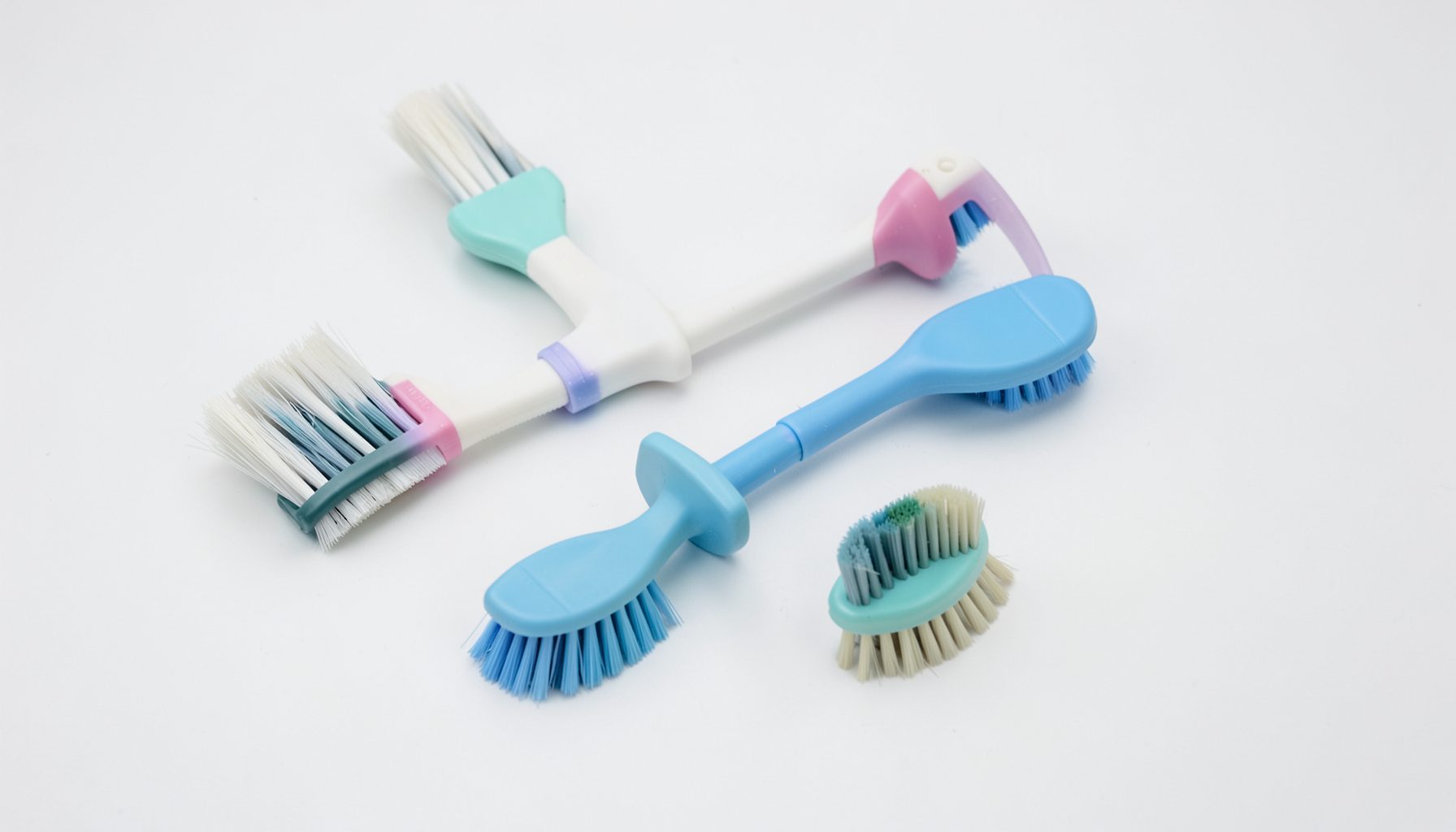
Cleaning brushes and saline sachets also have a role in safe use. A brush that has become frayed or dirty should not be used to scrub the bottle, while expired or damp saline packets should be discarded. Always mix the solution according to the packet directions and use water prepared in line with local health guidance.
If you cannot tell whether the issue is limited to an accessory or involves the bottle itself, replacing the complete kit can be the simplest option. This avoids combining parts that do not fit securely and gives you a clean starting point.
When Replacement Is Especially Sensible
Replace the rinse bottle after visible damage, a contamination concern or a major change in performance. It is also sensible to replace it after someone else has used it, particularly during a household illness. Nasal irrigation equipment should generally be treated as personal rather than shared.
A bottle may also be due for retirement if it has been exposed to extreme heat, frozen, dropped or stored for a long period with solution inside. Do not leave mixed saline sitting in the bottle between uses. Fresh solution should be prepared when needed, and unused liquid should be discarded as directed.
If your symptoms include severe facial pain, fever, swelling around the eyes, repeated nosebleeds or symptoms that do not settle, seek medical advice. Nasal rinsing can support symptom relief, but it does not replace assessment for a persistent or serious condition. Stop if irrigation causes significant pain, ear pressure or worsening symptoms.
For people dealing with Sydney dust, Canberra’s dry winter air or seasonal grass pollen in Victoria, regular use may mean the bottle receives heavier wear. Frequent users should inspect it more often, even if it still appears clean and functional.
A Simple Care Routine For Longer Use
Good habits can extend the useful life of a rinse bottle without making it last beyond a safe point. Before each use, check that the bottle, cap and nozzle are intact. Prepare the saline correctly, use safe water, and avoid touching the nozzle to surfaces or the inside of the nose.
After use, follow this short routine:
- Empty and rinse the bottle promptly
- Wash each removable part as directed
- Let components air-dry separately
- Store the dry system in a clean, ventilated place
Keep the bottle away from direct sun, heaters and hot car interiors. Australian summer temperatures can rise quickly inside a parked vehicle, potentially affecting the shape and flexibility of plastic. If the bottle has been left in a hot car, inspect it carefully before use.
A morning rinse may fit neatly into a daily routine, particularly during allergy season or after overnight congestion. The nasal irrigation routine guide offers practical context for making the process consistent without rushing it.
Buying A Replacement With Confidence
When choosing a new system, match the bottle to how it will be used. Adults may prefer a standard squeeze bottle, while children may need a smaller design and closer supervision. A complete kit can be useful when the original bottle, cap and accessories are all showing wear.
Check the product instructions for recommended saline packets, cleaning methods and replacement components. A bottle should be comfortable to hold, simple to fill and easy to dry. The cap should close firmly, and the nozzle should sit securely without wobbling or leaking.
Purchase through a reputable retailer and check that the product is sealed and undamaged when it arrives. Australian shoppers may find nasal irrigation products through major online marketplaces such as Amazon and Walmart, as well as through the brand’s own shopping channels. Keep the receipt or order details in case a component arrives faulty.
Most importantly, do not wait for a complete failure. Replacing a bottle at the first clear sign of cracking, persistent odour, leakage or poor flow helps keep nasal irrigation clean, controlled and comfortable. Inspect your current system today and order a suitable replacement before the next bout of congestion or allergy symptoms.