ResQRinse is the nasal irrigation squeeze bottle that eliminates head-tilting and awkward neck positions. Using proprietary Nasal Lock™ technology, it delivers a comfortable, gag-free sinus cleanse — no more saline dripping down your throat.

Relief From Fall Sneezes
Now sold on Walmart.com. Free shipping on orders $30+. Try ResQRinse today with your everyday purchases.
Shop at WalmartWhy ResQRinse?
Nasal rinsing helps relieve congestion from colds, allergies, sinusitis, hay fever, and environmental pollutants. ResQRinse makes it comfortable enough to become a daily habit.
Nasal Lock™ Technology
Isolates sinuses from the throat using natural choanal occlusion — like inflating a balloon — so saline stays where it belongs.
Learn more →
Drug-Free Relief
Uses premixed saline packets with distilled water. No medications, no preservatives — just a natural cleanse for your nasal passages.
How to rinse →
For Kids Too
ResQRinse for Kids features a comfort nasal tip right-sized for smaller nostril openings, making rinsing gentle and easy for children.
Shop kids' version →
Breath-Controlled Flow
You control the saline flow with your own breath pressure — high volume, low pressure irrigation that's comfortable and effective.
Watch how-to videos →
Better Compliance
Designed to overcome the gagging and discomfort that cause people to abandon traditional neti pots and nasal rinse systems.
Our story →
Complete Kits Available
From the basic ResQRinse Nasal Rinse System ($19.99) to 90-day complete kits, saline packets, cleaning brushes, and Sinoptim Nasal Mist.
Browse all products →Get Started with ResQRinse
Ready to experience a better nasal rinse? Fill out the form below and we'll help you find the right product — or follow the simple steps to begin rinsing today.
Request More Information
How to Use ResQRinse
Fill the Bottle
Fill the ResQRinse squeeze bottle with distilled or previously boiled water and add one premixed saline packet.
Position the Tip
Place the comfort tip gently against one nostril. No head-tilting or awkward neck angles needed.
Squeeze & Breathe
Squeeze the bottle gently while breathing through your mouth. Nasal Lock™ keeps saline in your nasal passages and out of your throat.
Repeat & Clean
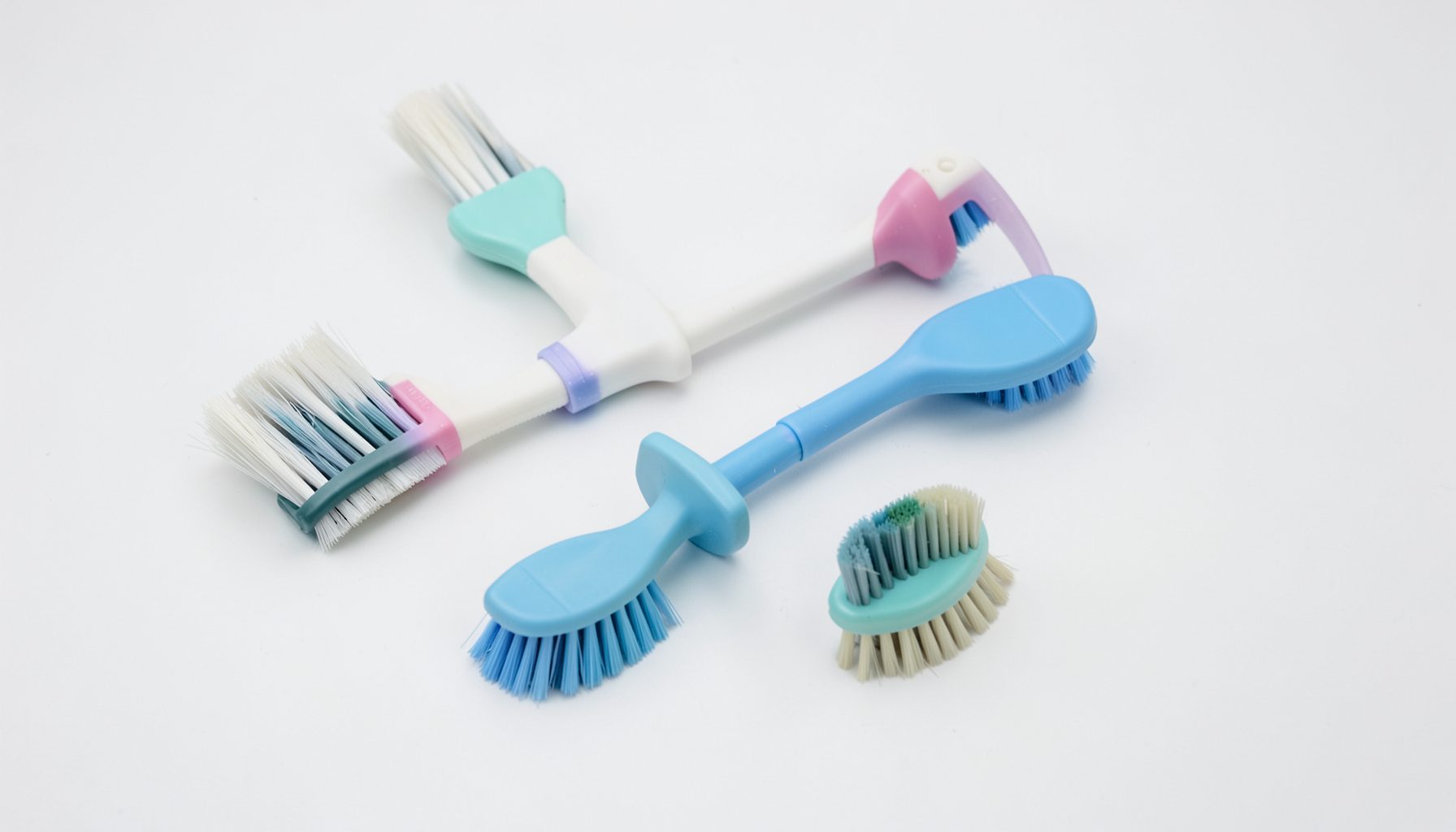
Switch nostrils and repeat. After use, rinse the bottle and let it air dry. Use ResQRinse Premium Cleaning Brushes for thorough cleaning.
How to keep your nasal rinse bottle from slipping when your hands are wet
Anyone who regularly uses a nasal rinse knows the small panic of watching the bottle slide mid-squeeze. Wet hands, smooth plastic, and a thin film of soap or saline combine into a surprisingly slick surface, and a sudden slip can send water across the bathroom mirror or, worse, into your eye. Beyond the mess, a dropped bottle forces you to interrupt your session, rinse the device, and start the routine again from scratch.
In Australian bathrooms, where the climate swings from humid summers in Brisbane to dry, dusty summers in Perth, wet hands are simply part of the deal. Many people rinse after a swim at Bondi or Coogee, after working in the garden on a hot Adelaide weekend, or during spring when pollen counts spike across Melbourne and Canberra. Bushfire season adds another layer, with smoke drifting across Sydney suburbs and the Blue Mountains for weeks at a time. A reliable grip matters more here than you might expect, because skipping a session because of a slippery bottle means missing the relief you actually came for.
The good news is that a few smart choices, both about the bottle itself and about how you hold it, can turn a wobbly routine into a steady one. Below are practical ways to keep your nasal rinse bottle from slipping when your hands are wet, whether you are using a squeeze bottle, a children's version, a neti pot, or one of the complete systems sold through Australian pharmacies and online retailers.
Why slippery bottles cause real problems
A nasal rinse is meant to be calm and methodical. Water enters one nostril, loops through the sinuses, and exits the other side while you breathe steadily through your mouth. The moment the bottle moves unexpectedly, your head jerks, your angle shifts, and the rinse becomes uncomfortable or simply stops. For many users, that single slip is enough to put them off the routine for weeks.
There is also a hygiene side to consider. A bottle that tumbles off the sink can land on a toothbrush, a towel, or the floor, picking up bacteria before it returns to your face. If multiple family members use the same device, the risk multiplies. The ResQRinse team has covered this question directly in their guide on can you share a nasal rinse bottle with family, which explains why dedicated bottles or thorough sterilisation between users is the safer path.
Finally, a wobbly grip affects how completely you rinse. If you squeeze too cautiously because you fear losing the bottle, the saline pressure drops and the rinse becomes weak. If you squeeze too hard to compensate, the flow turns uncomfortable. A stable grip is what allows the right pressure in the first place.
Choose a bottle that is designed to stay put
The easiest fix is to start with a bottle that has grip built in. Many generic squeeze bottles have a perfectly smooth surface, which looks clean but behaves like a bar of soap under wet fingers. Bottles designed specifically for nasal rinsing often add texture, ridges, or a contoured shape to address this common complaint.
Shape and balance matter as much as texture. A tall, narrow bottle is harder to control than a shorter, wider one, especially when your hand is wet. A flat base keeps the bottle upright when you set it down between sides of the rinse, which removes the awkward moment of catching a tipping bottle mid-flow.
Look for the following features when shopping for a new system:
- A textured or ribbed body that catches the pads of your fingers rather than letting them glide
- A wide, flat base so the bottle stands upright on the counter between uses
- A soft silicone tip that stays put against the nostril even if your hand twitches
- A valve or one-way flow system that reduces the urge to squeeze harder than necessary
ResQRinse bottles, for example, use a Nasal Lock design that holds the saline at a steady pressure, so you do not have to grip tightly to keep the flow going. That single feature removes a lot of the squeezing force that usually causes hands to cramp and slip during longer sessions.
Prep your hands before you begin
Even the grippiest bottle can fail if your hands are coated in soap, oil, or leftover moisturiser. A quick prep step before each rinse makes a noticeable difference, particularly in Australian homes where hard water can leave a thin chalky film on the skin.
Timing matters too. Most people wash their face or brush their teeth just before rinsing, which leaves a soapy residue on the fingertips that is invisible until the bottle lands in your hand. A 30-second pause to rinse and lightly towel the hands changes the whole feel of the session.
Try this short routine before every rinse:
- Rinse your hands thoroughly so no soap residue remains in the creases of your fingers
- Pat your palms and fingertips dry with a clean towel, leaving them slightly damp rather than dripping
- Wipe the bottle body once with the same towel to remove any water beads that formed while it sat by the sink
- Stand over a basin or low counter so a slip means a soft landing rather than a hard tile
Some people find that rubbing a small piece of tissue paper between the palms helps too, as it absorbs the slickness without drying the skin out completely.
Set up your bathroom for a steady routine
Where you stand and what you reach for matters as much as how you grip. Many Australian bathrooms, particularly in older Sydney terraces or compact Melbourne apartments, have narrow vanities where the basin sits close to the mirror and the tap dangles directly above. That layout forces you to lean forward and twist, which is the worst position for keeping control of a wet bottle.
A small rearrangement helps. Place a folded towel on the counter beside the basin to give the bottle a soft, dry spot to rest between sides. Keep a second small towel within reach for your hands. If your tap swings across the basin, rinse your face first, then move it aside so it is not dripping onto your grip mid-session.
For households where someone is rinsing after a surf at Manly or a swim at Cottesloe, it pays to have a designated rinse station near the laundry or back entry. Salt water and chlorine both make hands even slipperier than usual, and a stable setup away from the main bathroom cuts the mess dramatically. The same approach also helps anyone managing dust mite allergies, since bedroom dust mites thrive in warm, humid Australian coastal homes and post-rinse rinsing often happens at the bedroom sink.
Refine the way you hold and squeeze
Once your hands and bathroom are ready, the technique itself can be tuned. Most people instinctively wrap their whole hand around the bottle, which uses a lot of muscle and makes the wrist tired within seconds. A lighter grip is usually safer and more effective.
Place your thumb on the side of the bottle and your index and middle fingers on the opposite side, creating a three-point pinch rather than a full fist. This gives you fine control over the squeeze while letting the base of your palm support the weight. Keep your elbow tucked into your side rather than flared out, which stabilises the whole arm and reduces the chance of a sudden wobble.
Squeeze slowly and steadily. The saline should flow in a thin, continuous ribbon, not a burst. If you feel the bottle bulging in your hand, you are squeezing too hard and the seal at the nostril will feel sharp rather than comfortable. Pause, breathe through your mouth, and let the pressure settle before the next squeeze. Many users find that the controlled rhythm of a slow rinse is actually more effective than a fast, forceful one, and it is certainly easier on slippery hands.
Care for your bottle so the grip lasts
Even a well-shaped bottle loses its grip over time if it is not cared for. Hard water, soap residue, and mineral buildup can leave a film that turns a textured surface into a slick one. A simple cleaning ritual keeps the bottle performing as it should.
Rinse the bottle thoroughly after every use, then wash it once a week with warm water and a small amount of mild dish soap. Use a dedicated cleaning brush, like the one bundled with complete ResQRinse kits, to scrub the inside of the bottle and the threads around the cap. Pay particular attention to the outside surface where your fingers land, since body oils transfer there faster than anywhere else.
Air dry the bottle upside down on a clean towel rather than capping it wet, because trapped moisture encourages mould and biofilm. Replace the bottle if the texture wears smooth, the silicone tip yellows, or the valve no longer seats. With regular care, a quality squeeze bottle will keep its grip and its hygiene for well over a year, even with daily use.
Ready for a rinse routine that stays steady from start to finish? Browse the full range of squeeze bottles, kids' systems, saline packets, and replacement brushes at resqrinse.com, or pick up a complete kit online through Walmart and Amazon for fast delivery across Australia.