ResQRinse is the nasal irrigation squeeze bottle that eliminates head-tilting and awkward neck positions. Using proprietary Nasal Lock™ technology, it delivers a comfortable, gag-free sinus cleanse — no more saline dripping down your throat.

Relief From Fall Sneezes
Now sold on Walmart.com. Free shipping on orders $30+. Try ResQRinse today with your everyday purchases.
Shop at WalmartWhy ResQRinse?
Nasal rinsing helps relieve congestion from colds, allergies, sinusitis, hay fever, and environmental pollutants. ResQRinse makes it comfortable enough to become a daily habit.
Nasal Lock™ Technology
Isolates sinuses from the throat using natural choanal occlusion — like inflating a balloon — so saline stays where it belongs.
Learn more →
Drug-Free Relief
Uses premixed saline packets with distilled water. No medications, no preservatives — just a natural cleanse for your nasal passages.
How to rinse →
For Kids Too
ResQRinse for Kids features a comfort nasal tip right-sized for smaller nostril openings, making rinsing gentle and easy for children.
Shop kids' version →
Breath-Controlled Flow
You control the saline flow with your own breath pressure — high volume, low pressure irrigation that's comfortable and effective.
Watch how-to videos →
Better Compliance
Designed to overcome the gagging and discomfort that cause people to abandon traditional neti pots and nasal rinse systems.
Our story →
Complete Kits Available
From the basic ResQRinse Nasal Rinse System ($19.99) to 90-day complete kits, saline packets, cleaning brushes, and Sinoptim Nasal Mist.
Browse all products →Get Started with ResQRinse
Ready to experience a better nasal rinse? Fill out the form below and we'll help you find the right product — or follow the simple steps to begin rinsing today.
Request More Information
How to Use ResQRinse
Fill the Bottle
Fill the ResQRinse squeeze bottle with distilled or previously boiled water and add one premixed saline packet.
Position the Tip
Place the comfort tip gently against one nostril. No head-tilting or awkward neck angles needed.
Squeeze & Breathe
Squeeze the bottle gently while breathing through your mouth. Nasal Lock™ keeps saline in your nasal passages and out of your throat.
Repeat & Clean
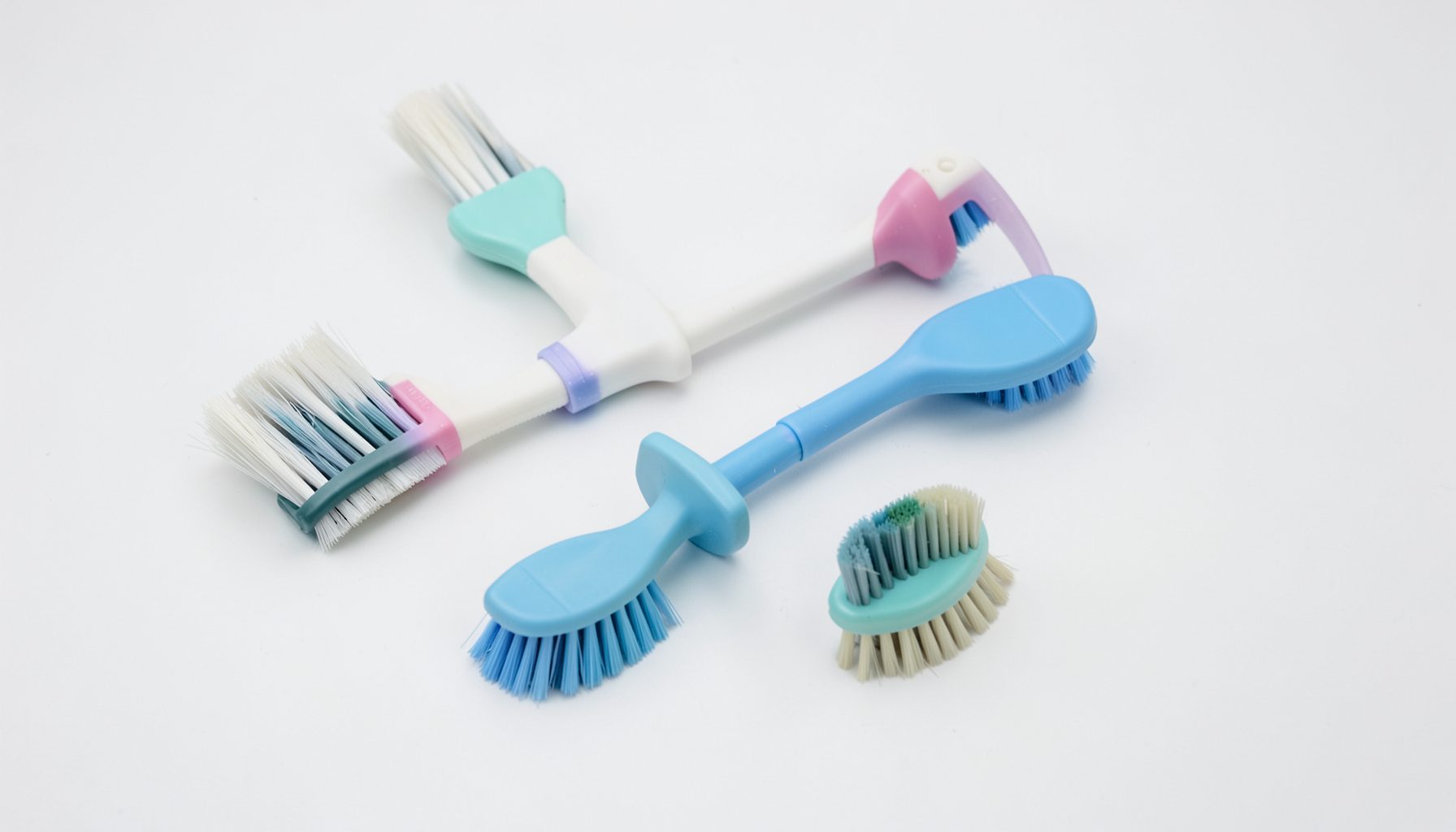
Switch nostrils and repeat. After use, rinse the bottle and let it air dry. Use ResQRinse Premium Cleaning Brushes for thorough cleaning.
How to Keep Your Nasal Rinse Bottle Clean Inside the Tube
A nasal rinse bottle can look clean on the outside while mucus, saline residue, or mineral deposits collect inside its narrow tube. Over time, this “gunk” may appear as cloudy film, small flakes, or a musty smell. It can also make the bottle harder to squeeze and leave you wondering whether the system is still hygienic to use.
The best way to prevent build-up is to treat cleaning as part of every rinse, rather than waiting until residue becomes visible. Empty the bottle promptly, flush the tube thoroughly, wash the separate parts, and allow everything to dry fully before reassembling it.
Australian households also need to pay attention to water safety. Whether you live in Sydney, Melbourne, Brisbane, Perth, or a regional area, use water that is appropriate for nasal irrigation and follow the product instructions carefully. A clean bottle cannot make unsafe water suitable for nasal use.
Why Residue Builds Inside the Tube
The tube carries saline solution from the bottle to the nasal outlet, so it can retain small amounts of liquid after each use. If that moisture sits in a warm, enclosed space, traces of mucus and salt can stick to the inner surface. Repeated use without flushing allows the layer to become thicker and more difficult to remove.
Hard-water minerals may also contribute to deposits. Tap water quality varies between Australian locations, and even treated town water can leave mineral marks as it evaporates. Boiled and cooled, sterile, or distilled water may be recommended for nasal rinsing, but the bottle still needs to be cleaned after use.
A tube that feels tacky, develops an odour, or shows floating particles should not be ignored. These signs can indicate trapped residue or microbial growth. Stop using the system until it has been properly cleaned, dried, and checked for damage.
Rinse the System Straight After Use
Begin by emptying any leftover saline as soon as the rinse is finished. Do not leave solution sitting in the bottle while you have breakfast, head to work, or get the children ready for school. The longer liquid remains in the tube, the more opportunity salt and mucus have to settle.
Add clean water suitable for washing the equipment, close the bottle, and gently squeeze it so the water travels through the entire tube and outlet. Repeat this flushing action until the water runs clear. A quick rinse around the bottle opening is not enough because the narrow internal channel is where residue commonly remains.
If the bottle has a removable tube, valve, or nozzle, separate those pieces before washing. A child-sized system may have different components from an adult model, so check the guidance in adult and child designs before disassembling unfamiliar parts.
Use Safe Water and Accurate Saline
The water used in a nasal rinse is different from the water used to wash a bottle. For irrigation, follow Australian health guidance and the manufacturer’s directions about sterile, distilled, or boiled-and-cooled water. Never assume that ordinary tap water is automatically suitable for nasal use simply because it is safe to drink.
For cleaning, use the method specified by the bottle manufacturer. Very hot water may warp some plastics, while harsh disinfectants can leave residues or damage seals. If you use boiled water, let it cool to a safe temperature before it touches the bottle or tube.
Correct saline mixing matters as well. A solution that is too concentrated can leave extra salt crystals inside the tube, while an inaccurate mixture may feel unpleasant in the nose. Pre-measured packets can simplify busy mornings, and these saline packets save time by reducing guesswork when preparing a rinse.
Clean the Tube Without Damaging It
A purpose-made cleaning brush can help remove residue from a removable tube. Choose a brush that fits comfortably and never force it through a narrow passage. Pushing too hard may scratch the plastic, stretch the tube, or dislodge a small valve. Scratches can create additional places for residue to collect.
Run the brush through with warm water and a mild cleaning solution only if the product instructions allow it. Rinse repeatedly afterwards so no detergent remains. Do not use a kitchen skewer, paper clip, cotton bud, or other improvised object, as these can shed fibres or damage the internal surface.
Some ResQRinse systems include cleaning accessories intended for the bottle and tube. Nasal Lock technology is designed to help create a secure connection during use, but a secure connection does not remove the need for regular cleaning. Handle the lock, cap, and tube gently to preserve the seal.
Dry Every Component Completely
Drying is as important as washing. Shake excess water from the bottle, tube, cap, and nozzle, then place the pieces on a clean, dry rack with openings facing down or outward. Keep them separated so air can move through the tube rather than leaving moisture trapped at either end.
Avoid storing the system in a closed bathroom cabinet immediately after rinsing. Steam from showers can keep surfaces damp, and a sealed cupboard slows evaporation. A bright, well-ventilated area away from dust is usually more suitable until the parts are completely dry.
Australian conditions can vary widely. A humid Brisbane bathroom may need much longer drying time than a dry Adelaide room, while winter heating in Melbourne can create warm indoor air but leave condensation in enclosed spaces. Do not use a hairdryer unless the manufacturer specifically permits it, since heat can deform plastic and weaken seals.
Inspect the Bottle Before Each Use
Before preparing a new rinse, check the bottle, tube, nozzle, cap, and any valve for cloudiness, cracks, swelling, or persistent odour. Look through the tube against a bright background. If you can see flakes or a film that does not clear with normal cleaning, set the component aside.
A damaged tube may leak, collapse, or fail to deliver the intended flow. A worn seal can also allow air into the system, making the bottle sputter and leaving more solution behind. Replacement parts are preferable to trying to repair a split tube with tape or household adhesive.
Follow the replacement schedule provided with your particular product. Frequent users, families sharing a cleaning area, and people who rinse during allergy season may need to monitor wear more closely. Each person should have their own nasal rinse bottle or clearly labelled system rather than sharing one.
Build a Routine That Fits Australian Life
A simple routine prevents most tube build-up. Keep the cleaning brush near the rinse bottle, store saline packets with the system, and give the parts enough space to dry. In a family home in Canberra or the Gold Coast, a labelled drying tray can stop components being mixed up or packed away while still damp.
During hay fever season, bushfire smoke events, or periods of heavy dust, some people may use nasal irrigation more often. Increased use means increased cleaning frequency; it does not justify reusing old saline or leaving the bottle assembled between rinses.
Use this practical care checklist:
- Empty and flush the bottle and tube immediately after every rinse.
- Wash removable parts according to the product instructions.
- Use a suitable brush gently, without forcing it through the tube.
- Air-dry every component completely before reassembly.
- Replace parts that remain cloudy, cracked, smelly, or difficult to clean.
If a child uses the system, supervise preparation and cleaning. Keep saline packets and small components away from young children, and explain that the bottle is personal equipment rather than a toy. For persistent nasal symptoms, repeated nosebleeds, severe facial pain, fever, or worsening congestion, seek advice from a pharmacist or medical professional in Australia.
Make bottle care part of the rinse itself: flush it, wash it, dry it, and inspect it before the next use. A few extra minutes can keep the tube clear, preserve comfortable performance, and help your nasal irrigation system remain ready when congestion or allergies strike. Browse the ResQRinse range through the available online retail options and choose the bottle, saline, or cleaning accessories that suit your household routine.