ResQRinse is the nasal irrigation squeeze bottle that eliminates head-tilting and awkward neck positions. Using proprietary Nasal Lock™ technology, it delivers a comfortable, gag-free sinus cleanse — no more saline dripping down your throat.

Relief From Fall Sneezes
Now sold on Walmart.com. Free shipping on orders $30+. Try ResQRinse today with your everyday purchases.
Shop at WalmartWhy ResQRinse?
Nasal rinsing helps relieve congestion from colds, allergies, sinusitis, hay fever, and environmental pollutants. ResQRinse makes it comfortable enough to become a daily habit.
Nasal Lock™ Technology
Isolates sinuses from the throat using natural choanal occlusion — like inflating a balloon — so saline stays where it belongs.
Learn more →
Drug-Free Relief
Uses premixed saline packets with distilled water. No medications, no preservatives — just a natural cleanse for your nasal passages.
How to rinse →
For Kids Too
ResQRinse for Kids features a comfort nasal tip right-sized for smaller nostril openings, making rinsing gentle and easy for children.
Shop kids' version →
Breath-Controlled Flow
You control the saline flow with your own breath pressure — high volume, low pressure irrigation that's comfortable and effective.
Watch how-to videos →
Better Compliance
Designed to overcome the gagging and discomfort that cause people to abandon traditional neti pots and nasal rinse systems.
Our story →
Complete Kits Available
From the basic ResQRinse Nasal Rinse System ($19.99) to 90-day complete kits, saline packets, cleaning brushes, and Sinoptim Nasal Mist.
Browse all products →Get Started with ResQRinse
Ready to experience a better nasal rinse? Fill out the form below and we'll help you find the right product — or follow the simple steps to begin rinsing today.
Request More Information
How to Use ResQRinse
Fill the Bottle
Fill the ResQRinse squeeze bottle with distilled or previously boiled water and add one premixed saline packet.
Position the Tip
Place the comfort tip gently against one nostril. No head-tilting or awkward neck angles needed.
Squeeze & Breathe
Squeeze the bottle gently while breathing through your mouth. Nasal Lock™ keeps saline in your nasal passages and out of your throat.
Repeat & Clean
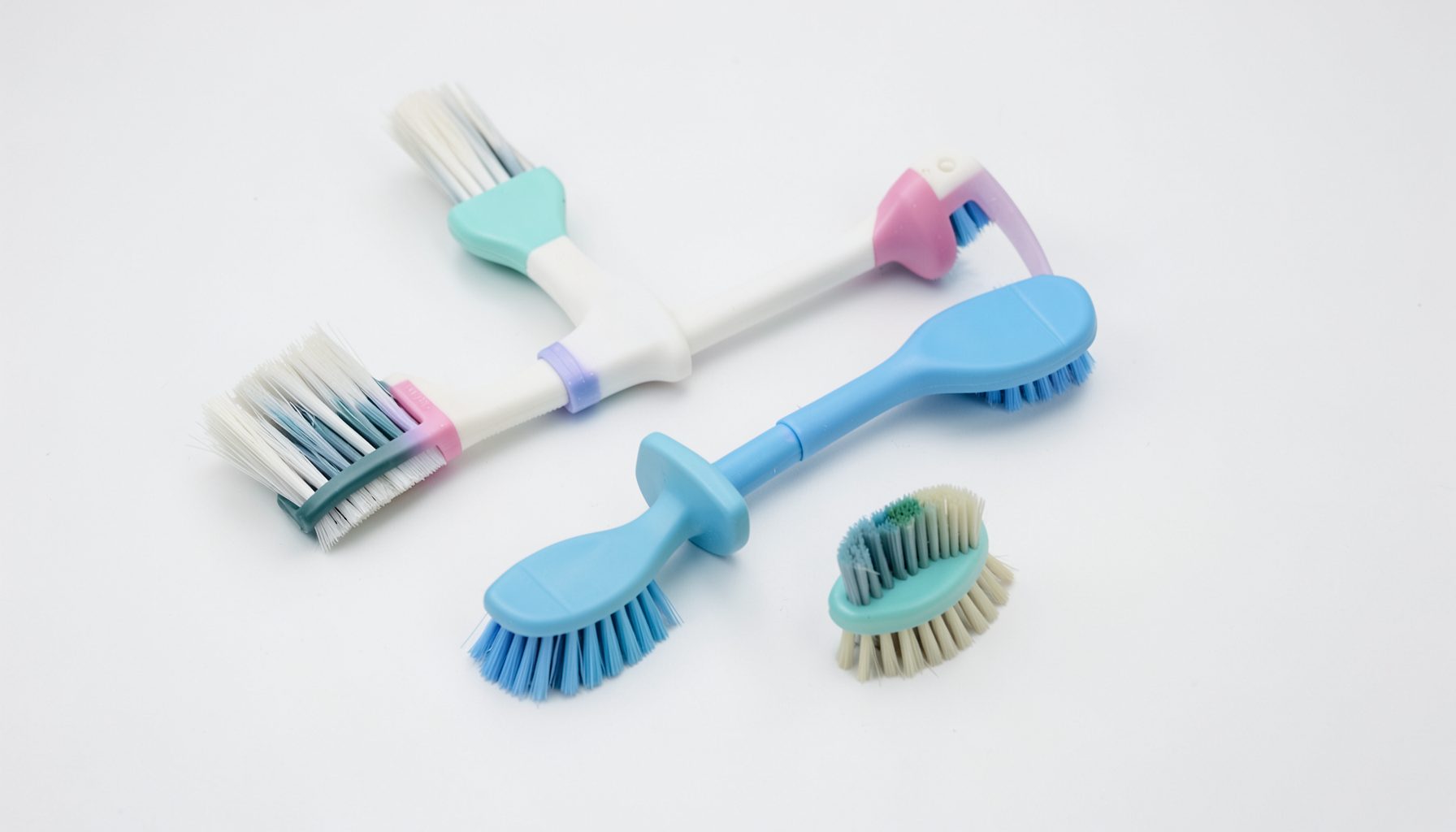
Switch nostrils and repeat. After use, rinse the bottle and let it air dry. Use ResQRinse Premium Cleaning Brushes for thorough cleaning.
How to Clean the Sealing Ring on Your Squeeze Bottle Cap to Avoid Leaks
A squeeze-bottle nasal rinse system depends on a small sealing ring to keep saline inside the bottle and direct the flow through the nozzle. When that ring collects dried salt, dust, skin oils or cleaning residue, the cap may loosen, drip around the threads or leak during use. Regular care helps maintain a comfortable seal and keeps the rinse system hygienic.
Cleaning the sealing ring on your squeeze bottle cap takes only a few minutes. The process is especially useful in Australian homes, where warm weather, bathroom humidity, hard-water residue and frequent use during allergy season can affect small silicone or rubber components. A clean, correctly fitted ring also supports the reliable performance of ResQRinse Nasal Lock technology.
Why The Sealing Ring Matters
The sealing ring sits between the bottle and cap, creating a flexible barrier as the cap is tightened. It compensates for tiny gaps between the joining surfaces and helps prevent saline from escaping around the bottle neck. If the ring is twisted, flattened or coated with residue, tightening the cap may not solve the problem.
Salt crystals are a common cause of leaks. As rinse solution dries, the water evaporates and leaves concentrated saline behind. Repeated buildup can make the ring feel stiff or uneven, while small particles may prevent it from sitting flush in its groove.
A damaged seal can also allow air to enter the bottle, making the rinse feel less consistent. A bottle that leaks onto your hands, basin or clothing is inconvenient, and it may encourage you to grip the cap too firmly. Excessive force can eventually damage the threads or distort the ring.
Prepare A Clean Work Area
Wash your hands before handling the cap, sealing ring and nozzle. Use a clean basin or a freshly washed towel so the small ring does not fall onto a contaminated surface. A soft, lint-free cloth, mild dishwashing liquid and clean water are usually sufficient for routine cleaning.
Disassemble the bottle according to the product instructions. Remove the cap from the bottle and take out the sealing ring only if it is designed to be removable. Do not use a knife, pin or sharp tool to prise it out, because a small cut or nick can become a leak point.
If the ring is difficult to remove, use the edge of a clean fingernail or a blunt, smooth implement. Work gently around the groove rather than pulling hard from one point. Keep the ring and cap together while cleaning so they are not mixed up with parts from another nasal rinse bottle.
Wash Away Salt And Residue
Rinse the cap and ring under clean, warm running water. Avoid very hot water, boiling water or a dishwasher unless the manufacturer specifically says those methods are suitable. High heat may warp plastic or change the shape of a silicone seal.
Place a small amount of mild, fragrance-free dishwashing liquid on your fingers or a soft cloth. Gently rub the ring all the way around, including its inner edge and the surfaces that sit in the cap groove. Clean the groove in the cap as well, since residue trapped there can lift the ring slightly when the cap is reassembled.
For stubborn salt deposits, soak the parts in warm water for several minutes before wiping them. Never scrub with steel wool, abrasive powder or a rough scourer. These materials can scratch the cap or roughen the ring, creating tiny areas where residue and microorganisms may collect.
Rinse And Dry Every Component
Rinse away all soap until the water runs clear and the parts feel free of slipperiness. Soap left on the ring can affect the seal and may cause an unpleasant taste or irritation when the system is used. Pay close attention to the cap opening, grooves and nozzle connection.
Shake off excess water and place the parts on a clean, dry towel in a well-ventilated area. Allow the ring to dry fully before putting it back into the cap. Storing a damp ring inside a closed bottle creates a moist environment that is less suitable for hygienic storage.
Australian bathrooms can stay humid, particularly in Brisbane, Darwin and coastal parts of New South Wales and Queensland. In those conditions, drying time matters. A sunny windowsill may help, but avoid prolonged direct heat that could deform plastic or rubber. Keep the pieces away from dusty shelves, pets and splashes from the toilet or sink.
Refit The Ring Without Twisting It
Before refitting, inspect the ring for cracks, cuts, flattening, brittleness or sections that look stretched. The ring should have a continuous shape and should sit evenly in its channel. If it has become hard, permanently distorted or loose, replace it with the correct part rather than trying to restore it.
Press the ring gently into the groove with clean fingers. Check that it is not folded, crossed over itself or riding above the edge of the channel. An uneven ring can cause a leak even when the cap appears tightly closed.
When the cap is back on the bottle, tighten it firmly by hand without forcing it. The correct fit should feel secure rather than excessively tight. If the cap has threads, start turning it in the correct direction and stop if it begins to cross-thread. A crooked cap can pinch the ring and create an uneven seal.
Check For Leaks Before Nasal Use
After cleaning and reassembly, fill the bottle with a small amount of clean water for a seal check. Close the cap and hold the bottle upright over a sink. Turn it gently from side to side, then apply light pressure. Look for drops around the cap, threads and nozzle connection.
If water escapes, remove the cap and check for a grain of salt, a hair, lint or a twisted section of the ring. Clean and refit the parts again. Avoid increasing pressure on the bottle until the seal has been checked, because a loose or damaged ring will continue to leak.
The rinse solution itself should be prepared safely. Follow the product directions and use distilled, sterile or appropriately boiled and cooled water where required. ResQRinse explains the reasoning behind this step in its guide to safe rinse water. Australian tap water is treated, but treatment standards and household plumbing conditions do not remove the need to follow nasal irrigation guidance.
Know When To Replace The Seal
Cleaning cannot repair a ring that is split, sticky, permanently flattened or no longer fits its groove. Replace it if the cap leaks after careful cleaning and correct assembly. A replacement part should match the bottle model and be made from the intended material.
Do not substitute a random rubber washer, elastic band or household gasket. An unsuitable material may react with saline, shed particles or change the pressure and fit of the bottle. Contact the product supplier if you are unsure which replacement component is appropriate.
The same practical approach applies to the bottle, cap and nozzle. Discard any part with cracks, deep scratches or a persistent odour after washing. Families in Melbourne, Sydney and Perth may use rinse systems frequently during grass pollen, dust or cold-weather periods, so checking components before seasonal use can prevent an unpleasant surprise.
For general nasal-care information and product instructions, the ResQRinse blog provides additional guidance. If you take prescription medicines or have a medical condition, use reliable health sources and ask a pharmacist or doctor about treatment questions; a nasal rinse should not replace professional advice. Be cautious with websites offering medication information without clear Australian medical credentials, including this unrelated medication information site.
Quick Checks For A Reliable Seal
Use these simple checks each time the bottle has been washed or stored for several days:
- Confirm the ring is clean, dry and fully seated in its groove.
- Check the cap threads for salt crystals, lint or cross-threading.
- Tighten by hand until secure, without forcing the cap.
- Test with a small amount of water before preparing a full rinse.
Keep these storage habits in mind after use:
- Empty leftover solution and rinse the bottle promptly.
- Store the cap and ring loosely separated while they finish drying.
- Keep all parts in a clean, ventilated place away from direct heat.
- Replace worn seals and damaged components before the next rinse.
A few minutes of careful maintenance can prevent leaks, preserve the fit of the cap and make nasal irrigation more comfortable. Clean the ring after each use, inspect it regularly and follow the bottle’s instructions for safe water and storage. Shop the appropriate ResQRinse system and replacement supplies through the brand’s authorised retail channels, including Amazon and Walmart, and keep your rinse routine dependable.