ResQRinse is the nasal irrigation squeeze bottle that eliminates head-tilting and awkward neck positions. Using proprietary Nasal Lock™ technology, it delivers a comfortable, gag-free sinus cleanse — no more saline dripping down your throat.

Relief From Fall Sneezes
Now sold on Walmart.com. Free shipping on orders $30+. Try ResQRinse today with your everyday purchases.
Shop at WalmartWhy ResQRinse?
Nasal rinsing helps relieve congestion from colds, allergies, sinusitis, hay fever, and environmental pollutants. ResQRinse makes it comfortable enough to become a daily habit.
Nasal Lock™ Technology
Isolates sinuses from the throat using natural choanal occlusion — like inflating a balloon — so saline stays where it belongs.
Learn more →
Drug-Free Relief
Uses premixed saline packets with distilled water. No medications, no preservatives — just a natural cleanse for your nasal passages.
How to rinse →
For Kids Too
ResQRinse for Kids features a comfort nasal tip right-sized for smaller nostril openings, making rinsing gentle and easy for children.
Shop kids' version →
Breath-Controlled Flow
You control the saline flow with your own breath pressure — high volume, low pressure irrigation that's comfortable and effective.
Watch how-to videos →
Better Compliance
Designed to overcome the gagging and discomfort that cause people to abandon traditional neti pots and nasal rinse systems.
Our story →
Complete Kits Available
From the basic ResQRinse Nasal Rinse System ($19.99) to 90-day complete kits, saline packets, cleaning brushes, and Sinoptim Nasal Mist.
Browse all products →Get Started with ResQRinse
Ready to experience a better nasal rinse? Fill out the form below and we'll help you find the right product — or follow the simple steps to begin rinsing today.
Request More Information
How to Use ResQRinse
Fill the Bottle
Fill the ResQRinse squeeze bottle with distilled or previously boiled water and add one premixed saline packet.
Position the Tip
Place the comfort tip gently against one nostril. No head-tilting or awkward neck angles needed.
Squeeze & Breathe
Squeeze the bottle gently while breathing through your mouth. Nasal Lock™ keeps saline in your nasal passages and out of your throat.
Repeat & Clean
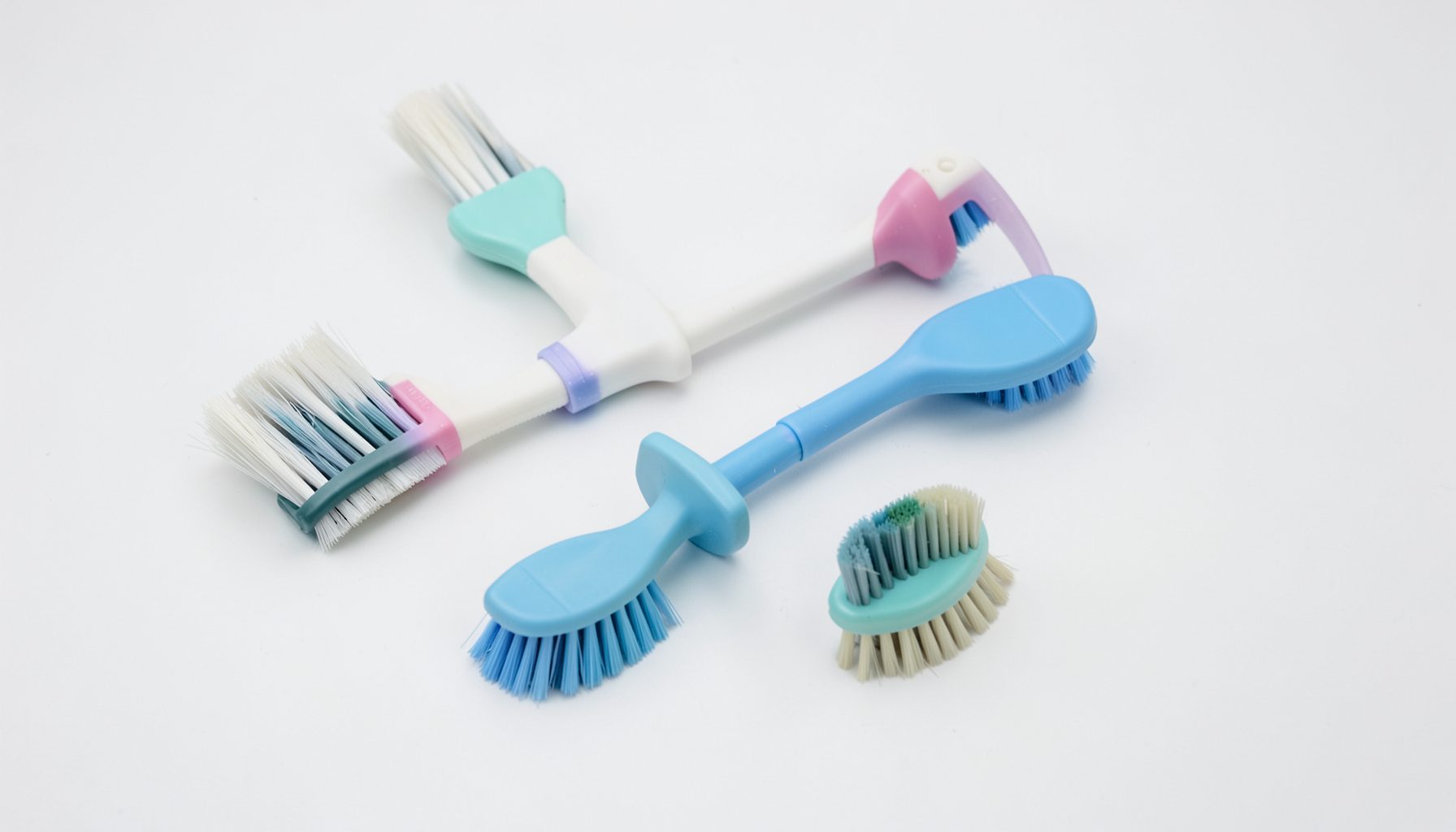
Switch nostrils and repeat. After use, rinse the bottle and let it air dry. Use ResQRinse Premium Cleaning Brushes for thorough cleaning.
Calming the Burn During Your First Nasal Rinses
Starting a nasal rinse routine for the first time can feel strange, and the first surprise is a sharp stinging that lingers after the water has drained. Newcomers often describe it as a mild burning or prickling across the nasal passages, sometimes accompanied by a sneeze and an urge to blow their nose straight away. The sensation is rarely a sign of damage and almost always fades once a few small habits are corrected.
What surprises first-time users most is how different a rinse feels from sniffing salty sea air at the beach. A controlled rinse sends a stream of liquid through cavities that have spent a lifetime filtering dust and pollen, and the soft tissue inside reacts. In a country where coastal living in Sydney, Perth, or the Gold Coast comes with regular sea spray exposure, your nose is accustomed to salt, but the volume and direction of a rinse is something else.
The trick to making nasal irrigation feel routine is understanding what your nose is reacting to, then adjusting one variable at a time. Whether you are managing spring hay fever in Melbourne, winter dryness in Adelaide, or sinus pressure on a flight from Brisbane to Darwin, the principles below translate across climates.
Why Your Nose Burns the First Time You Rinse
A burning feeling during an early rinse usually has one of three causes: the solution is too concentrated, too cold, or too forceful. Saline heavier on salt than your body can tolerate draws water out of the mucosal lining, leaving it dry and prickly. Water at tap-cold temperature shocks the tissue and triggers a nerve response that reads as pain. A bottle squeezed too hard pushes liquid against inflamed passages faster than they can take.
The Therapeutic Goods Administration regulates saline solutions as medical devices, with concentrations matching human tear fluid. Newcomers often reach for table salt out of habit, but iodised table salt contains additives that further irritate tissue. A pure saline packet removes that variable, bringing the mix closer to isotonic.
Acclimatisation also plays a role. New irrigators often have mildly inflamed passages from chronic congestion, allergies, or the dry indoor air of air-conditioned offices from the Sydney CBD to Parramatta. Inflamed tissue is far more sensitive than healthy tissue, so the first rinse stings on already-tender tissue.
Get the Salinity Just Right
Isotonic saline, around nine grams of salt per litre, mirrors the salt concentration of your body's own fluids and generally feels neutral. Hypertonic solutions are sometimes recommended for severe congestion but sting more, particularly for first-timers. If you are self-managing hay fever or a recent cold, start isotonic and step up after a week or two.
Pre-measured saline packets are widely available at Australian pharmacies including Chemist Warehouse and Priceline. A single packet in the recommended water volume produces a reliable concentration, removing a key trigger of burning. If mixing your own, use non-iodised salt and weigh it where possible, since a kitchen teaspoon varies.
A small pinch of baking soda is a trick borrowed from old-school neti pot recipes that genuinely helps. Bicarbonate buffers the solution so it feels less acidic, and Australian allergy forum users credit it with the difference between sting and soothing flush. Half a teaspoon per litre is plenty.
Water Quality and Temperature in Australia
The single biggest mistake new rinsers make in Australia is reaching straight for the bathroom tap. Mains water in cities such as Melbourne, Brisbane, and Hobart is safe to drink but carries chlorine, chloramine, and minerals that can irritate raw nasal tissue. Tank water, bore water, and untreated rainwater, common in rural and coastal Queensland, can carry organisms that should never enter the sinuses.
The Department of Health and Aged Care recommends distilled water, water boiled for one minute then cooled, or water filtered through a pore size of one micron or smaller. Each option removes the trace irritants that contribute to first-rinse burn while eliminating microbial risk. Warming the water to between 35 and 40 degrees Celsius prevents the cold-shock response that often reads as burning.
On long drives between Perth and regional Western Australia, a thermos of pre-warmed distilled water makes a noticeable difference. Cold water from a service station tap is one of the most common reasons people abandon nasal rinsing after a single attempt.
Adjust Your Angle and Pressure
Technique matters more than most brochures suggest. Tilting too far forward dumps water down the throat, unpleasant but rarely burning. Tilting too far back sends the stream against the upper sinuses with enough force to create real stinging. The sweet spot is a gentle forward tilt with chin tucked, so the solution flows out the opposite nostril rather than pooling inside.
Too much force pushes more liquid through the passages than they need, and fast-moving water against sensitive tissue is a reliable source of burning. A slow half-squeeze lets the saline work without scraping the lining. Build up to a fuller squeeze as you adjust.
For those who find squeeze bottles too aggressive even at low pressure, the Nasal Lock technology used in ResQRinse systems controls flow like a gentle neti pour rather than a jet. A device with controlled delivery often resolves the burning problem, particularly for anyone whose first attempt with a competing bottle left them hesitant.
The Breathing Trick Most Beginners Miss
Mouth breathing during a rinse is essential, yet first-timers often hold their breath or breathe through the nose at the wrong moment. When liquid enters one nostril, the soft palate should lift so nothing reaches the throat or lungs. A long, open-mouth exhale keeps the soft palate in position and the airway protected.
If you have ever hummed while rinsing, you already know it locks the soft palate up and blocks the path to the ears. That closure is what you want during the entire flush. New rinsers often panic mid-rinse, switch to nose breathing, and that is when the burning kicks in, because the solution reaches tissue it was never meant to touch.
A simple pre-rinse routine helps. Take three slow breaths through the mouth, tilt into position, breathe out gently through the mouth the entire time, then return to upright breathing once empty. Followers of this rhythm report the burning fades within a week.
Cleaning Habits That Prevent Irritation
Residual solution, biofilm, and dried salts inside a rinse bottle can contribute to a burning sensation on subsequent uses, even when the fresh mix is perfect. Rinsing the bottle after each session and air-drying it upside down prevents residue build-up that can mix with the next batch. A cleaning brush, the kind bundled with most kits, reaches into corners where bacteria like to settle.
Hygiene across users matters too. Sharing equipment within a household is a convenience habit, but it transfers the microbes you are trying to clear out. The risks of sharing the same bottle between siblings, partners, or parents are real, even with a quick rinse under the tap. Each person should have their own bottle, tip, and drying space.
Replacing bottles every few months, or sooner if cloudy or scratched, keeps the container smooth enough to clean. Scratched plastic harbours biofilm that rinsing cannot shift, a slow-burn irritant that masquerades as saline sensitivity.
When the Burn Means Something Else
Most burning settles within the first week. If the sensation persists, intensifies, or comes with bleeding, fever, or facial pain, see a general practitioner. Persistent burning can signal a fungal sinus infection, a deviated septum, or inflammation that needs targeted treatment before irrigation feels comfortable.
Pharmacists in Australia can discuss over-the-counter options that calm pre-rinse inflammation, particularly during severe pollen events in Canberra and Melbourne where ryegrass counts spike each October. A short course of intranasal corticosteroid spray, used under pharmacist guidance, can settle the tissue enough that the saline rinse becomes soothing rather than stinging.
After early adjustments, most people find nasal rinsing becomes a daily comfort. Start with lukewarm distilled water, an isotonic saline packet, a gentle squeeze, and mouth breathing, then give your nose a week.
Pick up a ResQRinse starter kit through Walmart or Amazon, pair it with the saline sachets, and run your first rinse tonight rather than waiting for the next allergy spike. Your nose will thank you long before the bottle is empty.