ResQRinse is the nasal irrigation squeeze bottle that eliminates head-tilting and awkward neck positions. Using proprietary Nasal Lock™ technology, it delivers a comfortable, gag-free sinus cleanse — no more saline dripping down your throat.

Relief From Fall Sneezes
Now sold on Walmart.com. Free shipping on orders $30+. Try ResQRinse today with your everyday purchases.
Shop at WalmartWhy ResQRinse?
Nasal rinsing helps relieve congestion from colds, allergies, sinusitis, hay fever, and environmental pollutants. ResQRinse makes it comfortable enough to become a daily habit.
Nasal Lock™ Technology
Isolates sinuses from the throat using natural choanal occlusion — like inflating a balloon — so saline stays where it belongs.
Learn more →
Drug-Free Relief
Uses premixed saline packets with distilled water. No medications, no preservatives — just a natural cleanse for your nasal passages.
How to rinse →
For Kids Too
ResQRinse for Kids features a comfort nasal tip right-sized for smaller nostril openings, making rinsing gentle and easy for children.
Shop kids' version →
Breath-Controlled Flow
You control the saline flow with your own breath pressure — high volume, low pressure irrigation that's comfortable and effective.
Watch how-to videos →
Better Compliance
Designed to overcome the gagging and discomfort that cause people to abandon traditional neti pots and nasal rinse systems.
Our story →
Complete Kits Available
From the basic ResQRinse Nasal Rinse System ($19.99) to 90-day complete kits, saline packets, cleaning brushes, and Sinoptim Nasal Mist.
Browse all products →Get Started with ResQRinse
Ready to experience a better nasal rinse? Fill out the form below and we'll help you find the right product — or follow the simple steps to begin rinsing today.
Request More Information
How to Use ResQRinse
Fill the Bottle
Fill the ResQRinse squeeze bottle with distilled or previously boiled water and add one premixed saline packet.
Position the Tip
Place the comfort tip gently against one nostril. No head-tilting or awkward neck angles needed.
Squeeze & Breathe
Squeeze the bottle gently while breathing through your mouth. Nasal Lock™ keeps saline in your nasal passages and out of your throat.
Repeat & Clean
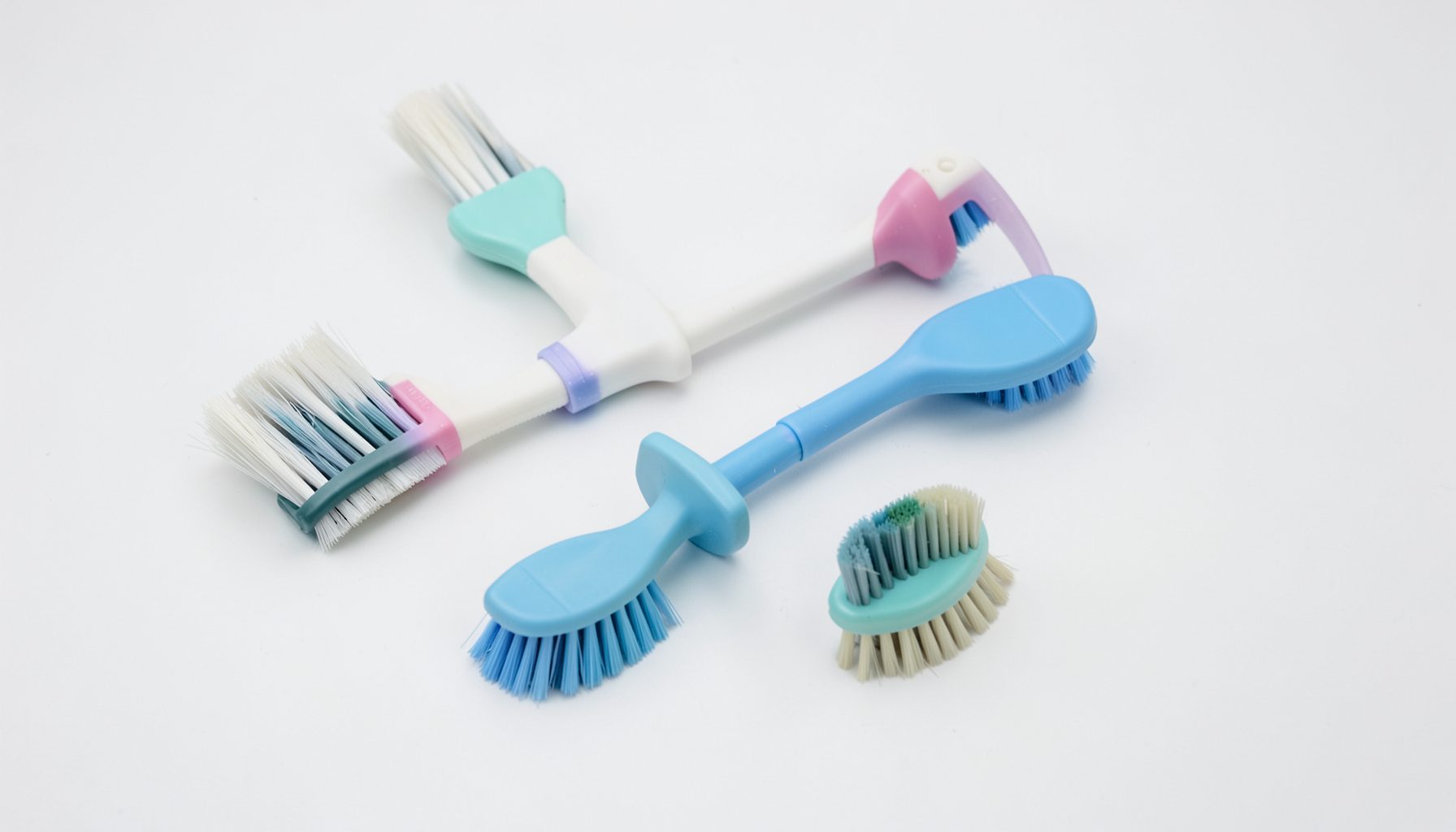
Switch nostrils and repeat. After use, rinse the bottle and let it air dry. Use ResQRinse Premium Cleaning Brushes for thorough cleaning.
Can saline rinsing support smell recovery after a viral infection
A reduced or absent sense of smell after a viral infection can be unsettling. Food may seem bland, familiar aromas may disappear, and warning smells such as smoke or spoiled food can become harder to detect. This symptom is called olfactory dysfunction, and it can occur after respiratory viruses, including COVID-19.
Saline rinsing may help when congestion, thick mucus, inflammation or post-nasal drainage is blocking odour molecules from reaching the smell receptors high inside the nose. It does not directly repair irritated olfactory nerves, so its benefits depend on why smell has changed and how long the problem has lasted.
For Australians, nasal irrigation can be a practical part of home care during winter viruses, spring pollen in Melbourne or Sydney, and periods of bushfire smoke. Used correctly, it may make the nose feel clearer and support other recovery measures, while persistent or severe smell loss deserves medical assessment.
How viral illness affects the sense of smell
A viral infection can affect smell in several ways. Swollen nasal tissue and mucus create a physical barrier between inhaled odours and the olfactory area. In some cases, the infection and the body’s immune response may also disturb the sensory cells or the nerves that carry smell signals to the brain.
This explains why a person can breathe reasonably well yet still have reduced smell. Taste may appear diminished too, although much of what people describe as taste is actually flavour detected through the nose. Distorted smells, known as parosmia, can also occur during recovery, making coffee, meat or toothpaste smell unpleasant or burnt.
Saline irrigation is most likely to help when the problem has a nasal or “conductive” component. Washing away mucus and allergens can improve airflow and reduce the conditions that interfere with odour detection. When the main issue is nerve-related post-viral dysfunction, rinsing may provide comfort without producing an immediate return of smell.
What nasal irrigation may contribute
A saline rinse uses salt water to flush mucus, particles and irritants from the nasal passages. Isotonic solutions are designed to be closer to the body’s natural salt concentration and are generally comfortable for regular use. Hypertonic solutions contain more salt and may draw fluid from swollen tissue, although some people find them stinging or drying.
The evidence for smell recovery after viral illness is still developing. Research on nasal irrigation has found clearer benefits for congestion, rhinosinusitis symptoms and nasal hygiene than for direct restoration of olfactory function. A rinse should therefore be viewed as supportive care rather than a proven treatment for post-viral anosmia.
It may be especially useful when loss of smell occurs alongside a blocked nose, thick secretions or allergic inflammation. Australians who exercise outdoors in Brisbane, Perth or Adelaide may also notice nasal irritation from pollen, dust or dry air. Guidance on how nasal rinsing can relate to exercise-triggered nasal symptoms is available in this practical explanation.
Using a saline rinse safely at home
Water safety is essential. Never use ordinary tap water straight from the bottle or neti pot for nasal irrigation, even though Australian drinking water is treated and regulated for consumption. Use sterile or distilled water, or water that has been boiled and allowed to cool according to health advice. Follow the directions supplied with the rinse system and saline packets rather than improvising the salt concentration.
Wash your hands before preparing the solution. Keep the bottle, nozzle and cap clean, allow parts to dry fully, and replace components when they become worn or difficult to clean. A squeeze-bottle system can provide controlled flow, while features such as a nasal seal may help reduce leakage and make the process more comfortable for some users.
Lean over a sink, breathe through your mouth and use gentle pressure. Do not force fluid through a completely blocked passage or continue if there is sharp pain, ear pressure, nosebleed or significant dizziness. Avoid sharing the device, and do not use leftover solution from a previous session.
Quick preparation and aftercare checks
- Choose sterile, distilled or correctly boiled-and-cooled water.
- Mix only the recommended amount of saline powder.
- Rinse and dry the device after every use.
- Stop if pain, bleeding or ear pressure develops.
Signs that medical advice is needed
- Smell loss continues for several weeks or worsens.
- Severe facial pain, fever or foul-smelling discharge appears.
- Symptoms follow a head injury or occur with neurological changes.
- Distorted smells interfere with eating, work or daily safety.
Building a sensible recovery routine
A saline rinse may fit into a broader routine, particularly while recovering from a cold, influenza or COVID-19. Many people prefer rinsing after exposure to dust or pollen, after outdoor activity, or before bed when congestion is disturbing sleep. It is not necessary to rinse repeatedly throughout the day; excessive use can irritate or dry the nasal lining.
Smell training is another approach commonly discussed for persistent post-viral olfactory dysfunction. Under professional guidance, a person may smell a small group of familiar scents, such as rose, lemon, eucalyptus or clove, for a set period twice daily. The aim is to stimulate recognition consistently, not to inhale essential oils deeply or place scented substances inside the nose.
Keep expectations realistic. A clear nose may make aromas easier to detect, but the sensory system may recover gradually over weeks or months. Changes can be uneven, and parosmia may appear as nerves recover. Avoid smoking and vaping, which can irritate nasal tissue, and take care with strong chemical products when smell is unreliable.
Choosing products and understanding local considerations
Australian consumers can find saline sprays, sachets and irrigation devices through pharmacies, supermarkets and online marketplaces. A complete rinse kit may be convenient for a household, while a child-sized system requires close adult supervision and careful attention to age guidance. Online listings from retailers such as Amazon should be checked for instructions, replacement parts, delivery conditions and whether the product is intended for the Australian market.
Therapeutic goods and health-related claims in Australia are subject to rules administered by the Therapeutic Goods Administration, while ordinary purchases are also covered by Australian Consumer Law. These frameworks do not mean every nasal device will suit every medical condition, and they do not turn a rinse into a cure for viral nerve injury. Follow the product directions, keep purchase records and seek advice from a pharmacist or doctor if symptoms are complicated.
Practical circumstances matter as well. Air conditioning can dry nasal passages during hot summers in Perth or Darwin, while pollen, dust and smoke can aggravate symptoms in Canberra and regional areas. During a bushfire-smoke event, a rinse may remove some deposited particles after exposure, but it cannot replace official smoke warnings, indoor-air measures or appropriate respiratory protection.
The brand’s demonstration videos can help users understand bottle positioning, flow and cleaning before the first use. A visual demonstration is useful, but it should supplement—not replace—the written instructions and safe-water requirements.
When reduced smell warrants professional care
Seek medical advice if smell has not begun to improve after the acute infection settles, particularly if the loss lasts several weeks. A general practitioner can review the illness history, medications, nasal symptoms and possible causes such as chronic sinusitis, polyps, allergies or head injury. They may refer the patient to an ear, nose and throat specialist for a more detailed assessment.
Prompt care is important for severe headache, swelling around the eyes, high fever, one-sided foul discharge, repeated nosebleeds or neurological symptoms. Sudden smell loss may also be associated with COVID-19, so testing and isolation decisions should follow current Australian public health guidance and the advice of a healthcare professional.
Reduced smell creates everyday safety risks. Check smoke alarms, use food date labels, ask another person to assess gas or spoiled food, and avoid relying on smell alone when cooking. A saline rinse can support nasal comfort, but it should not delay an assessment when symptoms are persistent, severe or unusual.
Used with safe water, gentle technique and realistic expectations, saline irrigation can be a helpful way to clear congestion and support nasal recovery after a viral infection. It is best treated as one part of care alongside rest, symptom monitoring and professional guidance when smell does not return. Choose a suitable system, follow the cleaning directions and begin with a cautious routine.