ResQRinse is the nasal irrigation squeeze bottle that eliminates head-tilting and awkward neck positions. Using proprietary Nasal Lock™ technology, it delivers a comfortable, gag-free sinus cleanse — no more saline dripping down your throat.

Relief From Fall Sneezes
Now sold on Walmart.com. Free shipping on orders $30+. Try ResQRinse today with your everyday purchases.
Shop at WalmartWhy ResQRinse?
Nasal rinsing helps relieve congestion from colds, allergies, sinusitis, hay fever, and environmental pollutants. ResQRinse makes it comfortable enough to become a daily habit.
Nasal Lock™ Technology
Isolates sinuses from the throat using natural choanal occlusion — like inflating a balloon — so saline stays where it belongs.
Learn more →
Drug-Free Relief
Uses premixed saline packets with distilled water. No medications, no preservatives — just a natural cleanse for your nasal passages.
How to rinse →
For Kids Too
ResQRinse for Kids features a comfort nasal tip right-sized for smaller nostril openings, making rinsing gentle and easy for children.
Shop kids' version →
Breath-Controlled Flow
You control the saline flow with your own breath pressure — high volume, low pressure irrigation that's comfortable and effective.
Watch how-to videos →
Better Compliance
Designed to overcome the gagging and discomfort that cause people to abandon traditional neti pots and nasal rinse systems.
Our story →
Complete Kits Available
From the basic ResQRinse Nasal Rinse System ($19.99) to 90-day complete kits, saline packets, cleaning brushes, and Sinoptim Nasal Mist.
Browse all products →Get Started with ResQRinse
Ready to experience a better nasal rinse? Fill out the form below and we'll help you find the right product — or follow the simple steps to begin rinsing today.
Request More Information
How to Use ResQRinse
Fill the Bottle
Fill the ResQRinse squeeze bottle with distilled or previously boiled water and add one premixed saline packet.
Position the Tip
Place the comfort tip gently against one nostril. No head-tilting or awkward neck angles needed.
Squeeze & Breathe
Squeeze the bottle gently while breathing through your mouth. Nasal Lock™ keeps saline in your nasal passages and out of your throat.
Repeat & Clean
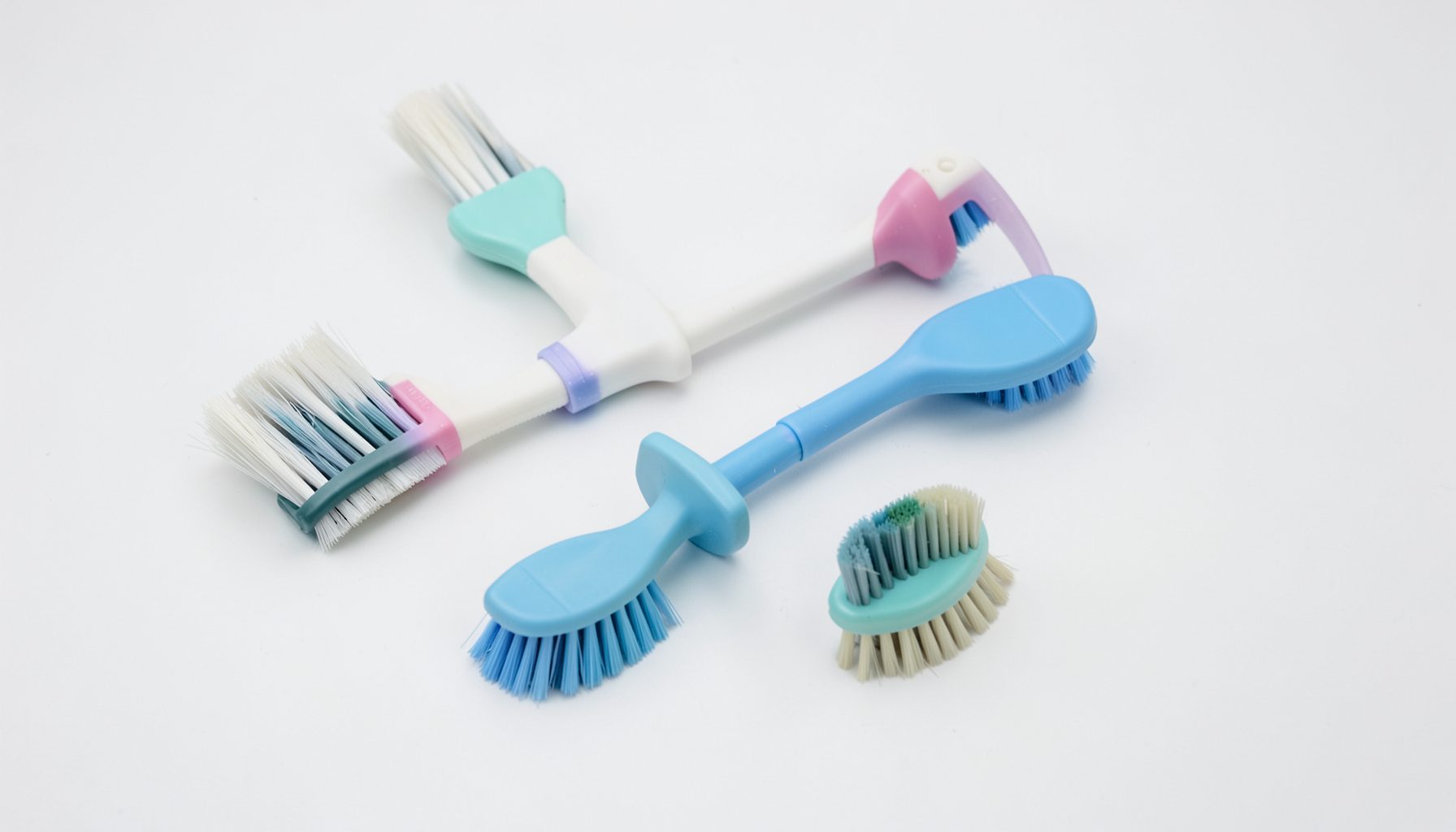
Switch nostrils and repeat. After use, rinse the bottle and let it air dry. Use ResQRinse Premium Cleaning Brushes for thorough cleaning.
Can Rinsing Help When Sinusitis Gets Worse Bending Over
Sinus pressure that intensifies when you lean forward, tie your shoes or pick something up can be an especially uncomfortable part of sinusitis. The change in position may increase pressure in swollen sinus passages and make trapped mucus feel heavier around the cheeks, forehead, nose or upper teeth.
Can rinsing help with sinusitis symptoms that worsen when you bend over? A saline nasal rinse may ease congestion by washing mucus, allergens and irritants from the nasal passages. It can support comfortable breathing, but it does not replace medical assessment when symptoms are severe, persistent or linked with an infection that needs treatment.
Why Bending Over Can Increase Sinus Pressure
The sinuses are air-filled spaces around the nose and eyes. When their lining becomes inflamed, the small drainage openings can narrow. Mucus may then move less freely, and bending forward can create a stronger sensation of fullness or throbbing in the face.
This positional pressure is common with viral congestion, allergic rhinitis and sinusitis. A blocked nose can also make ordinary movements feel worse because swollen tissue leaves less room for airflow and drainage. Some people notice discomfort in the forehead or between the eyes, while others feel pressure in the cheeks or upper jaw.
Australian conditions can add several triggers. Spring pollen around Melbourne, Canberra and regional New South Wales may aggravate hay fever, while dust, mould and air-conditioning can irritate the nose during hot weather. Smoke from bushfires or hazard-reduction burns can also worsen nasal inflammation, even after the immediate smell has faded.
Bending over does not necessarily mean that a bacterial infection is present. The symptom should be considered alongside the duration of the illness, fever, coloured discharge, facial tenderness and whether you are improving or getting worse.
How Saline Irrigation May Ease Symptoms
A saline rinse uses salt water to flush mucus and particles from the nasal passages. It can loosen thick secretions, reduce the amount of pollen or dust sitting on the nasal lining and moisturise tissue that feels dry or irritated. This may make it easier to breathe and may reduce the pressure that becomes obvious when leaning forward.
The benefit is usually supportive rather than curative. Irrigation cannot remove every cause of sinus inflammation, and it will not treat complications around the eyes or brain. It may be useful during a cold, allergy flare or uncomplicated sinus episode when used gently and consistently according to the product directions.
A squeeze-bottle system can provide a controlled flow that moves through one nostril and out the other. ResQRinse products are designed around comfortable use and include a Nasal Lock feature intended to help create a secure seal during rinsing. A good seal can reduce leakage around the bottle and make the process less messy than using an improvised container.
Traditional neti pots can work for some people, but they require careful head positioning and a steady pour. A purpose-designed bottle may feel easier to control, especially for someone new to nasal irrigation or for families managing congestion during allergy season.
Safe Rinsing Practices For Australian Homes
Water safety matters. Use distilled, sterile or appropriately filtered water, or tap water that has been boiled and allowed to cool. Australian tap water is generally treated, but ordinary tap water should not automatically be assumed safe for nasal rinsing. Follow the instructions supplied with the saline packets and rinse system.
Wash your hands before preparing the solution. Mix the recommended amount of saline with the correct volume of safe water rather than making the mixture stronger in an attempt to clear congestion faster. Water that is too salty may sting and irritate the nasal lining; water that is too weak can also feel uncomfortable.
Lean over a sink and keep your mouth open so you can breathe through it. Gently press the bottle rather than forcing a high-pressure stream. If the rinse causes sharp pain, ear pressure, significant bleeding or worsening discomfort, stop and speak with a GP or pharmacist.
Clean and dry the bottle after each use as directed. A cleaning brush can help reach the inside of a squeeze bottle, where moisture may otherwise remain. Do not share a nasal irrigation device, even with a partner or child, because sharing can spread germs.
For people travelling between Australian cities, camping near the coast or heading inland during a dusty spell, a compact setup can make regular care easier. ResQRinse explains how to assemble a travel rinse kit without relying on an unfamiliar container at a hotel, caravan park or holiday house.
A Simple Routine For More Comfortable Use
Timing can affect how useful a rinse feels. Many people prefer using it before bed, before applying a doctor-recommended nasal spray or after returning from an outdoor setting with heavy pollen or dust. Rinsing immediately before lying down may leave fluid draining into the throat, so allow a little time afterwards.
If bending over triggers pressure, start with your head slightly forward but not sharply down. Keep the bottle opening comfortably sealed against the nostril and let the saline pass through without straining. When finished, gently blow your nose one side at a time rather than blowing hard through both nostrils.
A nasal mist may be more convenient when the nose feels dry or when a full rinse is impractical. It generally provides moisture rather than the same flushing action as a squeeze-bottle system. Complete kits may suit households that want the bottle, saline sachets and cleaning accessories together, while a children’s version can provide a more suitable size for supervised use.
Before rinsing
- Wash your hands and check that the bottle is clean
- Prepare fresh saline with safe, lukewarm water
- Read the packet instructions and check the seal
After rinsing
- Let excess fluid drain before bending or lying down
- Wash, rinse and air-dry the device as directed
- Replace the solution rather than storing leftover mixture
A mild brief sensation of fullness can occur while learning the technique, but the rinse should not feel forceful. Nasal irrigation is intended to be calming and practical, not a test of endurance.
When Pressure Needs Medical Attention
Arrange an appointment with a GP if sinus symptoms last more than about ten days without improvement, become worse after initially getting better, or keep returning. A pharmacist can discuss short-term options for congestion and allergies, while a GP can assess whether symptoms fit viral sinusitis, bacterial sinusitis, allergic rhinitis, nasal polyps or another condition.
Seek urgent medical care for swelling or redness around an eye, changes in vision, severe headache, a stiff neck, confusion, persistent vomiting or marked drowsiness. A high fever, severe one-sided facial pain or a weakened immune system also warrants prompt professional advice. In Australia, Healthdirect can provide general health guidance on 1800 022 222, while emergencies should be directed to 000.
Saline packets should dissolve fully in the recommended water. If granules remain, the water may be too cold, the packet may not have been mixed properly or the sachet may be damaged. Do not keep shaking indefinitely or use a concentrated mixture; these saline dissolving tips can help explain the safest next steps.
Anyone with frequent nosebleeds, recent nasal surgery, severe nasal blockage or a condition affecting immune function should check with a healthcare professional before starting regular irrigation. Children should be supervised, with the equipment and water preparation handled by an adult.
A saline rinse can be a sensible part of symptom care when forward bending makes congestion feel worse, especially during an allergy flare or dusty week. Choose a suitable ResQRinse system, prepare it with safe water, use gentle pressure and follow the cleaning instructions. For ongoing or severe symptoms, pair home care with advice from an Australian pharmacist or GP so the underlying cause receives appropriate attention.