ResQRinse is the nasal irrigation squeeze bottle that eliminates head-tilting and awkward neck positions. Using proprietary Nasal Lock™ technology, it delivers a comfortable, gag-free sinus cleanse — no more saline dripping down your throat.

Relief From Fall Sneezes
Now sold on Walmart.com. Free shipping on orders $30+. Try ResQRinse today with your everyday purchases.
Shop at WalmartWhy ResQRinse?
Nasal rinsing helps relieve congestion from colds, allergies, sinusitis, hay fever, and environmental pollutants. ResQRinse makes it comfortable enough to become a daily habit.
Nasal Lock™ Technology
Isolates sinuses from the throat using natural choanal occlusion — like inflating a balloon — so saline stays where it belongs.
Learn more →
Drug-Free Relief
Uses premixed saline packets with distilled water. No medications, no preservatives — just a natural cleanse for your nasal passages.
How to rinse →
For Kids Too
ResQRinse for Kids features a comfort nasal tip right-sized for smaller nostril openings, making rinsing gentle and easy for children.
Shop kids' version →
Breath-Controlled Flow
You control the saline flow with your own breath pressure — high volume, low pressure irrigation that's comfortable and effective.
Watch how-to videos →
Better Compliance
Designed to overcome the gagging and discomfort that cause people to abandon traditional neti pots and nasal rinse systems.
Our story →
Complete Kits Available
From the basic ResQRinse Nasal Rinse System ($19.99) to 90-day complete kits, saline packets, cleaning brushes, and Sinoptim Nasal Mist.
Browse all products →Get Started with ResQRinse
Ready to experience a better nasal rinse? Fill out the form below and we'll help you find the right product — or follow the simple steps to begin rinsing today.
Request More Information
How to Use ResQRinse
Fill the Bottle
Fill the ResQRinse squeeze bottle with distilled or previously boiled water and add one premixed saline packet.
Position the Tip
Place the comfort tip gently against one nostril. No head-tilting or awkward neck angles needed.
Squeeze & Breathe
Squeeze the bottle gently while breathing through your mouth. Nasal Lock™ keeps saline in your nasal passages and out of your throat.
Repeat & Clean
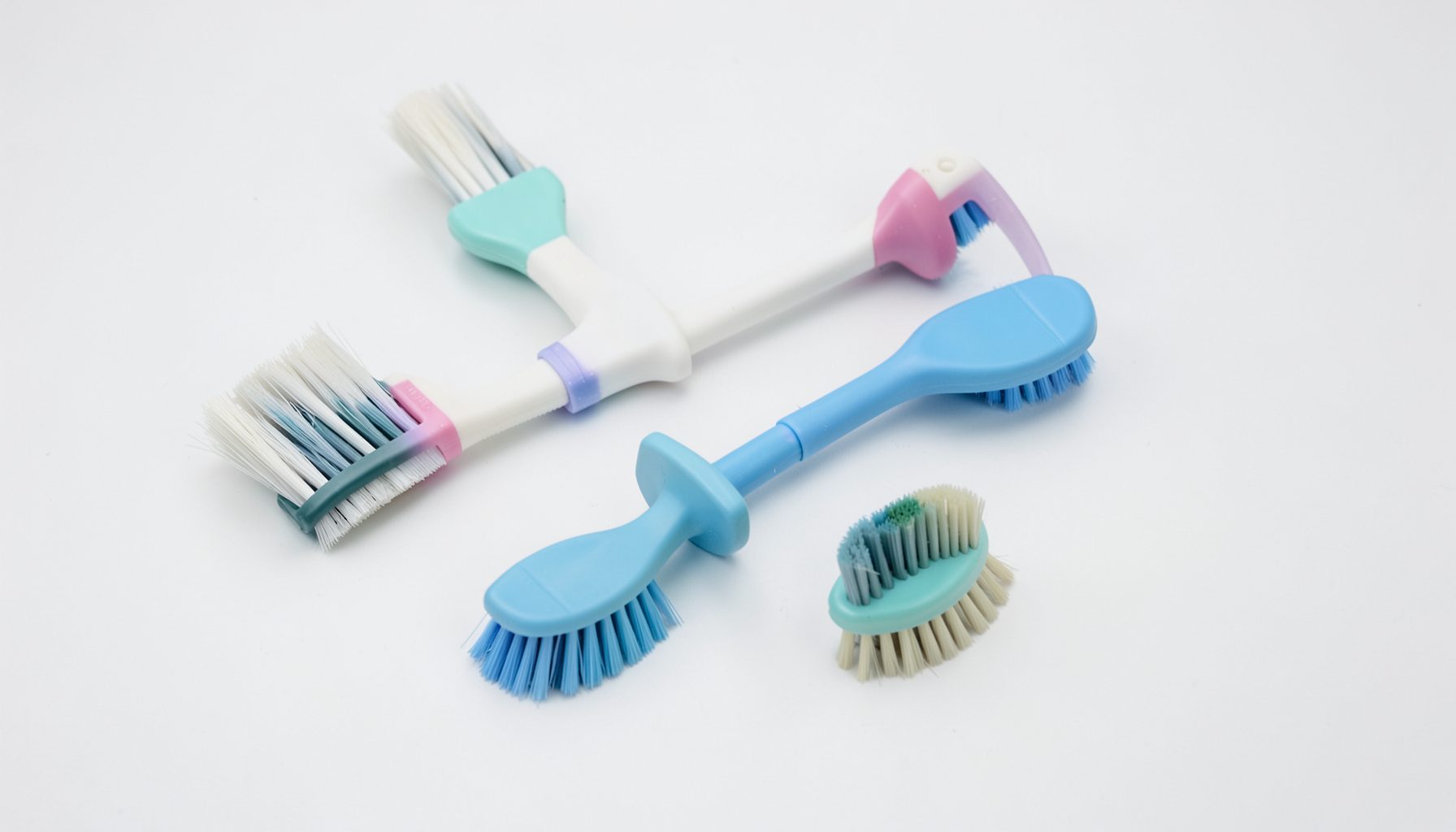
Switch nostrils and repeat. After use, rinse the bottle and let it air dry. Use ResQRinse Premium Cleaning Brushes for thorough cleaning.
Easing ear pressure and eustachian tube dysfunction with nasal rinsing
Plenty of Australians know the muffled, blocked feeling in their ears - the sensation that builds during a flight from Sydney to Perth, the heaviness after a morning surf at Bondi, or the pressure that takes hold through Melbourne's spring allergy season. The cause often traces back to a narrow passage at the back of the nose that connects to the middle ear, called the eustachian tube. When that passage cannot open or close correctly, the resulting imbalance is known as eustachian tube dysfunction, and it is one of the more common reasons people search for ways to relieve ear pressure.
The eustachian tube performs three core jobs: it equalises pressure between the middle ear and outside air, drains fluid, and helps protect the middle ear from pathogens entering through the nose and throat. Because the tube opens briefly with each swallow or yawn, anything that thickens or inflames the upper airway lining - hay fever, a lingering sinus infection, smoke exposure during bushfire season, or a heavy head cold - can interfere with how it works.
Most people first try swallowing hard, chewing gum during descent, or pinching the nose and gently breathing out. When those simple tricks fall short, attention often turns to the nose itself. A saline nasal rinse performed once or twice a day may help reduce the swelling and mucus interfering with tube function, supporting both sinus comfort and the ear pressure that travels with it.
The eustachian tube and why nasal rinsing matters
The eustachian tube is roughly three to four centimetres long in adults, lined with the same delicate tissue as the nasal passages. In its healthy state, the tube stays closed most of the time and briefly opens during swallowing, yawning, or chewing to allow air in and out of the middle ear. The popping sensation during descent is the tube doing its job.
When the nasal and sinus lining becomes inflamed, the tissue lining the tube can swell in parallel. The result is a tube that stays stubbornly shut, creating a vacuum-like feeling, or stays partly open, producing fullness, crackling, or echoing of one's own voice. Saline nasal rinses aim to wash away allergens, irritants, and excess mucus from the nasal cavity, which may in turn calm the tissue at the tube opening.
Unlike medications that dry the nose from the inside out, isotonic saline matches the body's natural salt balance. The rinse hydrates tissue while flushing inflammatory debris, supporting the mucociliary clearance system that keeps the upper airway, including the ear connections, working properly.
Australian triggers that worsen ear pressure
Australians tend to push their ears through more pressure changes than most people realise. Domestic flights between east and west coasts, such as Sydney to Perth or Melbourne to Brisbane, involve rapid altitude shifts that challenge the tube. Scuba divers along the Great Barrier Reef, ocean-pool swimmers in Coogee and Newcastle, and surfers from Manly to Margaret River face the opposite challenge, dealing with water and pressure changes each time they duck under a wave.
Allergies are another major contributor. Australia ranks among the world's high-allergy countries, with ryegrass pollen across Melbourne and Adelaide in late spring, subtropical grasses in Brisbane and on the Sunshine Coast much of the year, and wattle season stretching through the colder months in some regions. Plane tree pollen is a notorious trigger in inner suburbs of Sydney and Melbourne. When the nose is congested, the tube often follows suit.
Bushfire smoke has become a recurring seasonal irritant across New South Wales, Victoria, the ACT, and parts of South Australia. Even after the haze clears, fine particles linger on nasal tissue and slow the recovery of the lining. Air-conditioned offices common in Brisbane's CBD or Perth's commercial towers can also dry out the nose enough to interfere with how the tube opens.
Triggers worth recognising
- Domestic flights across long distances, especially descending into higher-altitude airports like Perth or Adelaide
- Swimming, scuba diving, and surf sessions, particularly in colder southern waters
- Spring and summer pollen, including wattle, plane tree, ryegrass, and subtropical grasses
- Bushfire smoke and prolonged exposure to dry, air-conditioned environments
How sinus and allergy congestion deepens eustachian tube symptoms
The sinuses and the eustachian tube sit in the same region. The sinus cavities drain through the back of the nose where the tube opens, so when sinusitis or allergic rhinitis causes the lining to swell, drainage slows and pressure builds in both the face and the ears.
Post-nasal drip signals inflammation affecting the upper airway broadly. The same inflammatory chemicals that drive the drip can thicken secretions near the tube opening, making it harder for the tube to open during a swallow or yawn. Frequent ear crackling during allergy season is a strong clue that the upper airway needs attention.
Treating the nose rather than the ear directly is often the more effective pathway. A nasal rinse using isotonic saline reaches the posterior nasal cavity where inflammation feeds the tube, and may relieve both sinus and ear symptoms at once.
Choosing and using a rinse system safely for ear comfort
Not every rinse device suits people with ear pressure concerns. Squeeze-bottle systems like Res-Q Rinse deliver a controlled, gentle flow rather than relying on gravity alone, making it easier to release the solution slowly. The brand's About Res-Q Rinse page outlines the science behind its Nasal Lock design.
Best practice starts with the right water and posture. Sterile, distilled, or previously boiled water that has cooled should always be used. Many Australians simply boil the kettle, let the water cool, and prepare a fresh rinse each morning. Mixing in a pharmaceutical-grade saline packet keeps the solution isotonic, which is more comfortable than homemade salt mixes.
Lean the head forward over a sink, breathe through the mouth, and gently squeeze one side at a time. Aim the stream toward the back of the head rather than up toward the forehead. Stop the squeeze the moment the ear feels full or uncomfortable - forcing more saline in rarely helps. A morning rinse clears overnight mucus, while an evening rinse washes out allergens gathered through a busy day.
Practical tips for safer, more comfortable rinsing
- Always use sterile, distilled, or freshly boiled water that has cooled to lukewarm
- Lean forward over the sink, breathe through the mouth, and rinse one nostril at a time
- Aim the nozzle toward the back of the head rather than upward toward the bridge of the nose
- Stop immediately if you feel fullness, pain, or pressure in the ears during a rinse
Breathing, workouts, and daily Australian routines
Many Australians discover the value of a clear nose while exercising. Runners around Sydney's Centennial Park, cyclists commuting along Melbourne's Capital City Trail, and surf lifesavers training at Bronte or North Bondi often find that a quick rinse before a session improves airflow and reduces laboured mouth-breathing.
The same benefits extend to recovery. After a heavy gym session or a long hike through the Blue Mountains, the nasal passages can feel dry and congested, partly because exercise shifts blood flow away from the upper airway. A gentle rinse afterward restores moisture and clears residue from inhaled dust and pollen. A closer look at workout recovery and breathing walks through routines athletes tend to find useful.
Throughout an ordinary day, rinsing after exposure to a known trigger - pollen-heavy gardens in Adelaide, dusty trails in the Flinders Ranges, smoky conditions across the eastern suburbs during bushfire season - keeps the upper airway calmer than waiting for symptoms to build.
For people whose blocked ears are tied to ongoing sinus or allergy issues, a consistent nasal rinse routine often makes the difference between a head full of pressure and a clear, comfortable day. Res-Q Rinse offers saline packets, squeeze-bottle kits, and children's versions designed for daily use, with products available through Australian pharmacy chains including Chemist Warehouse and Priceline as well as online at Walmart and Amazon. Pairing a gentle rinse with the usual swallowing and yawning tricks gives the eustachian tube the calm, clean environment it needs to do its job. If ear pressure keeps recurring alongside sinus trouble, allergies, or recent air travel, adding a few rinses a week is a sensible place to begin.