ResQRinse is the nasal irrigation squeeze bottle that eliminates head-tilting and awkward neck positions. Using proprietary Nasal Lock™ technology, it delivers a comfortable, gag-free sinus cleanse — no more saline dripping down your throat.

Relief From Fall Sneezes
Now sold on Walmart.com. Free shipping on orders $30+. Try ResQRinse today with your everyday purchases.
Shop at WalmartWhy ResQRinse?
Nasal rinsing helps relieve congestion from colds, allergies, sinusitis, hay fever, and environmental pollutants. ResQRinse makes it comfortable enough to become a daily habit.
Nasal Lock™ Technology
Isolates sinuses from the throat using natural choanal occlusion — like inflating a balloon — so saline stays where it belongs.
Learn more →
Drug-Free Relief
Uses premixed saline packets with distilled water. No medications, no preservatives — just a natural cleanse for your nasal passages.
How to rinse →
For Kids Too
ResQRinse for Kids features a comfort nasal tip right-sized for smaller nostril openings, making rinsing gentle and easy for children.
Shop kids' version →
Breath-Controlled Flow
You control the saline flow with your own breath pressure — high volume, low pressure irrigation that's comfortable and effective.
Watch how-to videos →
Better Compliance
Designed to overcome the gagging and discomfort that cause people to abandon traditional neti pots and nasal rinse systems.
Our story →
Complete Kits Available
From the basic ResQRinse Nasal Rinse System ($19.99) to 90-day complete kits, saline packets, cleaning brushes, and Sinoptim Nasal Mist.
Browse all products →Get Started with ResQRinse
Ready to experience a better nasal rinse? Fill out the form below and we'll help you find the right product — or follow the simple steps to begin rinsing today.
Request More Information
How to Use ResQRinse
Fill the Bottle
Fill the ResQRinse squeeze bottle with distilled or previously boiled water and add one premixed saline packet.
Position the Tip
Place the comfort tip gently against one nostril. No head-tilting or awkward neck angles needed.
Squeeze & Breathe
Squeeze the bottle gently while breathing through your mouth. Nasal Lock™ keeps saline in your nasal passages and out of your throat.
Repeat & Clean
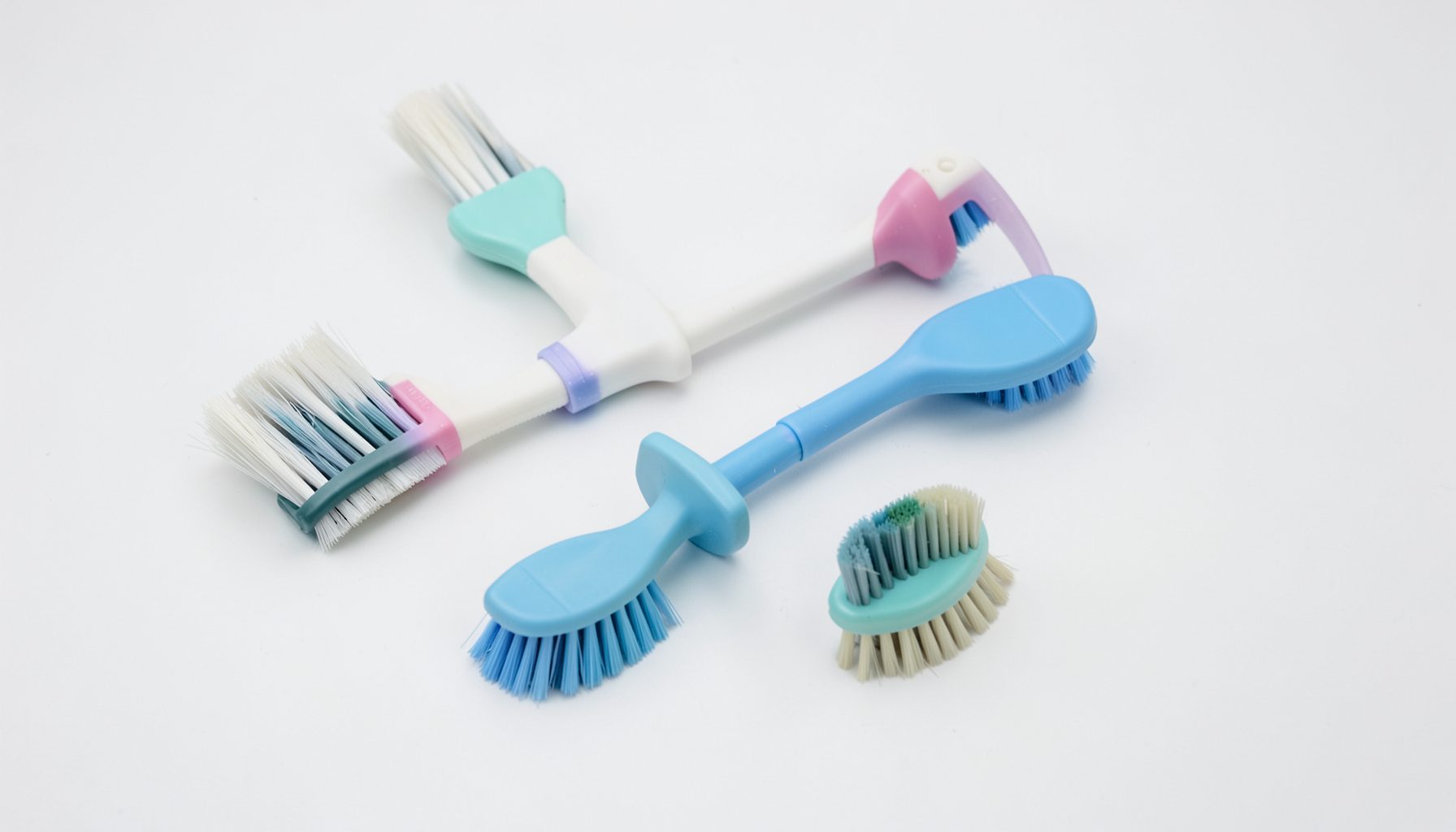
Switch nostrils and repeat. After use, rinse the bottle and let it air dry. Use ResQRinse Premium Cleaning Brushes for thorough cleaning.
Can Nasal Rinse Help with Allergic Rhinitis That Causes Itchy Eyes
Allergic rhinitis can make an Australian spring or summer feel much longer than it should. Grass pollen, flowering plants, dust mites, mould and airborne particles may trigger sneezing, a blocked or runny nose, post-nasal drip and the familiar urge to rub irritated, watery eyes. Symptoms can be particularly troublesome during Melbourne’s grass pollen season, after windy days in Sydney, or when indoor dust builds up during cooler weather.
A nasal rinse may help reduce the amount of allergen-containing mucus and particles in the nasal passages. It does not directly rinse the surface of the eyes, and it is not a cure for hay fever, but clearing the nose can ease congestion and reduce the overall irritation surrounding allergic rhinitis. Used correctly alongside an appropriate allergy plan, saline irrigation can be a useful self-care option.
Why allergies can make your eyes itch
When an allergen enters the nose, the immune system may release histamine and other inflammatory chemicals. This response can cause swelling inside the nasal passages, increased mucus production and repeated sneezing. The same allergic reaction can affect the thin membranes around the eyes, producing itching, redness, watering and a gritty sensation.
The nose and eyes are connected through the tear drainage system, so inflammation in one area can influence the other. Congestion may also encourage mouth breathing and make the face feel generally irritated. Rubbing the eyes can provide brief relief, yet it may worsen redness and transfer allergens from the hands back onto sensitive skin.
Australian conditions can add to the problem. Grass pollen is a common trigger in Victoria, while dust, mould and plant pollen can affect people across Queensland, New South Wales and Western Australia. On windy days, particles may travel further, and some people with asthma need to take extra care during high-pollen or thunderstorm conditions.
How saline irrigation may ease symptoms
A nasal rinse uses a salt-water solution to flush mucus, pollen, dust and other particles from the nasal passages. This can reduce the material sitting against irritated nasal tissue and may help the nose feel less blocked or ticklish. A clearer nasal airway can also make it easier to breathe through the nose and sleep more comfortably.
The effect on itchy eyes is indirect. Rinsing the nose will not remove allergens from the eyelids or replace eye treatment, but it may lower the amount of allergen remaining around the upper airway. Some people find that using saline after spending time outdoors helps wash away pollen before it remains in the nose for hours.
For people comparing devices, a squeeze-bottle system can offer controlled pressure and a straightforward routine. ResQRinse explains its nasal rinse systems for congestion, allergy symptoms and sinus discomfort, including a Nasal Lock design intended to support a comfortable, directed flow. Comfort matters because a gentle routine is easier to maintain than a method that feels harsh or awkward.
Using a rinse safely at home
Water safety is essential. Use distilled or sterile water, or tap water that has been boiled and allowed to cool according to public health guidance. Do not use ordinary untreated tap water in a nasal irrigation device. Prepare the saline solution with the correct amount of a suitable packet or salt mixture, since a solution that is too strong or too weak may sting.
Wash your hands before preparing the rinse. Follow the device instructions, lean over a basin, breathe through your mouth and allow the solution to flow without forcing it. A small amount may pass through the other nostril or drain into the mouth. Stop if you experience significant pain, ear pressure, nosebleeding or worsening symptoms.
After use, empty the bottle, wash the parts as directed and allow them to dry fully. Cleaning brushes can help reach internal surfaces in reusable equipment. Replace components when the manufacturer recommends it, and do not share a nasal rinse bottle, even with family members. Children should use a suitable children’s product with adult supervision.
Making nasal irrigation part of allergy care
Timing can influence how useful a rinse feels. A rinse after gardening, mowing the lawn, walking through a high-pollen area or returning home from a dusty commute may help remove particles from the nose. Some people prefer an evening rinse so congestion is less disruptive at bedtime. If a nasal spray has been prescribed, ask a pharmacist or doctor whether irrigation should happen before the spray rather than after it.
Reducing exposure around the home can support the routine. Keep windows closed when pollen counts are high, shower after outdoor activities, change clothes after gardening and wash bedding regularly. Air-conditioning filters should be maintained, and visible mould or damp areas should be addressed. In bushfire season, smoke can irritate the nose and eyes even when it is not the original allergy trigger; a rinse may remove some particles but cannot make smoky air safe.
Advice about secondhand smoke also matters in public places, where exposure may occur near outdoor dining areas, transport zones or building entrances. ResQRinse provides information about smoke-related nasal irritation, which can be relevant when allergic symptoms are aggravated by airborne irritants.
Simple habits before and after a rinse
- Check the water source and saline instructions
- Rinse after outdoor pollen exposure
- Clean and air-dry the device
- Avoid sharing bottles or tips
Ways to reduce eye irritation
- Wash hands before touching the face
- Use sunglasses outdoors on windy days
- Rinse the face after gardening or exercise
- Ask a pharmacist about suitable eye drops
A nasal rinse can be used with other treatments, but combining products without checking instructions is not always appropriate. Antihistamine tablets, steroid nasal sprays and allergy eye drops work in different ways, and a pharmacist can help match an option to age, pregnancy, existing conditions and other medicines. Steroid nasal sprays often need regular use rather than occasional use, so follow the product directions carefully.
When itchy eyes need more than a rinse
Seek medical advice if symptoms are severe, persistent or interfering with sleep, work, school or exercise. A GP may help identify likely triggers, assess whether symptoms are allergic rhinitis or another condition, and recommend testing or a tailored treatment plan. A pharmacist can also advise on short-term relief for uncomplicated hay fever.
Urgent care is appropriate for breathing difficulty, wheezing, swelling of the lips or tongue, widespread hives, severe eye pain or changes in vision. These symptoms may signal a serious allergic reaction or another problem that saline irrigation cannot treat. Thick discharge, fever, facial swelling or intense one-sided pain also deserves medical assessment rather than repeated self-treatment.
People with frequent nosebleeds, recent nasal surgery, significant sinus disease or a weakened immune system should ask a clinician before starting irrigation. A child with recurring congestion or eye symptoms should be assessed if the cause is unclear. The safest routine is one that uses clean equipment, correct water and saline, and stops when the body signals that something is wrong.
If seasonal allergies are making your eyes itchy and your nose congested, consider discussing saline irrigation with an Australian pharmacist or GP and choose a device with clear safety instructions. A correctly prepared rinse, sensible pollen avoidance and suitable allergy treatment can work together to make everyday breathing more comfortable.