ResQRinse is the nasal irrigation squeeze bottle that eliminates head-tilting and awkward neck positions. Using proprietary Nasal Lock™ technology, it delivers a comfortable, gag-free sinus cleanse — no more saline dripping down your throat.

Relief From Fall Sneezes
Now sold on Walmart.com. Free shipping on orders $30+. Try ResQRinse today with your everyday purchases.
Shop at WalmartWhy ResQRinse?
Nasal rinsing helps relieve congestion from colds, allergies, sinusitis, hay fever, and environmental pollutants. ResQRinse makes it comfortable enough to become a daily habit.
Nasal Lock™ Technology
Isolates sinuses from the throat using natural choanal occlusion — like inflating a balloon — so saline stays where it belongs.
Learn more →
Drug-Free Relief
Uses premixed saline packets with distilled water. No medications, no preservatives — just a natural cleanse for your nasal passages.
How to rinse →
For Kids Too
ResQRinse for Kids features a comfort nasal tip right-sized for smaller nostril openings, making rinsing gentle and easy for children.
Shop kids' version →
Breath-Controlled Flow
You control the saline flow with your own breath pressure — high volume, low pressure irrigation that's comfortable and effective.
Watch how-to videos →
Better Compliance
Designed to overcome the gagging and discomfort that cause people to abandon traditional neti pots and nasal rinse systems.
Our story →
Complete Kits Available
From the basic ResQRinse Nasal Rinse System ($19.99) to 90-day complete kits, saline packets, cleaning brushes, and Sinoptim Nasal Mist.
Browse all products →Get Started with ResQRinse
Ready to experience a better nasal rinse? Fill out the form below and we'll help you find the right product — or follow the simple steps to begin rinsing today.
Request More Information
How to Use ResQRinse
Fill the Bottle
Fill the ResQRinse squeeze bottle with distilled or previously boiled water and add one premixed saline packet.
Position the Tip
Place the comfort tip gently against one nostril. No head-tilting or awkward neck angles needed.
Squeeze & Breathe
Squeeze the bottle gently while breathing through your mouth. Nasal Lock™ keeps saline in your nasal passages and out of your throat.
Repeat & Clean
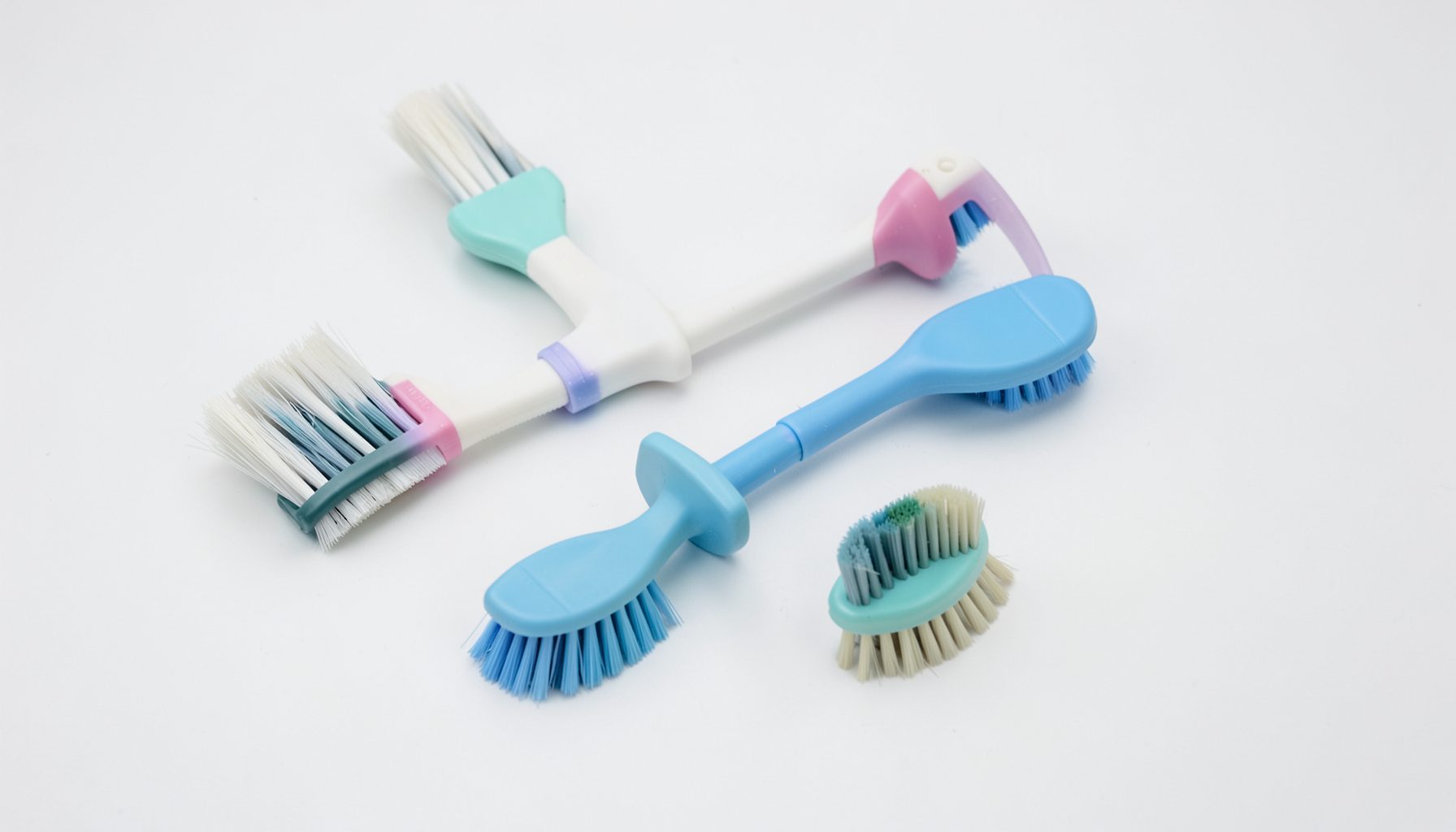
Switch nostrils and repeat. After use, rinse the bottle and let it air dry. Use ResQRinse Premium Cleaning Brushes for thorough cleaning.
Can Nasal Irrigation Help With Sinus Discomfort During Pregnancy
Pregnancy can make ordinary nasal symptoms feel unusually persistent. Hormonal changes may cause swollen nasal passages, increased mucus and a blocked nose even without an infection. Seasonal allergies, viral colds, dust, dry indoor air and existing sinus problems can add further discomfort, especially when congestion interferes with sleep.
Nasal irrigation may provide gentle, medicine-free relief by washing mucus, allergens and irritants from the nasal passages. It can be a useful option for some pregnant people, but safe water preparation, clean equipment and appropriate medical advice are essential. A rinse may ease symptoms without treating the underlying cause, so ongoing or severe problems still deserve attention from a GP or midwife.
Why Pregnancy Can Affect Your Nose And Sinuses
Pregnancy rhinitis is a common cause of nasal stuffiness. Higher levels of oestrogen and increased blood flow can make the lining inside the nose swell. This may create a blocked or runny nose, post-nasal drip and a sensation of sinus pressure, even when there is no bacterial infection.
Existing allergies can also become harder to manage. In Melbourne and Canberra, spring pollen may aggravate sneezing and congestion, while dust and dry air can be troublesome in parts of Adelaide, Perth and inland New South Wales. Smoke from bushfires, household dust and air-conditioning can further irritate sensitive nasal tissue.
Sinus discomfort may feel like pressure around the cheeks, forehead or eyes, with thick mucus and a reduced sense of smell. A fever, severe one-sided facial pain, swelling around the eye, breathing difficulty or symptoms that worsen after initial improvement may indicate a condition requiring professional assessment rather than home irrigation alone.
How Nasal Irrigation May Provide Relief
A saline rinse works by allowing a salt-water solution to flow through one nostril and out through the other. This can loosen thick mucus, clear airborne particles and moisten irritated tissue. For pregnancy-related congestion, the benefit is mainly physical cleansing and hydration rather than a change to pregnancy hormones.
Some people find rinsing particularly helpful before bed, after outdoor exposure or when post-nasal drainage causes throat irritation. A properly prepared isotonic saline solution should feel mild rather than sharply burning. Slight stinging can occur if the solution is too concentrated, too weak or used when the nasal lining is already inflamed.
Bottle systems can offer a controlled flow and a comfortable grip, while a nasal mist may be more convenient for mild dryness or travel. Products such as ResQRinse nasal irrigation systems are designed around a squeeze-bottle format, with features intended to help manage flow and reduce mess. Comfort varies, so a person who feels ear pressure or pain should stop and seek advice.
Using A Rinse Safely While Pregnant
Water safety is the most important part of home nasal irrigation. Use sterile or distilled water, or tap water that has been boiled and allowed to cool according to medical and product guidance. Do not use untreated water directly from the tap, rainwater or water from an unfamiliar source. Australian public water supplies are generally treated, but that does not remove the need to follow the instructions supplied with the irrigation device.
Saline packets are convenient because they provide a measured balance of salts. Homemade mixtures can be inaccurately measured and may sting, so a commercially prepared sachet is often simpler. The solution should be comfortably lukewarm, never hot. Guidance on warming saline safely can help avoid overheating or creating uneven temperature pockets.
Wash the bottle, cap and nozzle after each use, then allow the parts to air-dry fully. A cleaning brush can help remove residue from narrow areas. Do not share the device, and replace it as recommended by the manufacturer. In Australia, check packaging and instructions for the intended use, warnings and supplier information; products making therapeutic claims may fall within the Therapeutic Goods Administration framework, while retail listings can differ between Amazon Australia, Walmart marketplaces and local pharmacies.
A Practical Routine For Congestion Relief
Begin by washing your hands and preparing the saline solution exactly as directed. Lean over a basin, keep your mouth open for breathing and tilt your head slightly rather than tipping it far backwards. Apply gentle pressure, allowing the solution to pass through without forcing it. If the fluid goes into the throat, spit it out rather than swallowing large amounts.
After rinsing, blow your nose gently, one side at a time. Avoid vigorous blowing, which can increase pressure in the ears or sinuses. A first attempt may feel unfamiliar, so using a smaller amount of solution and a slower flow can make the process more comfortable. Stop if you develop sharp pain, nosebleeding, dizziness or significant ear blockage.
Before each rinse
- Wash hands and inspect the device for damage
- Prepare fresh saline with safe, suitably cooled water
- Check that the nozzle and bottle are clean
- Choose a time when you can rinse calmly over a sink
After each rinse
- Empty leftover solution rather than storing it
- Wash and air-dry every reusable component
- Blow the nose gently and avoid forceful pressure
- Store the equipment in a clean, dry place
When To Speak With A Healthcare Professional
Pregnancy changes how medicines and treatments should be considered, so discuss persistent congestion with an Australian GP, obstetrician, midwife or pharmacist. A clinician can help distinguish pregnancy rhinitis, hay fever, viral illness, bacterial sinusitis and other causes. They can also advise whether an antihistamine, nasal spray or another treatment is suitable for your stage of pregnancy.
Seek prompt medical advice if symptoms include a high fever, severe headache, facial swelling, vision changes, shortness of breath, dehydration or intense facial pain. Contact a healthcare professional if symptoms last longer than expected, repeatedly return or prevent sleep and daily activities. Nasal irrigation should support care, not delay assessment of a potentially serious infection.
People with frequent nosebleeds, a completely blocked passage, recent nasal surgery or certain ear problems may need specific instructions before using a rinse. Children and older family members may also require different equipment and supervision. A pregnancy-safe approach is individual: what feels comfortable for one person may be unsuitable for another.
For many pregnant people, gentle saline irrigation can be a practical way to ease a blocked nose, remove irritants and support more comfortable breathing. Choose a suitable system, use safe water, keep the equipment hygienic and follow the directions carefully. If congestion is interfering with rest or accompanied by warning signs, arrange advice from a qualified healthcare professional before continuing home treatment.