ResQRinse is the nasal irrigation squeeze bottle that eliminates head-tilting and awkward neck positions. Using proprietary Nasal Lock™ technology, it delivers a comfortable, gag-free sinus cleanse — no more saline dripping down your throat.

Relief From Fall Sneezes
Now sold on Walmart.com. Free shipping on orders $30+. Try ResQRinse today with your everyday purchases.
Shop at WalmartWhy ResQRinse?
Nasal rinsing helps relieve congestion from colds, allergies, sinusitis, hay fever, and environmental pollutants. ResQRinse makes it comfortable enough to become a daily habit.
Nasal Lock™ Technology
Isolates sinuses from the throat using natural choanal occlusion — like inflating a balloon — so saline stays where it belongs.
Learn more →
Drug-Free Relief
Uses premixed saline packets with distilled water. No medications, no preservatives — just a natural cleanse for your nasal passages.
How to rinse →
For Kids Too
ResQRinse for Kids features a comfort nasal tip right-sized for smaller nostril openings, making rinsing gentle and easy for children.
Shop kids' version →
Breath-Controlled Flow
You control the saline flow with your own breath pressure — high volume, low pressure irrigation that's comfortable and effective.
Watch how-to videos →
Better Compliance
Designed to overcome the gagging and discomfort that cause people to abandon traditional neti pots and nasal rinse systems.
Our story →
Complete Kits Available
From the basic ResQRinse Nasal Rinse System ($19.99) to 90-day complete kits, saline packets, cleaning brushes, and Sinoptim Nasal Mist.
Browse all products →Get Started with ResQRinse
Ready to experience a better nasal rinse? Fill out the form below and we'll help you find the right product — or follow the simple steps to begin rinsing today.
Request More Information
How to Use ResQRinse
Fill the Bottle
Fill the ResQRinse squeeze bottle with distilled or previously boiled water and add one premixed saline packet.
Position the Tip
Place the comfort tip gently against one nostril. No head-tilting or awkward neck angles needed.
Squeeze & Breathe
Squeeze the bottle gently while breathing through your mouth. Nasal Lock™ keeps saline in your nasal passages and out of your throat.
Repeat & Clean
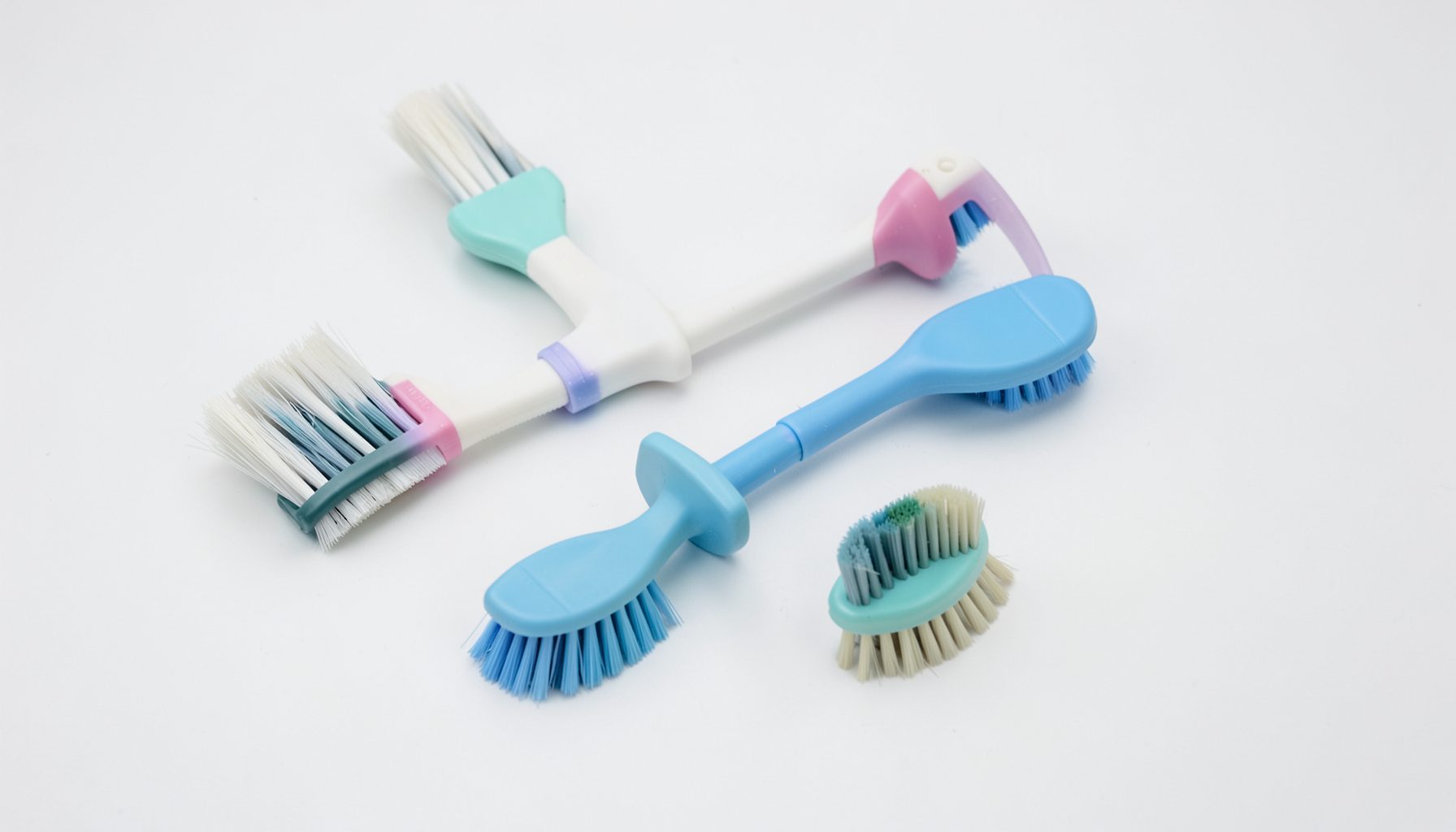
Switch nostrils and repeat. After use, rinse the bottle and let it air dry. Use ResQRinse Premium Cleaning Brushes for thorough cleaning.
Why Gentle Nasal Rinsing Feels Better for Many People
Nasal irrigation can be an effective way to clear mucus, allergens, and irritants from the nasal passages. Yet the experience varies widely depending on the delivery method. Some people enjoy the steady pour of a neti pot, while others find that a gentle stream from a squeeze-bottle rinse system feels more controlled and comfortable.
The difference often comes down to pressure, positioning, and personal confidence. A pouring device relies heavily on gravity and body angle, whereas a soft-squeeze bottle lets users regulate the flow with their hand. That small distinction can make nasal rinsing feel less intimidating for beginners, children, and anyone with sensitive nasal tissue.
A comfortable routine is easier to maintain than one that feels awkward or forceful. Understanding how each method works can help people choose an option that supports relief from congestion, seasonal allergies, sinus pressure, and everyday nasal discomfort.
How a gentle stream differs from neti pot pouring
A neti pot delivers saline solution through one nostril as the user tilts the head and allows the liquid to flow by gravity. The stream can be smooth, but its speed depends on the pot’s angle, the amount of solution, and the user’s posture. Small changes in head position may cause the flow to slow, stop, or suddenly increase.
A squeeze bottle creates a more direct and adjustable rinse. The user applies light pressure to move saline through the nasal passage, making it possible to begin slowly and increase the flow only when it feels comfortable. This control can be reassuring for someone who is trying nasal irrigation for the first time.
The goal is not to force liquid through the nose. A properly prepared saline rinse should move gently through the nasal passages and drain from the opposite nostril or mouth. If a method feels painful, causes strong ear pressure, or creates persistent burning, the user should stop and reassess the solution strength, posture, and technique.
Comfort starts with control
People who prefer a gentle stream often say that control makes the entire process feel more predictable. With a squeeze bottle, they can pause immediately, change their head position, or reduce pressure without setting the device down. This may be especially useful when nasal passages are swollen from a cold or allergy flare.
A controlled stream also helps users avoid the sensation of being overwhelmed by fluid. Some people are sensitive to the feeling of water entering the nose, even when the rinse is medically appropriate. Beginning with a light squeeze can make the process easier to tolerate and may help build confidence over several uses.
ResQRinse describes its approach to nasal care and product design on its brand information page, where users can learn more about the company’s focus on comfortable, practical irrigation. Comfort is a meaningful part of product selection because regular use depends on how natural the routine feels.
Why Nasal Lock technology may matter
A nasal rinse works best when the solution travels through the nasal passages rather than leaking around the opening or escaping unpredictably. Features that help create a secure fit can make the process cleaner and easier to manage. This is one reason some users prefer a bottle designed with a shaped nasal tip.
ResQRinse’s Nasal Lock technology is intended to support a more stable seal during irrigation. The design details are explained on the Nasal Lock technology page, which describes how the feature can help guide saline through the nose while limiting uncomfortable leakage around the applicator.
A secure fit does not mean the bottle should be pressed hard against the nostril. The tip should rest comfortably, and the user should follow the product directions. Excessive pressure can make rinsing unpleasant and may encourage fluid to move toward the ears or create unnecessary nasal irritation.
Gentle irrigation compared with other methods
The best nasal irrigation method depends on anatomy, symptoms, coordination, and preference. A neti pot can be simple and effective for people who are comfortable with head positioning and gravity-fed flow. A squeeze bottle may suit those who want a more active role in controlling the rinse. Nasal mist, meanwhile, can provide light moisture when a full-volume wash is unnecessary.
| Feature | Gentle squeeze-bottle rinse | Neti pot | Nasal mist |
|---|---|---|---|
| Flow control | Adjusted by hand pressure | Controlled mainly by tilt and gravity | Usually a light spray |
| Volume | Typically moderate to high | Moderate to high | Low |
| Best suited for | Congestion, allergens, and routine irrigation | Users comfortable with pouring technique | Dryness and light moisture |
| Learning curve | Often intuitive | Requires careful head positioning | Generally simple |
| Portability | Easy with a compact kit | May be less convenient to carry | Usually highly portable |
| Cleaning needs | Bottle and tip require regular cleaning | Pot requires regular cleaning | No large reservoir |
The comparison is not about declaring one device universally better. A person with mild dryness may prefer a nasal mist, while someone with thick mucus may want a full saline wash. Someone who has used a neti pot for years may find pouring entirely comfortable. The important factor is whether the chosen method delivers relief without causing unnecessary discomfort.
For families, a child-sized rinse system may provide a better fit than an adult device. Children should use nasal irrigation only with appropriate adult guidance, and they need clear instructions about breathing, posture, and stopping if the process feels uncomfortable.
Technique can improve the experience
Even a gentle stream may feel unpleasant if the head is tilted incorrectly. Most instructions recommend leaning over a sink, keeping the mouth open, and tilting the head slightly forward and to one side. This position helps the saline travel through the nasal passage and drain without being swallowed in large amounts.
Breathing through the mouth can reduce the urge to sniff during the rinse. Sniffing may draw saline toward the throat or ears and make the experience feel less controlled. A slow, calm approach is usually more comfortable than trying to complete the rinse quickly.
Solution temperature also matters. Many users prefer saline that is lukewarm or close to body temperature. Water that is very cold or hot can increase irritation. Saline packets should be mixed according to the manufacturer’s instructions rather than measured casually, since an overly concentrated or weak solution may sting.
Safe preparation and regular cleaning
Only use distilled, sterile, or previously boiled and cooled water for nasal irrigation. Tap water may contain microorganisms that are safe to swallow but unsafe to introduce into the nasal passages. Water safety is one of the most important parts of a healthy rinsing routine.
Use the recommended saline packets or a properly measured saline mixture. Plain water can burn, while an incorrectly mixed solution may cause stinging or dryness. Fresh solution should generally be prepared for each use, and leftover liquid should not be stored in the bottle.
The device should be rinsed and dried according to its instructions after every use. A cleaning brush can help reach areas that are difficult to wash by hand, particularly inside narrow bottle openings or applicator tips. Replace the device or individual components as recommended, and do not share a nasal irrigation system without proper cleaning and separate personal parts.
People with frequent nosebleeds, recent nasal surgery, severe ear pain, or significant medical conditions should speak with a healthcare professional before starting irrigation. Seek medical advice if symptoms worsen, fever develops, or congestion continues without improvement.
Choosing a routine that feels sustainable
A gentle stream may be the preferred option for people who value adjustability, but the right system is ultimately the one that fits the user’s symptoms and habits. A complete kit with saline packets can simplify preparation, while replacement packets and cleaning accessories can make regular use more convenient.
Before buying, consider the bottle size, nasal tip design, ease of cleaning, availability of child-appropriate options, and whether the system is easy to use while traveling. It is also worth checking that the instructions clearly explain water safety, mixing, positioning, and maintenance.
Useful habits for a comfortable routine include:
- Start with a light squeeze and increase pressure only if needed.
- Use lukewarm distilled, sterile, or boiled-and-cooled water.
- Keep the mouth open and lean forward over a sink.
- Stop if there is sharp pain, strong ear pressure, or significant bleeding.
- Wash, rinse, and air-dry the device after each use.
Making nasal relief more approachable
The preference for a gentle stream is often less about avoiding traditional methods and more about finding a better match for individual comfort. Adjustable pressure, a stable nasal seal, and a familiar squeeze motion can make irrigation feel easier to control than a gravity-fed pour.
For people dealing with seasonal allergies, postnasal drainage, or congestion from a cold, a consistent saline rinse may help wash away trapped particles and loosen mucus. It should complement, rather than replace, medical care when symptoms are severe, persistent, or recurring.
Explore ResQRinse nasal irrigation options through the brand’s product range and select a system that supports a calm, clean, and comfortable daily routine.