ResQRinse is the nasal irrigation squeeze bottle that eliminates head-tilting and awkward neck positions. Using proprietary Nasal Lock™ technology, it delivers a comfortable, gag-free sinus cleanse — no more saline dripping down your throat.

Relief From Fall Sneezes
Now sold on Walmart.com. Free shipping on orders $30+. Try ResQRinse today with your everyday purchases.
Shop at WalmartWhy ResQRinse?
Nasal rinsing helps relieve congestion from colds, allergies, sinusitis, hay fever, and environmental pollutants. ResQRinse makes it comfortable enough to become a daily habit.
Nasal Lock™ Technology
Isolates sinuses from the throat using natural choanal occlusion — like inflating a balloon — so saline stays where it belongs.
Learn more →
Drug-Free Relief
Uses premixed saline packets with distilled water. No medications, no preservatives — just a natural cleanse for your nasal passages.
How to rinse →
For Kids Too
ResQRinse for Kids features a comfort nasal tip right-sized for smaller nostril openings, making rinsing gentle and easy for children.
Shop kids' version →
Breath-Controlled Flow
You control the saline flow with your own breath pressure — high volume, low pressure irrigation that's comfortable and effective.
Watch how-to videos →
Better Compliance
Designed to overcome the gagging and discomfort that cause people to abandon traditional neti pots and nasal rinse systems.
Our story →
Complete Kits Available
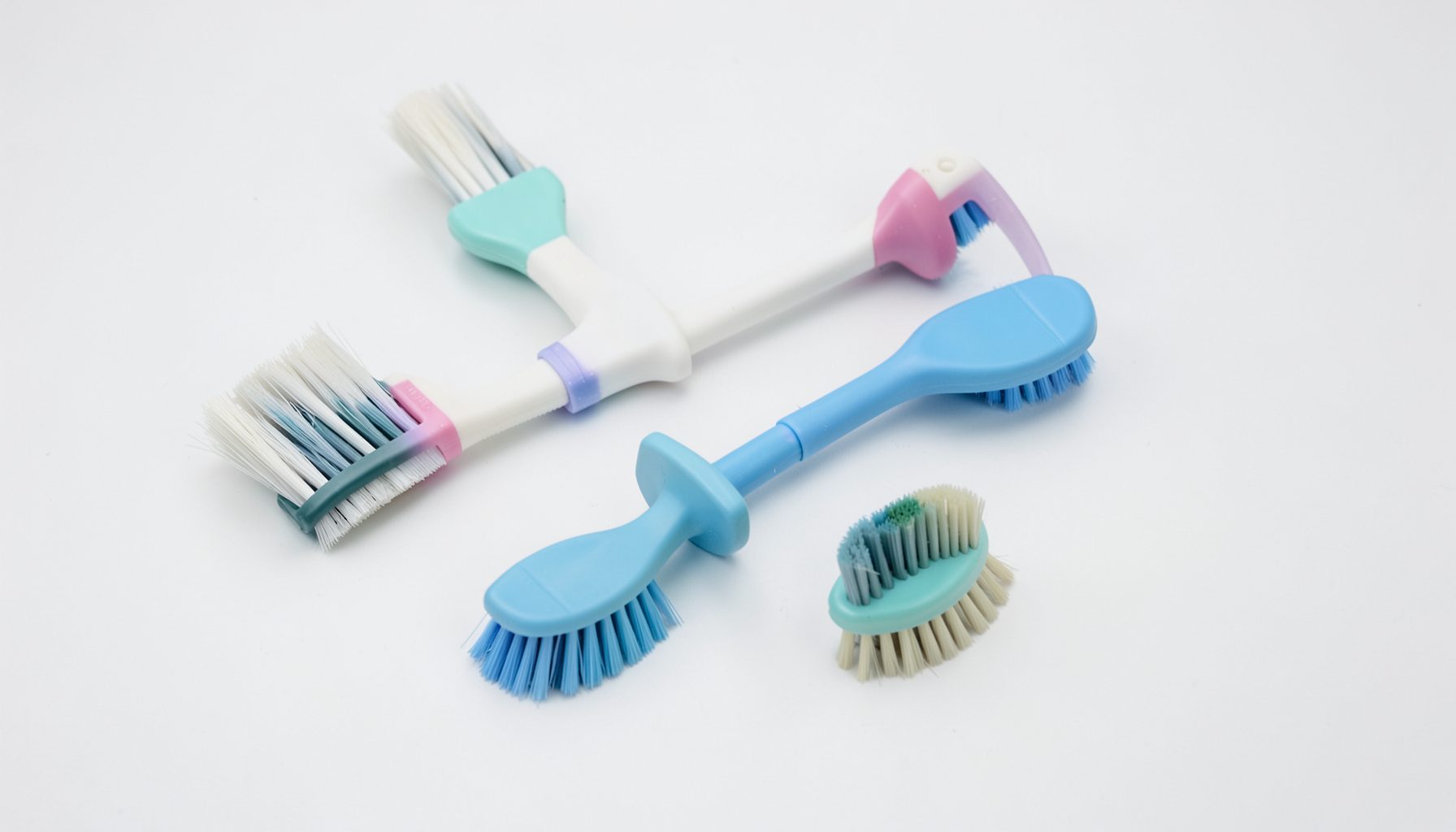
From the basic ResQRinse Nasal Rinse System ($19.99) to 90-day complete kits, saline packets, cleaning brushes, and Sinoptim Nasal Mist.
Browse all products →Get Started with ResQRinse
Ready to experience a better nasal rinse? Fill out the form below and we'll help you find the right product — or follow the simple steps to begin rinsing today.
Request More Information
How to Use ResQRinse
Fill the Bottle
Fill the ResQRinse squeeze bottle with distilled or previously boiled water and add one premixed saline packet.
Position the Tip
Place the comfort tip gently against one nostril. No head-tilting or awkward neck angles needed.
Squeeze & Breathe
Squeeze the bottle gently while breathing through your mouth. Nasal Lock™ keeps saline in your nasal passages and out of your throat.
Repeat & Clean
Switch nostrils and repeat. After use, rinse the bottle and let it air dry. Use ResQRinse Premium Cleaning Brushes for thorough cleaning.
Why Some People Feel Dizzy After a Nasal Rinse
Nasal irrigation can ease a blocked nose, wash away pollen and thin thick mucus, yet some people feel light-headed, off-balance or briefly dizzy afterwards. This reaction is usually temporary, but it can be unsettling, particularly when a rinse is meant to make breathing feel easier.
A nasal rinse moves saline through the nasal passages and out through the other nostril or mouth. If the water is too cold, the flow is too forceful, or the person holds their breath, the experience may trigger discomfort around the nose, ears or throat. Standing up quickly after bending over can add to the sensation.
For people in Australia, nasal irrigation is often part of managing grass pollen, dust, mould and seasonal allergies. Conditions can vary from Melbourne’s spring pollen season to dry inland air and sinus irritation during dusty weather in Perth, Adelaide or regional areas. A careful technique matters just as much as choosing an appropriate product.
The good news is that most mild episodes can be prevented by adjusting water temperature, posture, pressure and timing. Understanding the possible causes also makes it easier to recognise when dizziness is unrelated to the rinse and needs medical attention.
Common Reasons A Rinse Causes Dizziness
A sudden change in pressure around the nose and sinuses can create a brief feeling of imbalance. The nasal passages connect with areas near the Eustachian tubes, which help equalise pressure in the middle ear. If saline travels towards the back of the nose or the rinse is performed aggressively, some people may notice ear fullness, popping or temporary disequilibrium.
The autonomic nervous system can also react to stimulation in the nose and throat. A strong flow, gagging, coughing or discomfort may cause a short-lived vasovagal response. This can lower heart rate or blood pressure for a moment, leading to clamminess, weakness, nausea or light-headedness.
Water Temperature And Saline Strength Matter
Water that is very cold can irritate sensitive nasal tissue and provoke a reflex response. Very hot water may damage the lining of the nose. Aim for comfortably lukewarm water, close to body temperature, and test a small amount on the inside of your wrist before use.
The saline mixture needs to be balanced. Too little salt can sting because it is hypotonic, while too much salt may burn or dry the nasal lining. Use the sachet supplied with the system and follow its stated water volume rather than estimating salt with a kitchen spoon. A contaminated or incorrectly mixed solution can cause irritation, which may make dizziness feel worse.
Use Safe Water And Clean Equipment
For nasal irrigation, use sterile, distilled or previously boiled and cooled water. Australian tap water is treated and generally safe to drink, but drinking-water safety does not automatically mean it is suitable for introducing into the nasal passages. Boil water according to current health guidance, allow it to cool in a clean covered container, and avoid using water that has been left standing for long periods.
Rinse the bottle or pot after every use, let it air-dry fully and clean it as directed. A brush can help remove residue from narrow parts of a squeeze-bottle system. Replace components when they become cracked, cloudy or difficult to clean. Never share a nasal irrigation device, even within the same household.
Adjust Your Position And Pressure
Lean forward over a sink with your mouth open and breathe gently through your mouth. Keep your head slightly tilted rather than tipping it far backwards or sideways. This position helps the saline move through the nasal cavity without excessive pressure towards the ears or throat.
Squeeze a bottle slowly and steadily. A controlled system, such as one using ResQRinse Nasal Lock technology, may feel easier for people who find traditional neti pots awkward or difficult to control. Explore the available nasal rinse systems to compare complete kits, children’s options and saline supplies, while following the instructions for the specific product.
Stop if pressure, ear pain, choking or marked discomfort develops. Do not force fluid through a completely blocked nostril. Blowing the nose gently afterwards can clear remaining solution, but forceful nose-blowing may push fluid towards the ears and increase pressure.
Choose A Better Time Of Day
Dizziness can be more likely when a person is dehydrated, hungry, overheated or recovering from poor sleep. This is relevant during Australian summer heat, after exercise, or following time outdoors in dry conditions. Drink normally during the day and avoid performing a rinse immediately after intense physical activity or a hot shower.
Many people prefer to rinse in the evening, when they can remain upright and allow the nose to settle before bed. Others find a morning rinse useful during allergy season, especially after exposure to pollen. Guidance on the best time to rinse can help match the routine to symptoms and daily habits.
After rinsing, sit or stand quietly for a few minutes before driving, climbing stairs or returning to work. If you feel faint, lie down safely with your legs raised and wait until the sensation passes. Do not repeat the rinse straight away in an attempt to “flush out” the cause.
When To Pause And Seek Medical Advice
Stop nasal irrigation and seek advice from a GP or pharmacist if dizziness continues, repeatedly occurs, or comes with significant ear pressure, hearing changes, vomiting, severe headache or facial pain. People with a current ear infection, recent nasal surgery, frequent nosebleeds or a severely blocked passage should ask a healthcare professional whether irrigation is suitable.
Urgent medical help is needed for fainting, chest pain, trouble breathing, weakness on one side, confusion, slurred speech or a sudden severe headache. These symptoms are not typical effects of a routine nasal rinse and should not be dismissed as a sinus problem.
In Australia, healthdirect provides general health information and nurse advice, while a local GP can assess recurring dizziness and review medicines, blood pressure, allergies or inner-ear conditions. A pharmacist can also help check saline products and safe-use instructions, although persistent symptoms require clinical assessment.
Fit Nasal Irrigation Into Australian Allergy Care
Nasal irrigation can be useful alongside practical measures such as showering after high-pollen exposure, washing bedding regularly and keeping windows closed when pollen counts are high. In cities such as Brisbane and Sydney, humidity and mould may contribute to nasal symptoms; in Canberra or Melbourne, seasonal grass and tree pollen can be a bigger concern for some households.
It should not replace prescribed treatment for asthma, chronic rhinosinusitis or severe allergies. A clinician may recommend a steroid nasal spray, antihistamine or further investigation, and the order of treatments can matter. In some cases, rinsing before a medicated spray helps clear mucus, but follow the advice provided with the medicine.
Australian consumers should read the product label, follow the manufacturer’s cleaning and water instructions, and purchase from a reputable local or authorised seller. Therapeutic products supplied in Australia are subject to the Therapeutic Goods Administration framework when they meet the relevant definition, but regulatory status and permitted claims vary by product. Packaging and instructions remain the most reliable source for correct use.
Make The Next Rinse More Comfortable
Before starting, prepare lukewarm sterile, distilled or boiled-and-cooled water, mix the saline accurately and check that the device is clean. Rinse gently over a sink while breathing through the mouth, keep the head slightly forward, and use only enough pressure to create a steady flow. A mild tingling sensation can occur, but sharp burning or ear pain is a reason to stop.
If dizziness has happened before, try a smaller volume, a slower squeeze and a time when you are well hydrated. Remain seated or standing still afterwards, and record what happened if symptoms recur. Details such as water temperature, saline strength, posture, pressure and duration can help a GP identify the likely trigger.
A properly prepared nasal rinse should feel controlled rather than forceful. With safe water, balanced saline, clean equipment and a relaxed technique, many people can gain congestion relief without the light-headed feeling that prompted concern. If symptoms persist or seem disproportionate, pause the routine and obtain professional advice before trying again.