ResQRinse is the nasal irrigation squeeze bottle that eliminates head-tilting and awkward neck positions. Using proprietary Nasal Lock™ technology, it delivers a comfortable, gag-free sinus cleanse — no more saline dripping down your throat.

Relief From Fall Sneezes
Now sold on Walmart.com. Free shipping on orders $30+. Try ResQRinse today with your everyday purchases.
Shop at WalmartWhy ResQRinse?
Nasal rinsing helps relieve congestion from colds, allergies, sinusitis, hay fever, and environmental pollutants. ResQRinse makes it comfortable enough to become a daily habit.
Nasal Lock™ Technology
Isolates sinuses from the throat using natural choanal occlusion — like inflating a balloon — so saline stays where it belongs.
Learn more →
Drug-Free Relief
Uses premixed saline packets with distilled water. No medications, no preservatives — just a natural cleanse for your nasal passages.
How to rinse →
For Kids Too
ResQRinse for Kids features a comfort nasal tip right-sized for smaller nostril openings, making rinsing gentle and easy for children.
Shop kids' version →
Breath-Controlled Flow
You control the saline flow with your own breath pressure — high volume, low pressure irrigation that's comfortable and effective.
Watch how-to videos →
Better Compliance
Designed to overcome the gagging and discomfort that cause people to abandon traditional neti pots and nasal rinse systems.
Our story →
Complete Kits Available
From the basic ResQRinse Nasal Rinse System ($19.99) to 90-day complete kits, saline packets, cleaning brushes, and Sinoptim Nasal Mist.
Browse all products →Get Started with ResQRinse
Ready to experience a better nasal rinse? Fill out the form below and we'll help you find the right product — or follow the simple steps to begin rinsing today.
Request More Information
How to Use ResQRinse
Fill the Bottle
Fill the ResQRinse squeeze bottle with distilled or previously boiled water and add one premixed saline packet.
Position the Tip
Place the comfort tip gently against one nostril. No head-tilting or awkward neck angles needed.
Squeeze & Breathe
Squeeze the bottle gently while breathing through your mouth. Nasal Lock™ keeps saline in your nasal passages and out of your throat.
Repeat & Clean
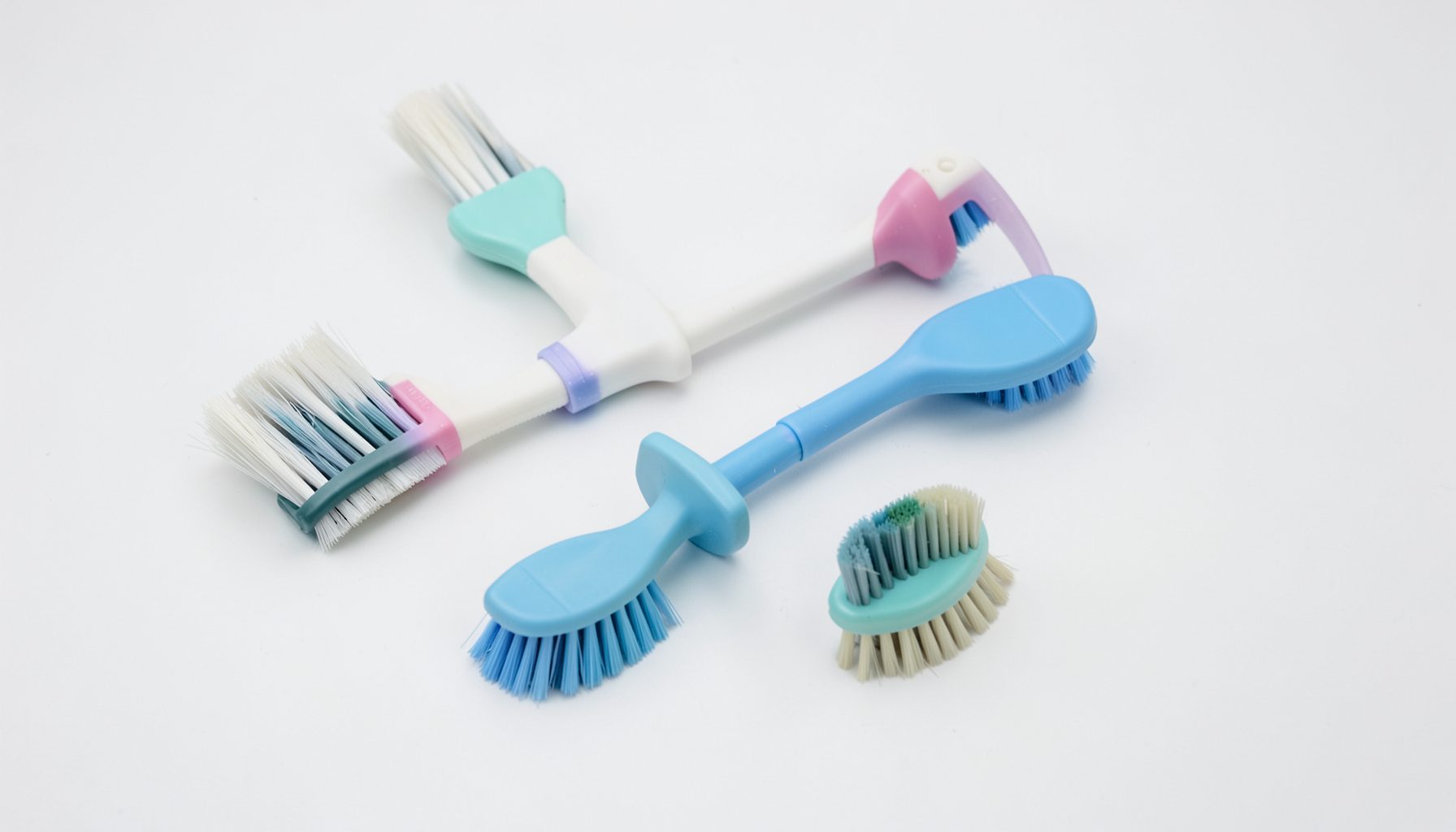
Switch nostrils and repeat. After use, rinse the bottle and let it air dry. Use ResQRinse Premium Cleaning Brushes for thorough cleaning.
Saline Packets With Baking Soda Buffer: The Key to Gentler Nasal Rinsing
Many Australians reach for a saline rinse when hay fever flares up, when a cold leaves them blocked, or when the dry inland air leaves their sinuses feeling raw. The right mix matters more than most people realise. Buffered saline packets that contain a measured amount of sodium bicarbonate tend to feel noticeably smoother in the nostril than plain salt-and-water mixes, and the reason lies in simple chemistry combined with how delicate the nasal lining actually is.
This is not just a comfort preference. The buffering agent helps the solution land closer to the pH the body already maintains, which means the rinse is less likely to sting, burn, or trigger a sudden sneeze. For households across Sydney, Melbourne, and Brisbane where pollen counts, bushfire smoke, and winter sniffles all put pressure on the nose, that small detail can be the difference between a routine people stick with and one that gathers dust in the cupboard.
The Science Behind Saline Nasal Comfort
The inside of the nose is lined with a thin, mucus-covered membrane rich in tiny blood vessels and nerve endings. That lining works best when it stays moist and roughly neutral, somewhere between 6.5 and 7.5 on the pH scale. When the nose is flushed with a solution that drifts outside that range, the tissue reacts. Pure water without salt feels uncomfortable almost immediately because it is hypotonic compared to body fluids and pulls moisture out of the cells through osmosis. On the other end, a strongly acidic or strongly alkaline mix can irritate nerve endings and leave a sharp, raw feeling that lingers for several minutes.
Standard saline, which is just sodium chloride dissolved in water, brings the osmolarity into a comfortable range but does not correct pH. Tap water in Australia varies from mildly acidic in coastal cities to noticeably alkaline in rural bore regions, and the salt does nothing to stabilise that variation. The result is a rinse whose pH can drift from one batch to the next, which is part of why some users describe their rinse as "stingy" or "sharp" even when the recipe looks correct on paper.
How Sodium Bicarbonate Works as a Buffer
A buffer is simply a chemical pair that resists swings in pH. Sodium bicarbonate, the same food-grade baking soda Australians keep in the pantry for baking, cleaning, and freshening the fridge, is one of the most familiar buffers in everyday life. When it is added to a saline mix, it pairs with carbonic acid in the solution and locks the liquid into a narrow, slightly alkaline range that closely mirrors healthy nasal tissue.
The buffering capacity does not have to be huge. A small fraction of a gram per rinse is enough to neutralise the slight acidity that plain saline picks up as it dissolves, and to keep the pH stable even if the water source is a little off. That is why pre-measured saline packets that already include sodium bicarbonate feel reliably the same every time, batch after batch. The buffer does the work of stabilising the solution before it ever touches the nostril, so the rinse arrives at the mucosa already adjusted.
This also matters for users who rinse after exposure to irritants. Whether it is grass pollen on a walk through the Royal Botanic Gardens, construction dust on a Perth job site, or smoke drifting across the Adelaide Hills during bushfire season, the nasal lining is already stressed before rinsing even starts. A buffered rinse calms rather than provokes, and the sensation afterwards tends to be one of clean relief rather than lingering prickliness.
Matching the pH of Healthy Nasal Tissue
Healthy nasal mucus is not pure water. It contains salts, proteins, enzymes, and a small amount of bicarbonate that the glands in the lining actively secrete. That native bicarbonate is one of the body's quiet defences. It keeps the mucosal surface slightly alkaline, helps the cilia wave in coordinated patterns, and discourages bacterial growth. A buffered saline rinse with added sodium bicarbonate essentially tops up what the body already produces rather than washing it away and replacing it with something more acidic.
Studies in ENT journals have repeatedly measured the comfort gap between buffered and unbuffered solutions. When patients rated stinging, post-nasal drip, and burning on a simple scale, buffered mixes consistently scored lower. The effect is most obvious in people who rinse twice a day during allergy season, because cumulative exposure makes small discomforts add up. A pH-matched rinse means the lining returns to its baseline faster, and the cilia, which are tiny hair-like structures responsible for clearing mucus, can resume their normal sweeping motion without interruption.
Buffered vs Unbuffered Packets Side by Side
Side by side, the two packet types look nearly identical. Both dissolve in warm water, both contain medical-grade sodium chloride, and both produce a clear solution. The difference shows up in two places. Buffered packets list sodium bicarbonate on the ingredient panel, often as "buffering agent" or "pH adjuster." They may also feel slightly softer to the touch because the bicarbonate granules are finer than the salt crystals. Unbuffered packets, by contrast, contain only salt and an anti-caking agent.
The sensory difference is what most users remember. An unbuffered rinse can feel sharp at first, especially on a sensitive morning when the nose is already sore from a night of mouth breathing. A buffered rinse tends to glide through with a mild, almost silky sensation, and the after-feel is closer to simply breathing through a clean, cool cloth. For families with children, that gentler feel is often the difference between a tearful wrestle at the bathroom sink and a quick, cooperative routine. Households with both kids and adults often share the same bathroom shelf, and the Jamb Incorporated line of buffered rinses has become a familiar option in Australian homes for that reason.
Who Notices the Difference Most
People who are most likely to feel the sting of an unbuffered rinse include those with chronic sinusitis, recovering sinus-surgery patients, people with atrophic rhinitis, and anyone whose mucosa is already inflamed. Seasonal hay fever sufferers in coastal New South Wales and Victoria, where ryegrass pollen peaks from October to December, often report the same thing: a buffered rinse lets them keep flushing through the worst weeks without dreading the next session.
Office workers in air-conditioned buildings during the warmer months also benefit, since the constant dry air leaves the lining less resilient. So do FIFO staff and travellers spending long hours on flights to regional Western Australia, where cabin air and remote-site dust both tax the nose. In short, anyone whose nose is already a little unhappy before they start rinsing will appreciate the calmer chemistry of a buffered solution.
Getting the Most From Your Rinse Routine in Australia
The Australian climate throws a few specific curveballs. Spring brings grass pollen across the southern capitals, summer fires load the air with fine particulate matter, and winter in the southern states means more time indoors with heaters drying out the mucosa. A practical routine is to rinse once in the morning after showering and once in the evening before bed during high-risk weeks, then drop to a single evening rinse during quieter months.
Water quality matters too. Australians in the major cities can use cooled, previously boiled tap water or filtered water for safety, while those relying on tank water in rural Queensland or Tasmania should always filter first. The temperature of the rinse also influences comfort. Warm, body-temperature water feels best, because it matches the nasal tissue and avoids the cold shock that makes some people flinch. A buffered packet dissolved in warm water is the simplest combination that covers osmolarity, pH, and comfort in one step.
Pairing Buffered Packets With the Right Delivery System
The packet chemistry only matters if the delivery system does its job. Squeeze-bottle designs with a soft, pliable body and a contoured tip control the flow better than a rigid syringe or a tilted neti pot. A gentle stream, driven by hand pressure rather than gravity, lets the user pause, breathe through the mouth, and adjust the angle without flooding the sinus cavities. The ResQRinse squeeze system is built around this idea, and the buffered saline packets are sized to match the bottle exactly, so each rinse uses one packet per fill with no guesswork.
Families with younger children often prefer a smaller, lower-pressure tip that mimics a slow stream rather than a full flush, and the children's kits are calibrated for that. For anyone curious about the broader product range, the ResQRinse news page keeps a running list of tips, user stories, and seasonal advice written specifically for Australian conditions. If you are ready to put a buffered routine in place, the ResQRinse shop carries the complete kits, replacement packets, and cleaning brushes that keep the system hygienic between uses.
A gentler rinse is rarely about a single dramatic change. It is the quiet combination of balanced pH, comfortable temperature, and a delivery system that respects the lining of the nose. Try one packet in warm water the next time the pollen count climbs or the air turns dry, and notice how the simple chemistry of a buffered mix can turn a basic rinse into a daily habit worth keeping.