ResQRinse is the nasal irrigation squeeze bottle that eliminates head-tilting and awkward neck positions. Using proprietary Nasal Lock™ technology, it delivers a comfortable, gag-free sinus cleanse — no more saline dripping down your throat.

Relief From Fall Sneezes
Now sold on Walmart.com. Free shipping on orders $30+. Try ResQRinse today with your everyday purchases.
Shop at WalmartWhy ResQRinse?
Nasal rinsing helps relieve congestion from colds, allergies, sinusitis, hay fever, and environmental pollutants. ResQRinse makes it comfortable enough to become a daily habit.
Nasal Lock™ Technology
Isolates sinuses from the throat using natural choanal occlusion — like inflating a balloon — so saline stays where it belongs.
Learn more →
Drug-Free Relief
Uses premixed saline packets with distilled water. No medications, no preservatives — just a natural cleanse for your nasal passages.
How to rinse →
For Kids Too
ResQRinse for Kids features a comfort nasal tip right-sized for smaller nostril openings, making rinsing gentle and easy for children.
Shop kids' version →
Breath-Controlled Flow
You control the saline flow with your own breath pressure — high volume, low pressure irrigation that's comfortable and effective.
Watch how-to videos →
Better Compliance
Designed to overcome the gagging and discomfort that cause people to abandon traditional neti pots and nasal rinse systems.
Our story →
Complete Kits Available
From the basic ResQRinse Nasal Rinse System ($19.99) to 90-day complete kits, saline packets, cleaning brushes, and Sinoptim Nasal Mist.
Browse all products →Get Started with ResQRinse
Ready to experience a better nasal rinse? Fill out the form below and we'll help you find the right product — or follow the simple steps to begin rinsing today.
Request More Information
How to Use ResQRinse
Fill the Bottle
Fill the ResQRinse squeeze bottle with distilled or previously boiled water and add one premixed saline packet.
Position the Tip
Place the comfort tip gently against one nostril. No head-tilting or awkward neck angles needed.
Squeeze & Breathe
Squeeze the bottle gently while breathing through your mouth. Nasal Lock™ keeps saline in your nasal passages and out of your throat.
Repeat & Clean
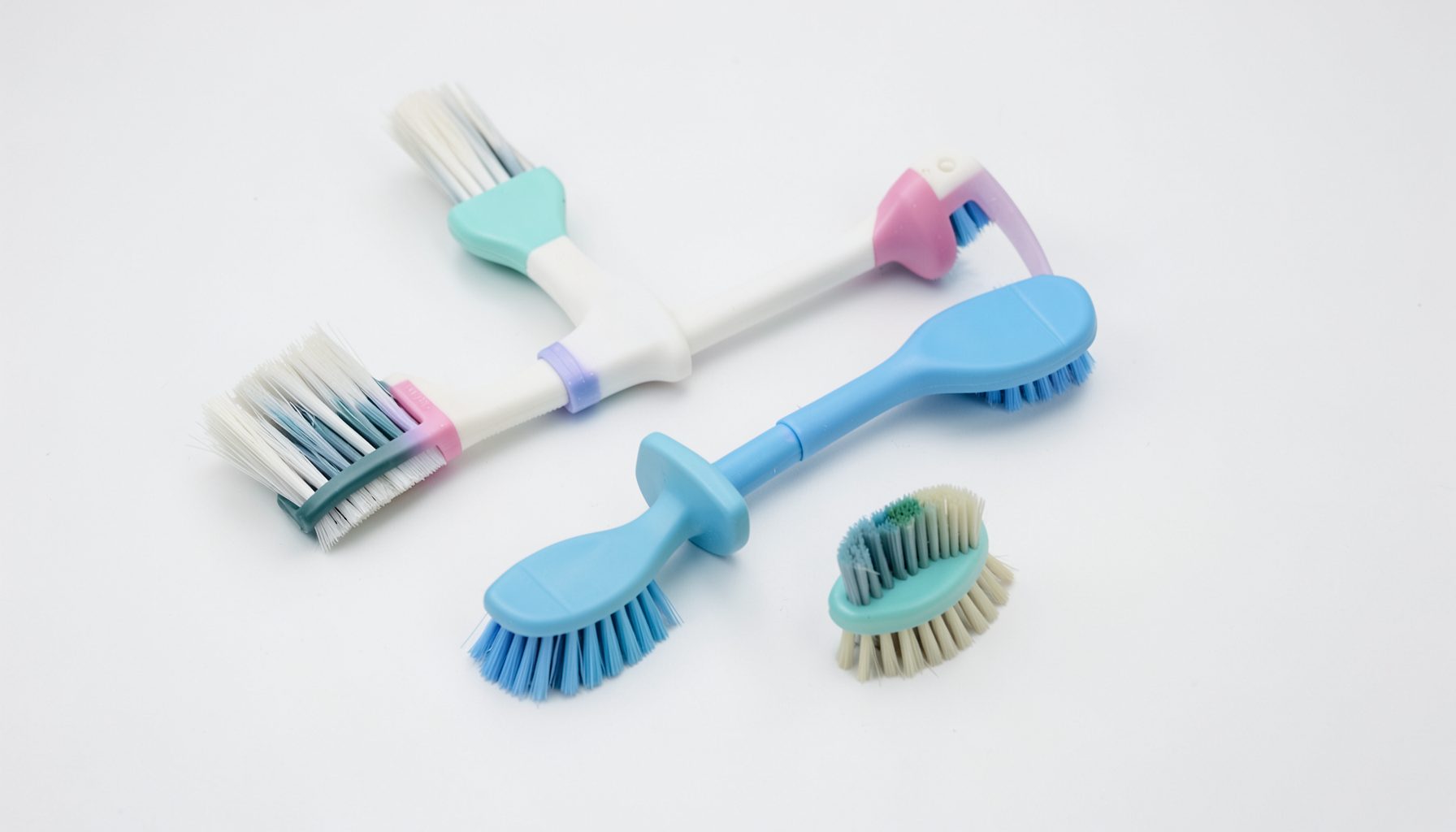
Switch nostrils and repeat. After use, rinse the bottle and let it air dry. Use ResQRinse Premium Cleaning Brushes for thorough cleaning.
Nasal rinsing with high blood pressure: a safe-use guide
The safety of nasal rinsing for people with high blood pressure depends more on water quality, saline strength and technique than on the act of rinsing itself. A correctly prepared saline rinse can clear mucus, allergens and irritants from the nasal passages without introducing medication into the bloodstream.
For most adults with controlled hypertension, nasal irrigation is generally compatible with their condition. It does not usually raise systemic blood pressure, and saline has none of the stimulant effects associated with some over-the-counter decongestant sprays. Extra caution is sensible when blood pressure is severely elevated, readings are repeatedly high, or a person has heart disease, dizziness or troublesome nosebleeds.
This guide explains how to use a squeeze bottle or neti pot safely and where Australian medical advice fits in. It covers saline packets, cleaning, product selection and signs to stop. The aim is to protect the nasal mucosa, which can become dry, inflamed or injured if a rinse is mixed incorrectly or delivered with too much force.
Why high blood pressure is usually not a barrier
Hypertension is the persistent elevation of arterial blood pressure. It often has no obvious symptoms, so a person may feel well while their readings remain high. Nasal rinsing is not ordinarily restricted solely because someone has hypertension.
A comfortable rinse should not cause physical strain, breath-holding or a forceful rush of fluid. Anxiety, pain and prolonged breath-holding can temporarily increase heart rate and blood pressure, which matters more for someone whose readings are already uncontrolled. Pausing whenever discomfort develops is a sensible precaution.
The greater blood-pressure concern often comes from medicated nasal sprays, not irrigation. Decongestants such as oxymetazoline or phenylephrine may raise blood pressure and heart rate in some people. People with hypertension should ask a pharmacist or doctor about suitable alternatives rather than adding these ingredients to a saline rinse.
Water quality comes first
Use sterile water, distilled water or water that has been boiled and cooled. Tap water is generally safe to drink in Australia, but it is not necessarily sterile and may contain organisms that irritate the nasal passages or cause infection. This distinction is particularly important for people with weakened immune systems.
For household tap water, follow current health guidance on boiling and cooling it before use. At elevations above 2,000 metres, including some alpine areas, water generally needs a longer rolling boil before cooling. Using commercially sealed sterile water removes that step, although it may cost more or require frequent pharmacy trips.
The device itself also needs attention. Wash it with sterile, distilled or boiled and cooled water, allow it to air-dry completely and store it open to the air. Do not share a bottle, top up old solution or continue using a device that is cracked, discoloured or difficult to clean. Replace it according to the manufacturer’s instructions.
Choosing a safe saline and device
Isotonic saline has approximately the same salt concentration as body fluids and is usually the most comfortable starting point. Hypertonic solutions are more concentrated and may help draw fluid from swollen tissues, but they can also cause dryness, stinging or crusting. A stronger solution is not automatically more effective or safer.
Use the supplied saline packets and follow their specified water volume. Household spoons, sea salt, iodine, essential oils and homemade herbal mixtures can alter the concentration or irritate the mucosa. If a solution is prepared manually, the salt must be measured accurately and mixed with suitable water.
The ResQRinse nasal irrigation range includes squeeze-bottle systems, children’s versions, saline packets, cleaning brushes, complete kits and nasal mist. Its products use the brand’s Nasal Lock technology, and the bottles offer continuous flow for people who may find the tilting and pouring required by a traditional neti pot less comfortable. Children’s systems still require adult supervision.
Keeping the rinse gently comfortable
Wash your hands, prepare the solution as directed and fill the bottle only as far as its instructions specify. Lean over a sink with your head slightly forward and turn it so that one nostril is higher. Breathe through the open mouth, insert the nozzle comfortably and squeeze slowly enough for solution to enter and leave smoothly.
The product usage guidance provides the correct fill line, angle and operating method for ResQRinse systems. The key principle applies to every bottle or neti pot: let gravity and gentle pressure do the work. Pushing hard can force saline into the Eustachian tubes, irritate a sensitive septum or trigger a nosebleed.
Afterwards, sit upright and blow one nostril at a time gently. Excessive blowing, repeated forceful rinsing or continuing after pain can worsen irritation. Stop if the nose bleeds significantly, the ears feel painful or blocked, or dizziness, nausea or palpitations develop. Clean and dry the equipment promptly after each use.
Medicines, supplements and other nasal sprays
Plain saline does not have the same chemical interactions as many medicated nasal treatments, and it does not replace prescribed blood-pressure medicines. If another nasal spray is being used, ask a pharmacist whether the products should be separated; a short interval may sometimes improve absorption, but medicines with specific timing instructions should follow those directions.
Clopidogrel, sometimes sold under the brand name Plavix, is one example of a medicine that can affect bleeding risk. General clopidogrel dosage information can help identify relevant precautions, while an Australian pharmacist or prescriber should confirm the individual regimen. People taking anticoagulants or medicines such as ibuprofen and naproxen may also need advice before using a rinse frequently enough to cause dryness or minor trauma.
Avoid herbal decongestants and stimulant supplements that may increase blood pressure. Excessive licorice intake can also affect blood pressure in some people. Those with heart failure, significant kidney disease or several cardiovascular conditions should ask their clinician before frequent rinsing or using hypertonic saline.
Situations that call for professional advice
Stop rinsing and seek medical advice for persistent or heavy nosebleeds, severe facial pain, ongoing ear pressure, marked dizziness or a rapid or irregular heartbeat. These symptoms should not be dismissed as normal adjustment, particularly when blood pressure is not well controlled. A clinician may also wish to review recurring sinus symptoms before more frequent treatment continues.
Recent nasal surgery, immune suppression, nasal polyps, chronic rhinosinusitis and a deviated septum can change how the nasal passages tolerate irrigation. Useful deviated septum advice can help with positioning, but a narrowed passage should never be forced. Persistent one-sided blockage or repeated bleeding deserves assessment by a GP or ENT specialist.
If chest pain, severe breathlessness, confusion, weakness or a sudden severe headache occurs during or after rinsing, stop the rinse and call 000. Such symptoms require urgent assessment, although they are not expected effects of routine nasal irrigation. High blood pressure should also be monitored and managed through the usual medical plan rather than treated by avoiding or increasing saline rinses.
Making informed choices in Australia
The Australian Therapeutic Goods Administration regulates relevant therapeutic goods, and consumers can check the Australian Register of Therapeutic Goods for listed nasal irrigation devices and saline products. Registration confirms that a product has a regulatory status; it is not a substitute for reading the instructions, checking ingredients and choosing a device that can be cleaned properly.
Chemists in Sydney, Melbourne, Brisbane, Perth and Adelaide can advise on saline packets and suitable equipment. The ResQRinse range is also sold through its online store and marketplaces such as Amazon and Walmart, where shipping to Australia is available. Compare the Australian-dollar price, seller, delivery terms, packet count and return policy. International online pharmacy options should not bypass Australian prescribing requirements, and cross-border medicines may face different customs and supply rules.
Healthdirect Australia on 1800 022 222 can provide nurse advice when a GP is unavailable. This is particularly useful during spring pollen seasons in Melbourne, Sydney and Adelaide, when blocked noses may prompt frequent rinsing. A pharmacist can also help distinguish congestion suitable for irrigation from symptoms that need medical review.
If your blood pressure is controlled and your clinician has not advised against it, nasal irrigation can be a practical way to clear mucus, allergens and sinus discomfort. Choose a system you can use gently, follow the labelled saline and cleaning instructions, and stop if the nasal passages become painful or bleed.
Choose carefully, rinse gently, and keep your prescribed blood-pressure treatment routine exactly as directed.