ResQRinse is the nasal irrigation squeeze bottle that eliminates head-tilting and awkward neck positions. Using proprietary Nasal Lock™ technology, it delivers a comfortable, gag-free sinus cleanse — no more saline dripping down your throat.

Relief From Fall Sneezes
Now sold on Walmart.com. Free shipping on orders $30+. Try ResQRinse today with your everyday purchases.
Shop at WalmartWhy ResQRinse?
Nasal rinsing helps relieve congestion from colds, allergies, sinusitis, hay fever, and environmental pollutants. ResQRinse makes it comfortable enough to become a daily habit.
Nasal Lock™ Technology
Isolates sinuses from the throat using natural choanal occlusion — like inflating a balloon — so saline stays where it belongs.
Learn more →
Drug-Free Relief
Uses premixed saline packets with distilled water. No medications, no preservatives — just a natural cleanse for your nasal passages.
How to rinse →
For Kids Too
ResQRinse for Kids features a comfort nasal tip right-sized for smaller nostril openings, making rinsing gentle and easy for children.
Shop kids' version →
Breath-Controlled Flow
You control the saline flow with your own breath pressure — high volume, low pressure irrigation that's comfortable and effective.
Watch how-to videos →
Better Compliance
Designed to overcome the gagging and discomfort that cause people to abandon traditional neti pots and nasal rinse systems.
Our story →
Complete Kits Available
From the basic ResQRinse Nasal Rinse System ($19.99) to 90-day complete kits, saline packets, cleaning brushes, and Sinoptim Nasal Mist.
Browse all products →Get Started with ResQRinse
Ready to experience a better nasal rinse? Fill out the form below and we'll help you find the right product — or follow the simple steps to begin rinsing today.
Request More Information
How to Use ResQRinse
Fill the Bottle
Fill the ResQRinse squeeze bottle with distilled or previously boiled water and add one premixed saline packet.
Position the Tip
Place the comfort tip gently against one nostril. No head-tilting or awkward neck angles needed.
Squeeze & Breathe
Squeeze the bottle gently while breathing through your mouth. Nasal Lock™ keeps saline in your nasal passages and out of your throat.
Repeat & Clean
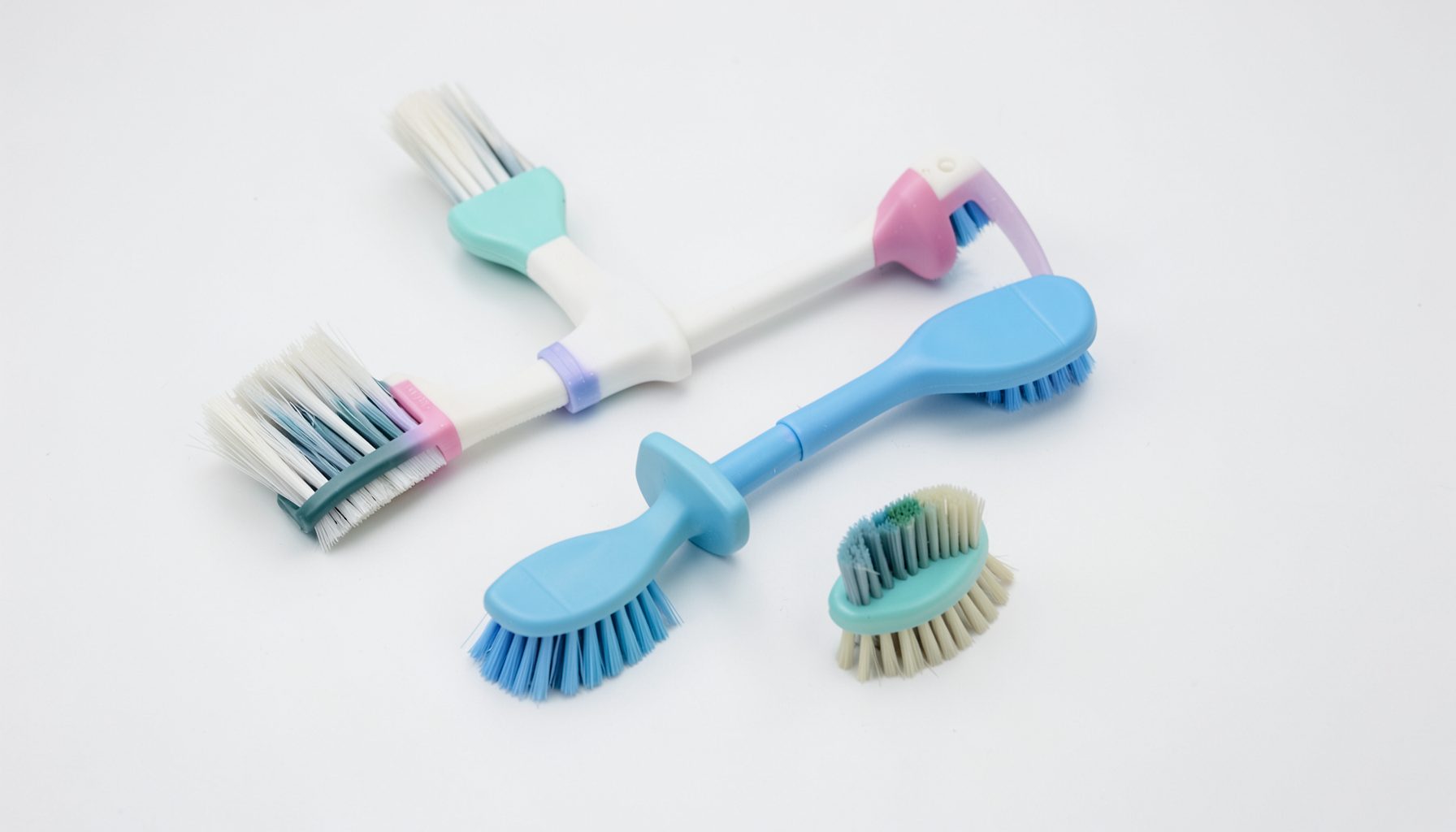
Switch nostrils and repeat. After use, rinse the bottle and let it air dry. Use ResQRinse Premium Cleaning Brushes for thorough cleaning.
How Nasal Rinsing Can Reduce Reliance on Decongestants
A blocked nose can make ordinary activities feel difficult. Breathing, sleeping, exercising, and concentrating may all suffer when mucus, allergens, or inflamed tissue narrow the nasal passages. Decongestant sprays and tablets can provide rapid relief, but frequent use may create problems of its own.
Nasal irrigation offers a different approach. Rather than temporarily narrowing swollen blood vessels, a saline rinse helps wash away mucus, pollen, dust, and other irritants. Used correctly, it can become part of a broader congestion-management routine and may reduce the need to reach for fast-acting medication.
The goal is not to dismiss decongestants or replace medical advice. These medicines can have an appropriate role, especially during short-term illness or severe symptoms. The value of rinsing is that it addresses the nasal environment directly and can support relief without relying on repeated doses.
Why Decongestants Can Become A Habit
Topical nasal decongestants, such as oxymetazoline, work by constricting blood vessels in swollen nasal tissue. This can open the airway within minutes, which makes these products appealing during a cold, allergy flare, or nighttime congestion. Oral decongestants use a different mechanism but may also provide temporary nasal relief.
The concern is prolonged or frequent use, particularly with topical sprays. Using them beyond the time stated on the label can lead to rebound congestion, also called rhinitis medicamentosa. As the medication wears off, nasal tissue may swell again, encouraging a person to use another dose and creating a difficult cycle.
Saline irrigation does not produce this rebound effect because it does not act as a blood-vessel constrictor. It supports mechanical cleansing and hydration instead. Anyone who has already been using a medicated spray regularly should speak with a healthcare professional about the safest way to reduce or stop it.
How Saline Rinsing Supports Clearer Breathing
A nasal rinse uses a saltwater solution to flush accumulated mucus and unwanted particles from the nasal passages. During allergy season, this may help remove pollen before it remains in contact with sensitive tissue for long periods. During a cold, irrigation can loosen thick secretions and make them easier to clear.
Saline also helps moisturize the nasal lining. Dry indoor air, heating systems, air conditioning, smoke, and environmental pollutants can leave the nose feeling irritated or crusted. A properly prepared rinse may soothe that dryness while supporting the nose’s natural cleaning process.
The effect is different from the quick, intense opening produced by a decongestant. Rinsing may require consistent use and may not eliminate swelling immediately. Its advantage is that it can be repeated as directed without the same medication-related rebound concern, making it useful for people who experience recurring allergies or ongoing nasal irritation.
A rinse can also complement other treatments. For example, a clinician may recommend saline irrigation alongside an intranasal corticosteroid for allergic rhinitis. In some cases, rinsing before a medicated nasal spray may clear mucus from the surface, although users should follow the product instructions and their healthcare provider’s guidance.
Comparing Common Approaches To Congestion
Different options serve different purposes. A decongestant is designed for short-term vascular relief, while saline irrigation focuses on clearing and moisturizing the nasal passages. A nasal mist may help with light dryness, but it generally does not provide the same flushing action as a larger-volume rinse.
The best choice depends on the cause and severity of symptoms. A person with occasional mild dryness may need only a mist. Someone exposed to seasonal pollen or dealing with thick mucus may benefit more from a full irrigation system. Medical evaluation is important when symptoms are persistent, severe, or associated with fever, facial swelling, breathing difficulty, or repeated sinus infections.
| Option | Main action | Typical role | Important consideration |
|---|---|---|---|
| Saline irrigation | Flushes mucus, allergens, and irritants | Regular congestion and allergy support | Use safe water and clean equipment |
| Saline nasal mist | Moisturizes the nasal lining | Dryness and mild irritation | Does not deeply flush the passages |
| Topical decongestant spray | Temporarily shrinks swollen tissue | Short-term blocked-nose relief | Overuse may cause rebound congestion |
| Oral decongestant | Reduces nasal swelling throughout the body | Selected short-term situations | May affect blood pressure, heart rate, or sleep |
| Prescription nasal treatment | Targets inflammation or another diagnosed cause | Ongoing or significant symptoms | Use according to professional guidance |
Using Irrigation Safely And Comfortably
Water safety is essential. Use distilled or sterile water, or tap water that has been boiled and cooled according to public health guidance. Do not use untreated tap water in a nasal rinse. Prepare the saline solution with the correct packet or measured ingredients so it is comfortable and appropriately balanced.
Follow the device instructions for positioning and flow. Leaning over a sink, breathing through the mouth, and allowing the solution to move gently through one nostril and out the other can make the process easier. A squeeze bottle should never be forced aggressively, especially when the passages feel completely blocked.
Clean and dry the system after each use. Residual moisture can allow microorganisms to grow, while mineral deposits may affect the device. Replace components when the manufacturer recommends it, and do not share a personal nasal irrigation bottle.
People with frequent nosebleeds, recent nasal surgery, significant structural blockage, ear pressure, or complex medical conditions should seek professional advice before beginning. Parents should use children’s products only as directed and supervise younger children. The common questions can also help clarify preparation, frequency, and cleaning details.
Consistency Matters More Than Intensity
The potential benefit of nasal rinsing comes from making it a reasonable, repeatable habit rather than using excessive force or unusually large amounts of solution. Some people rinse after outdoor exposure, during allergy season, or before bed. Others use it when mucus becomes thick or nasal breathing starts to feel restricted.
A comfortable system can make regular use easier. ResQRinse describes its Nasal Lock technology as a feature intended to help create a secure seal and control the flow during use. A stable fit may reduce mess and make the process feel less intimidating than traditional nasal irrigation methods.
The right schedule varies. Daily rinsing may be suitable for some allergy routines, while occasional use may be enough for others. If a rinse causes persistent pain, ear fullness, worsening symptoms, or repeated irritation, stop and discuss the problem with a healthcare professional rather than increasing pressure or frequency.
Practical Ways To Rely Less On Medication
Replacing a decongestant habit usually works better when rinsing is paired with attention to triggers and daily conditions. Keeping bedroom air comfortably humid, washing bedding regularly, limiting smoke exposure, and reducing contact with known allergens can lower the amount of nasal irritation that needs to be managed.
A symptom diary may reveal patterns. Note whether congestion appears after yard work, around pets, in a dry room, during a particular season, or after lying down. This information can help distinguish occasional irritation from symptoms that deserve a clinical assessment.
Useful habits include:
- Use a safe saline rinse after significant pollen, dust, or outdoor exposure when appropriate.
- Reserve topical decongestant sprays for the short duration listed on the label.
- Rinse and air-dry the device after every use, following the manufacturer’s cleaning directions.
- Keep saline packets and clean equipment available so congestion does not automatically lead to medication.
- Ask a pharmacist or clinician about interactions and alternatives if you take blood-pressure medicine or have heart, thyroid, or eye conditions.
Build A Sustainable Congestion Routine
A practical plan often combines prevention, saline care, and targeted medication. Rinsing can clear irritants and mucus, while a clinician-recommended treatment can address inflammation, infection, or another underlying cause. This layered approach may reduce the pressure to seek immediate relief from a decongestant every time the nose feels blocked.
ResQRinse provides information about its products, including squeeze-bottle systems, children’s options, saline packets, cleaning tools, and nasal mist, through its product information. Reviewing the instructions before use can help ensure that the chosen system matches the user’s age, symptoms, and comfort level.
Start with safe water, gentle technique, and a schedule that fits the reason for congestion. If you are using a decongestant frequently, arrange guidance from a healthcare professional rather than stopping or continuing indefinitely without a plan. Choose a suitable saline system and make consistent nasal care part of your routine so medication remains an option for appropriate situations instead of the automatic first response.