ResQRinse is the nasal irrigation squeeze bottle that eliminates head-tilting and awkward neck positions. Using proprietary Nasal Lock™ technology, it delivers a comfortable, gag-free sinus cleanse — no more saline dripping down your throat.

Relief From Fall Sneezes
Now sold on Walmart.com. Free shipping on orders $30+. Try ResQRinse today with your everyday purchases.
Shop at WalmartWhy ResQRinse?
Nasal rinsing helps relieve congestion from colds, allergies, sinusitis, hay fever, and environmental pollutants. ResQRinse makes it comfortable enough to become a daily habit.
Nasal Lock™ Technology
Isolates sinuses from the throat using natural choanal occlusion — like inflating a balloon — so saline stays where it belongs.
Learn more →
Drug-Free Relief
Uses premixed saline packets with distilled water. No medications, no preservatives — just a natural cleanse for your nasal passages.
How to rinse →
For Kids Too
ResQRinse for Kids features a comfort nasal tip right-sized for smaller nostril openings, making rinsing gentle and easy for children.
Shop kids' version →
Breath-Controlled Flow
You control the saline flow with your own breath pressure — high volume, low pressure irrigation that's comfortable and effective.
Watch how-to videos →
Better Compliance
Designed to overcome the gagging and discomfort that cause people to abandon traditional neti pots and nasal rinse systems.
Our story →
Complete Kits Available
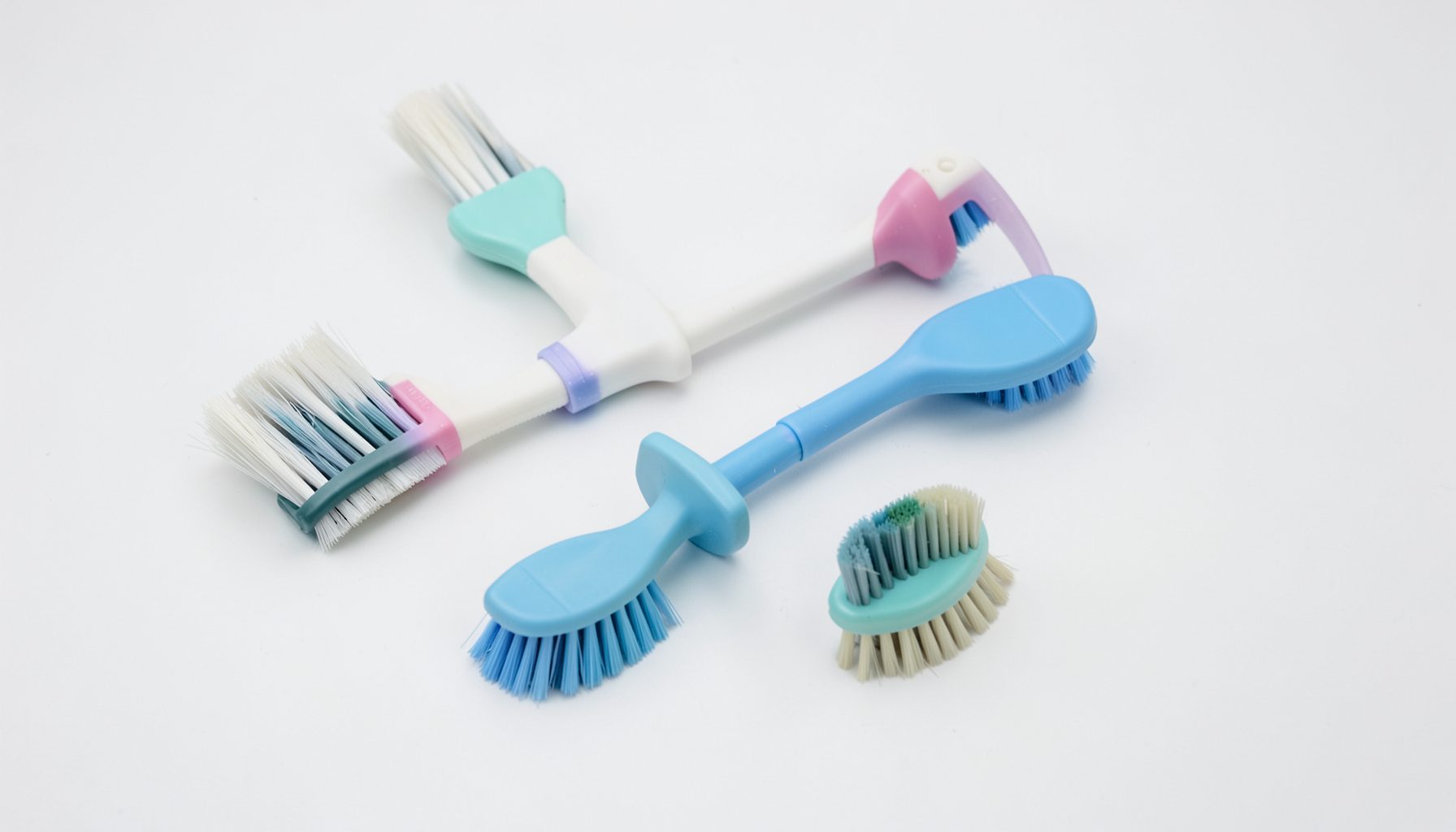
From the basic ResQRinse Nasal Rinse System ($19.99) to 90-day complete kits, saline packets, cleaning brushes, and Sinoptim Nasal Mist.
Browse all products →Get Started with ResQRinse
Ready to experience a better nasal rinse? Fill out the form below and we'll help you find the right product — or follow the simple steps to begin rinsing today.
Request More Information
How to Use ResQRinse
Fill the Bottle
Fill the ResQRinse squeeze bottle with distilled or previously boiled water and add one premixed saline packet.
Position the Tip
Place the comfort tip gently against one nostril. No head-tilting or awkward neck angles needed.
Squeeze & Breathe
Squeeze the bottle gently while breathing through your mouth. Nasal Lock™ keeps saline in your nasal passages and out of your throat.
Repeat & Clean
Switch nostrils and repeat. After use, rinse the bottle and let it air dry. Use ResQRinse Premium Cleaning Brushes for thorough cleaning.
Choosing Between Isotonic and Hypertonic Saline for Everyday Relief
Nasal saline rinses have quietly become a household staple across Australia, from Bondi mornings to weekend cricket matches in Adelaide. Whether you are dealing with spring pollen in Melbourne, dust from the red centre, or the lingering effects of a winter cold in Hobart, the type of salt water you flush with makes a meaningful difference to how your sinuses respond.
The conversation around isotonic versus hypertonic saline often confuses people because both use the same basic ingredient — sodium chloride and water — yet they behave quite differently in the nose. Understanding that distinction helps you build a daily routine that matches your symptoms, your environment, and the way your airways naturally function.
What Is Isotonic Saline and Why It Matters
Isotonic saline has the same salt concentration as the fluids naturally found in your body, roughly 0.9 percent sodium chloride. Because it matches your cellular environment, it does not pull water in or out of the surrounding tissues. The result is a gentle rinse that hydrates dry passages, clears everyday mucus, and washes away irritants without any stinging or burning sensation.
For most people in Australia who simply want to maintain healthy sinuses, isotonic saline is the natural starting point. It suits children, adults, and older users who rinse once or twice a day as part of general hygiene. Many chemists in Sydney and Brisbane stock pre-mixed isotonic sachets alongside their pharmacy ranges, reflecting how common this concentration has become in everyday self-care.
How Hypertonic Saline Works
Hypertonic saline contains a higher concentration of salt, typically between 1.5 and 3 percent. This stronger solution creates an osmotic effect that draws fluid out of swollen nasal tissue, reducing congestion and helping trapped mucus drain more freely. People often describe a noticeable clearing sensation within minutes of use.
Because of that stronger pull, hypertonic rinses can cause a brief tingling or mild burn, particularly during the first few uses. Australian pharmacists and GPs frequently recommend hypertonic solutions for short-term relief during acute sinusitis, severe hay fever, or recovery after a cold, rather than as a permanent everyday wash. Readers curious about the brand's philosophy can read about ResQRinse and see how both concentrations fit into an approach designed around how people actually use saline at home.
Comparing the Two Concentrations
The core difference comes down to osmotic pressure. Isotonic solutions sit comfortably alongside your tissues, offering cleansing without disruption. Hypertonic solutions actively draw fluid out, providing a stronger decongesting effect that comes with a slightly more intense sensation during use.
Frequency of use also tends to differ between the two. Most users tolerate isotonic saline multiple times a day, while hypertonic saline is generally used one to three times daily during symptomatic periods. The salt content matters for cleaning routines too, since residue from higher concentrations can leave mineral traces in rinse bottles if not washed thoroughly after each session.
Matching Concentration to Symptoms
Picking the right saline strength depends on what you are trying to address. A maintenance routine for clear airways calls for one approach, while seasonal allergy flare-ups call for something a little stronger.
Everyday comfort and gentle cleansing:
- Morning rinse to clear overnight buildup before the day begins
- Post-exercise flush after outdoor training in dusty conditions
- Daily hygiene during dry winter months in Melbourne or Canberra
- Routine care for children with mild congestion
Stronger support during symptomatic periods:
- Heavy pollen days in spring across south-eastern Australia
- Recovery phase after a sinus infection clears
- Short-term relief following bushfire smoke exposure
- Stuffy nose accompanying a cold or flu
Australians who travel between coastal humidity and inland dryness often notice their needs shift with location. A surfer in Noosa might find isotonic rinses plenty after long sessions in salt water, while someone relocating from Perth to a dusty outback station may benefit from alternating concentrations depending on the day.
Daily Routines and Safety Considerations
Whichever concentration you choose, water quality matters. Australian health authorities recommend using distilled, filtered, or previously boiled water for any nasal rinse to avoid introducing microorganisms into the sinuses. Tap water in major cities is generally safe for drinking but is not sterile enough for nasal irrigation without treatment.
Cleanliness of your device is equally important. Rinse bottles should be washed after each use and air-dried thoroughly. Over time, mineral buildup or expired saline mix can reduce effectiveness and irritate delicate membranes. Knowing how to spot expired saline packets helps you avoid using ingredients that have lost their intended balance, particularly during long storage periods when boxes sit forgotten at the back of the bathroom cupboard.
Australian Climate and Seasonal Factors
Australia's varied climate shapes how people experience nasal symptoms throughout the year. Spring brings intense pollen counts to Melbourne, Canberra, and parts of Sydney, often peaking in October and November. Thunderstorm asthma events, most famously the 2016 incident in Melbourne, have raised awareness about how quickly airborne allergens can overwhelm the airways.
Summer adds its own challenges. Bushfire season across New South Wales and Victoria regularly produces fine particulate matter that irritates nasal passages long after the smoke clears. Cyclone humidity in northern Queensland encourages mould growth indoors, while the dry heat of Alice Springs can leave membranes parched for weeks at a time. Each of these conditions nudges different saline choices, and many Australians find that their ideal routine shifts with the seasons rather than staying fixed year-round.
Integrating Saline Rinses Into Your Lifestyle
A consistent habit matters more than the specific concentration you pick. Many people in Brisbane and Adelaide pair their morning rinse with a shower, allowing steam to soften mucus before flushing. Others keep a bottle at work, particularly teachers, tradies, and healthcare workers who spend hours in air-conditioned or dusty environments.
The ResQRinse squeeze-bottle design suits the Australian market because it travels easily in a work bag or holiday kit, holds up under frequent cleaning, and works with both isotonic and hypertonic mixes. Parents often choose the children's version for little ones prone to recurring congestion, while long-time allergy sufferers appreciate having a stronger option on hand for high-pollen days. Anyone ready to simplify their routine can explore the full ResQRinse range and find a setup that fits their household, their symptoms, and the way they move through the year.
A well-chosen saline rinse, matched to your symptoms and your surroundings, can quietly transform how you breathe through every Australian season. Start with a concentration that suits your current needs, pay attention to how your body responds over a few weeks, and adjust as the weather, your health, and your environment change. The right bottle on the bathroom shelf becomes a small daily habit that pays back every time you take a clear, comfortable breath.