ResQRinse is the nasal irrigation squeeze bottle that eliminates head-tilting and awkward neck positions. Using proprietary Nasal Lock™ technology, it delivers a comfortable, gag-free sinus cleanse — no more saline dripping down your throat.

Relief From Fall Sneezes
Now sold on Walmart.com. Free shipping on orders $30+. Try ResQRinse today with your everyday purchases.
Shop at WalmartWhy ResQRinse?
Nasal rinsing helps relieve congestion from colds, allergies, sinusitis, hay fever, and environmental pollutants. ResQRinse makes it comfortable enough to become a daily habit.
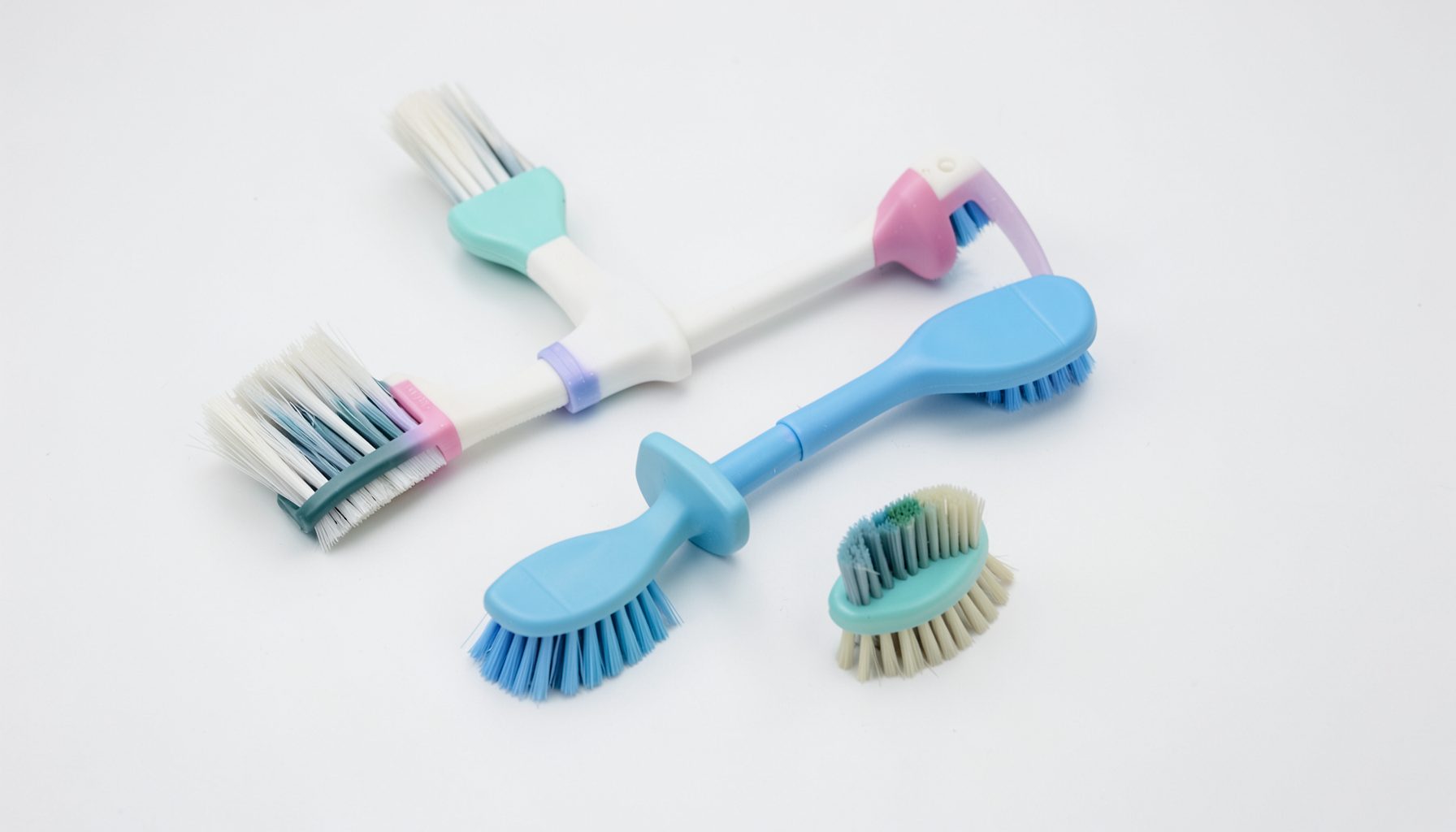
Nasal Lock™ Technology
Isolates sinuses from the throat using natural choanal occlusion — like inflating a balloon — so saline stays where it belongs.
Learn more →
Drug-Free Relief
Uses premixed saline packets with distilled water. No medications, no preservatives — just a natural cleanse for your nasal passages.
How to rinse →
For Kids Too
ResQRinse for Kids features a comfort nasal tip right-sized for smaller nostril openings, making rinsing gentle and easy for children.
Shop kids' version →
Breath-Controlled Flow
You control the saline flow with your own breath pressure — high volume, low pressure irrigation that's comfortable and effective.
Watch how-to videos →
Better Compliance
Designed to overcome the gagging and discomfort that cause people to abandon traditional neti pots and nasal rinse systems.
Our story →
Complete Kits Available
From the basic ResQRinse Nasal Rinse System ($19.99) to 90-day complete kits, saline packets, cleaning brushes, and Sinoptim Nasal Mist.
Browse all products →Get Started with ResQRinse
Ready to experience a better nasal rinse? Fill out the form below and we'll help you find the right product — or follow the simple steps to begin rinsing today.
Request More Information
How to Use ResQRinse
Fill the Bottle
Fill the ResQRinse squeeze bottle with distilled or previously boiled water and add one premixed saline packet.
Position the Tip
Place the comfort tip gently against one nostril. No head-tilting or awkward neck angles needed.
Squeeze & Breathe
Squeeze the bottle gently while breathing through your mouth. Nasal Lock™ keeps saline in your nasal passages and out of your throat.
Repeat & Clean
Switch nostrils and repeat. After use, rinse the bottle and let it air dry. Use ResQRinse Premium Cleaning Brushes for thorough cleaning.
The difference between a nasal rinse and a nasal spray for daily care
Nasal care products can look alike on a pharmacy shelf, yet they deliver fluids in very different ways. Understanding the difference between a nasal rinse and a nasal spray helps you match the format to congestion, allergies, dryness or post-viral discomfort, while keeping the active ingredients and technique in view.
Australian conditions make that distinction practical. Sydney residents may encounter bushfire smoke, Melbourne often faces spring pollen and rapid weather changes, Brisbane’s humidity keeps the air moisture-heavy, and Adelaide’s dry, dusty conditions can irritate sensitive passages. Air-conditioned homes, offices and trains also affect how comfortable different products feel throughout the day.
The local market offers another layer of choice. Saline rinses, squeeze bottles, refill packets and medicated sprays may appear at chemists, online marketplaces such as Amazon, or listings through Walmart. Australian shoppers should compare the ingredient, intended purpose, included accessories and seller information rather than assuming that a product labelled “nasal” has the same dose or effect.
Neither format is automatically right for everyone. A rinse is designed to wash the nasal cavity with a larger volume of fluid, while a spray delivers a smaller, finer dose. Personal comfort, symptoms, medical advice and the manufacturer’s directions should guide daily use, particularly for children or people with ongoing sinus problems.
What each option actually does
A nasal rinse is a form of nasal irrigation. You add a prepared saline solution to a squeeze bottle or similar device, lean forward, and let the liquid travel through one nostril before leaving the other. The flow loosens and removes mucus plus trapped particles, and it can rinse irritated tissue without relying on a drug. ResQRinse systems are built around its Nasal Lock technology, intended to make the flow more controlled than an open neti pot.
A nasal spray uses a pump, mister or dropper to place a small amount of fluid into each nostril. Plain saline sprays mainly moisturise and loosen dried mucus. Other sprays contain medicines such as a corticosteroid, antihistamine or short-term decongestant. That distinction is central: a rinse physically flushes the passage, whereas a medicated spray acts on inflammation, an allergic response or swelling.
How the daily experience differs
Rinsing takes a little more preparation and time, but many people appreciate the thorough feeling of clearing a blocked nose. Squeeze bottles are portable enough for a bedside table or travel bag and avoid the setup of a traditional neti pot. A spray is quicker, easier to use between meetings and less likely to wet a bathroom, making it convenient after a train commute or a dusty walk.
Comfort varies. Some users find a gentle spray more suitable for frequent moisturising, while others prefer a rinse when mucus is thick or after exposure to smoke and pollen. Children need an age-appropriate product and close adult supervision; pausing if there is pain, bleeding or severe ear pressure prevents a simple routine from becoming distressing. Saline is generally well tolerated, but pressure can still cause temporary discomfort.
What goes into the solution
For a rinse, water quality matters. Use only distilled, sterile or previously boiled-and-cooled water, as the instructions require, together with the correct measured salt or saline packet. Untreated household tap water should not be used. This precaution applies worldwide because ordinary tap water can occasionally contain organisms that are unsafe for the nasal passages.
Refill packets should be mixed with the specified volume of safe water, not guessed at. Cleaning brushes help keep bottles and caps hygienic, and the device should be rinsed, cleaned and left to air-dry as directed. Children’s kits may use smaller equipment, but smaller does not automatically mean suitable for every child, so check the age guidance.
A bathroom cabinet may hold other self-care products too. This guide to daily burn care can help with dressings for minor burns, while clearly separating nasal equipment prevents mix-ups during family routines. Store saline packets dry, keep devices clean and follow the storage directions printed on the pack.
Technique changes the result
Begin a rinse with a clean device, the correct solution and a comfortable position over a sink. Insert only as far as advised, squeeze gently and breathe through the mouth rather than forcing liquid across the passage. Stop if the flow causes substantial pain or bleeding. The bottle’s control mechanism can improve consistency, but correct posture and a gentle stream remain more important than squeezing harder.
For a spray, shake or prime it as labelled, keep the head upright and aim away from the central septum. A steady, light dose is better than a forceful blast, especially with medicated products. The ResQRinse demonstration videos show practical handling and preparation techniques that can be useful before making a bottle part of your routine.
Matching the format to common symptoms
For allergy-related stuffiness, a rinse may suit someone who wants mucus and particles washed away after a high-pollen day in Melbourne or during Sydney’s smoky weather. A steroid or antihistamine spray may be better when inflammation is the main issue, because it targets that process. Saline mist can also moisturise a dry nose without adding a medicine.
Dry air is another common trigger. Brisbane’s air-conditioning and Adelaide’s hot, dry winds can leave the nose uncomfortable, making a small saline mist easy to carry and use at a desk. A rinse offers more complete cleansing when secretions are heavy, but neither product should be expected to treat the underlying cause of a persistent problem.
Sinusitis symptoms need judgement. A rinse can support comfort during a short bout of congestion, but frequent or one-sided symptoms, fever, severe facial pain, foul-smelling discharge or repeated nosebleeds deserve advice from a clinician. Seek urgent care after a significant head injury, and do not use irrigation when a clinician has advised otherwise.
Australian safety and buying considerations
Therapeutic goods in Australia are overseen by the Therapeutic Goods Administration, or TGA. Depending on the formulation and claims, a nasal product may be a listed medical device or a registered medicine. Check the Australian Register of Therapeutic Goods and the pack label for the responsible sponsor, ingredients and intended use. A pharmacy pharmacist can also explain the difference between saline, steroid, antihistamine and decongestant sprays.
Online buying adds practical checks. ResQRinse directs customers to Amazon and Walmart for product options, but cross-border marketplace sellers, shipping times, replacement parts and return rights can differ from an Australian chemist. Imported orders may attract GST, customs or handling charges. Consumer guarantees under the Australian Consumer Law still matter, so keep receipts and contact the seller if an item is faulty or not as described.
Before buying a refill or replacement, compare the model, solution volume, packet count and included brush or bottle. Current product updates can clarify changes to instructions or accessories, while TGA safety alerts provide a useful place to check for recalls. Avoid products with unclear labelling, missing lot numbers or instructions that differ from the official listing.
Build a routine that fits your day
A practical routine starts with the symptom. Choose a saline mist for light dryness or convenient maintenance, a medicated spray when its active ingredient matches the problem, or a rinse when thorough washing is your priority. For an allergy-prone commuter, that might mean a rinse after a high-pollen day and a moisturising spray while travelling.
Complete kits can be simpler for first-time users because the bottle, packets and brush are together. A squeeze-bottle format supports bedside or travel use, while children’s versions should be used only within their stated age range and with adult help. Keep supplies together in a clean, dry place and replace a device that is cracked, difficult to clean or no longer working correctly.
Choose with confidence by comparing the symptoms you want to manage, the ingredients, the water requirements and the time your routine allows. Pick the format that fits those needs, follow every included instruction, and ask a pharmacist or clinician when symptoms are persistent, severe or unclear. Start with the simplest comfortable method you can use consistently.