ResQRinse is the nasal irrigation squeeze bottle that eliminates head-tilting and awkward neck positions. Using proprietary Nasal Lock™ technology, it delivers a comfortable, gag-free sinus cleanse — no more saline dripping down your throat.

Relief From Fall Sneezes
Now sold on Walmart.com. Free shipping on orders $30+. Try ResQRinse today with your everyday purchases.
Shop at WalmartWhy ResQRinse?
Nasal rinsing helps relieve congestion from colds, allergies, sinusitis, hay fever, and environmental pollutants. ResQRinse makes it comfortable enough to become a daily habit.
Nasal Lock™ Technology
Isolates sinuses from the throat using natural choanal occlusion — like inflating a balloon — so saline stays where it belongs.
Learn more →
Drug-Free Relief
Uses premixed saline packets with distilled water. No medications, no preservatives — just a natural cleanse for your nasal passages.
How to rinse →
For Kids Too
ResQRinse for Kids features a comfort nasal tip right-sized for smaller nostril openings, making rinsing gentle and easy for children.
Shop kids' version →
Breath-Controlled Flow
You control the saline flow with your own breath pressure — high volume, low pressure irrigation that's comfortable and effective.
Watch how-to videos →
Better Compliance
Designed to overcome the gagging and discomfort that cause people to abandon traditional neti pots and nasal rinse systems.
Our story →
Complete Kits Available
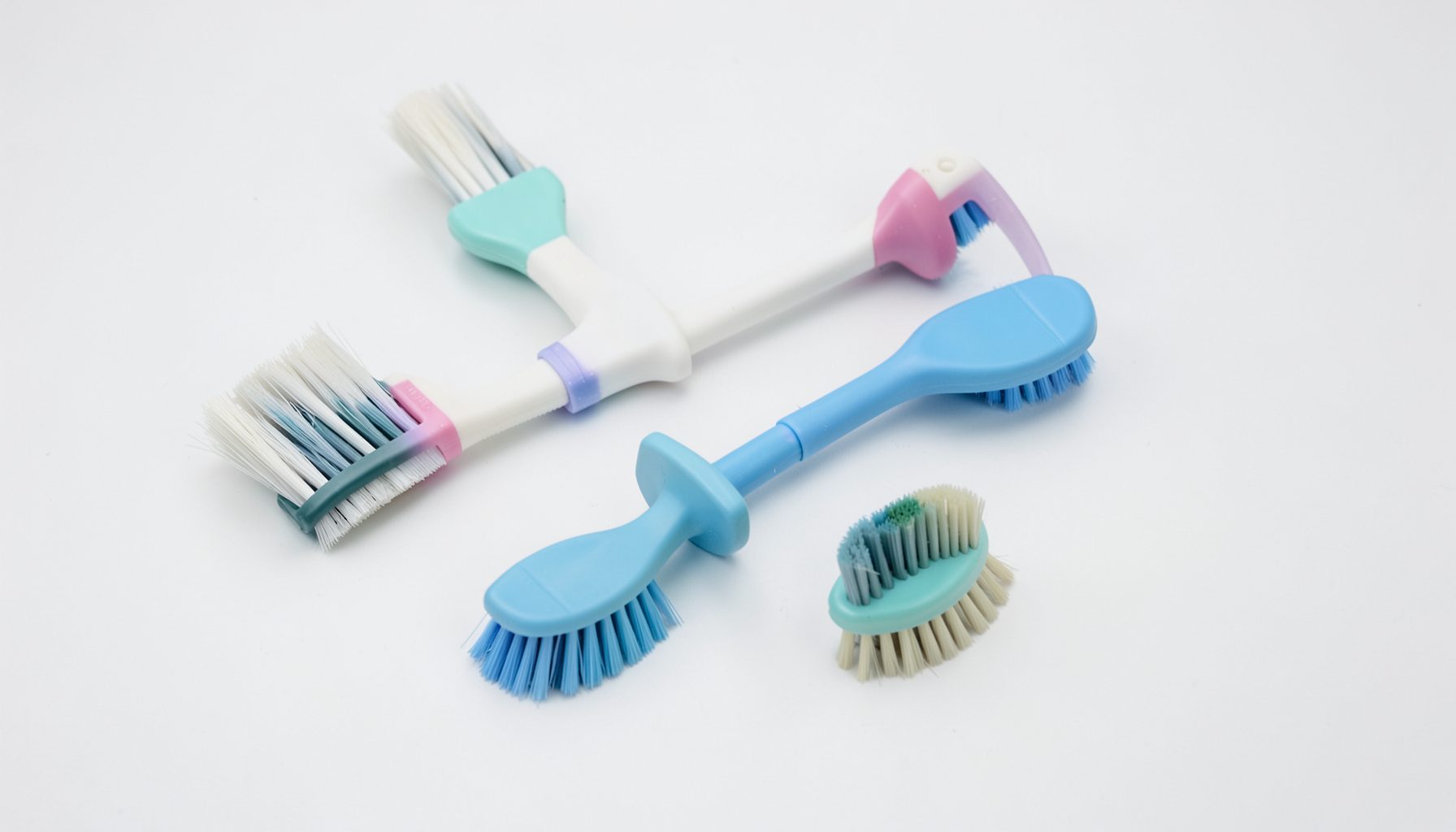
From the basic ResQRinse Nasal Rinse System ($19.99) to 90-day complete kits, saline packets, cleaning brushes, and Sinoptim Nasal Mist.
Browse all products →Get Started with ResQRinse
Ready to experience a better nasal rinse? Fill out the form below and we'll help you find the right product — or follow the simple steps to begin rinsing today.
Request More Information
How to Use ResQRinse
Fill the Bottle
Fill the ResQRinse squeeze bottle with distilled or previously boiled water and add one premixed saline packet.
Position the Tip
Place the comfort tip gently against one nostril. No head-tilting or awkward neck angles needed.
Squeeze & Breathe
Squeeze the bottle gently while breathing through your mouth. Nasal Lock™ keeps saline in your nasal passages and out of your throat.
Repeat & Clean
Switch nostrils and repeat. After use, rinse the bottle and let it air dry. Use ResQRinse Premium Cleaning Brushes for thorough cleaning.
Sinus Rinse for Overnight Congestion Relief in Children
Nasal congestion can make bedtime difficult for children and exhausting for parents. A stuffy nose may interfere with sleep, appetite, hydration, and comfortable breathing, especially when a cold, seasonal allergies, or sinus irritation causes thick mucus to collect in the nasal passages.
A properly used sinus rinse can help wash away mucus, allergens, and other irritants before bed. It does not cure every cause of congestion, and it should be used according to the child’s age, the product instructions, and guidance from a healthcare professional when symptoms are persistent or severe.
For families comparing options, ResQRinse nasal rinse systems are designed around a squeeze-bottle format, saline packets, and a Nasal Lock feature intended to support a controlled, comfortable rinse. The right preparation and technique matter just as much as the device itself.
Why Congestion Feels Worse At Night
Children often notice nasal blockage more when lying down. Gravity no longer helps mucus drain as easily, and swollen nasal tissues can make each breath feel more restricted. Dry bedroom air, dust, pet dander, and exposure to seasonal allergens may add to the problem.
A child who cannot breathe comfortably through the nose may begin mouth breathing, coughing, snoring, or waking frequently. These symptoms can occur with a common cold, allergic rhinitis, or irritated sinuses. A rinse before bedtime may clear excess mucus and allergens, giving the child a cleaner nasal passage for sleep.
Nasal irrigation is different from simply applying a small amount of saline mist. A rinse moves saline solution through the nasal passages and out again, while a mist mainly moistens the nasal lining. Both approaches can be useful, depending on the child’s age, tolerance, and symptoms.
Choosing A Child-Friendly Rinse
A pediatric nasal rinse should be easy for a child to hold or for an adult to control. A soft squeeze bottle can offer more guidance than an open neti pot, particularly when a parent is helping a younger child. The flow should remain gentle, and the child should never be pressured to continue if the process causes pain or distress.
Look for a kit with clearly measured saline packets and straightforward cleaning instructions. Premeasured packets help maintain the intended salt balance when mixed with the correct amount of water. Avoid improvising with table salt or changing the ratio, since an overly concentrated or weak solution can sting.
ResQRinse products include child-oriented options, saline packets, cleaning brushes, complete kits, and nasal mist. Parents can review product details and age guidance before choosing a format. A child’s healthcare provider can also help determine whether irrigation is appropriate, especially for a very young child or one with recurring ear and sinus problems.
Safe Preparation Before Bedtime
Water safety is essential. Use distilled or sterile water, or tap water that has been boiled and cooled according to public health guidance. Never use untreated tap water in a nasal rinse. Wash your hands, inspect the bottle, and prepare the saline solution exactly as directed on the package.
Have the child lean over a sink or basin rather than tilt the head far back. The mouth should remain open so the child can breathe around the solution. An adult should supervise the entire process and control the bottle for children who cannot reliably follow instructions.
A bedtime rinse is usually best performed before brushing teeth, putting on pajamas, or settling into bed. This allows time for remaining fluid to drain and gives the child an opportunity to gently blow the nose. The goal is a calm, clean routine—not forceful pressure or repeated rinsing.
Comparing Common Options
| Option | Best Use | Advantages | Important Considerations |
|---|---|---|---|
| Pediatric squeeze-bottle rinse | Mucus or allergen removal before sleep | Controlled flow, measured saline, adult assistance | Requires safe water, cleaning, and correct technique |
| Saline mist | Mild dryness or brief nasal relief | Quick, portable, easy to tolerate | May not remove thicker mucus as thoroughly |
| Traditional neti pot | Older children who can follow directions well | Gentle gravity-fed flow | Can be harder for children to position and control |
| Humidifier | Dry bedroom air | Adds moisture to the surrounding air | Must be cleaned regularly to prevent buildup |
| Warm shower steam | Temporary comfort before bed | Simple and familiar | Steam does not replace saline irrigation and can burn if too hot |
The best choice depends on the child’s symptoms and developmental stage. A squeeze bottle may suit a parent-led routine, while saline mist can be more practical for a child who dislikes a flowing rinse. A humidifier may support comfort in a dry room but will not flush mucus from the nasal passages.
A Gentle Bedtime Technique
Begin by explaining what will happen in simple, reassuring language. Let the child see the bottle and saline solution first. For a young child, the parent can demonstrate the steps on themselves or use a toy to make the routine familiar. Avoid describing the rinse as something that will hurt or “flush everything out.”
Place the nozzle gently at the nostril without forcing it inward. Use a light, steady squeeze while the child breathes through the mouth. The solution may come out through the other nostril or into the mouth. Stop if the child experiences sharp pain, significant pressure, choking, or distress.
Afterward, have the child gently blow one nostril at a time. Do not encourage forceful nose blowing, which may increase discomfort. Wash and air-dry the bottle and nozzle as directed. A cleaning brush can help reach narrow areas, but the device should never be stored damp and closed.
Parents seeking practical explanations can browse sinus care guidance for additional information about nasal rinsing, saline preparation, and product use. Any online guidance should complement, rather than replace, advice from the child’s clinician.
When To Pause And Seek Medical Advice
A mild cold-related stuffy nose often improves with rest, fluids, humidified air, and appropriate saline care. However, nasal irrigation is not suitable for every situation. Stop the rinse if it causes ear pain, repeated nosebleeds, severe burning, breathing difficulty, or escalating discomfort.
Contact a healthcare professional when congestion lasts longer than expected, repeatedly disrupts sleep, or is accompanied by high fever, facial swelling, severe headache, dehydration, wheezing, or unusual drowsiness. A clinician should evaluate symptoms that are getting worse rather than gradually improving.
Urgent care may be needed if a child struggles to breathe, has blue or gray lips, cannot stay awake, or shows signs of a serious allergic reaction. Infants and children with immune problems, structural nasal conditions, frequent ear infections, or recent nasal surgery may require individualized instructions before using irrigation.
Building A Consistent Nighttime Routine
A rinse works best when it is part of a broader congestion-care routine. Keep the bedroom free from smoke, reduce known allergens when possible, wash bedding regularly, and maintain comfortable—not excessively dry—air. Encourage fluids throughout the day unless a clinician has recommended a restriction.
Use the following practices to keep bedtime nasal care safe and predictable:
- Select a child-appropriate product and follow its age directions.
- Use only distilled, sterile, or properly boiled and cooled water.
- Perform the rinse before bed with an adult supervising.
- Apply gentle pressure and stop immediately if the child reports pain.
- Clean, dry, and store the device according to the manufacturer’s instructions.
Children may need several attempts before they feel comfortable. A relaxed pace, consistent wording, and praise for cooperation can make the routine easier. Never restrain a frightened child to complete a rinse; saline mist, medical advice, or a later attempt may be better options.
Helping Children Sleep More Comfortably
A sinus rinse can be a useful part of overnight congestion relief when mucus, allergens, or nasal dryness are contributing to a blocked nose. It should feel controlled and manageable, not painful. Choosing a child-friendly system, preparing safe saline, and using a gentle technique can make the experience more comfortable for the whole family.
Families can also review parent experiences to see how others incorporate nasal care into daily routines, while keeping in mind that every child responds differently. If nighttime congestion is frequent, severe, or linked with concerning symptoms, professional evaluation is the safest next step.
Prepare the rinse before the evening rush, follow the instructions carefully, and make comfort the priority. With consistent supervision and appropriate medical guidance, a calm nasal-care routine can help children settle more easily when congestion threatens a good night’s sleep.